
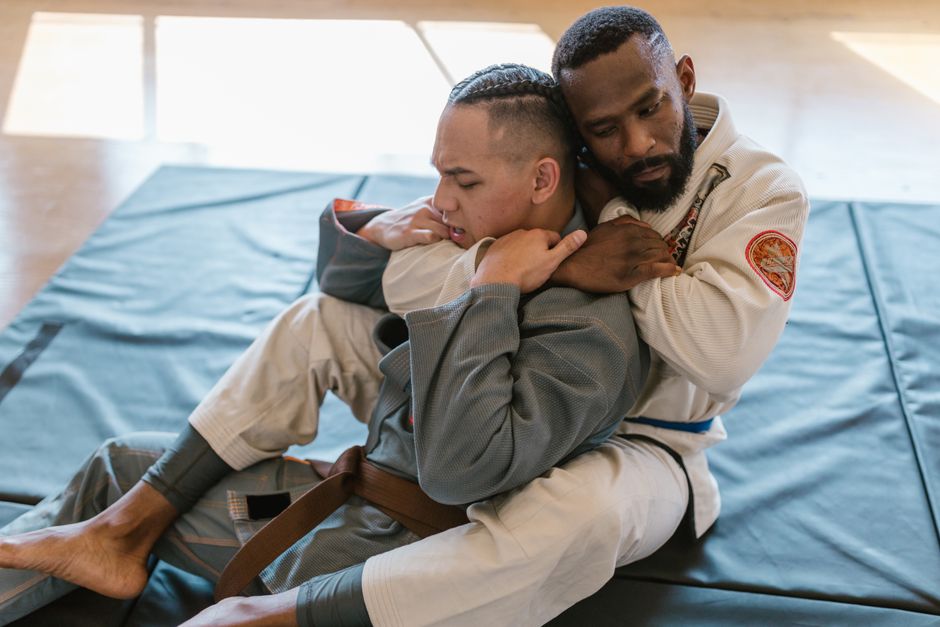
If you're searching for adult Brazilian Jiu Jitsu near you, you're in luck. BJJ academies are popping up in communities across the country, and most of them welcome adults of all skill levels, from complete beginners to competitive athletes.
Whether you're interested in learning self-defense, getting in shape, competing, or just joining a supportive community, there's a good chance you have options within a reasonable drive. The key is knowing what to look for and how to evaluate whether a program is the right fit for you.
How to Find Adult Brazilian Jiu Jitsu Programs Near You
Start by searching online for "Brazilian Jiu Jitsu" or "BJJ" followed by your city or neighborhood. Most academies have websites or social media pages that list their location, class schedule, and contact information.
When you're looking at your options, pay attention to a few key details. Does the academy offer classes specifically for adults? Do they have time slots that fit your schedule? Is the facility clean and well-maintained? Does the instructional approach match what you're looking for (fitness-focused, self-defense, competition training, or a mix)?
Don't just pick the closest option. Many academies will let you come watch a class or even try a free session before committing. This is your chance to get a feel for the instructors, the training style, and whether the community feels welcoming. You want to train somewhere that feels right for you.
If you're in the Rio Rancho area, Gonzales JJ offers technique-focused training for adults at every level, with personalized instruction designed to help you reach your goals.

What to Expect as an Adult Beginner
Walking into your first BJJ class can feel intimidating if you've never trained before. Here's what typically happens.
Most academies start with a warm-up, then move into technique instruction. The instructor will demonstrate a specific move or combination, break it down step by step, and have everyone practice it with a partner. This is usually called "drilling." Then you'll often finish with "rolling," which is controlled sparring where you apply what you just learned.
As a beginner, you don't jump into intense rolling right away. You'll start light and controlled, learning to tap (signal submission) and respecting your partner's safety. The pace is much slower than it looks in competitions.
One of the biggest surprises for adult beginners is how welcoming the community usually is. People train at all ages and fitness levels. You won't be the only person starting from zero. Most gyms have a culture of everyone helping each other grow.
Key Things to Look for in an Adult BJJ Program
Not all academies are the same. Here are some factors that separate a good fit from a poor one.
- Qualified instructors: Look for instructors who are ranked in BJJ (they should have a belt level) and have real competition or teaching experience. Instructors should also be patient and good at explaining technique clearly.
- Adult-specific classes: Some gyms lump adults with teenagers. Ideally, you want a program designed for adults with similar goals and fitness levels.
- Flexible scheduling: Can you make the class times work with your job and life? Do they offer multiple time slots throughout the week?
- A safety-first culture: The academy should emphasize control, communication, and looking out for your training partners. Ego and aggression have no place in good BJJ training.
- Clear progression: Ask how belt promotion works. Do they have a structured path for growth, or is it unclear?
- Trial classes: Most good academies let you try at least one class before you commit. If they don't, that's a red flag.
Different Training Goals and What to Choose
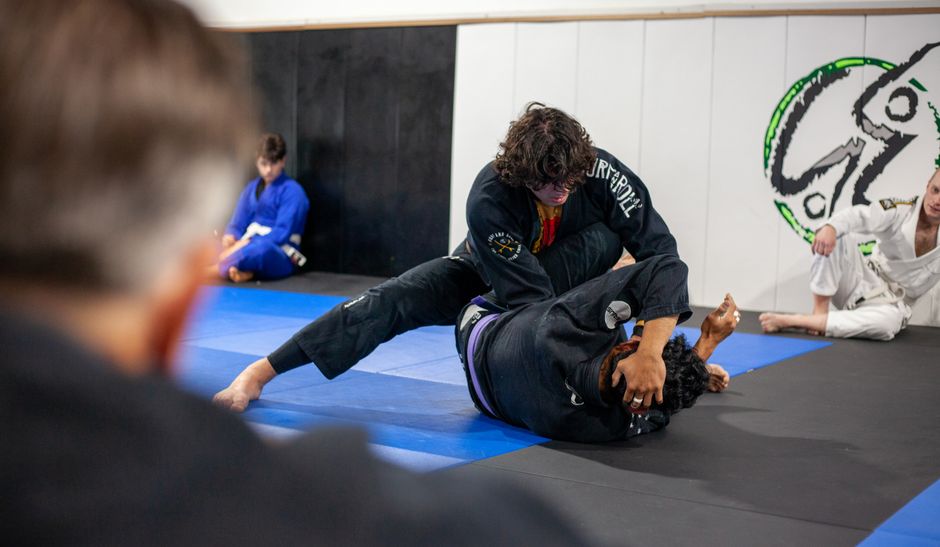
Before you pick a program, get clear on what you want from BJJ. Your goal will help you narrow down your options.
If you want fitness and self-defense: Look for an academy that emphasizes practical techniques and real-world applications. You don't need to compete, so find a gym with a supportive environment and good fundamentals instruction.
If you're interested in competition: Seek out an academy known for developing competitors. Ask about their competition team, how often students compete, and what support they get preparing for tournaments.
If you're training for mental discipline and personal growth: Pay attention to the culture and values. Does the academy emphasize character development? Do instructors seem invested in their students as people, not just athletes?
You can find academies that blend all these goals together. Many students train because they enjoy the challenge, the community, and the personal development that comes with it, even if they never step on a competition mat.
Start your BJJ journey off (Free Class)
Get Started Today →Questions to Ask Before You Join
Once you've narrowed down your options, reach out and ask the academy directly about these things.
- What's your adult class schedule, and which classes are best for beginners?
- Can I try a free or low-cost trial class?
- What's your instructor's background and belt rank?
- Do you have a structured curriculum for beginners?
- What's the vibe like? Is it competitive? Casual? Supportive?
- Are there training partners at my skill level?
A good academy will answer these questions clearly and invite you in to experience a class. That in-person visit is worth more than any website.
What Equipment Do You Need to Start?
You don't need much to get going. Most academies require a gi (the traditional BJJ uniform), but many will let you borrow one for your first few classes. Gis range from basic to high-end, so check with your academy about what's acceptable before you buy one.
You'll also need clean training clothes for open mat sessions (shorts and a rash guard or t-shirt). Nails should be trimmed short to avoid accidentally scratching your training partners.
That's really it. No special supplements, fancy gadgets, or expensive gear required to start learning.
Making the Most of Your First Weeks
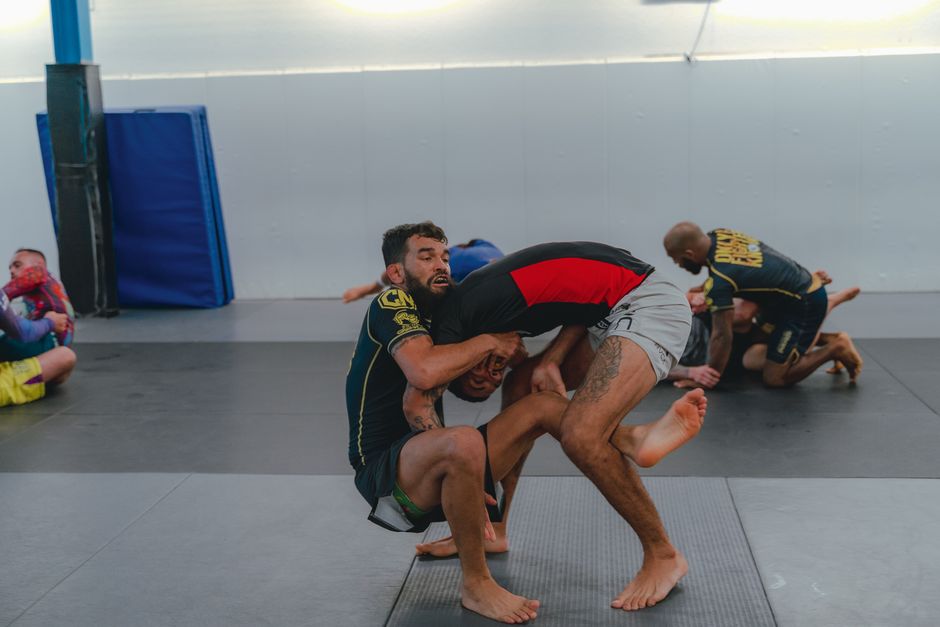
Once you've chosen an academy and started training, here's how to get the most out of it.
Show up regularly. Consistency beats intensity. Two or three classes a week will teach you far more than sporadic attendance. Arrive early so you can warm up and get comfortable with the space.
Related: Kids Jiu-Jitsu Near Me: Find Local Classes & Get Started
Ask questions. If you don't understand a technique, ask the instructor to show you again or find a training partner who can help. There's no such thing as a dumb question in BJJ.
Related: Jiu Jitsu for Adults Near Me: Find Classes & Start Training
Focus on technique over ego. As a beginner, your job is to learn, not to win. If you get caught in a submission, tap early and ask your partner to show you how they got there. This is how you improve.
Connect with your training partners. BJJ is a team sport, even though you're paired one-on-one. The people you train with become part of your life. Show up, be kind, and invest in the community.
If you're looking for a program that combines solid technique instruction with a genuine community focus, adult BJJ training at Gonzales JJ is built on helping you grow both on and off the mat.
Signs You've Found the Right Gym
How do you know if an academy is a good long-term fit? Pay attention to these signals.
You feel welcome and safe. The instructors and students genuinely want you to succeed. No one is making fun of beginners or creating a toxic atmosphere.
You're learning something new each class. The instruction is clear and progressive. You can feel yourself improving week to week.
You look forward to training. Even though it's hard work, the community and the challenge keep you motivated to come back.
The academy focuses on fundamentals for beginners. You're not being thrown into advanced techniques before you're ready.
People stay for years. Long-term students are usually a sign that the academy takes care of its community.
What if I'm too old to start Brazilian Jiu Jitsu?
You're not. BJJ has no age limit. People in their 40s, 50s, and beyond start training all the time. The key is finding an academy that teaches smart, sustainable technique rather than relying on strength and speed. Most adult programs are designed with this in mind.
Do I need to be in shape before I start?
No. BJJ will get you in shape. Start wherever you are, train smart, and listen to your body. Your fitness will improve as you train consistently. Let the instructor know about any injuries or limitations, and they can adjust techniques for you.
How long does it take to get good at Brazilian Jiu Jitsu?
You'll understand basic concepts in a few weeks and feel like a real beginner after a couple of months. Getting to an intermediate level typically takes 1-2 years of consistent training. Advancement depends on how often you train, your natural learning ability, and the quality of instruction. Every person's timeline is different.
Is rolling (sparring) required?
Most academies include rolling as part of class, but participation is usually voluntary for beginners. Many people focus on drilling and technique for their first few months before they start rolling regularly. Talk to your instructor about what pace is right for you.
Start your BJJ journey off (Free Class)
Get Started Today →