

When you're starting jiu jitsu, your gi is one of the most important pieces of gear you'll own. It's what you train in, roll in, and eventually compete in. But if you're new to this, you might not know what makes one gi better than another for your specific needs. Let's talk about what actually matters when you're choosing jiu jitsu gis for men.
The right gi isn't just about looking good. It's about comfort, durability, and how it performs during training. Whether you're hitting the mats for the first time or you've been training for years, understanding the basics will help you make a choice you won't regret.
Related: Best Half Guard Jiu Jitsu Training in Rio Rancho, NM
Related: Best Jiu Jitsu Training in Rio Rancho, NM – Family-Focused BJJ
What Makes a Good Gi?
A solid gi comes down to a few key things: how it fits your body, what material it's made from, and how long it will hold up to regular training.
First, fit is everything. Your gi should be snug enough that your opponent can't grab loose fabric, but loose enough that you can move freely. If your gi is too tight, you'll feel restricted and uncomfortable. Too loose, and you're giving away grips. Finding true-to-size gis that match your actual measurements is the best starting point. Different brands size differently, so always check the size chart before buying.
The fabric matters just as much. Most gis come in different weights, and that changes how they perform. Lightweight gis around 170 GSM (grams per square meter) are great if you want speed and agility. They're easier to move in and dry faster after washing. Heavier gis, on the other hand, are more durable and better if you're training hard multiple times a week. They'll last longer, but they'll also feel a bit stiffer and take longer to dry.
Pearl-weave fabric is a popular choice for men's gis because it balances weight and durability well. It's strong enough to handle daily training without being too heavy for competition prep.
Lightweight vs. Heavy Gis: Which One Do You Need?
This choice depends on how often you train and what your goals are.
If you're training every day or several times a week, a heavier, more durable gi makes sense. You want something that can handle the wear and tear. Heavier gis hold up better to regular washing, hard rolls, and aggressive training partners. The downside is they're stiffer at first and take longer to dry.
Lightweight gis are perfect if you want to move fast and practice technique at a quick pace. They're also ideal if you're planning to compete soon. Competition can feel faster, and a lighter gi helps you stay nimble. If you only train once or twice a week, a lightweight gi will serve you well and won't wear out as quickly.
If you're just starting out, consider your schedule. New students often do better with a mid-weight option that gives you the best of both worlds. Once you train for a few months, you'll know your style better and can invest in a second gi that matches how you actually train.
Size and Fit: Get This Right
Size matters more than you think. A poorly fitting gi will mess with your training, even if it's high quality otherwise.
Men's gis come in a range of sizes to fit different body types. You'll usually see size by height and weight, like A0, A1, A2, and so on. A0 is for shorter, lighter guys. A4 and A5 are for taller men. Some brands also offer custom cuts for specific body shapes.
When you're sizing, measure yourself honestly. Check your height, weight, and arm length if the brand asks for it. Order from the size chart, not from what you normally wear in street clothes. A gi that fits in the shoulders and sleeves is the key. The sleeves should reach just above your wrist when your arm is down. Too long, and you're dealing with excess fabric. Too short, and you're limiting your range of motion.
If you're between sizes, go for the smaller one. Gis shrink a bit after washing, especially if you use warm water. It's better to start slightly snug than to have a gi that's too loose right out of the box.
Durability and Everyday Training
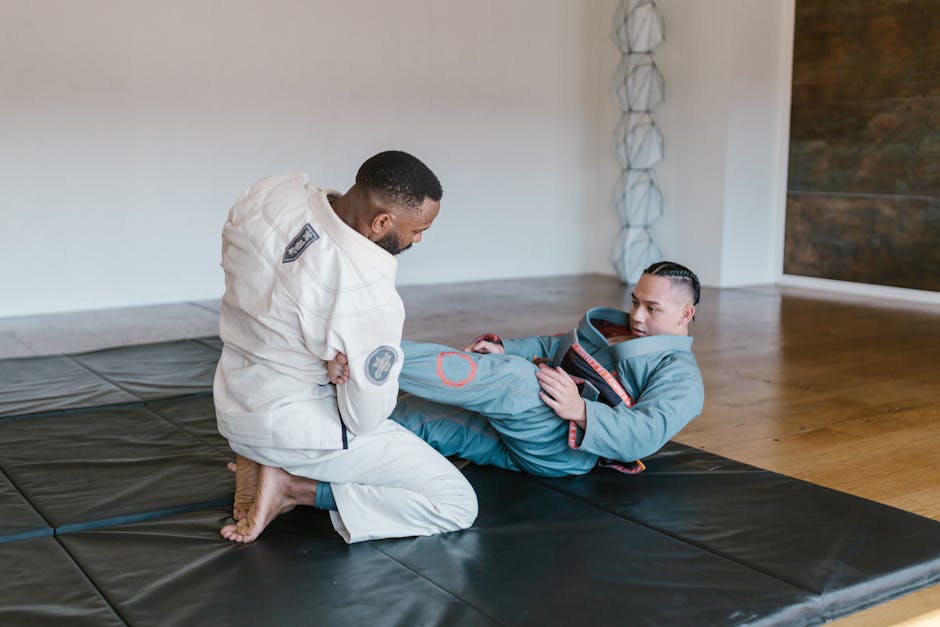
If you're planning to train regularly, your gi needs to survive hard rolls, submissions, and constant washing.
Quality matters here. Entry-level gis are cheaper and fine for beginners, but they won't last as long. The stitching might come apart faster, or the fabric will start to thin out after a few months of heavy training. If you're committed to jiu jitsu and training multiple times a week, spending a bit more on a durable gi upfront saves you money in the long run because you won't need to replace it every year.
Look for reinforced seams, especially at the collar and sleeves where the most stress happens. Double stitching is standard on quality gis. The fabric should feel substantial, but not stiff. If a gi feels too rigid, it might be new, but it should soften up after a few washes.
Care and maintenance make a huge difference in how long your gi lasts. Wash it in cold water with like colors, use mild detergent, and air dry whenever possible. Avoid the dryer if you can. Heat speeds up shrinkage and weakens the fabric. With proper care, a quality gi can last years.
Competition vs. Training Gis
There's a difference between a gi you train in and one you compete in, and it's worth understanding.
Competition gis are cut to IBJJF specifications. If you're planning to compete in organized tournaments, your gi has to meet these rules or you won't be allowed on the mat. The sleeves have to be a certain length. The pants have to fit a specific way. The collar can't be too thick. All of this is designed to keep the sport fair and safe.
Training gis don't have to follow these rules as strictly. You can wear whatever feels good and works for your training style. Some people prefer a looser, more comfortable gi for training and save their IBJJF-legal gi for tournaments only. If you're planning to compete seriously, check the IBJJF rules and make sure any gi you buy for competition is certified legal.
New students usually don't need to worry about this yet. Focus on finding a gi that works for your training first. When competition enters your plans, you can upgrade to a competition-specific model. If you're thinking about competing down the line, ask your instructors at Gonzales JJ what they recommend, and they can point you in the right direction.
Start your BJJ journey off (Free Class)
Get Started Today →
Your Gi is an Investment
Your jiu jitsu gi is something you'll use dozens of times. It's worth taking time to choose well. Think about how often you'll train, what your goals are, and what feels right for your body. The most expensive gi isn't always the best choice for you. But skipping proper fit or durability to save a few dollars often backfires when your gi falls apart or doesn't move the way you need it to.
Take your time, measure yourself, and read the size charts carefully. Once you find a gi that fits and feels good, you'll be ready to focus on what really matters: learning technique and building your skills on the mat.
People Also Ask
What size gi should I get if I'm between sizes?
Go with the smaller size. Gis shrink slightly after the first few washes, especially if you use warm water or the dryer. Starting smaller means your gi will fit better after it settles in. A gi that's too loose from day one will stay too loose.
How often should I wash my gi?
Wash your gi after every training session if you can. Sweat and bacteria build up quickly, and washing regularly keeps your gi fresh and helps prevent skin issues. Use cold water, mild detergent, and air dry to keep it in good shape longer.
Is a heavier gi better for beginners?
Not necessarily. Beginners do better with a gi that feels comfortable and doesn't restrict movement. If you're training just once or twice a week, a lightweight or mid-weight gi works great. Heavier gis are better for people training multiple times a week who want extra durability. Pick based on your training schedule, not your experience level.
What's the difference between pearl-weave and other fabrics?
Pearl-weave is a balanced choice that offers good durability without being too heavy. It's a popular middle-ground option for men who train regularly. Single-weave gis are lighter and faster but wear out quicker. Double-weave or ripstop gis are heavier and more durable. Pearl-weave sits between these, which is why it's so common.
Start your BJJ journey off (Free Class)
Get Started Today →