
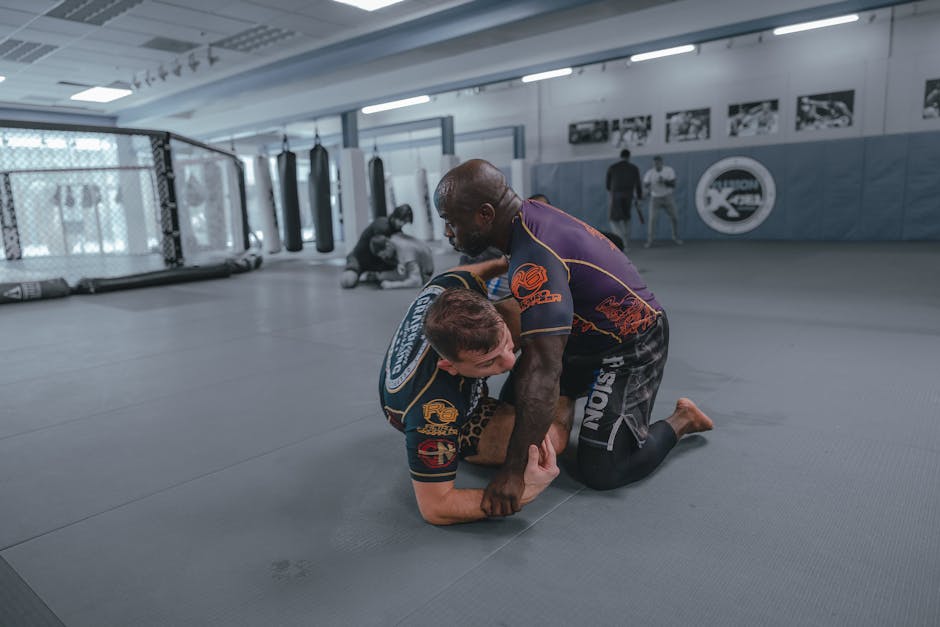
Jiu jitsu takedowns are one of the most powerful tools in your arsenal when you step on the mat. They let you go from standing to controlling your opponent on the ground in seconds, and they're a huge part of scoring and winning matches.
If you're new to takedowns or you've been rolling for a while but want to sharpen your technique, this guide breaks down the moves that actually work, how to set them up, and what safety looks like when you're drilling with a partner.
What Makes a Good Jiu Jitsu Takedown?
Before we jump into specific techniques, let's talk about what separates an effective takedown from a sloppy one.
A solid takedown happens when you control your opponent's posture, balance, and momentum all at the same time. You're not just throwing them down—you're moving them where they don't want to go while keeping yourself safe and in control.
The best takedowns also leave you in a position to continue attacking. Once they're on the ground, you want to be close, heavy, and ready to transition into your next move. That's what makes chaining takedowns together so powerful. You land one, set up the next before they can escape or recover.
If you want to build a takedown game that works for your body type and skill level, Gonzales JJ offers personalized technique instruction to help you find what clicks.
The Double Leg Takedown
The double leg is the king of takedowns in jiu jitsu. It's powerful, it's high-percentage, and when you nail it, your opponent goes down fast.
Here's how it works:
- Close the distance between you and your opponent. You can't shoot from far away.
- Drop your level. Bend your knees and get your hips lower than their hips.
- Drive forward with your legs, not your arms. Your legs are stronger.
- Wrap both arms around their legs, one arm around each thigh or one around both legs just above the knees.
- Push your hips forward into them and drive them backward until they fall.
- Once they're down, keep your weight heavy and stay close to their body.
The key mistake people make is reaching with their arms instead of dropping their level first. If your hips are higher than theirs, they can sprawl (throw their legs back) and you'll miss.
Practice the footwork before you add the grab. Step forward, drop low, feel the timing. Once you're comfortable with the setup, the actual takedown becomes much smoother.
The Single Leg Takedown
The single leg is one of the easiest and highest-percentage takedowns you can learn, especially when you use a modified Judo grip.
Here's the setup:
- Close the distance. Grip their collar or lapel with one hand (the Judo grip).
- Reach down with your other hand and grab their leg just above the ankle or around the calf.
- Step your same-side foot behind theirs or to the outside.
- Drive forward and to the side, using your hips to take them down.
- Keep your grip on their leg and control their hips with your chest as they fall.
What makes this so effective is that the grip on their collar keeps their upper body committed while you control their leg. They can't sprawl as easily because they're focused on defending the collar grab.
The single leg is also a great setup for other moves. If they start to escape, you can switch to a different takedown or catch them in a leg lock depending on what level you're training at.
Other High-Percentage Takedowns
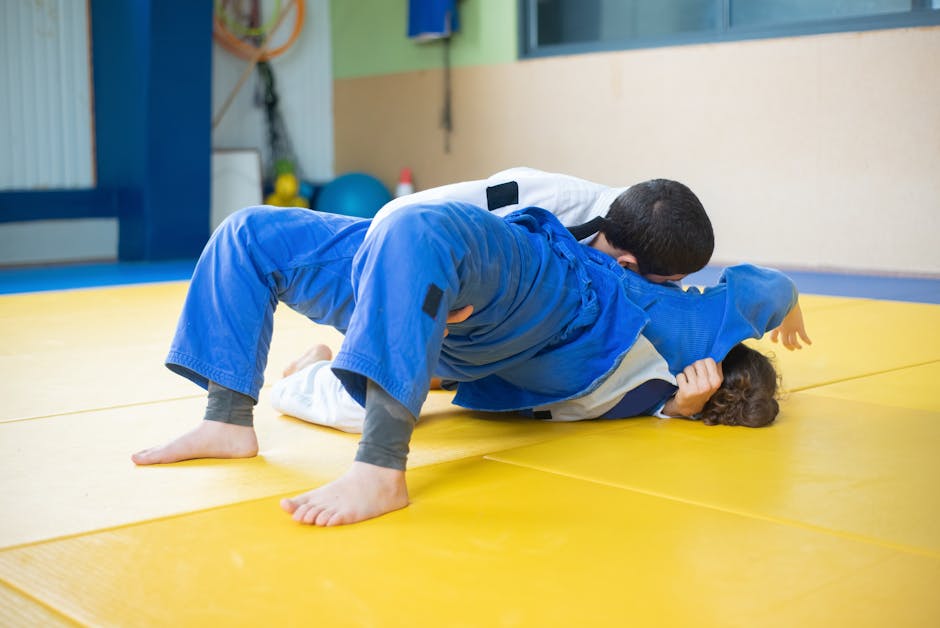
Once you've drilled the double and single leg, these moves will level up your game:
- Low Single: Similar to the single leg, but you grab lower on the leg (near the ankle) and shoot lower yourself. Great for pulling their base out from under them.
- Ankle Pick: A sneaky move where you grab one ankle with both hands and jerk it up while stepping to the side. Fast and effective against opponents who stand upright.
- Lapel Drag: Grab their lapel and drag them forward and down. Simple setup that flows naturally into a takedown once they're off balance.
The reason these work is the same reason the basics work: you're disrupting their balance and controlling a key part of their body before the takedown happens. Setup is everything.
How to Practice Takedowns Safely
Takedowns look intense, but they should never feel dangerous when you're drilling with a training partner.
Before you start any takedown drills, talk to your partner. Tell them if you're nervous about anything. Good partners will adjust their intensity and help you learn at your pace. There's no shame in asking for a slower, lighter drill.
Pay attention to six key safety factors when evaluating a takedown:
- Back exposure: Can your partner land hard on their back or tailbone?
- Neck exposure: Is their neck at risk of being bent awkwardly?
- Belt exposure: Will their hips or belt line hit the ground badly?
- Weight exposure: Is all your weight crushing them without control?
- Head placement: Where will their head go when they fall?
- Arm protection: Can they protect their arms, or will they fall on them?
If any of these feels wrong, adjust your technique or ask your partner to tap. The goal is to build confidence and skill, not to prove how hard you can throw someone.
Communication is the most important part of safe training. If your partner is uncomfortable, they should say it. If you're nervous about how someone is drilling, speak up. Everyone grows and learns best when everyone feels safe on the mat.
Setting Up Your Takedown Game
The most effective takedown is one that fits your body and your style. A taller person might love the ankle pick. Someone with strong legs might prefer the double leg.
Start by practicing one or two takedowns really well instead of trying to learn everything at once. Drill the setup, drill the actual takedown, drill what happens after. Repetition builds muscle memory.
Chaining takedowns together is where things get exciting. After you hit a double leg, if they start to base out, you already know a single leg. After a lapel drag, you might flow into an ankle pick. The more takedowns you know, the more options you have when the first one doesn't work perfectly.
Want hands-on feedback on your takedown technique? Gonzales JJ specializes in breaking down the fundamentals and helping you develop a takedown game that works for you.
Start your BJJ journey off (Free Class)
Get Started Today →Takedown Drills to Build Your Game

Here are some drills you can do to get better:
- Footwork Drill: Stand facing your partner. Step forward, drop low, step back. No grabbing yet. Just feel the movement and timing.
- Grip Drill: Practice getting your grips without actually taking them down. Get comfortable with where your hands go.
- Slow Motion Drill: Do the entire takedown at half speed with a cooperative partner. Feel every step.
- Live Takedown Drill: Your partner actively defends. You try to complete the takedown. Stop once they're down or they've defended successfully.
Start with slow drills and work up to faster, more realistic ones. Your body needs time to understand the movement before you add speed and resistance.
Common Takedown Mistakes
Here are things that trip people up:
- Reaching with your arms instead of dropping your level.
- Shooting from too far away.
- Letting go once they're falling instead of staying heavy and controlling them.
- Forgetting to breathe. Tension makes takedowns feel harder.
- Trying to learn too many takedowns at once.
Most of these get fixed by drilling slowly and paying attention to what's actually happening in your body. Watch yourself in a mirror if you can. Ask your instructor for feedback. Small adjustments make huge differences.
When You're Not Sure How to Progress
Takedowns can feel weird at first, especially if you've only drilled bottom position or guard work before. Standing up and throwing your weight around takes confidence that you build with practice and good instruction.
If you're feeling stuck on your takedown game or you want to work with someone who can spot what you're missing, that's exactly what personalized instruction is for. Gonzales JJ teaches takedown technique with an emphasis on safety and getting you comfortable standing up.
Key Takeaways
Jiu jitsu takedowns are a learnable skill that opens up your game on the mat. The most effective ones are the double leg, single leg, low single, ankle pick, and lapel drag. Start with one or two and drill them until they feel natural.
Always prioritize safety by communicating with your partner, evaluating the six safety factors, and starting slow. Chain your takedowns together so you have backup options when your first attempt doesn't land perfectly.
Practice the setup before the finish. Drop your level before you grab. Keep your weight heavy after they're down. Small details compound into a solid takedown game.
What's the easiest takedown to learn first?
The single leg takedown, especially with a Judo grip on the collar, is one of the highest-percentage moves for beginners. It gives you control on top and it's hard for opponents to sprawl when their upper body is committed to defending the collar grab.
How do I know if a takedown is safe?
Check for back exposure, neck exposure, belt exposure, weight exposure, head placement, and arm protection. If your partner feels uncomfortable or you're landing hard, adjust your technique. Always start slow and build speed over time.
Can I practice takedowns if I'm nervous about them?
Absolutely. Tell your training partner you're nervous and ask them to adjust the intensity. A good partner will work with you at a pace that builds your confidence. There's no timeline on learning—everyone progresses at their own speed.
Should I chain multiple takedowns together?
Yes. Chaining takedowns gives you backup options. If they start to defend the first one, you're already moving into the second. The more takedowns you know, the more tools you have to stay on top and keep control.
Start your BJJ journey off (Free Class)
Get Started Today →