
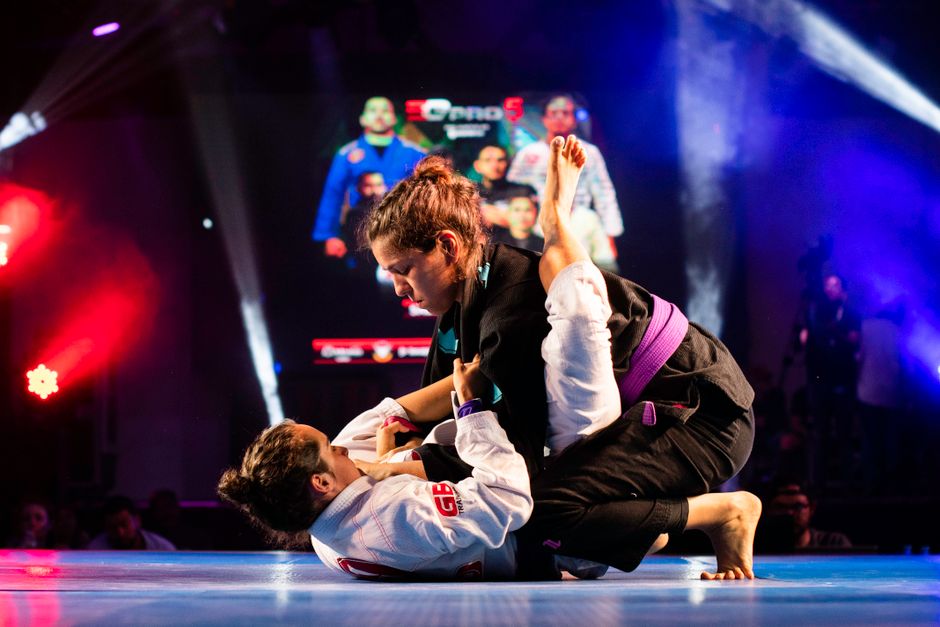
The Kimura is a double wristlock shoulder submission that forces your opponent's arm into internal rotation by driving it away from their head. It's one of the most fundamental and effective submissions in Brazilian Jiu-Jitsu, works at every belt level, and once you understand the mechanics, you'll spot it everywhere on the mat.
If you're new to BJJ or looking to add this move to your arsenal, this guide breaks down exactly how to set it up, execute it, and finish it with control. Whether you're training for competition or just building solid fundamentals, the Kimura is non-negotiable.
What Is the Kimura in Jiu-Jitsu?
The Kimura is a shoulder lock submission, not an arm lock. The difference matters. Instead of attacking the elbow joint like an armbar, the Kimura targets the shoulder by forcing internal rotation. Your opponent's arm gets trapped in a Figure-4 grip that puts extreme pressure on the shoulder joint and rotator cuff.
The submission gets its name from Masahiko Kimura, a legendary judoka who famously used this technique. In judo it's called gyaku ude-garami. In BJJ, it's simply the Kimura, and it's a staple of the fundamentals curriculum.
Don't confuse it with the Americana (also called the Keylock). Both are shoulder locks, but they use different mechanical setups and apply pressure differently. Once you drill both, the distinction becomes obvious.
Where You Can Apply the Kimura
The Kimura isn't limited to one position. That's what makes it so valuable. You'll hit it most often from side control, but you can also catch it from the guard, mount, and transitional positions.
Side Control: This is the primary position. Your opponent is flat on their back, you're perpendicular to them with pressure on their chest and head. From here, the Kimura flows naturally.
Guard: When you're on your back, you can trap your opponent's arm and work the Kimura from guard position. It takes more precision, but it's definitely possible.
Transitional Positions: Sometimes you'll catch a loose arm when you're moving between positions. If you recognize the setup quickly, you can lock it up fast.
The beauty of understanding Gonzales JJ's approach to systematic technique is that once you learn the core mechanics, you'll recognize these opportunities everywhere.
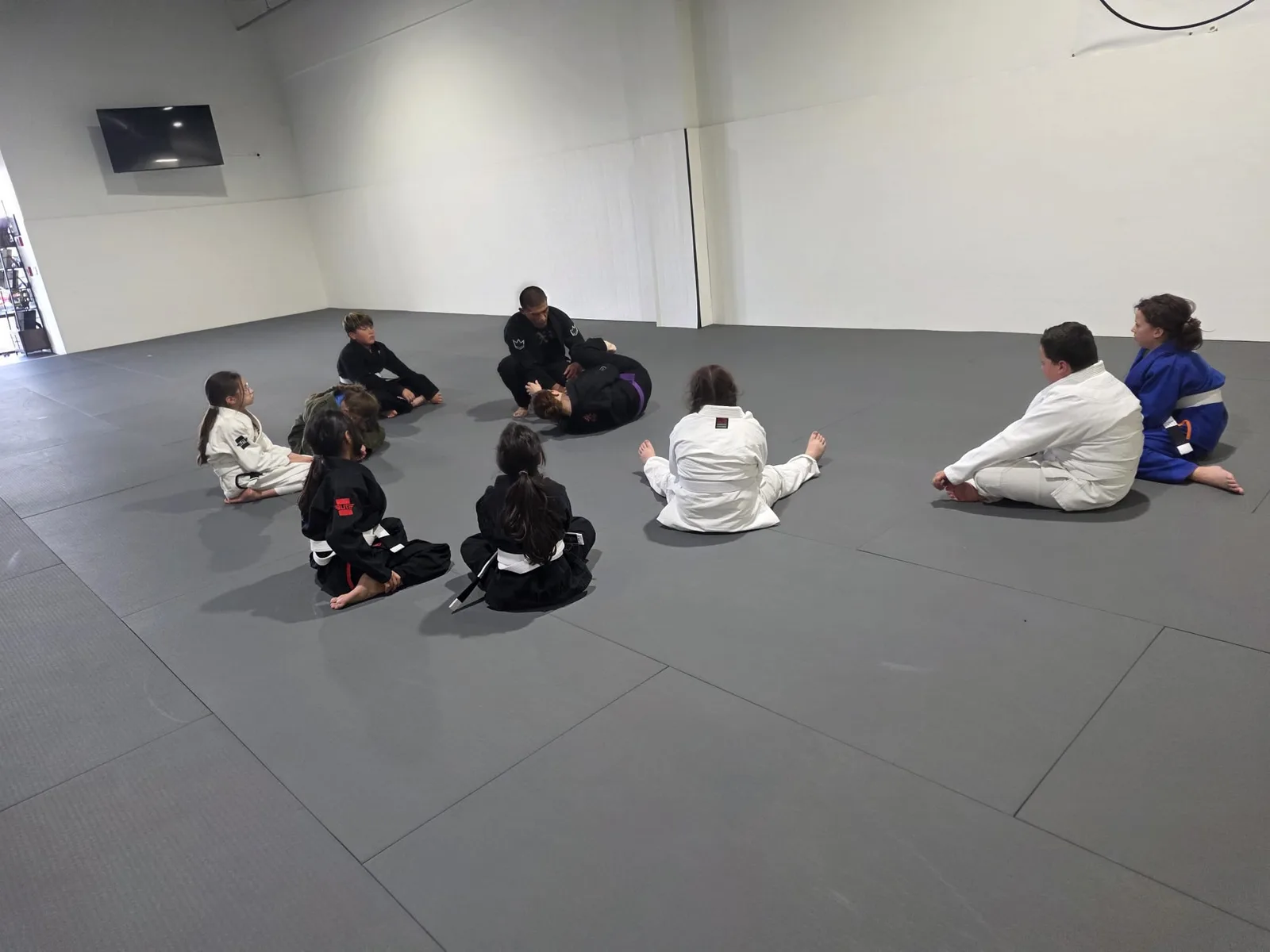
Step-by-Step: How to Execute the Kimura From Side Control
This is the cleanest, most common setup. Master it first.
Step 1: Establish Side Control
You're on top of your opponent's right side. Your hips are low and pinned to theirs. Your upper body is perpendicular, with your head past their head (not looking directly at them). Your weight is distributed—you're controlling, not just laying.
Step 2: Trap the Arm
Your opponent's right arm is exposed. Reach your left arm under their right armpit and clasp your hands together around their back. This traps their arm close to their body. Their right arm can't escape.
Step 3: Underhook and Create Space
With your right arm, underhook their right arm from the inside. Now you have their arm sandwiched. Your right hand reaches across and grabs your own left wrist (or left hand if you have the flexibility). You're creating the base of the Figure-4.
Step 4: Lock the Figure-4
Curl your right arm back, rotating your elbow upward. Their right arm is now trapped in a Figure-4 grip. At this point, you have control, but you're not applying submission pressure yet.
Step 5: Posture Up and Apply Pressure
Here's where most people make the mistake. You can't stay flat and expect the submission to work. You need to drive your hips back and slightly toward their head. Your upper body should rise. This rotation creates the pressure that forces their shoulder into internal rotation.
As you posture up, pull their arm toward you with the Figure-4 grip. Their elbow stays close to their ribs. The pressure climbs through the shoulder.
Step 6: Finishing Pressure
Once the grip is locked and your posture is correct, small adjustments matter. Pull their arm slightly across their body. Keep your weight centered. The submission is about precision, not just brute force.
If your opponent is still resisting, you can intensify by rotating your body slightly more, or by pulling their arm tighter into the Figure-4.
Common Mistakes That Kill Your Kimura
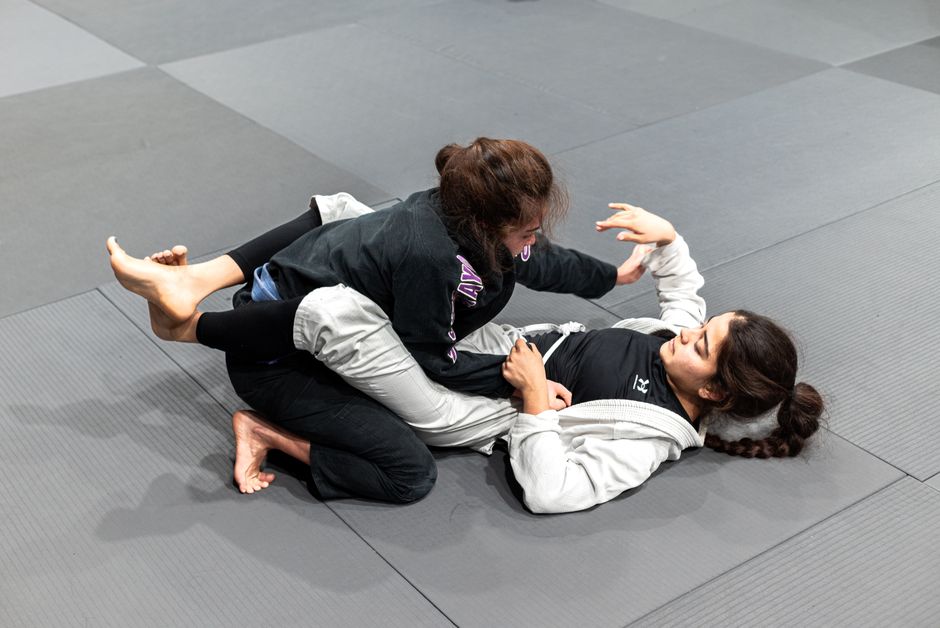
You set it up clean, but the tap never comes. Here's why:
Staying Flat: The number-one mistake. If you're flat on your opponent, the pressure won't translate to their shoulder. You have to posture up and rotate your hips back. This is the system.
Loose Grip: If your Figure-4 isn't tight, they escape. Your hands need to be locked, and your elbows need to stay connected to your body. No gap.
Not Isolating the Arm: If their arm is loose or moving around, the submission won't finish. Get that arm trapped first. Control before pressure.
Applying Pressure Too Early: Beginners sometimes crank before they have the position locked down. Your opponent taps before you're secure, or they escape. Get the mechanics right, then increase pressure gradually.
Wrong Angle: The pressure has to come from rotating their arm into internal rotation. If you're just squeezing without the right angle, it feels weird to them, not painful. Angle matters.
Kimura From Guard: A Different Angle
You're on your back. Your opponent is in your guard. They post their hands to posture up. Their right arm is extended. This is your window.
Grab their right wrist with both hands and pull it across your body toward your left hip. Trap their arm between your body and your legs. Your right leg hooks their right arm from the outside.
Now underhook with your left arm and lock the Figure-4 like you would from side control. The pressure comes from pulling their arm down and rotating their shoulder. From guard, it's tighter and requires more control, but once you get it locked, your opponent is in trouble.
This variation is especially useful because your opponent can't easily posture up or create space. You're using your legs as an anchor.
Training the Kimura as a System
The Kimura isn't just a move to memorize. It's a system. You learn the entry, the grip, the pressure points, the escapes, and the transitions. Real training means drilling this with partners at different levels—slow rolls, technical sessions, and live rolling.
When you're learning at Gonzales JJ or any solid academy, you'll spend weeks on this single technique. That's not wasted time. That's precision training. Every detail you nail now saves you from relearning it later.
Start your BJJ journey off (Free Class)
Get Started Today →Start with slow, controlled repetitions. Your partner doesn't resist hard. You focus on the setup, grip, and finish. Once you've drilled it dozens of times, you add resistance. Your partner tries to escape. You learn to adjust. After that, you use it in live rolling.
This progression builds confidence and competence.
Why the Kimura Works at Every Belt Level
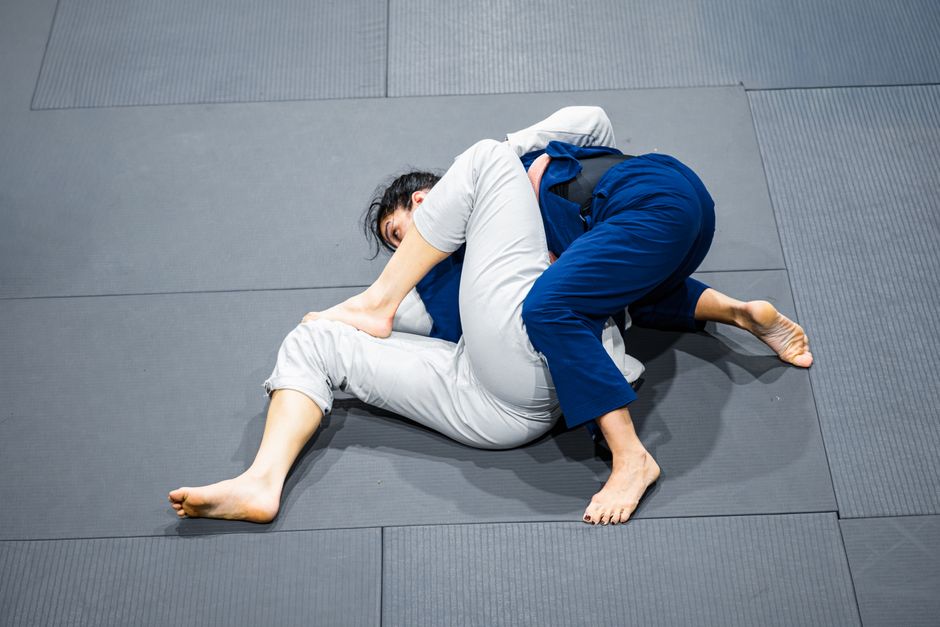
A white belt can catch a Kimura on another white belt. A brown belt can catch a Kimura on a black belt. It's not about strength or athleticism—it's about positioning and leverage.
The shoulder joint has limited range of motion compared to other joints. Once you trap it in the right angle, there's nowhere for it to go. Gonzales JJ teaches that this mechanical advantage is what makes fundamentals so valuable. You don't need to be stronger. You just need to be smarter.
For blue belts and above, the Kimura becomes a setup for other submissions and transitions. You start the Kimura, your opponent defends by rolling or adjusting, and you're already flowing into your next attack. It's not always about finishing the submission—it's about controlling the position and creating opportunities.
Defenses and Escapes Your Opponent Will Try
As you get better at the Kimura, your opponents will develop defenses. Knowing what's coming helps you adjust.
The Roll Escape: Your opponent will try to roll forward or toward their trapped arm to relieve pressure. You have to control their body and prevent the roll. Your weight and hip positioning matter here.
Arm Drag: They'll try to pull their arm free before you lock the Figure-4. This is why a quick transition to the grip is essential.
Shoulder Turn: If they turn their shoulder toward you, it changes the angle and can relieve pressure. You have to anticipate this and adjust your posture or grip.
The best defense is understanding these escapes beforehand. When you drill against skilled partners, you'll feel them try each defense, and you'll learn to counter them.
Building Your Submission Game Beyond the Kimura
The Kimura is the foundation. Once you own it, you start combining it with other submissions and transitions. From a failed Kimura, you might flow into an Americana, a neck crank, or a leg lock. Your submission vocabulary grows because you understand the mechanics of shoulder control.
Every technique you learn in BJJ is connected. The Kimura teaches you how to isolate a limb, apply pressure through leverage, and transition when your opponent defends. These principles apply everywhere.
If you're serious about building a complete submission game, focus on getting the fundamentals rock solid first. The Kimura is one of those fundamentals that will pay dividends for years.
Questions About the Kimura Jiu-Jitsu Move
Is the Kimura dangerous?
Any shoulder lock carries injury risk if applied incorrectly or with excessive force. The Kimura is considered a higher-level submission because the shoulder joint is complex. In a controlled training environment with proper tap protocols and drilling progression, the risk is minimized. Always train with partners you trust, tap early and clearly, and never ignore a tap.
Can you do a Kimura from standing in BJJ?
Technically yes, but it's rare and difficult. Most Kimura setups happen on the ground where you have control of the position and can apply pressure safely. Standing variations exist in judo and catch wrestling, but in BJJ sport rules, you'll see it overwhelmingly from side control or guard.
What's the difference between a Kimura and an Americana?
Both are shoulder locks, but they attack from different angles. The Americana (or Keylock) uses a Figure-4 grip but applies pressure by driving the hand toward the opponent's hip. The Kimura applies pressure by rotating the arm into internal rotation. They look similar but require different positioning and pressure application. Learning both gives you options.
How long does it take to learn the Kimura?
You can learn the basic mechanics in one or two classes. Drilling it technically takes weeks. Using it effectively in live rolling takes months or longer. This is normal. Every submission in BJJ has a learning curve, and the Kimura is worth the investment.
Start your BJJ journey off (Free Class)
Get Started Today →