
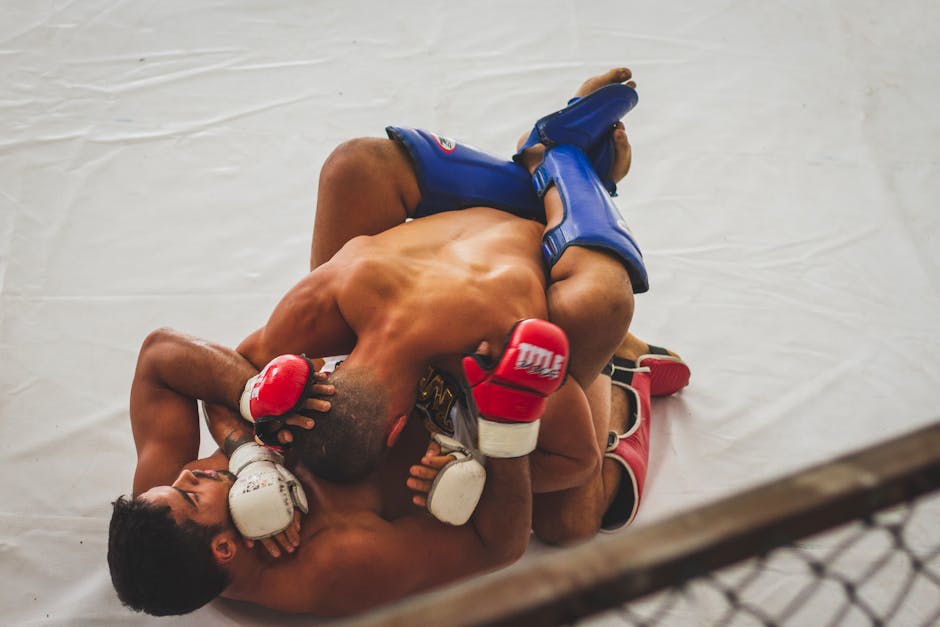
If you're training Brazilian Jiu-Jitsu in Rio Rancho or anywhere in the Albuquerque metro, you've probably heard the stories about cauliflower ear. It's real. It happens fast. And the best part? It's completely preventable with the right gear.
Here's the honest truth: your ears take a beating during grappling. The friction, the compression, the constant pressure from collar ties and head control—it all adds up. Without protection, fluid can build up inside your ear cartilage, and if you don't drain it properly, you're looking at permanent deformation. But if you invest in quality Brazilian Jiu Jitsu ear guards now, you'll roll confidently knowing your long-term ear health is protected.
Related: Best Brazilian Jiu Jitsu Gi: What to Know Before You Buy
Related: Best Jiu Jitsu Self Defense in Rio Rancho, NM
Related: Best Jiu Jitsu Training in Rio Rancho, NM – Family-Focused BJJ
Related: Best Kids Jiu Jitsu Gi Cheap in Rio Rancho, NM
Related: Best Jiu Jitsu Gi for Beginners in Rio Rancho, NM
Related: Best Brazilian Jiu-Jitsu for Beginners in Rio Rancho, NM
Related: Best Kids Jiu Jitsu Gi for Sale in Rio Rancho, NM
Why You Need Ear Guards for BJJ
Cauliflower ear isn't just a cosmetic issue—it's a sign of cumulative trauma to the auricular cartilage. Research shows that grappling athletes can develop the condition within the first few weeks of training if they skip protective headgear. And once it sets in, there's no easy fix without medical intervention.
The good news? Wearing proper ear guards during every rolling session prevents this almost entirely. Think of it like a seatbelt for your ears. You wouldn't skip that safety feature, and you shouldn't skip this one either.
Whether you're a beginner just starting out at a gym in Rio Rancho or a competitor preparing for tournaments around Albuquerque, ear protection is non-negotiable. At Gonzales JJ, we emphasize building champions on and off the mat—and that includes protecting the body you're training hard to develop.
Start your BJJ journey off (Free Class)
Get Started Today →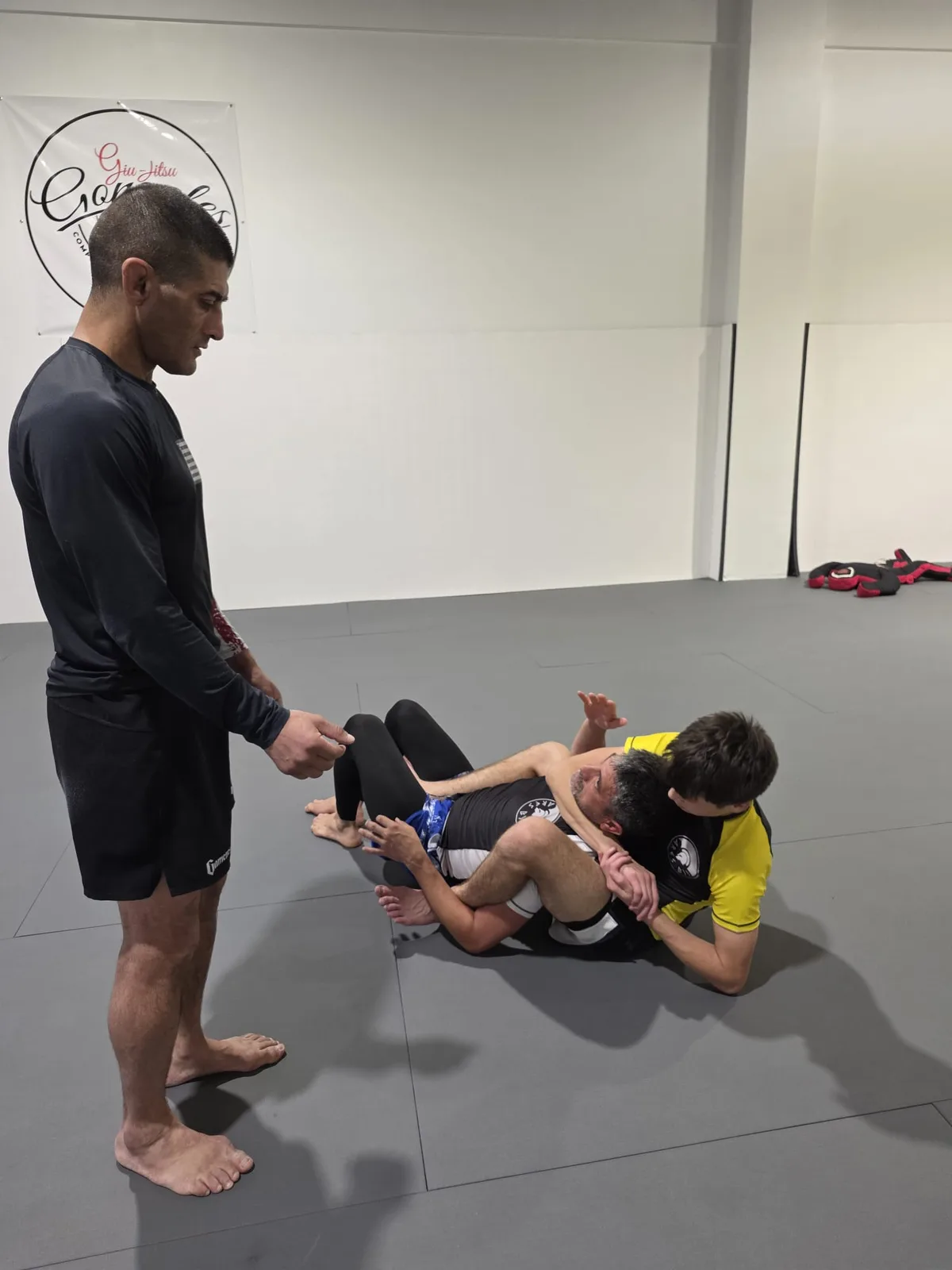
What to Look For in Quality BJJ Ear Guards
Not all headgear is created equal. When you're shopping for ear guards, focus on these key features:
- Soft Yet Durable Construction: You want padding that absorbs impact without feeling like you're wearing a brick on your head. The material should compress slightly but hold up through hundreds of rolling sessions.
- Low-Profile Design: Bulky headgear gets in the way of your movement and your opponent's grips. Look for streamlined options that protect without adding unnecessary weight or interference.
- Reinforced Stitching: Quality ear guards have triple-stitched seams that won't come apart after your first month of training. Check the stitching along the chin strap and ear cups.
- Padded Chin Strap: A secure fit is everything. The chin strap needs enough padding to stay comfortable during extended wear, and it should be adjustable so you can dial in the perfect fit.
- Storage and Care Bags: Good manufacturers include protective bags for storage and washing. This extends the life of your gear and keeps it fresh between sessions.
Wrestling and rugby headguards work well for BJJ grappling too. The mechanics are similar enough that crossover gear is effective. The key difference is that BJJ-specific designs account for collar tie pressure and head control positions unique to the sport.
Top Ear Guard Options for Rio Rancho Grapplers
Here's what works for athletes training in and around Rio Rancho:
Specialized BJJ Headgear: Brands that focus exclusively on jiu-jitsu have engineered their ear guards specifically for grappling. These offer the best balance of protection, comfort, and durability. They're typically mid-range in price but last longer and perform better than generic options.
Wrestling Headgear: If you want a reliable, affordable option that's proven across multiple grappling sports, wrestling headgear is your answer. The design philosophy translates well to BJJ rolling, and you'll find solid quality at entry-level prices.
Rugby Headgear: Similar protective coverage to wrestling gear, with slightly different padding placement. Both work for jiu-jitsu; choose based on fit and comfort preference.
The smartest move? Visit a local gym where you can see and feel the options in person. Coaches at Gonzales JJ work with athletes every day and can point you toward gear that's proven effective in real training situations.
How to Care for Your Ear Guards
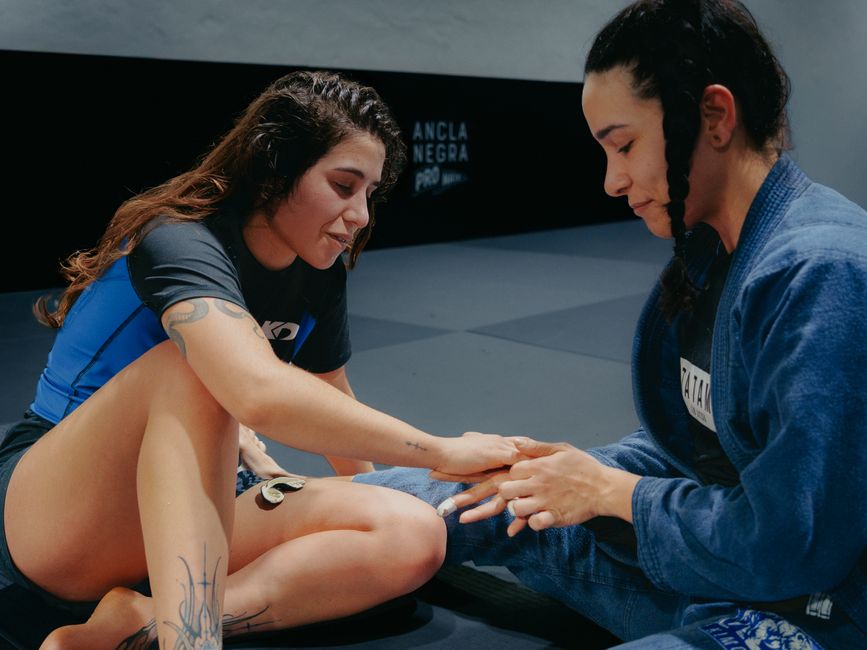
Once you've invested in quality protection, keep it working for you:
- Wash after every session or at least twice a week. Sweat and bacteria buildup degrades the material and creates odor.
- Air dry completely before storing. Moisture trapped inside leads to mold and breakdown of padding.
- Store in a cool, dry place. Direct sunlight and heat accelerate deterioration of synthetic materials.
- Inspect seams and padding regularly. If stitching comes loose or padding compresses unevenly, it's time to replace.
What to Do If Your Ears Get Hurt
Even with headgear, sometimes your ears take a shot. Here's the protocol:
Stop rolling immediately. Continuing to train on injured ears compounds the damage. Take at least 2 days off from rolling to allow recovery. Ice the affected area after training sessions to reduce inflammation and swelling.
If you notice fluid buildup or persistent pain, see a doctor. Early intervention prevents permanent damage. Many first responders and active professionals in the Rio Rancho area train at Gonzales JJ, and they know that preventive healthcare is part of the athlete's toolbox.
Building Your Complete Protection Strategy
Ear guards are just one piece of smart injury prevention. Combine them with proper warm-up, controlled rolling intensity, and listening to your body. Most experienced grapplers treat their ears the same way they treat their knees and neck: with respect and consistency.
The athletes who thrive long-term in BJJ aren't the ones who train the hardest. They're the ones who train the smartest. That means investing in gear early, wearing it every single session, and building sustainable habits that keep you healthy for years to come.
If you're training in Rio Rancho, Kirtland, Bernalillo, or anywhere within 15 miles, the team at Gonzales JJ can guide you through the process of selecting and maintaining gear that works for your training style. Founded by world-champion competitors, our gym focuses on building winners both on and off the mat—and that starts with smart injury prevention.
Common Questions About BJJ Ear Guards

How quickly can you get cauliflower ear from BJJ?
It varies by individual, but documented cases show cauliflower ear developing within the first few weeks of training, especially if you're rolling frequently without protection. Some athletes are more susceptible than others due to ear shape and skin sensitivity. Regardless of your risk level, medical research confirms that preventive gear is the most effective strategy. Don't wait to see if you're one of the lucky ones.
Can you wear regular headgear for BJJ, or do you need specialized ear guards?
Regular wrestling or rugby headgear works fine for jiu-jitsu. The grappling mechanics are similar enough that crossover gear provides adequate protection. That said, BJJ-specific designs account for unique pressure points like collar tie pressure and head control positions. If you already own wrestling headgear, start with that. If you're buying new gear, consider a specialized BJJ option for optimized comfort and protection.
How often should you replace ear guards?
Quality ear guards last 12 to 18 months with regular training and proper care. Replace them sooner if stitching comes loose, padding compresses unevenly, or the chin strap no longer stays secure. Think of it like replacing your gi or rashguard. Protective gear degrades with use, and worn-out protection is almost as bad as no protection.
Should you wear ear guards during all rolling or just hard rolling?
Wear them during every rolling session, including light drilling and positional work. Cauliflower ear develops from cumulative friction and pressure, not just intense rolling. Even a relaxed roll with a training partner can contribute to the problem if you skip protection. Make it a habit: gear on before you step on the mat, every single time.
Start your BJJ journey off (Free Class)
Get Started Today →