
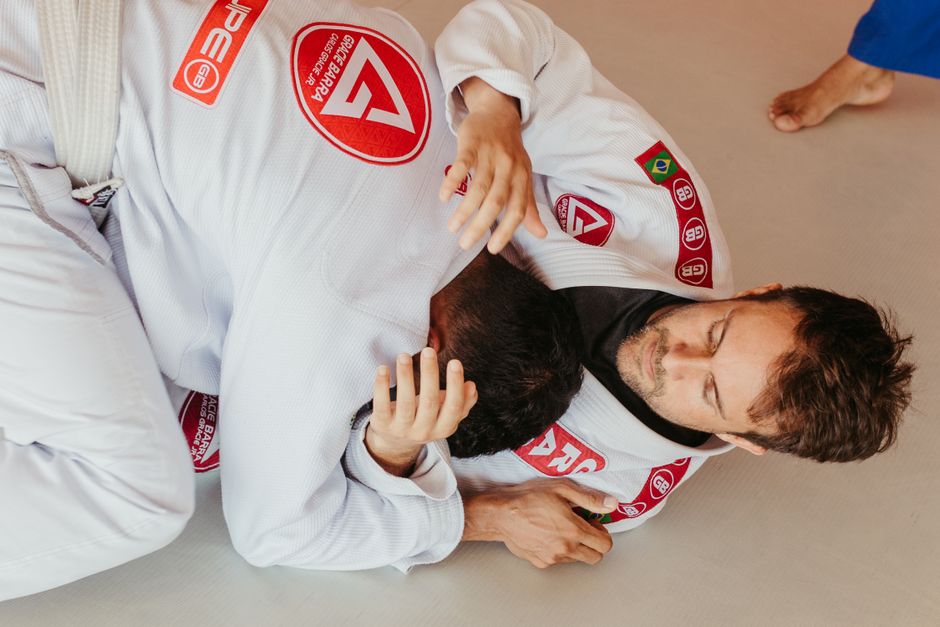
Looking for the best Brazilian Jiu Jitsu gi? The short answer: you want something lightweight, durable, and true-to-size that fits your training style and budget.
But there's more to picking a gi than just grabbing the cheapest option online. Your gi is basically your uniform for the mat—it needs to move with you, hold up through months of rolling, and feel comfortable whether you're drilling techniques or competing. Let's break down what actually matters when you're shopping for one.
What Makes a Quality BJJ Gi
A solid gi comes down to a few core things: the material, the weave, the fit, and how well it's constructed.
Material and Weave. Most gis are made from cotton, sometimes with a blend of other fibers. The weave is what determines how heavy and durable the gi is. A lightweight gi (around 170 GSM—that's grams per square meter) will be more comfortable for training and feel less restrictive. Heavier weaves are more durable but can feel bulky and hot during intense rolling.
For most people, a lightweight gi strikes the right balance. You get good durability without feeling like you're wearing a stiff blanket.
Fit and Sizing. A gi that fits true-to-size is essential. Too loose and your opponent can grab fabric easily. Too tight and you'll rip seams or feel restricted. Most quality brands stick to standard sizing, so if you know your usual size, that's where you start.
Stitching and Seams. Check the stitching quality before you buy. Double-stitched seams are more likely to survive the wear and tear of regular training. Pay special attention to the collar, sleeves, and pant inseams—those take the most abuse.
Lightweight Gis for Comfort and Performance
If you're training regularly, a lightweight gi is your friend. Here's why.
When you're drilling or sparring multiple times a week, a lighter gi keeps you cooler and moves more naturally with your body. You'll notice the difference when you're trying to chain techniques together or escape from bottom position. The gi won't feel like it's fighting against you.
Lightweight options typically range from 150 to 180 GSM. At that weight, you still get solid durability—these aren't flimsy gis that fall apart after a few months. But they're responsive and comfortable enough that you'll actually want to wear them.
One popular lightweight choice in the market is the Gold BJJ AeroWeave Gi, which sits at around 170 GSM and is known for fitting true-to-size and holding up well over time. It's a solid example of what a good lightweight gi looks like.
Budget-Friendly Options That Don't Sacrifice Quality
You don't need to spend a fortune to get a decent gi.
Quality brands like Fuji, Tatami, Kingz, Hyperfly, and Hayabusa all make solid gis at various price points. You can find a reliable gi in the $100 to $150 range that will last you a long time if you take care of it.
When you're looking at price, remember that a cheaper gi isn't always a bad investment—but the cheapest option usually means cutting corners on stitching or material quality. Aim for mid-range brands with solid reviews instead of hunting for the absolute lowest price.
When you're ready to start training and want expert guidance on which gi might work best for your body type and training goals, Gonzales JJ can point you in the right direction based on what's working for our community.
Start your BJJ journey off (Free Class)
Get Started Today →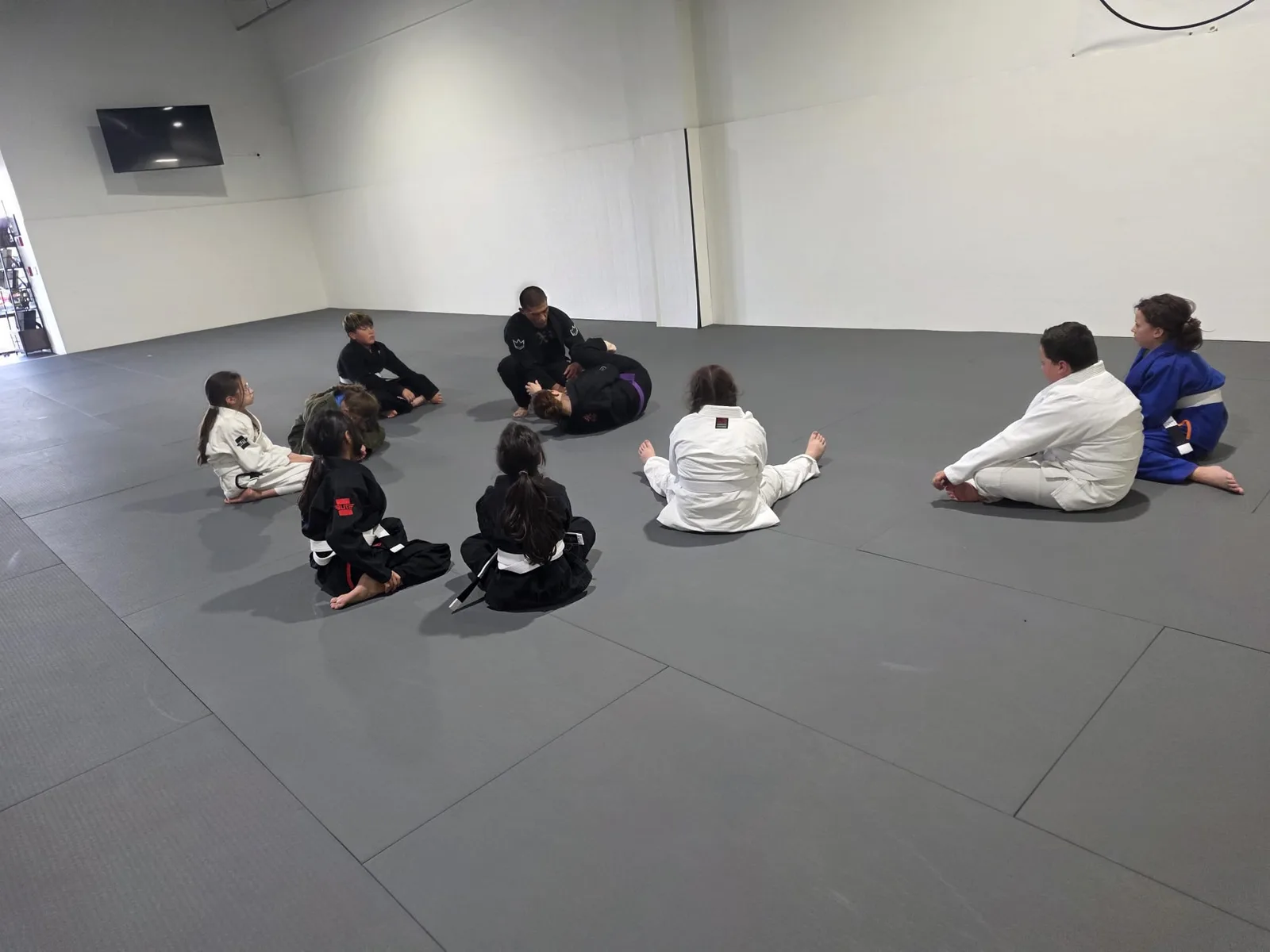
Training Gi vs. Competition Gi

Here's a pro tip: consider having more than one gi.
A training gi is what you wear for regular classes and rolling sessions. You want it to be durable and comfortable, but it doesn't need to be competition-legal or pristine. Rotate between two or three training gis so they have time to dry fully and last longer.
A competition gi is different. It has to meet specific IBJJF (International Brazilian Jiu-Jitsu Federation) regulations on weight, size, and color. If you're planning to compete, you'll need a gi that's officially approved. But if you're just training for fitness, self-defense, or to be part of a community, a regular training gi is all you need.
How to Care for Your Gi So It Lasts
A quality gi will last years if you treat it right.
Wash your gi in cold water after every training session. Hot water can cause shrinkage and fade the color. Air dry whenever possible—throw it in the dryer and you risk damaging the material and speeding up wear on the seams. Use a mild detergent and avoid bleach.
Most gis will shrink a little bit when you first wash them, so that's normal. After the first few washes, they should stabilize.
If you notice a small tear or loose seam early, get it fixed before it gets worse. A quick repair can add months or years to your gi's life.
Picking the Right Gi for Your Skill Level
Here's the thing: whether you're a complete beginner or someone training for years, the same quality standards apply.
As a beginner, you don't need anything fancy. A comfortable, durable lightweight gi is perfect while you're learning the fundamentals. As you advance and maybe start thinking about competition, you can invest in a competition-legal gi or explore brands that match your training style.
The best gi is the one that fits your body, feels good during training, and matches what you actually plan to do with it. If you're training casually with your family or kids, a basic quality gi works great. If you're competing or training intensively, you might want to upgrade.
Wherever you're starting from, finding the right gi matters—and so does finding the right training environment. Gonzales JJ brings together people from all levels who are serious about learning BJJ the right way.
Key Things to Remember When Shopping
Before you click buy, run through this quick checklist:
- Lightweight (150-180 GSM) is usually the sweet spot for comfort and durability
- True-to-size fit matters—check the sizing chart before ordering
- Look for double-stitched seams, especially around the collar and sleeves
- Budget $100-150 for a quality gi from an established brand
- Air dry always; cold water wash every time
- Consider having two training gis so one is always clean and dry
Most importantly, don't overthink it. A solid lightweight gi from any reputable brand will serve you well. Focus on fit and durability, and you'll be happy on the mat.
Finding Your Training Home
Picking the right gi is one part of the equation. The bigger piece is finding a place where you actually want to train.
Whether you're interested in learning proper technique, building confidence, getting competitive experience, or training alongside your family, the gym you choose matters just as much as the gear you wear. Look for a community-focused academy where instructors care about teaching you the fundamentals and helping you grow both on and off the mat.
What weight gi should a beginner buy?
A lightweight gi (around 170 GSM) is perfect for beginners. It's comfortable during long training sessions, moves naturally with your body, and still holds up well through regular use. You don't need anything heavier or more expensive when you're just starting out.
Do all gis shrink?
Most gis will shrink a little bit after the first few washes, especially if the fabric is 100% cotton. That's why checking the sizing chart and reading reviews about fit is important before you buy. Some brands account for this and run their sizing slightly larger. Always air dry to minimize shrinkage.
How often do I need to replace my gi?
With proper care—cold water washing and air drying—a quality gi can last 2-3 years or more of regular training. If you're training 4-5 times a week, rotating between two or three gis will make them last even longer. Most people replace their gi when the stitching starts coming loose or tears become frequent, not because the material wears out.
Can I use the same gi for training and competition?
Technically yes, if your training gi is IBJJF-approved and in good condition. But most serious competitors keep a separate competition gi that stays clean and reserved for matches. Your training gi takes a beating and might have small marks or damage that looks less sharp on the mat. Having both gives you flexibility and keeps your competition gi in top shape.
Start your BJJ journey off (Free Class)
Get Started Today →