
Jiu jitsu classes typically cost between $15 and $30 per drop-in session, or around $100 to $200 per month for unlimited membership. But here's the thing: your actual cost depends on where you train, what level you're at, and what you're looking for. Let me break down the real numbers so you can figure out what fits your budget.
What You'll Actually Pay for Jiu Jitsu Classes
Most academies across the country charge somewhere in the $120 to $200 range for a monthly unlimited membership. That's your baseline. If you're in a big city like New York or LA, expect to pay more—we're talking $200 to $350 per month. If you're in a smaller market, you might find memberships closer to $100 to $140.
The sweet spot for most people? Around $140 to $160 per month. That gets you unlimited classes, which means you can train as much as you want without worrying about hidden fees.
When you're first checking out a gym, you don't have to commit right away. Most places let you drop in for a single class at $15 to $30. It's a low-risk way to test the vibe, meet the instructors, and see if the gym is actually a good fit for you and your goals. Think of it as a trial run before you sign anything.
Breaking Down Different Types of Jiu Jitsu Pricing
Not every jiu jitsu program costs the same thing. Here's what you need to know:
- Single drop-in classes: $15–$30. Perfect for testing a gym or fitting in extra training when you're traveling.
- Monthly unlimited membership: $120–$200. Train as many times per week as you want with no class limits.
- Kids programs: $90–$160 per month. Many academies charge slightly less for children's classes, though some high-end programs price them the same as adult classes.
- Private lessons: $60–$150 per session. One-on-one instruction with a coach. Great for targeting specific techniques or accelerating your progress.
- Class packages: Some gyms offer 4-class or 8-class punch cards at a middle price point between drop-in and unlimited.
Here's a pro tip: if you're serious about jiu jitsu but worried about cost, ask about Gonzales JJ or other academies in your area about first responder discounts or military pricing. A lot of gyms offer 10-20% off for law enforcement, firefighters, and veterans.

What Affects the Price of Your Classes
Your location is the biggest factor. A gym in Manhattan charges way more than one in Rio Rancho, New Mexico. Urban markets have higher rent, higher instructor salaries, and more competition for premium pricing.
The gym's reputation and the coaches' credentials matter too. If your instructors are world champions or have impressive competition records, you'll likely pay more. And honestly, that makes sense. You're paying for expertise and results.
Facility quality plays a role. A gym with multiple mats, showers, locker rooms, and a strong community vibe usually costs more than a smaller operation. But more expensive doesn't always mean better. Sometimes a no-frills garage gym has the best instruction in your area.
The type of program also changes the cost. A kids' program focused on self-defense and confidence-building might be priced differently than an elite competition team. A family-focused academy like Gonzales JJ that builds winners on and off the mat might offer different packages than a purely competition-focused gym.
Start your BJJ journey off (Free Class)
Get Started Today →How to Get the Best Value for Your Money
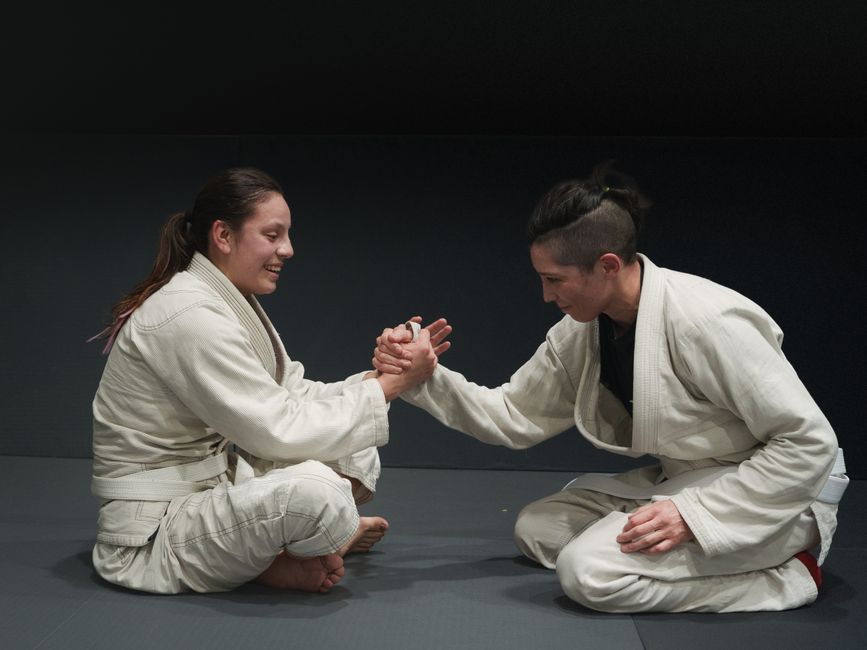
Start by trying a drop-in class. Seriously. Spend $20 to $30 and see if you like the environment, the instruction, and the people. A lot of beginners waste money on memberships at gyms that aren't right for them.
Related: Jiu Jitsu World League Weight Classes Explained
Related: Best Jiu Jitsu Classes Cost 2026: Top 5 Gyms Ranked
Related: Best Female Jiu Jitsu Classes 2026: Top 5 Programs Ranked
Ask about introductory rates. Some academies offer first-month specials at 50% off or even free trial weeks. It's worth asking.
Consider your training frequency. If you can only realistically train twice a week, paying $150 a month for unlimited might not be the best move. Look for class packages or a shorter-term commitment first.
Check what's included. Some gyms throw in extra perks like open mat times, workshop sessions, or competition prep classes. Others keep it simple with just the basic classes. Make sure you know what you're paying for.
Don't forget to factor in travel time and convenience. The cheapest gym an hour away might cost you more in gas and frustration than a gym five minutes from your house. Location matters.
Special Pricing Options Worth Knowing About
Some academies offer family plans where multiple family members get a discount. That's huge if you're bringing your kids and want to train together. Gonzales JJ focuses on family-friendly training, which is worth considering if your whole household wants to build confidence and learn discipline together.
Annual memberships sometimes come at a discount compared to paying month-to-month. If you commit for 12 months upfront, you might save 10-15%. But only do this if you're confident you'll stick with it.
Corporate memberships or group rates might be available if your workplace or organization is large enough. It's always worth asking.
First responders, active military, and veterans often get discounts. Check with your gym specifically, but many offer 10-20% off regular membership rates. This is a huge benefit if you qualify.
Finding the Right Jiu Jitsu Class for Your Budget
Your budget should match your goals. If you're just trying jiu jitsu for the first time, spending $150 a month might be too much. Start with drop-ins or a short-term class package.
If you're serious about competing or building real skill, investing $140-$180 per month in unlimited training is worth every penny. You get unlimited reps, which is how you actually get good at jiu jitsu.
Think about what you want from your training. Are you looking for self-defense basics? Kids' confidence-building classes? Competitive training at the highest level? Each path might have different pricing. Some academies specialize in certain areas and price accordingly.
Related: How Much Are Jiu Jitsu Classes? 2026 Pricing Guide
The best gym isn't always the most expensive one. Research local reviews, watch some class videos, and talk to current members. A community-driven gym that actually cares about your progress might cost less than a premium facility with flashy marketing.
When you're ready to compare options in your area, make sure you're looking at gyms that match your values. If family and personal growth matter to you (and they should), find a place that emphasizes those things alongside technical excellence. That's what makes a gym worth paying for.
Regional Cost Differences You Should Know
Jiu jitsu class prices vary wildly depending on where you live. Major metropolitan areas like New York, Los Angeles, and San Francisco charge 40-140% more than the national average. We're talking $250-$350 per month for unlimited training.
Mid-size cities usually fall into the $120-$180 range. Smaller markets and rural areas might be $80-$140 per month. There's no universal price, so do your homework locally.
Regional differences matter less than finding quality instruction. Don't choose a gym just because it's cheap. Bad instruction costs you way more in wasted time and frustration than premium pricing ever will.
Money-Saving Tips for Serious Jiu Jitsu Students
If you're going to train regularly, unlimited membership almost always beats pay-per-class in the long run. The math is simple: if you train three times a week, unlimited at $150 costs you about $12 per class. Drop-ins at $25 each cost you $75 per week. Unlimited wins.
Bring a training partner. A lot of gyms offer small discounts if you bring a friend who joins. Plus, training with someone you know makes it way more fun.
Ask about loyalty programs or long-term discounts. Some academies reward members who stick around for years with reduced rates or free private lessons.
Look for gyms offering trial weeks or introductory specials. You might save $50-100 in your first month, which eases the barrier to entry.
If cost is a real barrier, talk to the gym owner or head instructor directly. Some places work with people to create payment plans or reduced rates based on financial need. It never hurts to ask.
What You're Actually Paying For
When you pay for jiu jitsu classes, you're not just paying for mat time. You're paying for expert instruction, community, access to experienced training partners, and structured progression.
A good gym has multiple instructors, clean facilities, well-maintained mats, and a supportive culture. You're paying for the decades of experience your coaches bring to every class. You're paying for the community of people who show up to push you and celebrate your wins.
That matters. A lot. The cheapest gym isn't always the best value if the instruction is weak or the culture is toxic. Look for places that genuinely care about your growth as a person, not just collecting membership fees. Gonzales JJ emphasizes building winners on and off the mat, which reflects what a serious academy should be doing for its members.
Making Your Decision
Start by identifying your budget and your goals. Are you training for self-defense? Competition? Fitness and fun? Family bonding? Different gyms excel at different things, and pricing often reflects their focus.
Try at least one drop-in class before committing to a membership. Most good gyms expect this and make it easy. Spend $20-30 to avoid spending $150 on the wrong gym.
Ask about what's included: Are open mats free? Do they offer extra seminars? What's the instructor-to-student ratio? Is there a strong community vibe?
Compare apples to apples. If Gym A costs $160 per month with unlimited classes and Gym B costs $120 per month with limited classes, they're not the same deal.
Trust your gut. If a gym feels right, has good instruction, and fits your budget, that's your place. You'll train more consistently at a gym you actually like, which means better results and better value for your money.
Start your BJJ journey off (Free Class)
Get Started Today →