
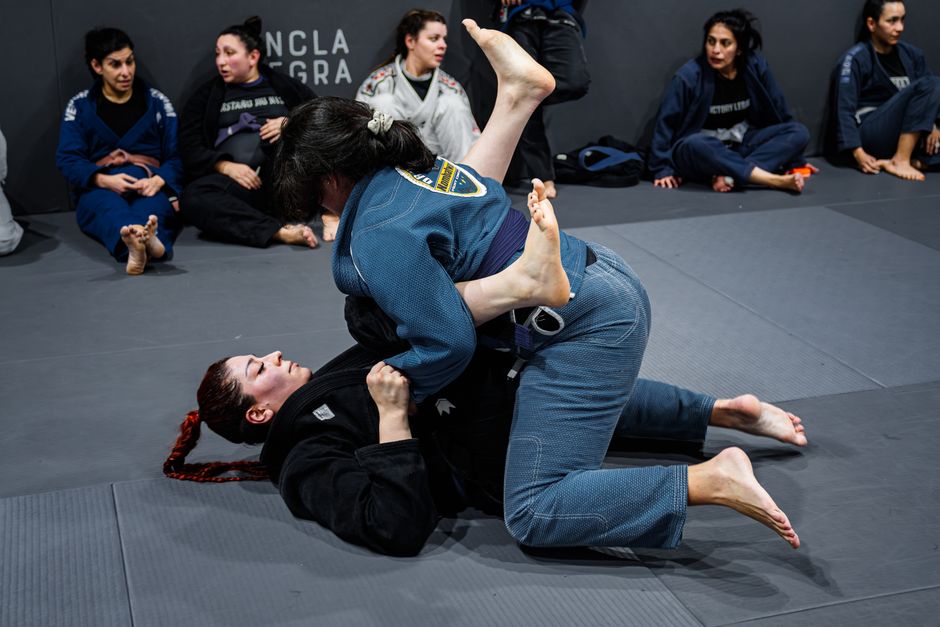
Female jiu jitsu classes are specialized Brazilian jiu jitsu (BJJ) training programs built for women by women. They combine technical skill-building with self-defense education and personal empowerment, all in a focused, inclusive setting.
If you're thinking about starting jiu jitsu but aren't sure how women's classes actually work, what happens in them, or whether they're right for you, this guide covers everything you need to know.
What Are Female Jiu Jitsu Classes?
Female jiu jitsu classes are dedicated training sessions where women learn Brazilian jiu jitsu techniques in a women-centered environment. They're separate from co-ed classes but follow the same fundamental principles of BJJ: leverage, position, and control.
These classes teach real grappling skills—the same techniques you'd learn in any BJJ academy. The difference is the instruction style and community atmosphere, which are tailored to women's learning preferences and comfort levels.
Many women choose these classes because they offer:
- A space to learn without distraction or self-consciousness
- Female instructors who understand women's body mechanics and strength differences
- Practical self-defense applications that feel relevant to everyday situations
- A supportive peer group learning together
Core Skills Taught in Female Jiu Jitsu Classes
Whether you're a complete beginner or returning to training, female jiu jitsu classes focus on building a solid foundation. Here's what a typical program covers:
- Basic positions: Guard, mount, side control, and how to move safely between them
- Fundamental escapes: Getting out of bad positions without using pure strength
- Takedowns: How to safely bring an opponent to the mat
- Submissions: Chokes and joint locks applied with control and respect
- Self-defense applications: Real-world scenarios like breaking grips, escaping holds, and creating distance
The emphasis is always on technique over strength. That's what makes jiu jitsu unique—a smaller, less athletic person can control someone bigger and stronger by using the right position and leverage.
Why Women Choose Dedicated Jiu Jitsu Classes
You might wonder: why take a women-only class instead of training in a co-ed setting? There are real, practical reasons many women prefer them.
Focus and comfort. Some women feel less self-conscious learning in a women-only environment, especially in the beginning. You're not worried about being watched or judged. You're just learning.
Body mechanics instruction. Female instructors understand how women's bodies move differently. They adjust technique explanations and positioning cues to match female anatomy and typical strength profiles. This isn't about being "weaker"—it's about being efficient.
Self-defense relevance. Women-focused classes often integrate self-defense scenarios that matter to women: escaping holds that target women specifically, staying safe, building awareness. The training feels practical and directly applicable.
Community. You build friendships with other women learning the same art. That peer group becomes motivating and supportive, both on and off the mat.
That said, many successful female practitioners train in co-ed classes too. The best choice depends on your comfort level and goals. Some women start in women-only classes and transition to co-ed training as they build confidence.
Fitness and Personal Growth Benefits
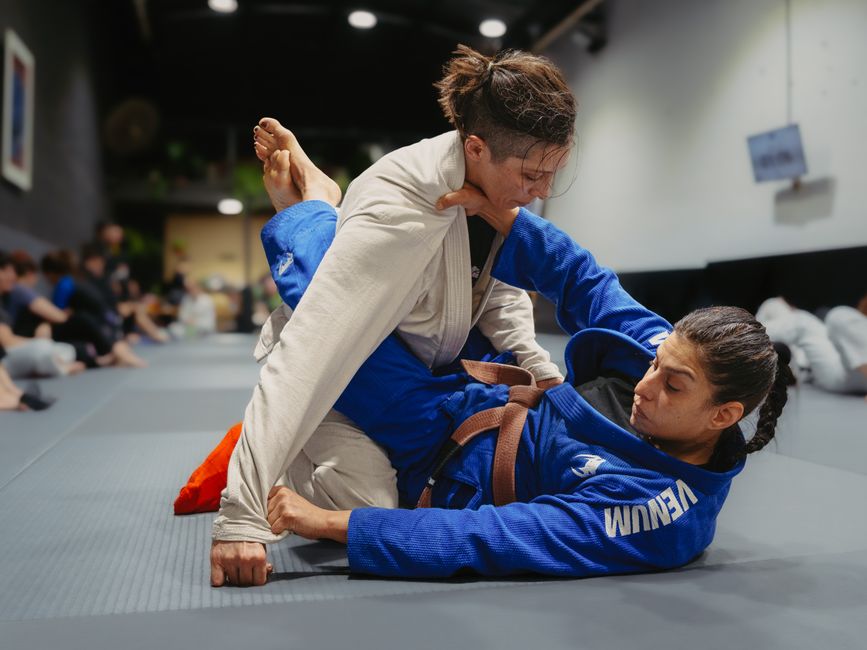
Female jiu jitsu classes deliver serious physical and mental benefits. You're not just learning a martial art—you're transforming your body and mind.
Full-body conditioning. Every class is an intense workout. You develop cardiovascular endurance, muscular strength (especially in core and legs), flexibility, and coordination. Most classes have you sweating and breathing hard within minutes.
Real strength. The strength you build in jiu jitsu is functional. It translates to daily life—carrying groceries, playing with kids, moving through the world with confidence and control.
Mental toughness. Jiu jitsu teaches you to stay calm under pressure. When someone has you pinned to the mat, panic doesn't help. Breathing and problem-solving do. That mindset applies everywhere.
Confidence and empowerment. Studies from the NIH and behavioral psychology research show that martial arts training significantly increases self-confidence and reduces anxiety, especially in women. You learn what your body is capable of. That changes how you carry yourself.
Community and belonging. You're surrounded by women with a shared goal. That social connection matters for mental health and long-term motivation.
What to Expect in Your First Class
Your first class might feel intimidating if you've never trained before. Here's what actually happens:
Warm-up (5-10 minutes): Light cardio, stretching, and mobility work. Nothing crazy. Your instructor is checking everyone's fitness level.
Technique instruction (15-20 minutes): Your instructor demonstrates one or two key techniques slowly, explaining every step. You and a partner drill it together, with the instructor walking around giving feedback.
Positional drilling (10-15 minutes): You practice the technique from different starting positions. More repetition, more muscle memory.
Rolling (sparring) (10-15 minutes): You grapple with a partner at a controlled intensity. Beginners start slow and light. The goal is to practice the techniques you just learned, not to "win." Good partners help you learn by letting you work.
Cool-down (5 minutes): Light stretching and breathing work.
Tell your instructor you're new. Good gyms have a beginner protocol. You'll partner with experienced women who know how to help newcomers feel comfortable and safe.
Finding Female Jiu Jitsu Classes Near You
The first step is research. Look for BJJ academies in your area and check whether they offer women-specific classes or women-focused time blocks.
How to search:
- Search "BJJ academy near me" or "Brazilian jiu jitsu classes [your city]"
- Check Google Maps and read reviews, especially reviews from female practitioners
- Visit the academy's website. Look for class schedules and see if women-only options exist
- Call or email and ask about beginner-friendly women's classes
- Ask if instructors are female or if the class caters specifically to women
If you're in the Rio Rancho or Albuquerque area, Gonzales JJ offers family-friendly jiu jitsu training with personalized instruction for all levels. Reach out directly to ask about women's training options.
Start your BJJ journey off (Free Class)
Get Started Today →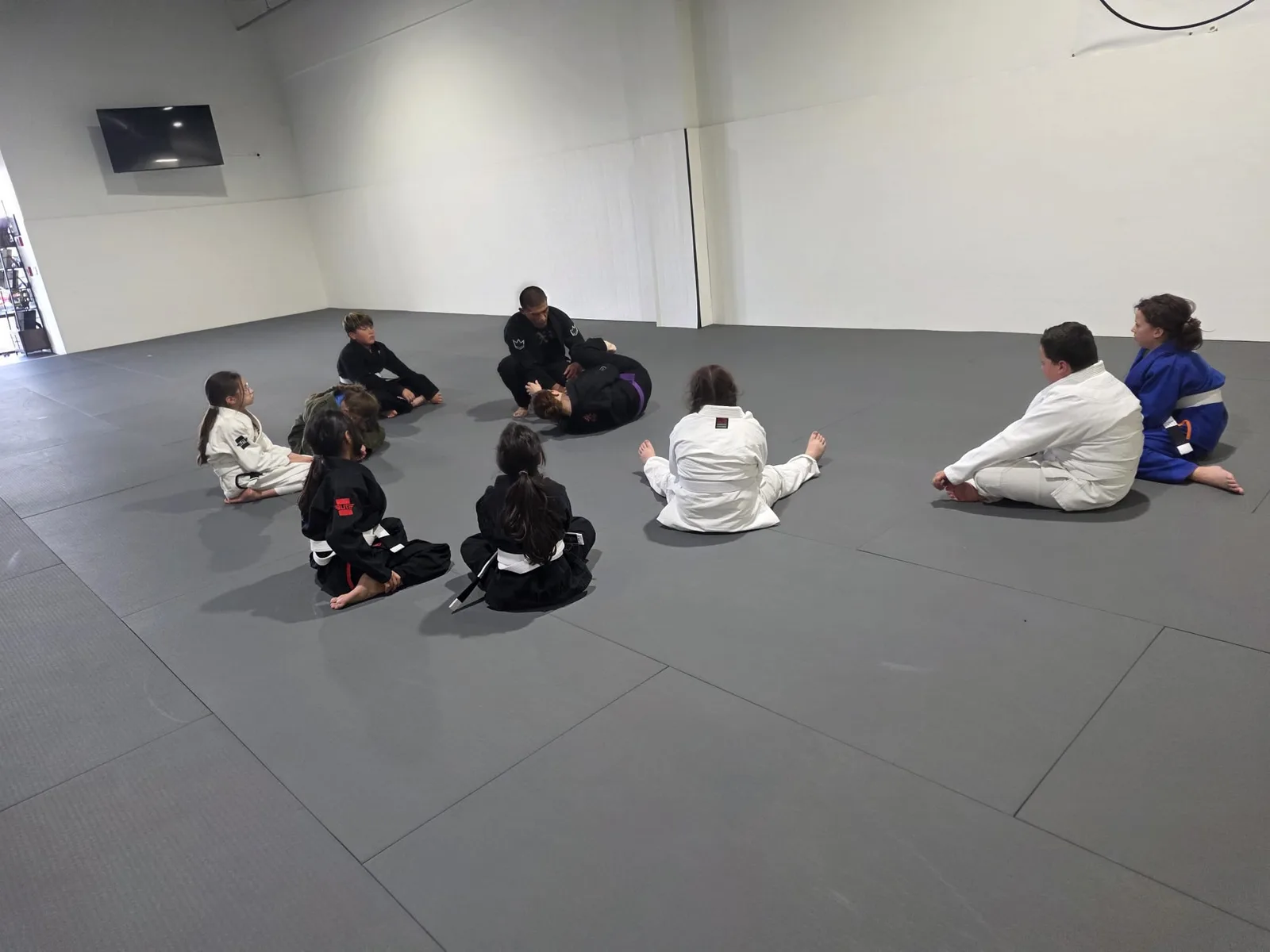
What to Bring and How to Prepare
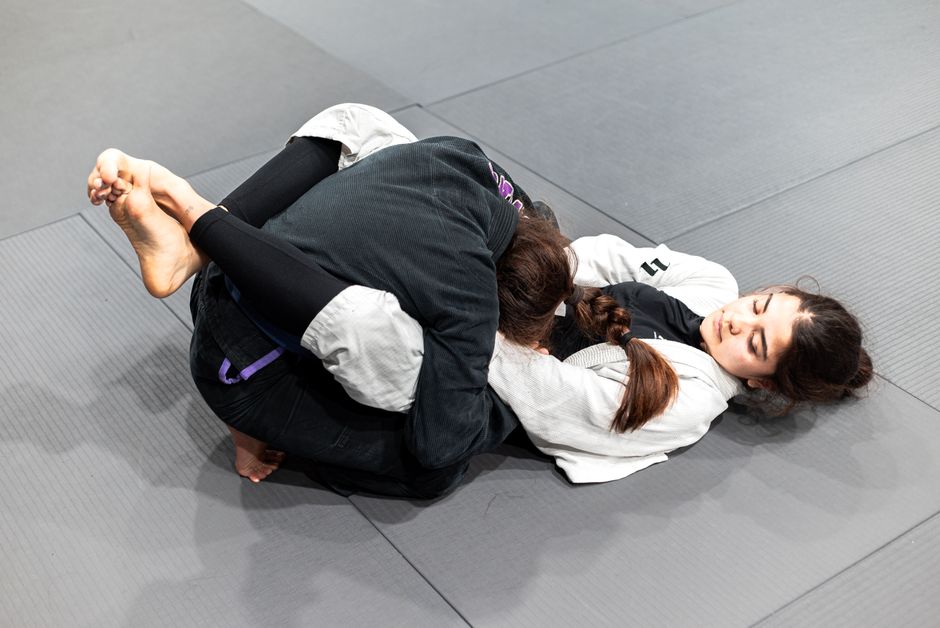
You don't need much to start. Most academies have beginner gear available or can recommend where to buy it.
Essential gear:
- A gi (the traditional white or blue cotton uniform). You can borrow or buy used for your first few classes.
- A belt (white for beginners). Included with most gi purchases.
- Bare feet or neoprene socks (optional, for open-mat warm-ups).
What to bring to class:
- A towel
- Water bottle
- Casual clothes to wear to and from the gym
- A willingness to be a beginner
Don't worry about being the least flexible, strongest, or most coordinated person there. Everyone at your first class was a beginner once. Good female jiu jitsu classes have an inclusive culture that celebrates effort, not just athleticism.
Progression and Long-Term Training
Jiu jitsu uses a belt system to mark progression. You'll start as a white belt and advance through colored belts (blue, purple, brown, and eventually black) based on time training, technique proficiency, and instructor assessment.
Progression timelines vary. Some people reach blue belt in 6-12 months of consistent training. Reaching black belt typically takes 10+ years of dedicated work. That's not a drawback—it's what makes the journey meaningful.
Many women train in female-only classes for their first 6-12 months, then transition to co-ed classes as they build confidence. Others stay in women's classes exclusively. Both paths are valid. The goal is consistent training and continuous improvement.
Addressing Common Concerns
Do I need to be athletic or flexible to start? No. You learn flexibility and strength through training. Most beginners are neither athletic nor flexible.
Is it intimidating? Yes, a little. That's normal. Within a few weeks, it feels like you belong.
Will I get hurt? Jiu jitsu is safer than most sports if trained properly. Instructors teach you to tap (submit) when a technique is working against you. Tap early, tap often. Partners respect the tap. Injuries usually come from ego (not tapping) or poor technique, not from jiu jitsu itself.
Can I train while pregnant or nursing? Talk to your doctor and your instructor. Many women train during and after pregnancy with appropriate modifications. Your instructor needs to know so they can adjust your positioning and intensity.
Building Confidence and Community
One of the biggest surprises for new female practitioners is how much jiu jitsu changes your relationship with your body and your confidence. You learn that strength isn't just about size. You learn that you can handle pressure. You build friendships with other women committed to the same journey.
By your third month of regular training, most women report feeling noticeably stronger, calmer, and more confident in everyday situations. By six months, it's transformative.
If you're curious about getting started, the first step is finding a class and showing up. Gonzales JJ welcomes women of all backgrounds and fitness levels. Whether you're interested in self-defense, fitness, or competitive training, consistent technique-focused instruction makes all the difference.
People Also Ask
Can beginners join female jiu jitsu classes?
Yes. Most female jiu jitsu classes are designed for beginners and all levels training together. You'll start with fundamentals and progress from there. Experienced women in the class help newer practitioners learn. Tell your instructor you're brand new on day one.
What's the difference between female jiu jitsu classes and co-ed classes?
Female jiu jitsu classes focus on women's body mechanics, self-defense applications relevant to women, and create a women-centered learning environment. Co-ed classes train everyone together. Both are valid. Female-only classes often feel more comfortable for beginners, but both paths lead to skilled practitioners.
How much do female jiu jitsu classes cost?
Pricing varies widely depending on location, class frequency, and academy. Most offer monthly memberships, class packages, or drop-in rates. Expect to pay anywhere from $80-150+ per month for unlimited classes, depending on your area. Contact your local academy for specific pricing.
Do I need jiu jitsu experience to join?
No. Female jiu jitsu classes welcome complete beginners. You'll learn everything from the beginning. Most women training at your level will have started as beginners too. The only requirement is showing up and being willing to learn.
Start your BJJ journey off (Free Class)
Get Started Today →