
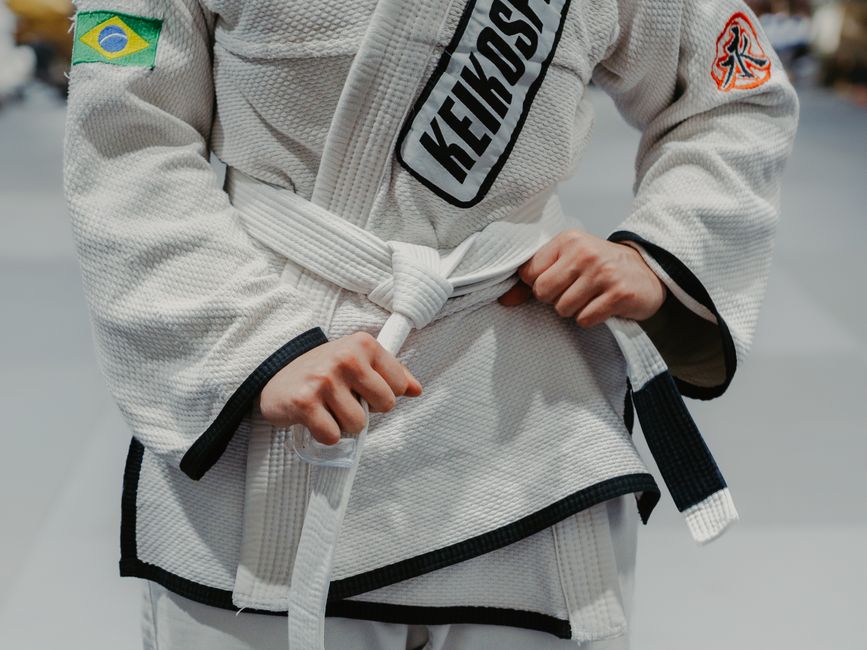
Jiu jitsu ranks are a structured system that tracks your progress from complete beginner to master level. If you're starting out or curious about how the ranking system works, here's what you need to know: belts progress from white to blue to purple to brown to black, and beyond black comes coral and finally red belt at the highest levels. Each rank represents both technical skill and time investment in the art.
Understanding jiu jitsu ranks helps you set realistic goals, stay motivated, and know what to expect on your training journey. Whether you're thinking about starting classes or you're already on the mat, knowing how the system works makes everything clearer.
Related: Brazilian Jiu Jitsu Ranks Explained: Your Complete 2026 Guide
Related: Jiu Jitsu Weight Classes Explained: A Complete Guide
The Belt Progression Order in Jiu Jitsu Ranks
Adult belt ranks follow a clear progression path. You start at white belt, which is where everyone begins, regardless of athletic background or prior experience.
Related: Jiu Jitsu Ranking System Explained: Belts & Progression
From there, the order is:
- White belt (beginner)
- Blue belt (foundational skills)
- Purple belt (intermediate)
- Brown belt (advanced)
- Black belt (expert)
After black belt, the progression continues with coral belt (which combines red and black), and then red belt, which is the absolute highest rank in jiu jitsu. Red belt is only awarded at the 9th and 10th degree levels, meaning you've dedicated decades to mastery and teaching.
Each belt level isn't just about learning new moves. It's about deepening your understanding of the art, refining technique, building mental resilience, and developing the discipline that carries over into every area of your life.
How Long Does Each Rank Take?
There's no single timeline for moving through the ranks. Progression depends on consistent class attendance, the quality of your training approach, and how intentionally you practice.
Generally, advancing from white to blue belt takes months of dedicated training. Blue to purple might take a couple of years. Purple to brown takes longer, and brown to black can take several more years. The higher you climb, the longer each rank typically takes.
That said, you're not racing against time. Jiu jitsu is a lifelong learning journey. The belt system exists to give you milestones and direction, not to stress you out. Some people move faster than others based on their natural athleticism, schedule, and training focus, and that's completely normal.
What Training Actually Gets You to the Next Rank
Showing up to class is the foundation, but mastery requires more than just attendance. Smart training methodology matters. This means drilling the fundamentals repeatedly, rolling with different partners to test your skills, and asking questions when something doesn't click.
Proper recovery is also critical to progression. Your body needs rest to absorb the lessons your training teaches. Sleep, nutrition, and listening to your body prevent injuries that slow you down.
Beyond basic class attendance, you benefit from intentional practice. This might mean focusing on a specific technique for a week, asking your instructor to watch your technique and give feedback, or rolling with partners who challenge you in different ways.
When you combine regular attendance with smart training decisions and recovery practices, you're setting yourself up to advance steadily through the jiu jitsu ranks.
Mental and Physical Benefits of Ranking Up
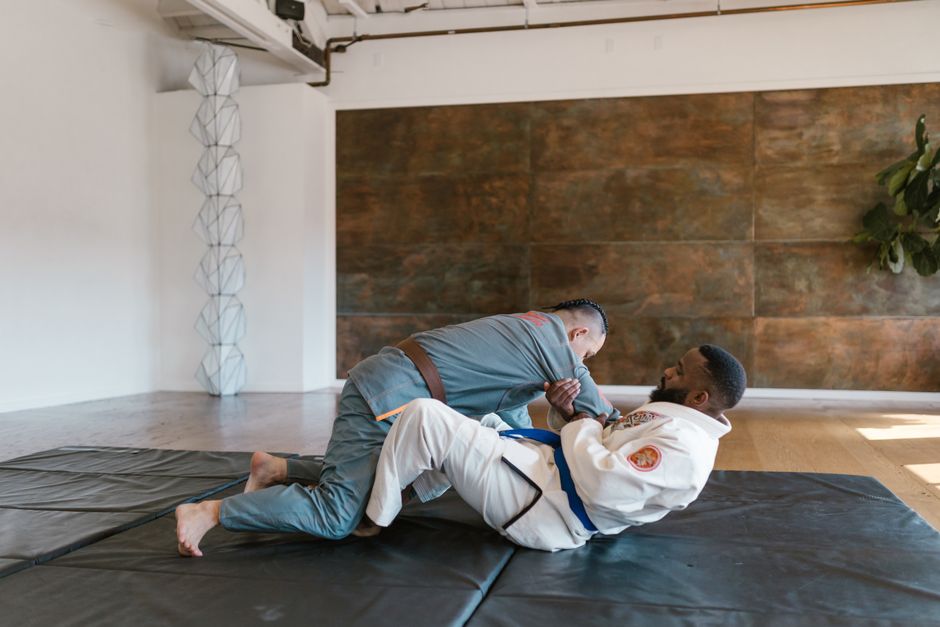
Moving through the ranks isn't just about technical growth. Each belt level brings real changes to how you feel and perform in daily life.
Jiu jitsu training is linked to improved focus and mental resilience. When you learn to stay calm under pressure on the mat, you carry that calm into stressful situations off the mat. Testing yourself against live partners teaches you how to manage stress and think clearly when things get intense.
The practice also supports overall mental health. You're part of a community, you're setting and achieving goals, and you're building confidence with every class. That sense of progress and belonging is powerful, especially for kids and families who train together.
Physically, you build strength, flexibility, and cardio. But more importantly, you build an understanding of how your body works and how to move efficiently. A black belt isn't necessarily the strongest person in the room. They're the person who knows how to move with purpose and control.
Starting Your Jiu Jitsu Ranks Journey
If you're thinking about beginning jiu jitsu, remember that everyone starts at white belt. There's no shame in being new. In fact, the beginner stage is where the real foundation gets built.
When you first step on the mat, your instructors focus on teaching you the fundamentals: basic positions, how to fall safely, and simple techniques that work. You'll feel awkward at first. That's completely normal. After a few weeks, things start clicking, and you realize how much you've already learned.
The key is consistency. Training twice a week beats training five times a week for two weeks straight and then disappearing for a month. Your body and mind absorb lessons best through steady, regular practice.
If you're ready to start your jiu jitsu ranks journey and want personalized guidance from instructors who understand how to build strong fundamentals, Gonzales JJ offers technique-focused training in Rio Rancho that welcomes beginners and families.
Start your BJJ journey off (Free Class)
Get Started Today →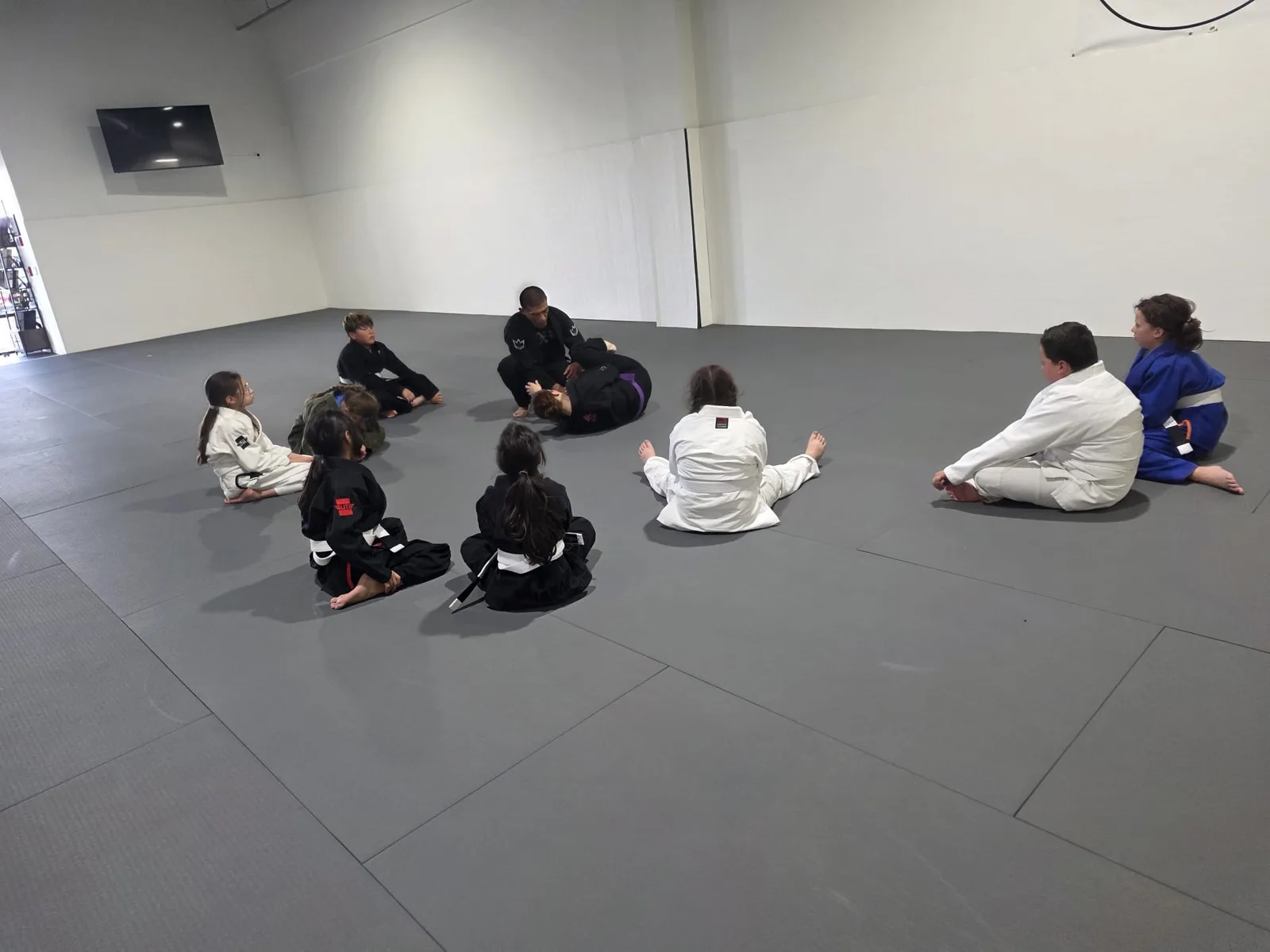
Common Mistakes When Chasing Ranks
One mistake is trying to rush through the ranks. You can't skip steps in jiu jitsu. Each belt level teaches specific lessons that you need for the next one. If you rush, you'll hit a wall later.
Another mistake is training only to win sparring matches or impress higher belts. That ego-driven approach burns people out. Train to improve, not to prove something. The wins come naturally when you focus on mastery.
Comparing your progress to someone else's timeline is another trap. Your friend might advance faster because they train more, have prior wrestling experience, or simply have a different body type. Focus on your own journey and celebrate your own progress.
Finally, neglecting basics as you advance is a big one. High-level jiu jitsu is just excellent fundamentals applied with precision and timing. Don't stop drilling the simple stuff just because you're a blue or purple belt now.
Why the Ranking System Matters Beyond the Mat

The jiu jitsu ranks system teaches delayed gratification. You earn each belt through months of work. There's no shortcut. That lesson carries into school, work, and personal relationships.
It also builds confidence in a healthy way. You're not confident because someone told you to be. You're confident because you've tested yourself, struggled, and improved. That's real confidence.
For kids especially, the belt system creates goals and gives them a sense of achievement. Earning a new belt becomes a memory and a milestone. Parents often say that training transforms not just their child's physical skills, but their attitude, discipline, and how they handle challenges.
When you understand jiu jitsu ranks as a path of personal growth rather than just a checklist of belts to collect, the whole training experience feels different. Each rank becomes a chapter in your story of becoming a stronger, more resilient version of yourself.
What do I need to know before starting jiu jitsu?
Before you start, understand that jiu jitsu is a learning journey, not a competition to rush through. You'll be sore at first, but that fades quickly. Come with an open mind, ask questions, and trust the process. Every single person on the mat started exactly where you are right now.
How often should I train to advance through the ranks?
Consistency beats intensity. Training two or three times per week steadily will move you through the ranks faster than sporadic training, even if those sessions are longer. Your body learns through regular repetition, so showing up consistently matters more than grinding out one massive session per week.
Can adults start jiu jitsu and progress through the ranks?
Absolutely. Many adults start in their 20s, 30s, 40s, and beyond. Your progression might look different than a younger person's, but you can absolutely earn your black belt starting as an adult. You bring discipline, focus, and life experience that younger students sometimes lack.
Is there a time limit to advance between ranks?
There's no official maximum time, but most instructors have minimum time requirements between belts. For example, you might need at least six months as a white belt before testing for blue. The minimum ensures you have enough experience before moving on. Beyond that, progression depends on your skill level and consistency.
Start your BJJ journey off (Free Class)
Get Started Today →