
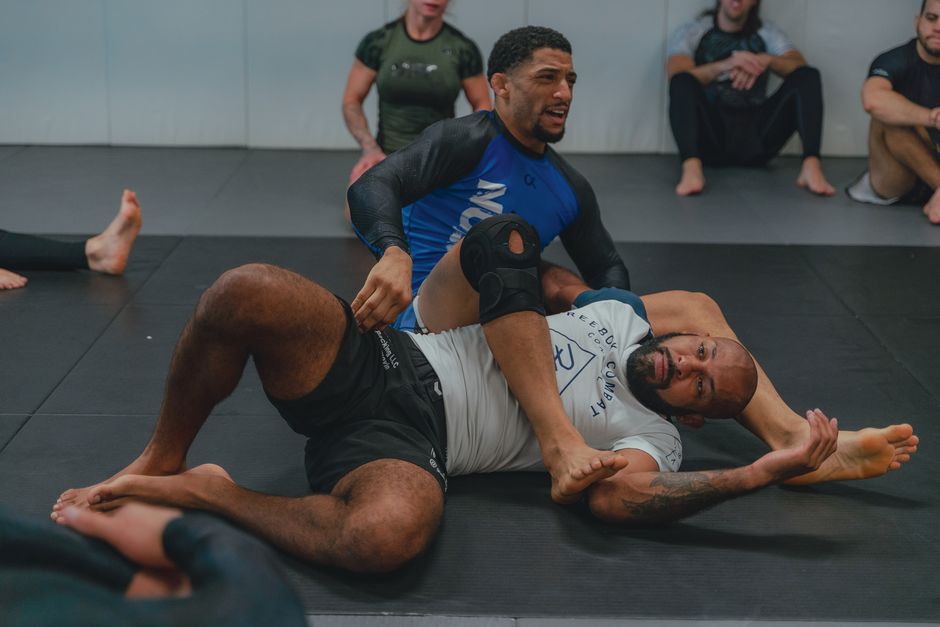
Strength and conditioning for jiu jitsu isn't some mystery. The goal is simple: make your body more resilient, more powerful, and more capable of executing technique under pressure. Whether you're training for competition or just want to feel stronger on the mat, the principles are the same.
The Foundation: Training Frequency and Structure
Let's start with the most common question: how much strength training do you actually need?
Most jiu jitsu athletes benefit from combining 4 to 6 BJJ sessions per week with just 2 dedicated strength training sessions per week. That's it. You don't need to be in the gym six days a week lifting heavy to see real results.
Related: Women's Jiu Jitsu Gi: Complete Buyer's Guide
Related: Ladies Jiu Jitsu Gi: Complete Fit & Style Guide
The key is that these two sessions need to be structured properly. Random exercises thrown together won't cut it. Your strength work should complement your mat time, not compete with it or leave you too tired to train technique. When you work with Gonzales JJ, our instructors can help you understand how strength training fits into your overall development as a martial artist.
Overtraining is real. More sessions doesn't equal better results. In fact, too much strength work on top of intense BJJ training can actually hurt your progress and increase your risk of injury.
Essential Exercises for Jiu Jitsu Athletes
Not all strength exercises are equal when you're training jiu jitsu. Focus on compound movements that build functional power and stability.
Posterior Chain Work (Your Priority)
Your back and posterior muscles are crucial for jiu jitsu. When you're defending, escaping, or driving forward, these muscles are doing serious work. Make posterior chain training your main focus.
- Deadlifts build raw pulling power and hip extension strength
- Rows strengthen your back and support good posture during grappling
- Pull-ups develop grip and pulling strength needed for submissions and control
Lower Body Strength
Your legs drive everything in jiu jitsu. Squats build the leg power you need for leg lock defense, takedown power, and positional control.
Core and Torso Stability
Don't just do crunches. Your core needs to be stable under load and pressure. This means planks, anti-rotation work, and exercises that challenge your ability to stay tight when someone is trying to move you.
Pressing Movements
Bench press, floor press, or overhead press all have value. Pressing strength helps with mount escapes, underhook control, and general upper body resilience.
Grip Strength
Grip is non-negotiable in jiu jitsu. Incorporate grip training into every strength session. Farmer's carries, dead hangs, and grip-focused pull-up variations all count.
The Golden Rule: Pick What Works for Your Body
Here's something important: there's no single "best" exercise for jiu jitsu. What matters is that you choose movements that feel good in your body and don't cause pain or injury.
If barbell squats hurt your knees, do goblet squats or leg press variations instead. If pull-ups bother your shoulders, try rows or resistance band pull-downs. The principle matters more than the specific lift.
Train smart. If an exercise causes sharp pain (not muscle fatigue, but actual pain), skip it and find an alternative. Your goal is to build strength that supports your jiu jitsu training, not to follow a template that doesn't fit you.
Program Design Beats Training Volume
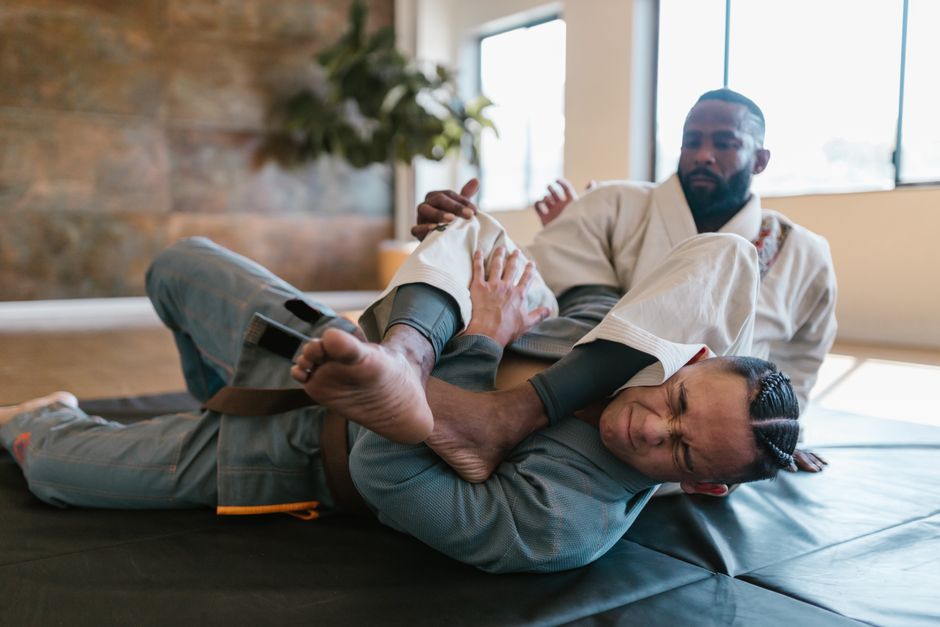
This is where most people miss the mark. They think "more is better," so they add extra exercises, extra sets, extra days. Wrong approach.
A well-designed program with just 2 sessions per week beats a poorly-designed program with 4 sessions. Structure matters more than frequency.
A solid strength program for a jiu jitsu athlete typically includes:
- One main compound lift (squat, deadlift, or press variation)
- One or two supplemental exercises targeting weak points or posterior chain
- Grip work integrated throughout
- Core stability work
- Maybe 20 to 30 minutes total per session
Quality reps, good form, progressive overload (gradually lifting a bit more over time)—that's the formula. If you're unsure how to structure your own training, connecting with coaches at Gonzales JJ can help you build a plan that actually fits your schedule and your goals.
Start your BJJ journey off (Free Class)
Get Started Today →The Mistake to Avoid: Relying on Extra Volume
Don't try to make up for a poorly structured program by adding more training. If your two weekly strength sessions aren't moving the needle, the answer isn't to add a third session. The answer is to improve the design of the two you already have.
Look at your exercise selection. Are you hitting all the key movement patterns? Are you progressively getting stronger, or just going through the motions? Are you recovering enough between sessions?
Fix the structure first. Volume comes later, if it comes at all.
Balancing Strength with Jiu Jitsu Training
Here's the mental shift you need to make: strength training is support work for your jiu jitsu. It's not the main event.
That means:
- Don't go to the gym and destroy yourself on strength days, then show up to class unable to move
- Time your strength sessions so they don't interfere with your best BJJ training times
- Focus on quality technique in strength training, not just ego-driven heavy lifting
- Remember that mat time is where you develop as a martial artist—the gym just builds the physical tools
The athletes who progress fastest aren't always the strongest in the gym. They're the ones who train consistently, take care of their bodies, and bring all their energy to every training session.
Common Questions About Jiu Jitsu Strength and Conditioning
How long does it take to see results from strength training?
You'll feel stronger and notice improved performance on the mat within 3 to 4 weeks if you're consistent. Real physical changes take longer—probably 2 to 3 months before other people notice a difference. Stay patient and keep showing up.
Should I lift heavy or do higher reps?
Both have value. Heavy strength work (lower reps, higher weight) builds raw power. Higher reps with moderate weight builds endurance and resilience. Most jiu jitsu athletes benefit from mixing both. A session with heavier compound lifts paired with some higher-rep accessory work is a solid approach.
What if I'm new to strength training?
Start simple. Learn proper form on the basic movements (squat, deadlift, press, row, pull-up). Begin with lighter weight than you think you need. Prioritize consistency and good technique over heavy weight. Within a few weeks, you'll build the foundation you need to progress safely.
Can I do strength training on the same day as jiu jitsu class?
You can, but timing matters. If you do jiu jitsu first, wait a few hours before lifting if possible. If you lift first, do your BJJ session after and keep it light—focus on technique rather than intensity. The ideal approach is to separate them by at least a few hours, but life isn't always ideal.
Start your BJJ journey off (Free Class)
Get Started Today →