
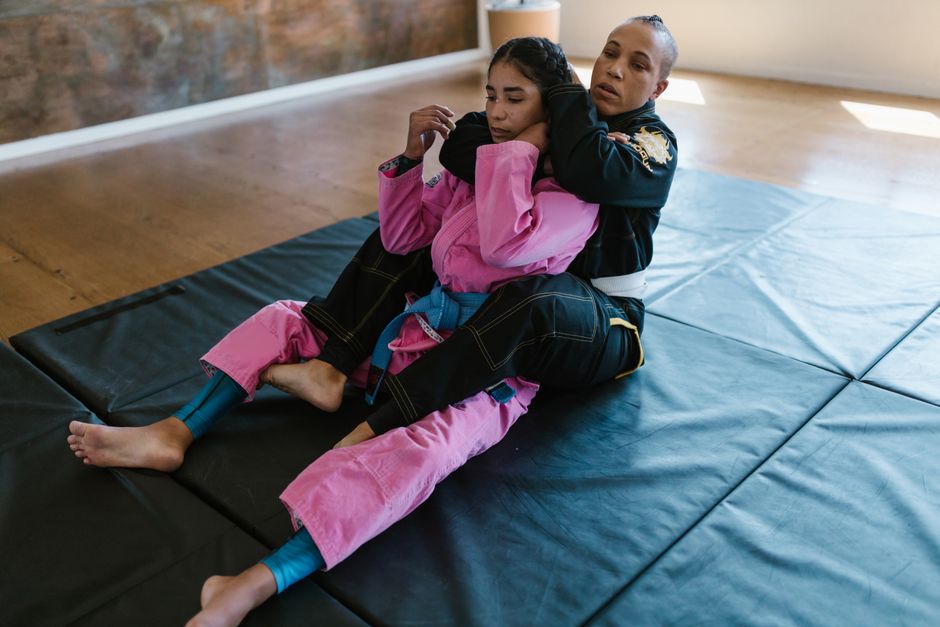
A women's jiu jitsu gi is your foundation on the mat. Unlike traditional unisex gis, a women's gi is specifically tailored to fit your body proportions, moves with you during rolls, and gives you the confidence to train hard without worrying about your uniform.
If you're starting out or upgrading your gear, here's everything you need to know to pick the right one.
What Makes a Women's Jiu Jitsu Gi Different
The main difference isn't just marketing. Women's gis are engineered differently from men's versions because your body shape and size range require different proportions.
Related: Best Jiu Jitsu Gi: Complete Buyer's Guide for 2026
Related: Jiu Jitsu Gis: Complete Buyer's Guide for 2026
A properly fitted women's gi has narrower shoulders, a tapered waist, shorter sleeves relative to arm length, and a cut that flatters your frame without being baggy. The waistband sits right instead of gapping or riding up. When you move, the gi moves with you instead of bunching or restricting.
This matters because a poorly fitted gi slides around during rolls, gets caught under your opponent's grip, and distracts you from focusing on technique. A gi that fits is invisible. You forget you're wearing it.
Weight and Weave: Choosing the Right Fabric
Women's gis come in different weights, and this is where personal preference and your training style come in.
Lightweight gis are typically around 350-400 grams and are perfect for daily training, especially if you train multiple times a week. They're easier to wash, dry faster, and feel less restrictive. They move quickly and don't tire you out as fast.
Standard or mid-weight gis run around 450-550 grams. They're durable enough for regular training and competition. Most competitors choose this weight because it holds up well without being so heavy that you feel sluggish.
Heavier gis (600+ grams) are less common for women but offer maximum durability for very frequent training. They're stiffer and take longer to break in, but they last longer.
The weave also matters. Single weave is lightweight and flexible. Double weave is thicker and more durable. Custom weave technology blends fibers and construction techniques to give you the best of both worlds: durability without extra bulk.
Competition Legal vs. Training Only
If you're planning to compete, your gi has to meet IBJJF (International Brazilian Jiu-Jitsu Federation) legal standards. That means sleeve length, trouser width, and jacket thickness all fall within specific ranges.
Most quality women's gis sold today meet these standards even if you're just training. It's worth checking the specs if competition is in your future.
Training-only gis might not meet competition rules but can offer more flexibility in design and fit. Some people love the artistic elements and custom designs available in training gis. Others prefer the standardized look of competition models.
For most of you starting out, a competition-legal gi is the smarter choice because it keeps your options open. When you're ready to step on the mat for your first tournament, your gear is already tournament-ready.
Stitching and Durability
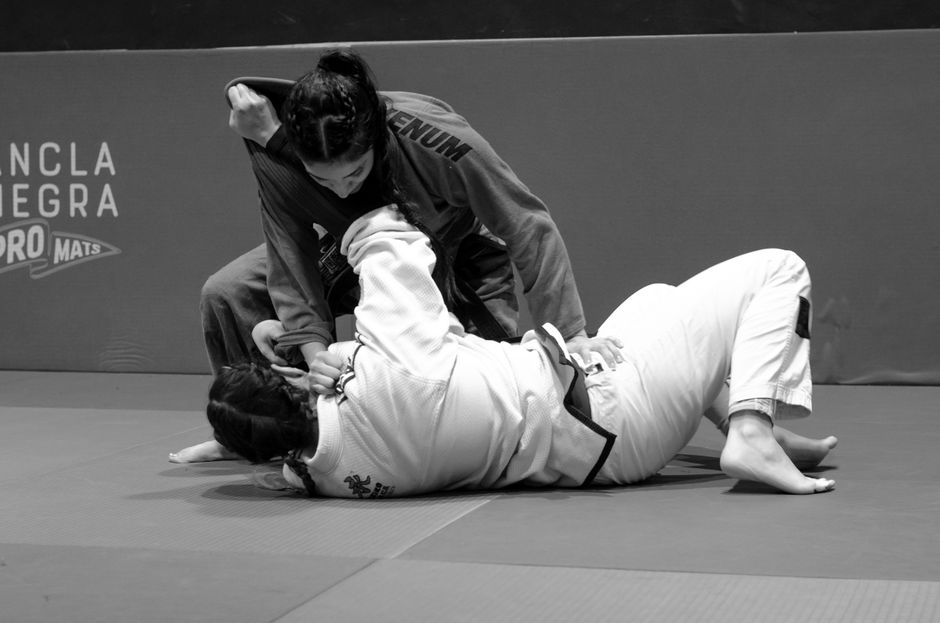
A quality women's jiu jitsu gi uses reinforced stitching at stress points. Look for double or triple-stitched seams, especially around the armholes, sleeves, and the base of the jacket. Clever stitching techniques keep the fabric from unraveling and hold reinforcements in place through hard training and grappling.
Your gi takes a beating. You're being gripped, pulled, and dragged across the mat multiple times a week. Cheap stitching fails within months. Quality stitching lasts years.
When you try on a gi or inspect one online, run your fingers along the seams. They should feel smooth and tight, not loose or puckered. Look at the corners of the jacket and where the sleeves meet the body. These are your problem areas.
Fit and Sizing
Sizing a women's gi can be tricky because sizing standards vary between brands. Most gis come in sizes like XS, S, M, L, or they use a height/weight matrix.
Here's what to check:
- Sleeve length should end at your wrist when your arms hang at your sides
- Jacket length should reach your upper thigh
- Trouser legs should break at your ankle without pooling
- The waistband should sit comfortably without pinching or gapping
- Shoulder seams should sit on your actual shoulders, not hanging off
When you're between two sizes, check the brand's sizing chart and whether the gi is pre-shrunk. Gis can shrink in the wash, so one that is snug when new may end up too small. If you can, try one on or read reviews from other women with similar body types to yours.
Color and Design Options
Women's gis come in way more colors and designs than they used to. White is still the most common and works everywhere. The IBJJF allows white, royal blue, and black in competition. Other tournaments set their own color rules, so if you compete, double-check them.
Artistic elements and custom designs make your gi uniquely yours. Some women's gis feature embroidered details, custom prints, or color panels that look sharp on the mat and feel personal. The aesthetics don't affect performance, but they make you feel good when you're getting ready to train, and that matters.
If you train at a specific gym like Gonzales JJ, ask your instructors if there are color or style preferences for class. Some academies ask that you wear certain colors for easier identification during drills.
Start your BJJ journey off (Free Class)
Get Started Today →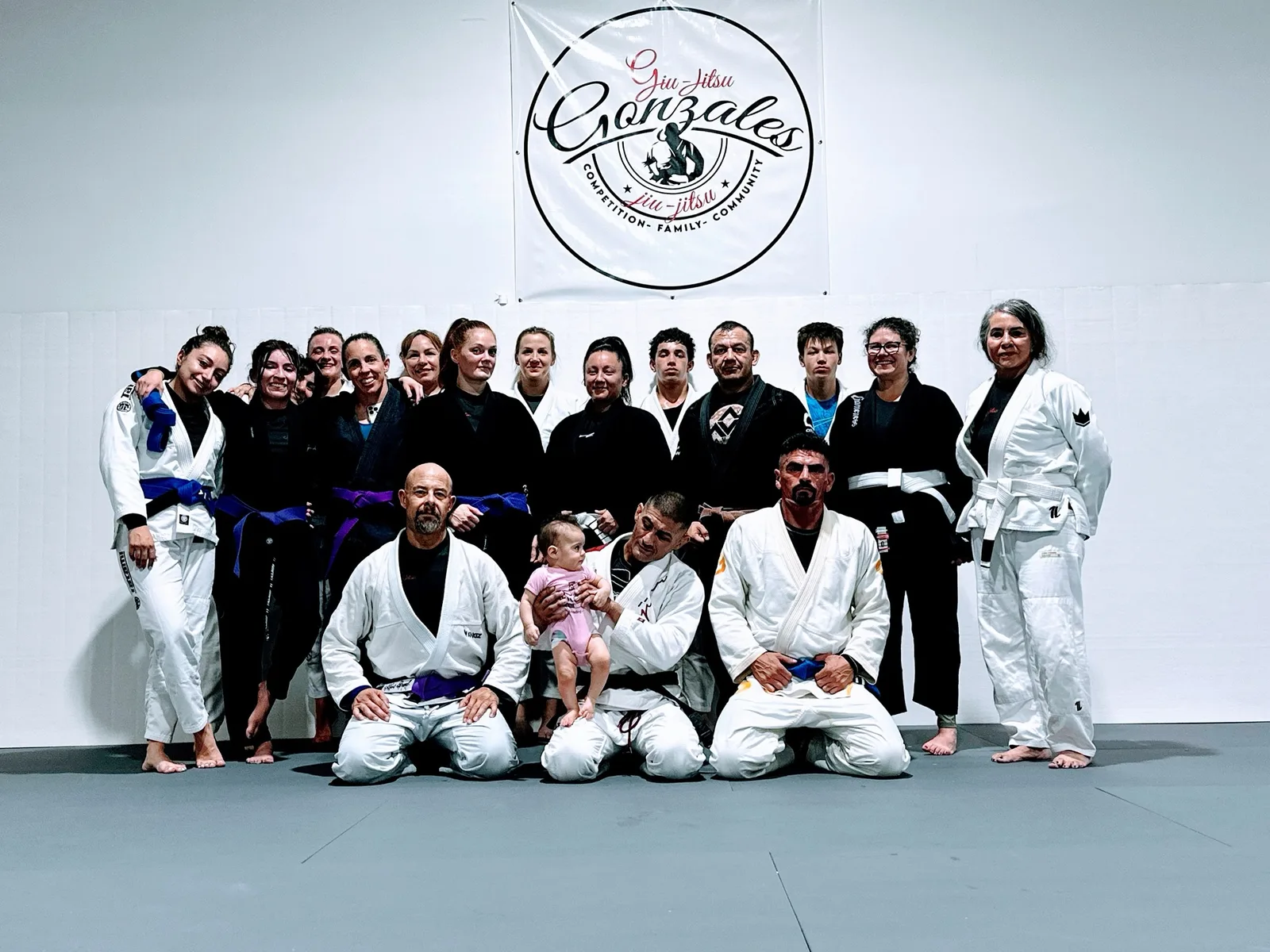
How to Care for Your Gi
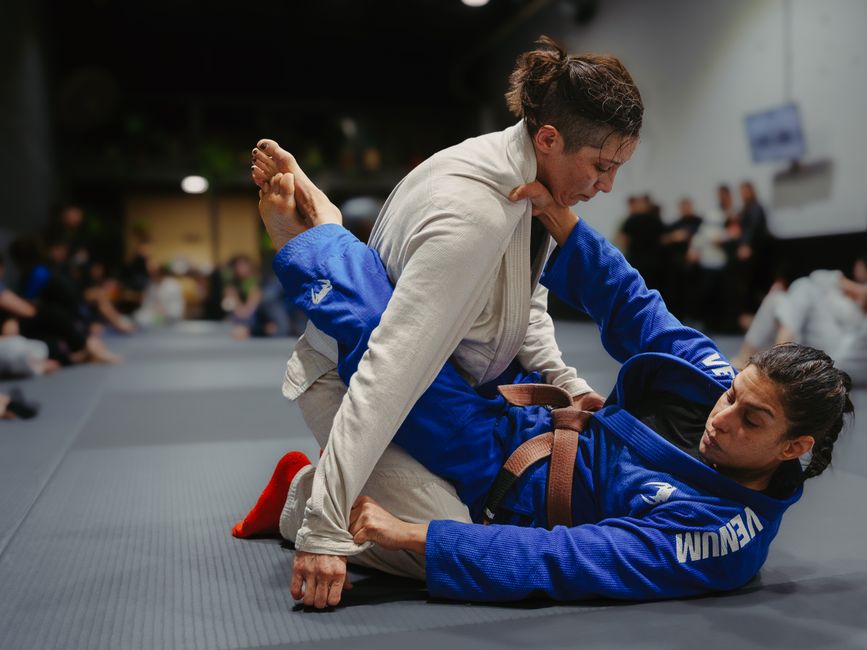
A quality gi only stays quality if you maintain it.
Wash your gi after every session. Bacteria thrive in damp fabric, and your training partners will appreciate the effort. Use cold or warm water (not hot, which damages fibers), and hang dry whenever possible. Machine drying shrinks gis and weakens the fabric over time.
Avoid heavy bleach or fabric softener. Bleach weakens the fibers and fades colors. Fabric softener coats the fabric and reduces grip, which affects how other people can grip your gi during rolls.
If your gi gets ripped at the seams, get it fixed early by someone who knows how to sew gi material. A small tear becomes a big problem fast when you're training hard.
Budget and Value
Quality women's gis range widely in price depending on brand, materials, and design complexity. You can find functional gis at entry-level prices and premium gis with custom weave technology and artistic designs at higher price points.
The most important thing is that your first gi fits well and holds up to regular training. If you buy a cheap gi that falls apart in three months, you'll end up spending more replacing it than you would have spent on a quality gi from the start.
Think of your gi as an investment in your training, not just an expense. You're going to wear it 50+ times a year if you're serious about jiu jitsu, and a quality gi can last 2-3 years.
Getting Started With the Right Gi
Before you buy, know your measurements. Arm length from shoulder to wrist, inseam, and chest width all matter. Most gi brands publish sizing charts, and they're worth the few minutes it takes to measure yourself accurately.
If you're training at an academy, ask your instructors for recommendations. They've seen what works for different body types and training styles. If you're brand new to jiu jitsu and just signed up, instructors at places like Gonzales JJ can point you toward gear that's practical and competition-legal so you don't waste money on equipment that won't serve you long-term.
Don't overthink it. Pick a style that fits, feels good when you move, and is built well enough to handle hard training. Once you've been on the mat for a few months, you'll know exactly what you want in your next gi.
What's the difference between a women's gi and a men's gi?
Women's gis are tailored to fit your body proportions. That means narrower shoulders, a tapered waist, shorter sleeves, and a cut that works with your frame instead of against it. A men's gi worn by a woman typically bunches at the waist and sleeves, and the extra fabric gets in the way during rolls.
Do I need a competition-legal gi if I'm just training?
You don't strictly need one, but it's smart. Most quality gis meet IBJJF standards anyway. Buying a competition-legal gi from the start keeps your options open when you decide to compete, which most serious students eventually do.
How often should I replace my gi?
A well-maintained, quality gi lasts 2-3 years of regular training. If you train multiple times a week, you might want a second gi so you can rotate them and let each one dry completely between sessions. This also extends the life of both gis.
Can I wash my gi in hot water?
Cold or warm water is better. Hot water can shrink the gi, weaken the fibers, and fade the color faster. Hang drying is also gentler than machine drying and helps your gi keep its shape and durability over time.
Start your BJJ journey off (Free Class)
Get Started Today →