
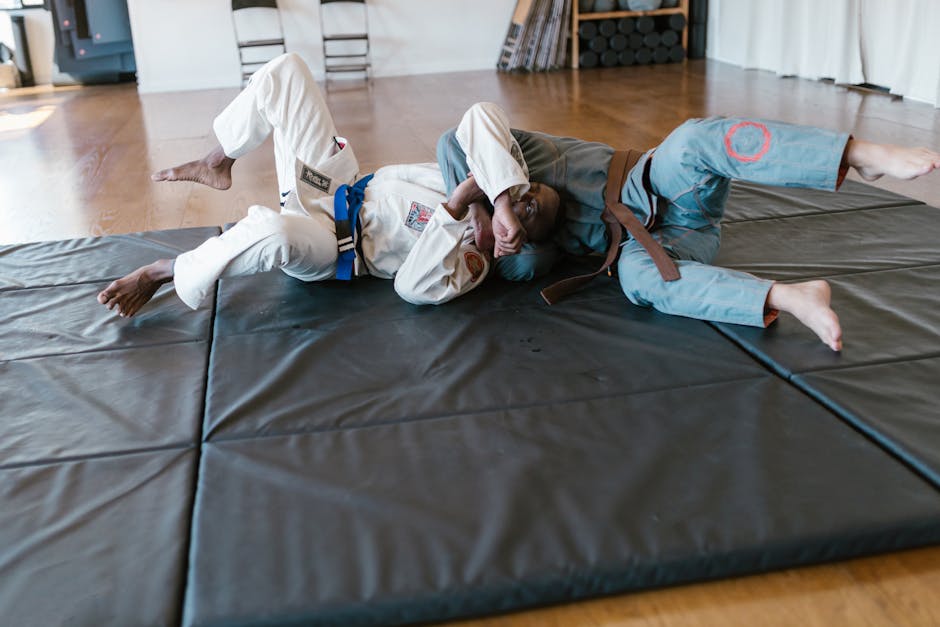
A black Brazilian Jiu-Jitsu gi is one of the most popular uniform choices for BJJ practitioners—whether you're just starting out or training for competition. The color is sleek, hides sweat and stains well, and looks sharp on the mat. But before you grab the first one you see online, there are some real differences in quality, fit, and durability that matter for your training experience.
Let's break down what you actually need to know about black gis, so you end up with gear that lasts and feels good when you're drilling or rolling.
What Makes a Quality Black BJJ Gi?
Not all gis are created equal. The difference between a cheap gi that falls apart after a few months and a solid one comes down to three main things: fabric weave, stitching, and overall construction.
Fabric weave is the biggest factor. A pearl weave gi (around 400 GSM) is the sweet spot for most people. It's thicker and more durable than single weave, which means it stands up to repeated mat use, hard drilling, and washing without falling apart. Pearl weave also tends to feel smoother against your skin and doesn't get heavy when wet the way some single weaves do.
Reinforced stitching matters too. Look for gi's with reinforced seams, especially around the collar, sleeves, and skirt (the flared part at the bottom). These areas take the most stress during grappling, so if the stitching fails here, your gi is done.
Collar quality is worth paying attention to. A thick, stiff collar holds up better to repeated grabbing and pulling. Some gis have extra fabric or reinforcement woven into the collar specifically to prevent fraying and tearing.
IBJJF Compliance: Do You Need It?
If you plan to compete in sanctioned tournaments, your gi needs to meet IBJJF (International Brazilian Jiu-Jitsu Federation) standards. This means specific requirements on color, sleeve length, pant length, and weight.
Black gis are always allowed in competition—no exceptions there. But you still need to check that the gi you choose is officially IBJJF legal. Most reputable brands will clearly state this in their product specs.
Training-only? You have more freedom. You don't need IBJJF certification to wear a gi in class. But honestly, buying a competition-legal gi anyway is smart because you'll have the option to compete down the road without buying new gear.
Size and Fit for Black Gis
Sizing a gi is different from sizing regular clothes. You need to think about both your height and weight, because gis come in standardized sizes (A0, A1, A2, A3, A4 for adults, plus half-sizes like A1L or A2L for longer builds).
The jacket should come to your wrist when your arms are at your sides. The pants should end just above your ankle. If either is too long or too short, you'll be uncomfortable and at a disadvantage—long sleeves can be grabbed more easily, and short pants limit your movement.
This is where trying on a gi in person makes a difference. If you're training at Gonzales JJ in Rio Rancho, you can get feedback from experienced coaches on proper fit before committing to a purchase.
Start your BJJ journey off (Free Class)
Get Started Today →
Price Range and What You're Paying For

Quality black gis typically range from around $130 to $180, depending on brand and construction. At the lower end, you're getting a functional, durable gi that will handle regular training. At the higher end, you're paying for premium materials, better aesthetics, or well-known brand reputation.
Don't assume more expensive always means better. A mid-range gi with pearl weave construction and solid reviews often performs just as well as a premium brand. What matters is the weave type, reinforcement, and honest customer feedback from people who actually train in it.
Watch for sales and bulk discounts too. Many retailers offer free shipping on orders over $100, so you might grab a gi plus other gear in one order.
Durability and Care Tips
A quality black gi will last years if you take care of it. The color actually works in your favor here—black fabric hides stains better than white, so your gi looks fresher longer.
Wash in cold water after every training session. Sweat, bacteria, and mat funk build up fast, and you don't want skin infections like ringworm or staph.
Air dry whenever possible. Dryers shrink gis. Hang it up or lay it flat.
Don't bleach or use harsh chemicals. Stick to regular detergent. Your gi will yellow slightly over years of training and washing—that's normal and actually a badge of honor.
Patch holes and tears early. A small rip gets huge fast when you're rolling, so fix it right away with thread that matches the gi color.
Black Gi vs. Other Colors
You'll see white, blue, and other colors on the mat, but black is the most practical for several reasons:
- Hides stains and sweat better than light colors
- Looks professional in both training and competition
- Stays cooler visually even if the actual fabric temperature is the same
- Works for all belt levels—no rank restrictions like some gyms have with color
The only real downside is that black can feel slightly hotter in bright sunlight outdoors, but mat training happens indoors anyway.
Where to Train and Learn More
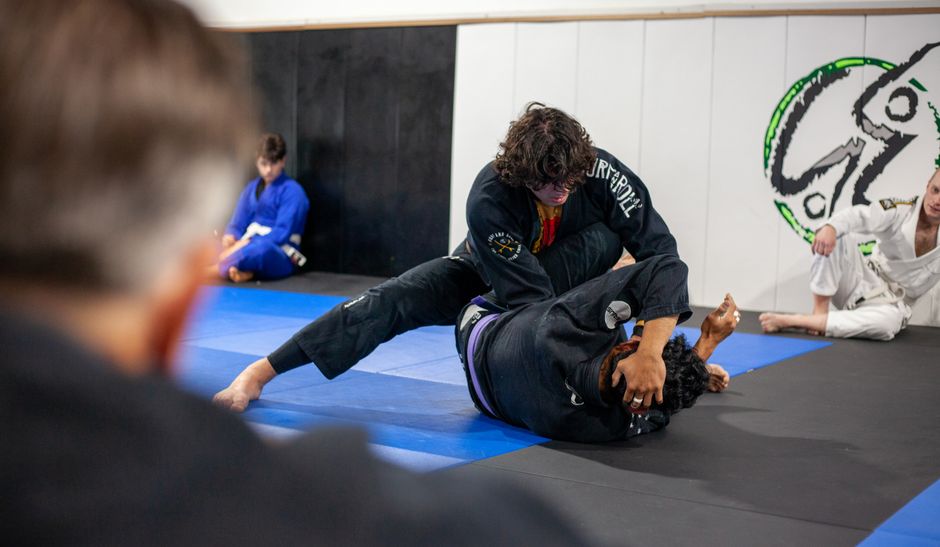
Picking the right gear is just the start. What really matters is consistent training with instructors who know how to teach technique properly. Gonzales JJ focuses on technique-driven instruction for all levels, from absolute beginners to competitive athletes, and everyone grows together on the mat.
If you're in the Rio Rancho or Albuquerque area and serious about BJJ, finding a gym where coaches give you honest feedback on your gear, your form, and your progress makes a huge difference.
FAQ: Black Brazilian Jiu-Jitsu Gi Questions
Is a black gi allowed in BJJ competition?
Yes. Black gis are always legal in IBJJF-sanctioned tournaments. Just make sure your specific gi meets other IBJJF requirements like sleeve length, pant length, and weight before entering.
Why do black gis cost more than white ones?
They don't always. Price depends on brand, weave type, and reinforcement—not color. Black and white gis at the same quality level usually cost the same. Black might look more premium because it hides wear better, but the actual material isn't more expensive.
How long does a black gi last with regular training?
A pearl weave gi with proper care can last 2 to 5 years of regular training (3 to 4 times per week). The collar and seams eventually wear out, but the main fabric stays strong. Single weave gis might need replacing sooner.
Can you bleach a black gi to keep it looking new?
No. Bleach will damage the fabric and fade the color. Stick to cold water and regular detergent. Accept that black gis will fade slightly over time—it's a sign of hard training.
Start your BJJ journey off (Free Class)
Get Started Today →