
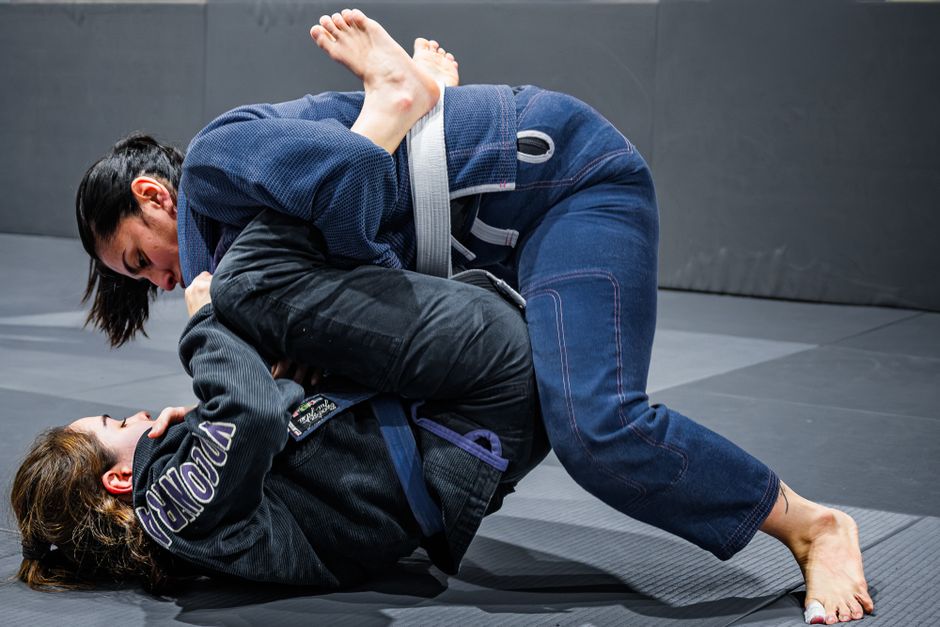
A women's Brazilian Jiu-Jitsu gi is a uniform specifically designed for female body proportions, and it's a smart investment if you're serious about training. Unlike unisex gis, women's cuts are narrower at the shoulders, have shorter sleeves, and taper at the waist to match how women move and train. If you're just starting out or stepping up your game, understanding what makes a women's gi different will save you money and frustration.
Why a Women's Gi Matters More Than You Think
Training in a gi that doesn't fit your body is like wearing someone else's shoes to run a marathon. It bunches up, restricts your movement, and honestly, it just feels wrong.
A properly fitted women's gi lets you move with power and precision. Your opponent can't grab loose fabric. Your arms have room to extend without the sleeves riding up. Your legs stay protected without excess pant length getting tangled. This matters whether you're drilling at home or competing at a tournament.
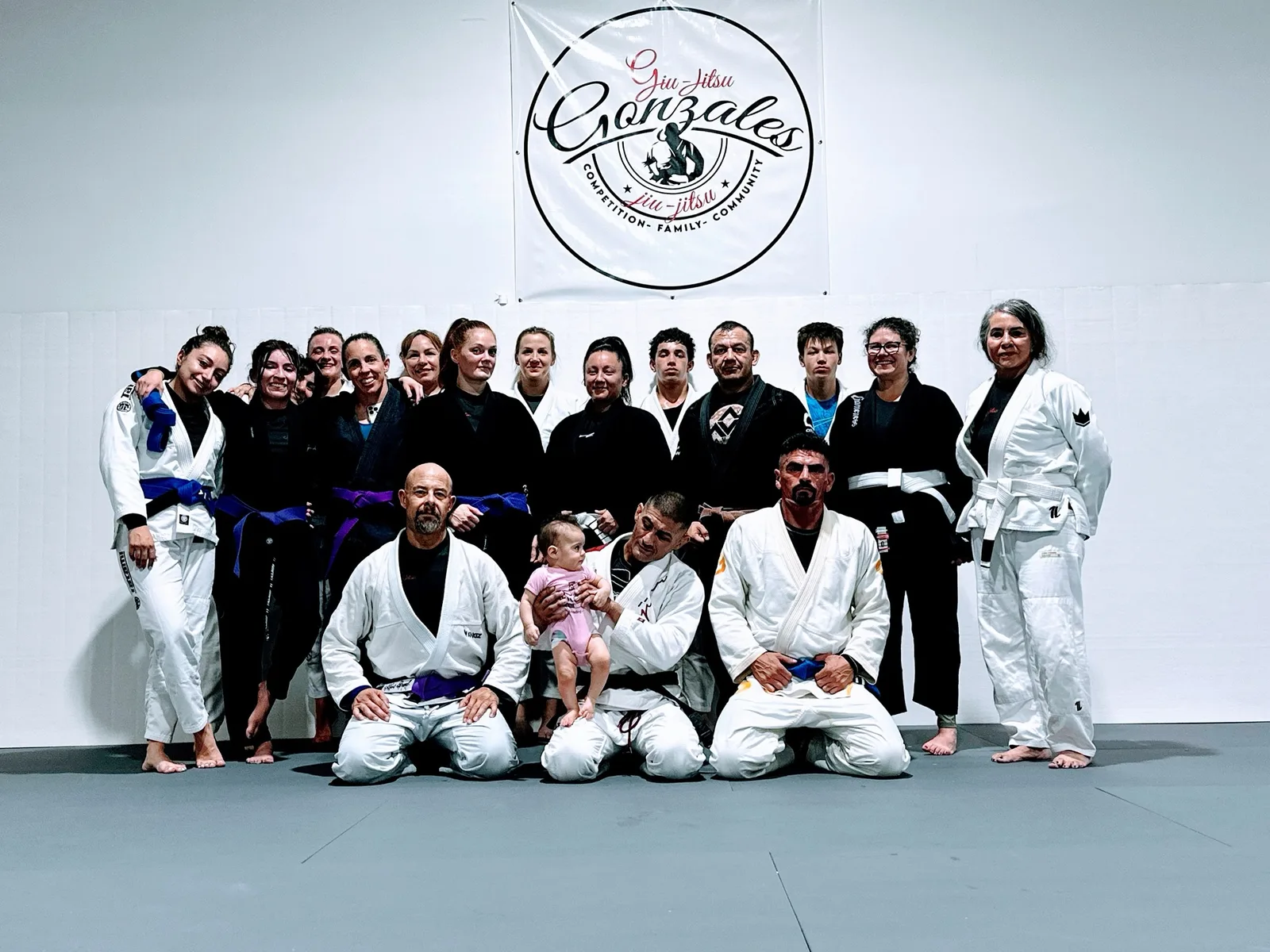
Beyond performance, comfort builds confidence. When your gi fits right, you focus on technique instead of adjusting straps. You're not worried about your uniform coming undone mid-roll. That mental clarity translates to better training and faster skill development. If you're training at a place like Gonzales JJ, your coaches will tell you the same thing: the right gear removes distractions and lets technique shine.
Understanding Women's Gi Sizing
Women's gis use a sizing system labeled F0 through F5, with F standing for "female." This is different from men's gis, which typically use A0, A1, A2, and so on.
Here's what the F sizes generally mean:
- F0: Petite athletes, usually under 5'2"
- F1: Small frame, typically 5'2" to 5'5"
- F2: Medium build, usually 5'5" to 5'8"
- F3: Larger frame, typically 5'8" to 5'11"
- F4: XL, usually 5'11" and taller
- F5: XXL for taller or broader athletes
Your height is only one part of the equation. Weight, shoulder width, and arm length all affect the fit. When you order, look for sizing charts that give you sleeve length and inseam measurements, not just general size ranges.
Most quality women's gis come pre-shrunk to around 90-95%, which means they've already gone through the shrinking process at the factory. That said, air-drying after washing is your safest bet to avoid additional shrinkage over time.
What to Look For in Material and Construction
The fabric of your gi needs to handle the physical demands of Brazilian Jiu-Jitsu. You're grabbing, being grabbed, falling, sweating, and washing that uniform constantly. Cheap gis fall apart. Good ones last years.
Heavy-duty jackets are standard in quality women's gis. The weave matters more than you might think. A tighter weave means your opponent has a harder time gripping. It also holds up better to repeated washing and heavy training.
The pants should be reinforced where it counts: the inner thighs, the crotch area, and the seat. These spots take the most wear and tear. Reinforced stitching along seams is non-negotiable. You don't want your gi ripping during a crucial tournament or a tough training session.
The belt that comes with your gi should be sturdy and tie securely. A loose belt during training is annoying and dangerous. Some gis come with thicker belts that hold up better over time.
Color, Design, and IBJJF Compliance
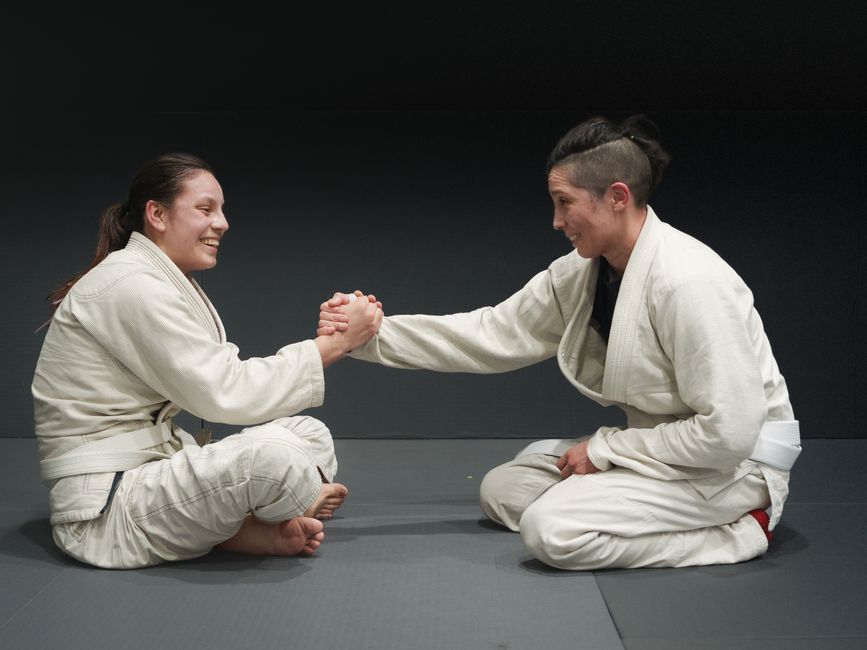
You've got choices when it comes to color and design. White is the classic and works for everything from casual training to official competitions. But modern women's gis also come in black, blue, and sometimes cream or light gray.
If you plan to compete in official tournaments, your gi needs to meet International Brazilian Jiu-Jitsu Federation (IBJJF) standards. That means it has to be one of the approved colors, the seams have to be reinforced in specific ways, and the fit has to meet technical requirements. Most quality women's gis are IBJJF legal, but always check before you buy if competition is in your plans.
Custom embroidery and personalization are popular, especially for athletes who train seriously. Your gym name, personal crest, or team logo makes your gi unique. Just make sure the embroidery doesn't violate IBJJF rules if you're competing.
Fit and Comfort Checkpoints
When you get your gi, here's how to check if it actually fits right:
- Jacket sleeves should end about two inches above your wrist when your arms hang at your sides
- The jacket should close comfortably in the front without pulling or gaping
- Pants legs should reach your ankles without dragging or bunching
- The waistband should sit at your natural waist and stay there when you move
- Nothing should feel tight across your shoulders or chest when you're in a fighting stance
Stand in your gi, get into a fighting position, and move around. Lunge. Twist. Throw an imaginary collar choke. If anything restricts your movement or feels awkward, it's not the right fit.
Durability and Long-Term Care
A good women's gi is an investment. With proper care, it'll last you years of training and competition.
Wash your gi in cold water after every training session. Sweat breaks down fabric fibers over time, and bacteria can grow. Air-dry whenever possible instead of using a dryer, which accelerates wear and can cause additional shrinkage.
Check the seams regularly for small tears. A tiny rip now is a two-dollar fix. Ignored, it becomes a ripped gi that's unusable. Most gis come with threading instructions or you can take it to a tailor who has experience with martial arts uniforms.
Rotate between two gis if you train frequently. Giving your uniform rest days lets the fabric recover and extends its life significantly.
Training in Your New Gi
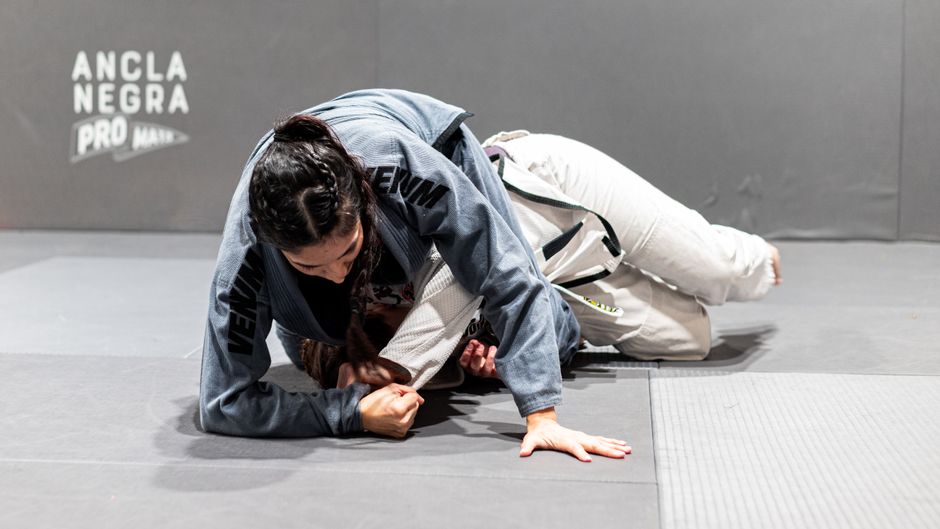
Once you've got your gi, the real work starts. Your uniform is a tool, and like any tool, it works best when you use it with intention.
In the first few weeks, focus on how your gi feels during training. Does it move with you? Does it restrict certain techniques? Get feedback from training partners and coaches who can see how it performs in live rolling.
If you're training at a serious academy, instructors will give you guidance on gi standards and recommendations based on their experience. Gonzales JJ emphasizes technique-focused training, which means your gi is part of your foundation for learning solid fundamentals that transfer to competition and real-world application.
Start your BJJ journey off (Free Class)
Get Started Today →Most importantly, don't overthink it. A well-fitting women's gi from a reputable maker will serve you well whether you're training twice a week or preparing for a tournament. The gear matters, but your commitment to showing up and training hard matters way more.
Key Takeaways for Choosing a Women's Gi
- Women's gis (F0-F5 sizes) are tailored for female body proportions and move restrictions better than unisex options
- Check sizing charts for sleeve length and inseam, not just general size ranges
- Look for heavy-duty, reinforced construction in the jacket, pants, and seams
- Pre-shrunk gis (90-95% pre-shrunk) minimize fit changes after your first wash
- If you compete, verify IBJJF compliance before buying
- Fit should allow full movement in fighting positions without pulling or bunching
- Air-dry after every wash and rotate gis to extend durability
Getting Started With Proper Training
Once you've got your gi dialed in, the next step is consistent, quality training under experienced instruction. A good gi is only half the equation. The other half is learning from coaches who understand your goals, whether that's self-defense, fitness, competition, or personal growth.
If you're in the Rio Rancho or Albuquerque area and looking for a training home that takes women's development seriously, Gonzales JJ is worth checking out. They're built on the philosophy that everyone grows and competes together, with personalized instruction that meets athletes where they are.
What's the difference between a women's gi and a unisex gi?
Women's gis have narrower shoulders, shorter sleeves, and a tapered waist to match female body proportions. Unisex gis are cut straighter and larger, which creates excess fabric that bunches during training and limits mobility. A women's gi will fit and perform better if you're female.
Do I need to buy an expensive gi to start training?
Not necessarily. A mid-range gi from a reputable maker will serve you fine when you're starting out. Focus on proper fit and basic quality (reinforced stitching, pre-shrunk fabric). As you train more and develop preferences, you can upgrade to premium options.
How often should I wash my gi?
Wash your gi after every training session. Sweat, bacteria, and grime break down fabric and create hygiene issues. Cold water and air-drying are your best friends for longevity. According to research on athletic fabric care from Nature, proper laundering extends the life of technical fabrics significantly.
Are women's gis allowed in official IBJJF competitions?
Yes, as long as they meet IBJJF technical standards for color, seam reinforcement, and fit. Most quality women's gis are IBJJF compliant. Check the manufacturer's specifications or contact the gi company directly if you're competing and want to be certain.
Start your BJJ journey off (Free Class)
Get Started Today →