
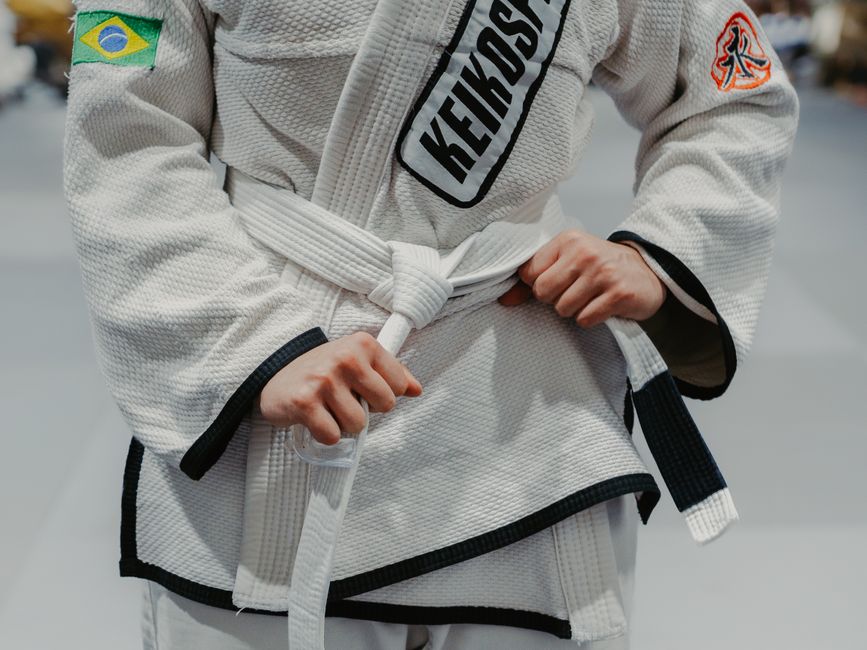
Picking the best Brazilian Jiu Jitsu gi brand comes down to three things: fit, durability, and how well it matches your training style. A gi that feels good in your first session might fall apart after three months of hard rolling. A beautiful design won't help you if it's too tight or too loose. Let's walk through what actually matters so you buy once and train for years.
What Makes a Quality Brazilian Jiu Jitsu Gi
Not all gis are created equal, and the price tag doesn't always tell the real story. A quality gi holds up under repeated washing, maintains its shape, and doesn't shrink into oblivion after the first few weeks of training.
The seams matter more than you'd think. Double or triple-stitched seams stay tight when someone's pulling your collar or gripping your sleeves. Cheap gis use single stitching that starts to fray after a month of serious training. Look at the collar, the cuffs, and especially where the sleeves attach to the body.
Weight and weave also impact how a gi performs. Lighter weaves (around 400-550 gsm) dry faster and feel more comfortable during long sessions. Heavier weaves (650+ gsm) take longer to dry but handle aggressive training and frequent washing without breaking down as quickly. Aeroweave material is a sweet spot for daily training because it balances comfort with durability, letting you wash and train regularly without premature wear.
How Fit Affects Your Training Performance
A poorly fitting gi will mess with your game more than a low-quality one. Too loose and you're dragging fabric around the mat, burning extra energy and giving opponents too much material to grab. Too tight and you can't move freely, you're uncomfortable for the entire class, and you risk unnecessary strain on joints.
When trying on a gi, your sleeves should end about halfway between your wrist and knuckles. The pants legs should stop at your ankle without bunching up. The jacket should close without a gap at the front, but not so snugly that you can't move your shoulders. Ideally, you should test it during a rolling session before committing to buying a second one.
Sizing varies wildly between brands. A size 2 from one maker might fit like a size 3 from another. If you're ordering online, check the actual measurements (in inches or centimeters) rather than relying on size numbers alone. Your height and weight matter, but so does how the brand cuts their jackets and pants.
Material and Weave Types to Consider
Cotton blends are the standard for BJJ gis. They're breathable, comfortable, and affordable. Pure cotton gis exist but tend to absorb more sweat and take forever to dry.
Single-weave gis use a basic cotton weave that's light and fast-drying. They're great for beginners and warm climates, but they don't last as long under heavy use. Ripstop gis mix cotton with ripstop nylon to resist tearing, especially around the knees where your gi gets the most friction from the mat.
Pearl weave gis have a tighter, more textured surface that looks premium and holds up well to repeated training. They cost more upfront but often last longer, which can make them a better value over time.
Aeroweave materials blend durability with comfort by using a lighter, more breathable construction that doesn't sacrifice strength. If you're training multiple times per week, an aeroweave gi lets you get more wear out of your investment while staying cool during intense sessions.
Budget-Friendly Options Without Sacrificing Quality
You don't need to spend a fortune on your first gi, and you definitely don't need to buy the most expensive one to get something that works. Mid-range gis often deliver the best value because they use decent materials and construction without the designer markup.
Focus on brands that prioritize basic quality over flashy designs. A plain gi with solid seams and good fabric will outperform a beautiful one made from thin material and weak stitching. Buy from established brands with proven track records rather than jumping on the latest trend.
Consider buying a gi that's a season or two old if the current version is out of stock. Last year's model is often the same quality at a discount. Avoid clearance gis from unknown brands—that low price usually means the gi failed quality control or won't hold up to your training schedule.
Choosing a Gi Based on Your Training Style
Competitive athletes who roll hard and train multiple times daily need different specs than casual students. If you're preparing for tournaments, choose a gi engineered for durability since you'll be washing it frequently and training aggressively. Pearl weave or ripstop materials are worth the extra investment.
If you're training for self-defense or general fitness, a lighter, more comfortable gi makes sense. You won't be washing it as often or subjecting it to the same intensity, so a single-weave aeroweave gi gives you comfort without overspending.
Beginners often benefit from trying on different gis before deciding on a brand. Some academies let you borrow a gi for your first few classes—take advantage of that. Once you know what weight and fit feel best for your body, you can make a smarter purchase.
If you're training at Gonzales JJ, ask the instructors about what works best for your body type and training goals. They've seen students train in dozens of different gis and can point you toward styles that actually perform in the academy.
Start your BJJ journey off (Free Class)
Get Started Today →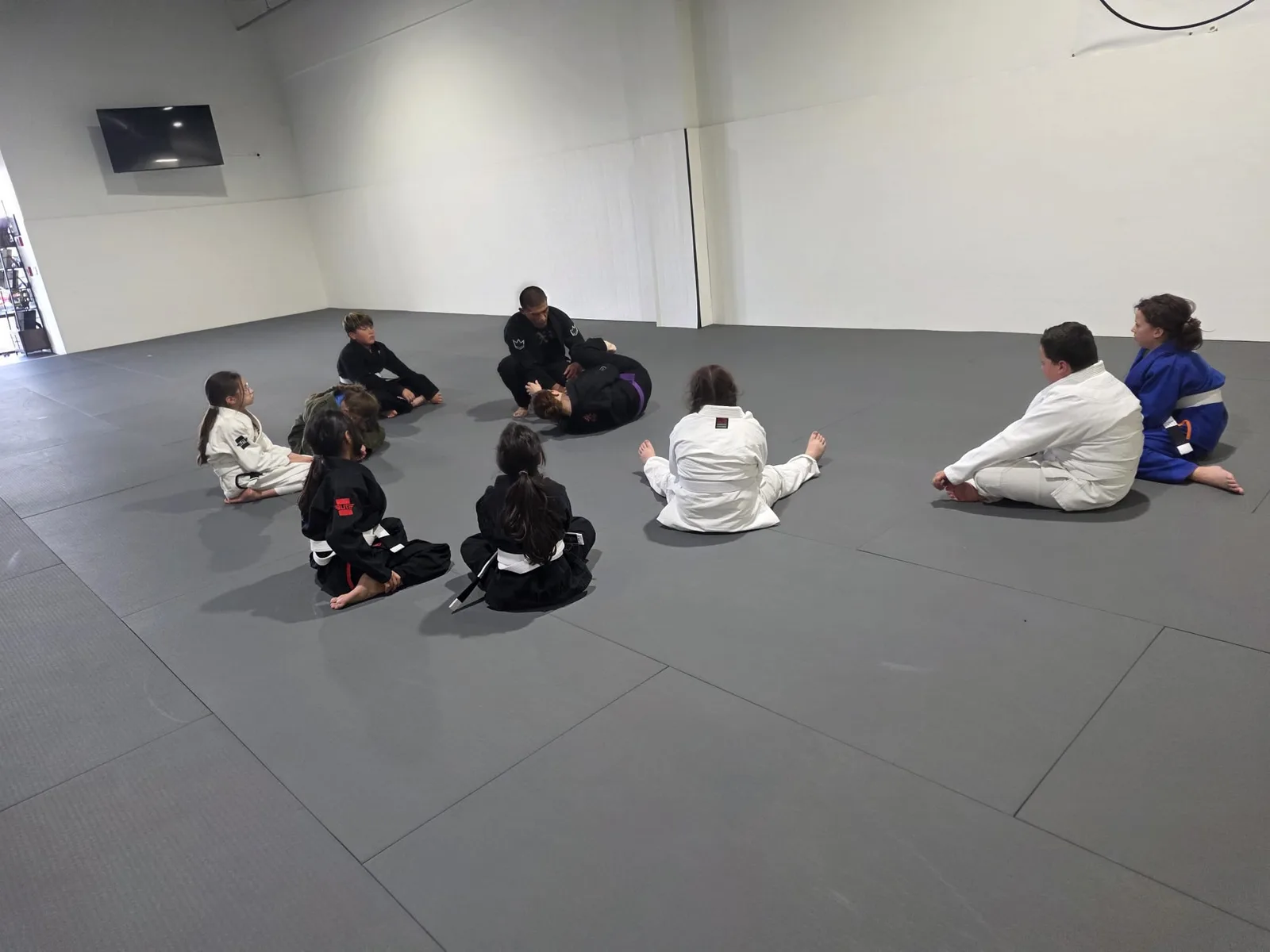
Complementary Gear to Consider
Your gi doesn't exist in a vacuum. Rash guards worn under your gi extend its lifespan by reducing direct sweat contact with the fabric. They also add a layer of protection and help regulate body temperature during long sessions.
Gi pants alone can be purchased separately if the jacket wears out first (or vice versa), so you don't always need to replace the entire gi. Belts, tape, and patches let you customize your gi without buying a new one.
Related: Jiu Jitsu Ear Guard: Complete Buying & Protection Guide
Related: Brazilian Jiu Jitsu in Albuquerque, NM: Your Complete Guide
Invest in proper care. A mesh gi bag lets your gi dry between washes, preventing mildew and odor. Hand-washing or using a gentle cycle extends the life of the fabric compared to aggressive machine washing. Air-drying (never the dryer) keeps seams strong and prevents excessive shrinkage.
Common Mistakes to Avoid When Buying a Gi
Don't buy based on looks alone. That gorgeous design won't matter if the gi falls apart or doesn't fit right. Function first, aesthetics second.
Don't assume your regular clothing size matches your gi size. Gis run differently, and sizing is inconsistent across brands. Check specific measurements before ordering.
Don't skip checking reviews from other BJJ athletes. Real feedback about durability and fit is worth more than marketing claims. Look for patterns—if multiple people mention seams tearing or shrinkage issues, that's a red flag.
Don't cheap out on your first gi thinking you'll upgrade later. A bad experience with a low-quality gi might discourage you from training. Spend a bit more on something solid from the start so you actually enjoy showing up to class.
Frequently Asked Questions
How often should I replace my gi?
A quality gi lasts anywhere from one to three years depending on how often you train and how well you care for it. Heavy daily training wears out a gi faster than training two or three times per week. When seams start separating, fabric tears, or the gi won't stay closed at the front, it's time for a new one.
Does an expensive gi always perform better?
Not necessarily. Price reflects brand reputation, design, and sometimes excessive markup. A mid-range gi from an established brand often outperforms an expensive one from a hype brand. Compare construction quality and material specs rather than focusing on the price tag.
Can I wash my gi in the washing machine?
Yes, but use a gentle or delicate cycle with cold water. Hot water and aggressive cycles cause unnecessary shrinkage. Air-dry completely instead of using a dryer—heat damages seams and fabric. Hand-washing is gentler if you want maximum lifespan, but machine-washing on gentle still works fine for most gis.
What's the difference between gi brands if they all use similar materials?
Brand differences come down to seam construction, fit consistency, and quality control. Some brands cut their jackets and pants differently, which affects how they fit your body. Others maintain stricter standards for stitching and fabric inspection. You won't find a massive quality gap between mid-range brands, but small differences in fit and durability add up over months of training.
Start your BJJ journey off (Free Class)
Get Started Today →