
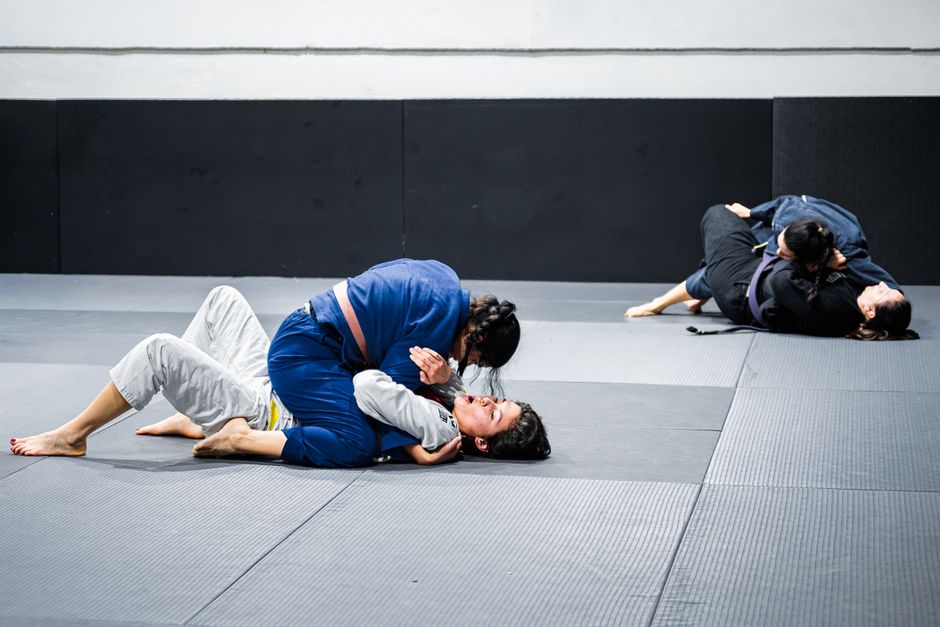
Brazilian Jiu Jitsu has exploded in popularity across New Mexico, and Albuquerque is no exception. Whether you're searching for self-defense training, competitive coaching, or a family-friendly gym where your kids can build confidence, there are solid options right in your backyard. This guide walks you through finding the right BJJ academy in Albuquerque, what to expect as a beginner, and how to choose a gym that matches your goals.
What Brazilian Jiu Jitsu Academies Are Available in Albuquerque?
Albuquerque has multiple established BJJ gyms spread across different neighborhoods. Carlson Gracie Albuquerque, led by Professor Daniel Souza, is recognized as one of the top academies in New Mexico and focuses on technical precision and competitive excellence. Gracie Barra also operates in the area on Academy Road NE, offering group classes and structured belt progression programs. You'll also find 10th Planet Jiu Jitsu and Impact Jiu Jitsu Albuquerque with solid reputations and active student bases.
The good news: you have real choices. Most of these academies are drop-in friendly, meaning if you're visiting or want to try different gyms before committing, you can usually book a class in advance and join the mat.
How Do You Choose the Right BJJ Gym for You?
Picking a gym is personal, and it's worth thinking through what matters to you before you sign up.
- Training philosophy: Some gyms emphasize competition and aggressive rolling. Others focus on technique, safety, and progression. Both are valid, but they feel different.
- Class schedule: Do they have classes that fit your work or school schedule? Mornings, evenings, weekends?
- Instructor experience: Look for instructors with legitimate credentials, competition history, or time on the mat. This matters for your development.
- Community vibe: Visit or watch a class if you can. Do people seem supportive? Do beginners get attention? Or is it all about the elite competitors?
- Family programs: If you're bringing kids, make sure they have age-appropriate classes with instructors trained to work with younger students.
- Price and flexibility: Budget varies widely. Some academies offer drop-in rates, monthly memberships, or contracts. Contact gyms directly to compare what works for your wallet.
When you're ready to commit, Gonzales JJ is also worth exploring if you're in the Rio Rancho area or willing to travel slightly outside Albuquerque proper. Founded by world-champion competitors Abie and Laura Gonzales, the academy is built on personalized instruction and a philosophy that every student becomes a winner both on and off the mat.
What Should You Expect as a Beginner in Albuquerque?
Your first class can feel intimidating. That's normal. Here's what actually happens.
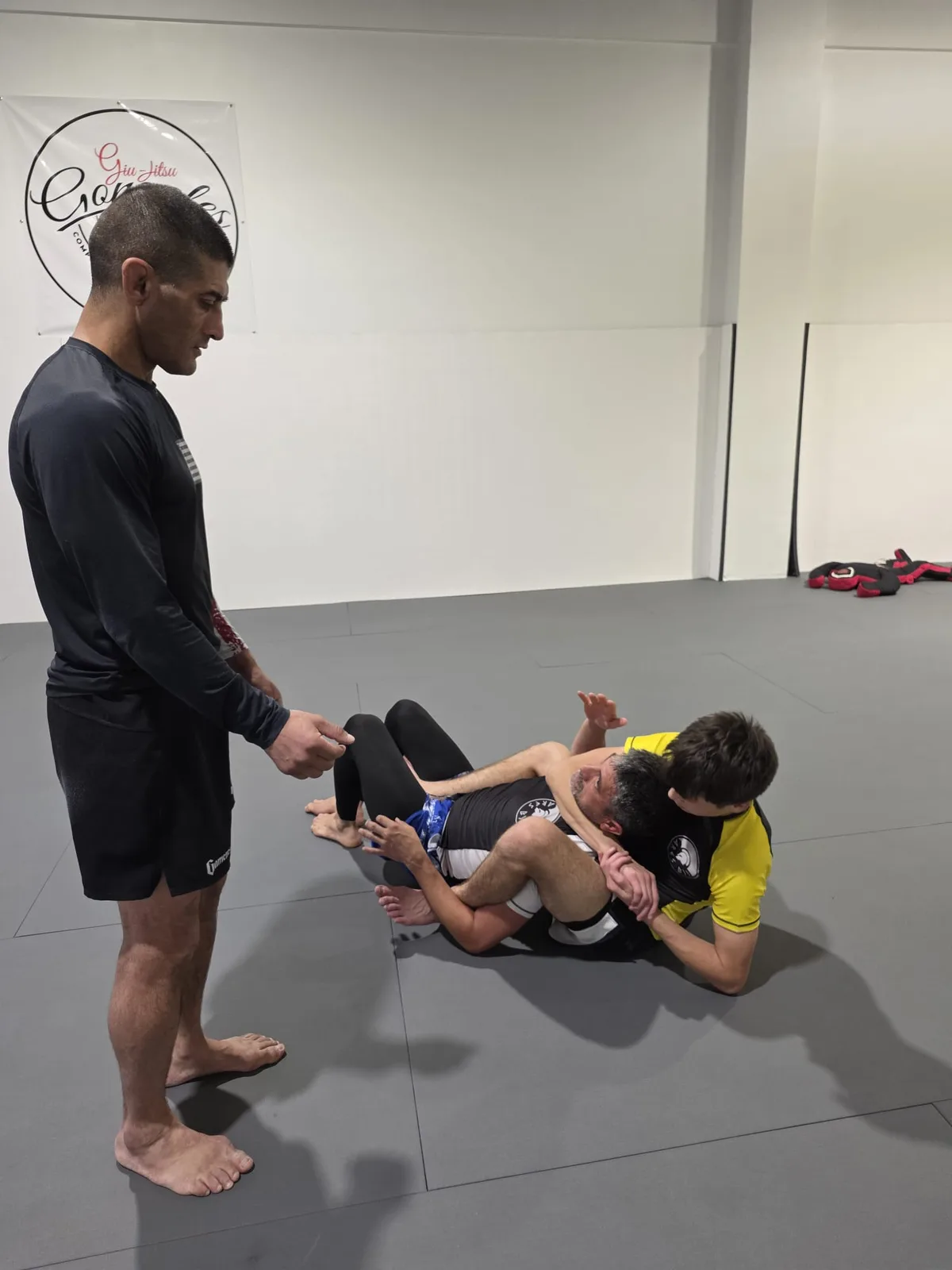
You'll show up a few minutes early, meet the instructor, and mention you're new. They'll have you observe or do a light warmup while they explain basic safety rules. BJJ is contact-heavy, so gyms take injury prevention seriously. You'll learn to tap (submit) immediately if something feels wrong, and training partners will respect that 100% of the time.
Most beginner classes start with fundamentals: how to move your hips, basic escapes, simple submissions like the armlock or rear-naked choke. You won't roll (spar) hard on day one. Instructors will pair you with experienced students who understand their job is to help you learn, not crush you.
Expect to be sore. Your forearms, shoulders, and hips will let you know they did work. That soreness is temporary and fades after 2-3 weeks as your body adapts.
How Long Does It Take to Get Good at Brazilian Jiu Jitsu?
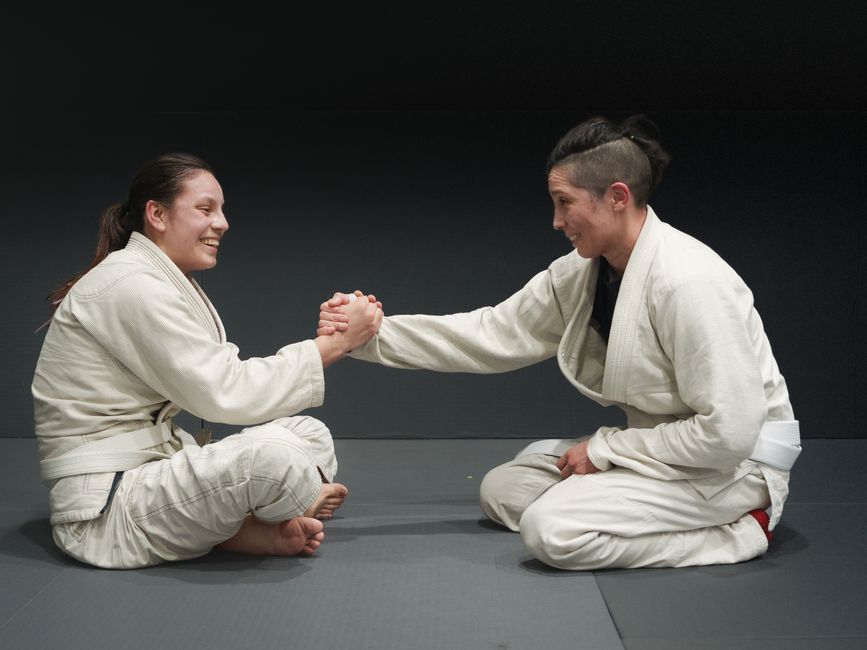
Progress in BJJ isn't linear, and timelines vary. Here's a realistic breakdown:
- First 3 months: You're learning survival positions and basic escapes. You'll feel clumsy. This is correct.
- 6-12 months: You'll earn your first belt stripe or advance to the next belt rank. Positions start to make sense. You can execute simple submissions and understand basic defense.
- 1-2 years: You're dangerous to untrained people and respectable against beginners. You understand distance and timing.
- 5+ years: You've earned legitimate rank (blue, purple, brown belt territory) and can teach others with confidence.
Black belt typically takes 10 years of consistent training. The belt system is intentional: it keeps you humble, focused, and learning forever. That's the culture of BJJ.
Start your BJJ journey off (Free Class)
Get Started Today →Is Brazilian Jiu Jitsu Actually Effective for Self-Defense?
Yes, with an important caveat: it's most effective against untrained opponents, and it requires you to actually train regularly. Research on grappling martial arts consistently shows that ground control skills give trained practitioners a significant advantage in unpredictable situations.
BJJ teaches you how to control someone without relying purely on strength or speed. If you're smaller or physically outmatched, technique can level the playing field. You learn positional control, escapes, and submissions that let you neutralize a threat or create distance to escape safely.
That said, the goal of self-defense training is always avoidance first, de-escalation second, and physical defense only as a last resort. Good gyms in Albuquerque will teach this mindset alongside the technical skills.
What Do You Need to Bring to BJJ Class?
Very little, actually. Your first week or two, wear comfortable athletic shorts and a t-shirt. Once you're committed, you'll need a gi (the uniform). You can buy one online or ask your gym for recommendations.
- Gi (after your first few classes)
- No shoes on the mat
- Fingernails trimmed short (safety rule)
- No jewelry
- A water bottle
- A towel for afterward
Most gyms provide belts and won't let you test for rank without a proper gi. But that's down the road. Your first focus is showing up consistently and learning the fundamentals.
How Do You Stay Safe While Training?
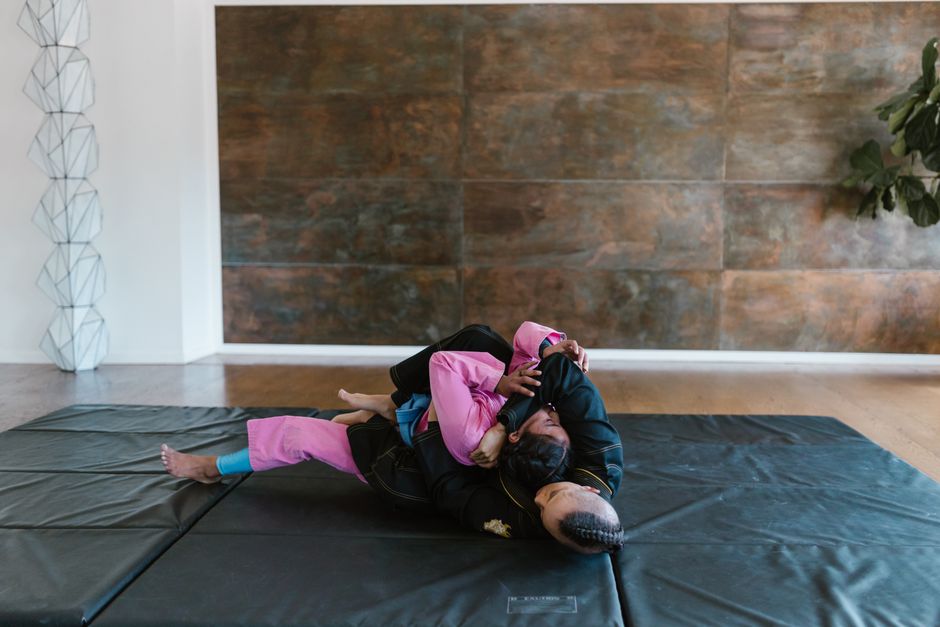
Safety is non-negotiable in legitimate BJJ gyms. Here's what separates responsible training from reckless training:
- Tapping is sacred: If someone taps, you release immediately. No ego. No hesitation.
- New partners go slow: Experienced students know to adjust intensity when working with beginners. Pace is controlled.
- Instructors watch: A good coach circulates the mat, corrects technique, and stops rolled that get out of hand.
- No heel hook submissions for beginners: Some dangerous techniques are restricted by belt level for good reason.
- Communicate: Tell your partner if something feels wrong. Tell the instructor if you have an injury or concern.
BJJ is a full-contact sport, so bumps and minor injuries happen. But serious injuries are rare when people train smart and respect the rules.
Finding the Right Fit in Albuquerque
Your best move is to contact gyms directly, ask about drop-in rates, and visit 2-3 classes before committing. Talk to current students. Watch how the instructor treats beginners and whether people seem genuinely happy to be there.
Albuquerque's BJJ community is growing, and that's awesome for you. Competition pushes academies to improve, instructors to stay sharp, and the entire experience to get better. Whether you choose one of the established names or explore newer options like Gonzales JJ, the key is finding instructors who care about your growth and a community where you feel welcome.
People Also Ask
Can you drop in to BJJ classes in Albuquerque if you're visiting?
Most Albuquerque BJJ gyms accommodate visiting practitioners. Contact the academy ahead of time to confirm their drop-in policy, class schedule, and any fees. Bring your gi if you have one, but many gyms will let you try a class in regular workout clothes first.
What's the age range for BJJ classes in Albuquerque?
Albuquerque gyms typically offer kids' classes (usually age 4+), teen classes, and adult classes. Some academies combine age groups in fundamentals classes, while others keep them separate. Ask when you call.
How much does BJJ training cost in Albuquerque?
Pricing varies by academy. Most offer monthly memberships, drop-in rates, or class packages. Contact gyms directly for current rates, as prices fluctuate and different membership levels come with different perks.
Do you need a gi to start Brazilian Jiu Jitsu in Albuquerque?
No. Your first few classes, wear comfortable athletic clothes. Once you decide to continue, you'll need a gi to train regularly and test for belt ranks. Your instructor can recommend where to buy one.
Start your BJJ journey off (Free Class)
Get Started Today →