
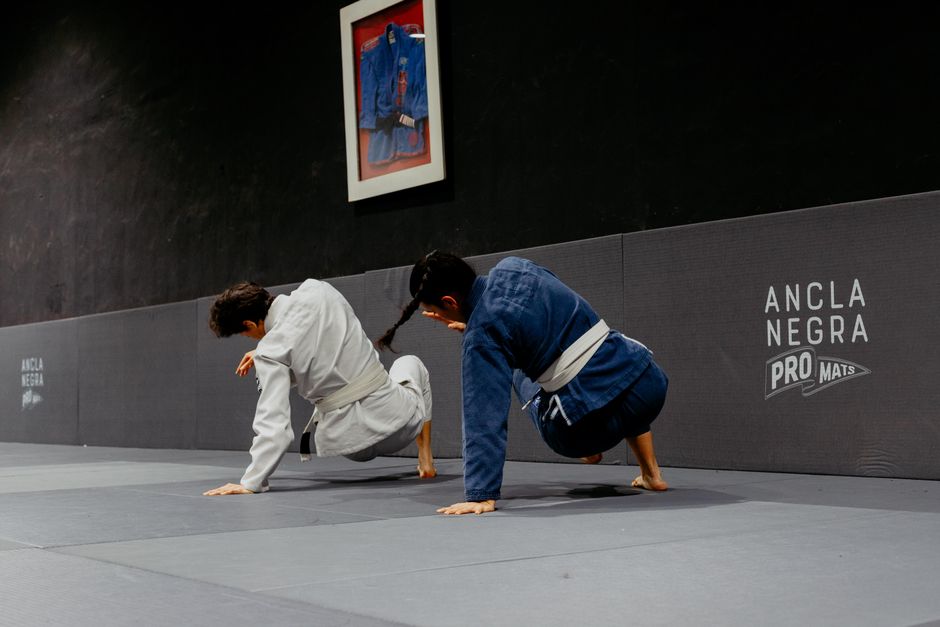
Stepping onto the mats at a BJJ dojo for the first time is exciting and a little nerve-wracking. The good news? It's way less mysterious once you know what to expect. Whether you're showing up to learn self-defense, get in better shape, or compete, understanding the basics of dojo culture, what to wear, and how training actually works will help you walk in confident and ready to learn.
What to Wear to Your First BJJ Class
Your outfit matters more than you'd think. It protects you, respects the mat, and shows you're taking training seriously.
Most BJJ dojos expect you to wear one of two things:
Related: What to Expect Walking Into a Jiu-Jitsu Dojo in Rio Rancho
Related: What to Expect When You Walk Into a Jiu-Jitsu Dojo in Rio Rancho
- A gi (pronounced "ghee") - the traditional white, blue, or black kimono-style uniform. This is the standard for technique-focused training and competition prep.
- A rashguard and athletic shorts - common for open mat sessions and casual training days. The rashguard is a fitted athletic shirt that prevents skin-to-skin contact.
Talk to your instructor or dojo ahead of time about which is expected for your first class. Gonzales JJ and other quality academies will tell you exactly what to bring, and many offer loaner gis if you don't own one yet.
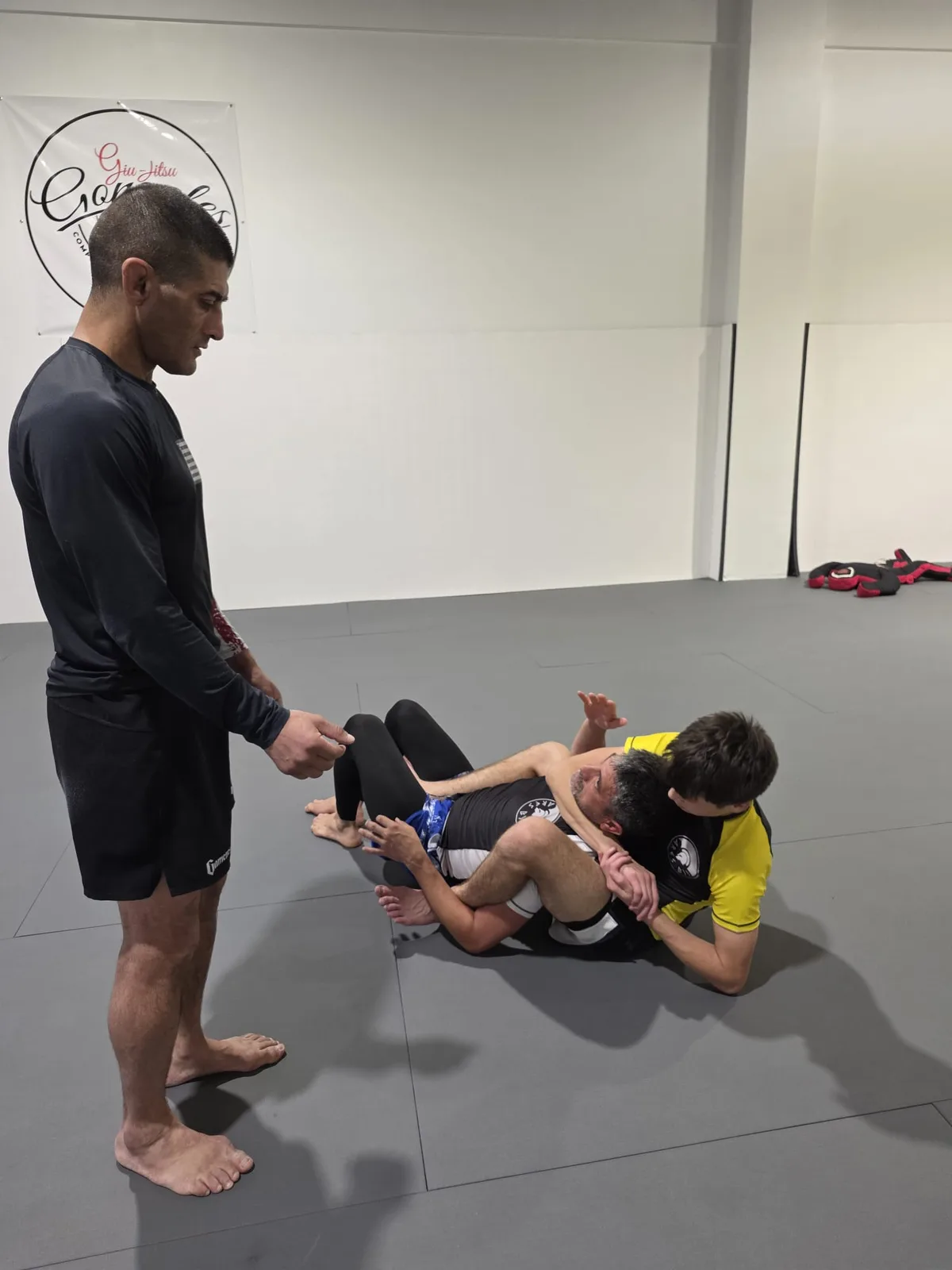
Jewelry and Accessories Must Go
Before you even step on the mats, remove everything that "jingles or shines."
That means:
- Watches and wristbands
- Rings and jewelry
- Necklaces and chains
- Earrings (unless they're small studs and your dojo allows them)
- Phone, wallet, and keys
Why? Sharp or hard objects can cut you or your training partners during rolls. Plus, jewelry can scratch the mats or trap fingers. Most dojos have a strict no-jewelry rule on the mats. Even if something feels small and harmless, leave it in your locker or car.
Understanding Mat Etiquette
BJJ dojos have a specific culture, and the mats are taken seriously. Here's what you need to know.
On the Mats: Training time is focused and respectful. You'll see partners working together intensely, and the vibe is professional. No horsing around, no sudden movements outside of technique, and no talking over the instructor. When the instructor is teaching, you watch and listen. When you're rolling (sparring), you give it your full effort while staying safe.
Off the Mats: The moment you step off, the atmosphere loosens up. People chat, laugh, ask questions, and build genuine friendships. Dojos are communities.
The key is reading the room. If class is in session, stay quiet and focused. If you're waiting for your turn or after class ends, be social and ask questions. Most people at a BJJ dojo are genuinely welcoming to beginners, especially when you show respect for the space and the training.
Related: Best Jiu-Jitsu Techniques Step by Step PDF for Beginners
How Training Actually Works
Your first class will likely follow a similar structure to most BJJ sessions.
Warm-up: The instructor leads the group through stretches, light cardio, and basic movement drills to get your body ready. Expect to break a sweat just from the warm-up.
Technique Teaching: The instructor demonstrates a specific technique or position. You'll learn the steps, the details, and common mistakes. Then you'll practice the technique slowly with a partner, usually starting from a safe position.
Drilling: You'll repeat the technique over and over with a partner, building muscle memory. This is where you learn. It's not about "winning" yet.
Rolling (Sparring): Some classes end with open rolling, where you practice everything you know against a partner who's also practicing. Your partner will likely be experienced and will adjust their intensity to match yours. Beginning rolls are light and controlled. Nobody's trying to hurt you on your first day.
What Your First Roll Feels Like
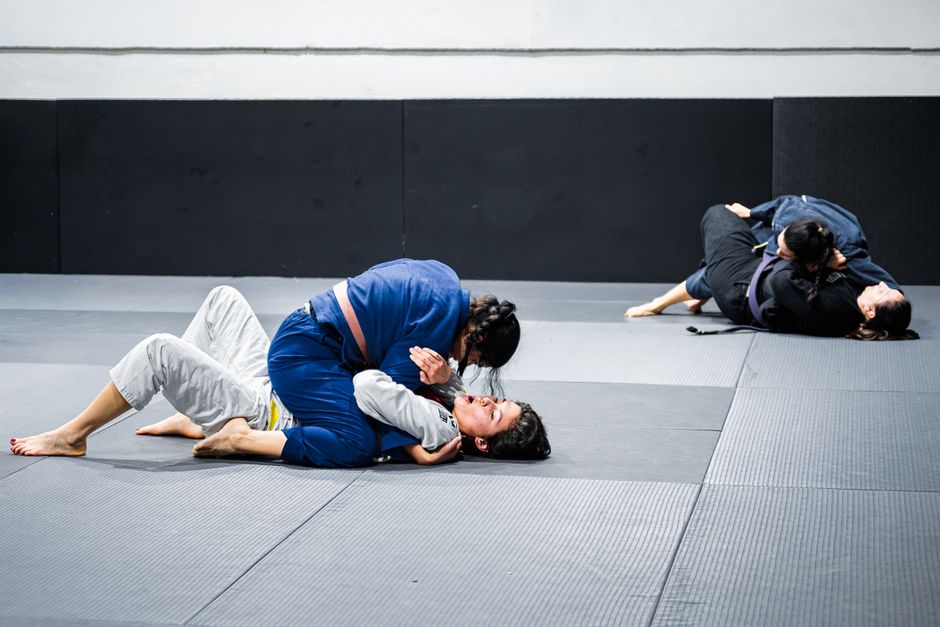
Your first time rolling is usually a mix of fun and humbling. You'll realize how much you don't know yet, and that's totally normal.
You'll probably get "tapped out" a few times. That's when your partner submits you, usually by applying pressure to a joint or choking you gently to signal they've won that position. You tap the mat or their body to signal you're done, they release, and you start again. It's not aggressive or violent. It's problem-solving with your body.
Most experienced partners will go easy on you, help you understand positions, and give you chances to work on offense. They remember being a beginner.
Be honest about your level. If you're brand new, say so. If something hurts (not just feels tight), tap immediately. There's no shame in tapping. It's the safe way to train.
How Often Should You Train?
Your commitment level affects how fast you progress, which is worth thinking about from day one.
Training once a week gets you in the door and gives you basic exposure to technique. You'll learn and improve, but slower.
Training two to three times a week is the sweet spot for steady improvement. You'll retain what you learned, build conditioning, and see real skill development within a few months.
Training more frequently (four to seven times a week) is for people serious about competition or personal mastery. You'll develop faster, but it requires commitment and recovery.
Start with what fits your schedule, then adjust. Most people find their rhythm after a month or two. The best frequency is the one you'll actually stick to.
Choosing the Right Dojo Matters
Not all BJJ dojos are created equal. The instructor and the community make the biggest difference in your experience.
Look for dojos with credible, experienced instructors who have a real background in BJJ competition or teaching. Ask about their qualifications. A good instructor genuinely cares about technique, safety, and your progress. They'll make time to help beginners, correct your form, and build your confidence.
The best dojos also foster a community feel. People support each other, celebrate wins together, and help each other improve. You should feel welcome and included from day one.
If you're in the Rio Rancho or Albuquerque area, Gonzales JJ is built exactly on this foundation. Founded by world-champion competitors Abie and Laura Gonzales, it's a family-friendly gym where everyone grows and competes together. Whether you're a kid looking to build confidence, an athlete chasing competition, a first responder training for the field, or an adult learning self-defense, the focus is on technique and becoming a winner both on and off the mats.
Start your BJJ journey off (Free Class)
Get Started Today →What to Bring and Prepare
Show up ready, and you'll feel more confident.
- Your gi or rashguard/shorts - clean and ready to wear
- A towel - you'll sweat
- Water bottle - stay hydrated
- Flip-flops or slides - for getting to and from the mats without tracking dirt
- A clean mindset - leave your ego at the door and come to learn
Arrive a few minutes early so you can change and introduce yourself to the instructor. Let them know it's your first time. They'll pair you with an experienced partner and watch out for you.
Safety First: Common Injuries to Avoid
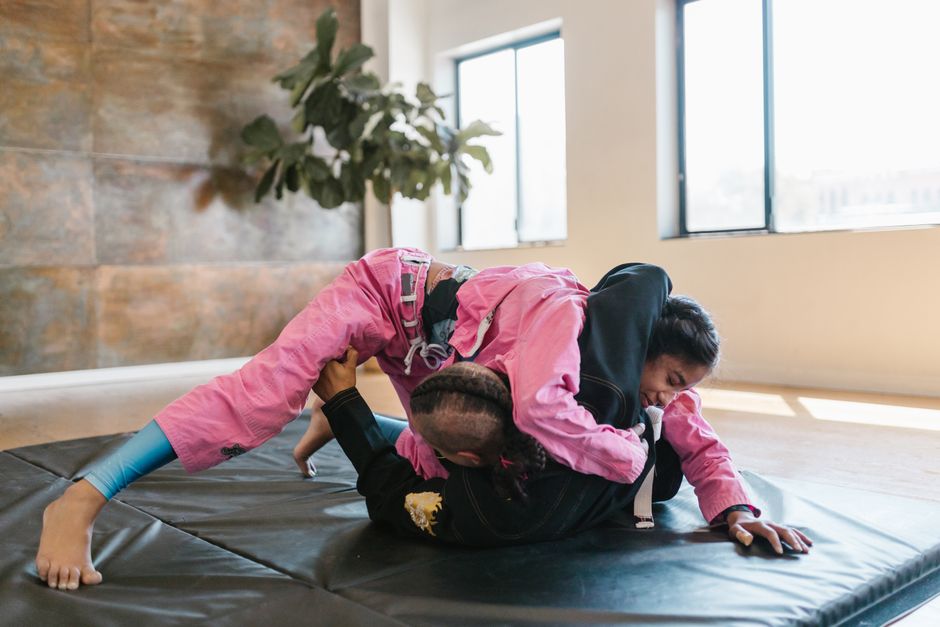
BJJ has a reputation for safety when trained correctly. The submission-based nature means you tap before serious injury happens, unlike striking sports.
That said, common beginner injuries include cauliflower ear (from repeated friction to the ear), finger and toe injuries, and occasional knee or shoulder strain from bad position or over-training.
You avoid most of these by tapping early, not fighting submissions, maintaining good posture, and training smart. If something hurts, tell your partner. If you have a pre-existing injury, mention it to your instructor before class. Most issues come from ego or ignoring pain signals, not from the training itself.
For more on training injuries and prevention, check peer-reviewed research on martial arts injury prevention.
The Mental Side of Stepping On the Mats
BJJ is as much a mental game as a physical one. Your first class will teach you that fast.
You'll face moments where you feel stuck, out of control, or frustrated. That's the learning process. Every person in that dojo has been there. The black belts rolled as white belts. The competitors started as nervous beginners.
The dojo culture emphasizes growth over ego. You're not trying to prove anything to anyone. You're working on yourself. That mindset shift is one of the biggest benefits of training, and it starts on day one.
Many people come to BJJ for fitness or self-defense, but stay for the mental discipline and confidence it builds. You learn to stay calm under pressure, problem-solve on the fly, and respect the journey of improvement. That translates everywhere in life.
Your Expectations vs. Reality
Most beginners expect to be naturally good at BJJ or to learn everything in a few classes. Reality: you'll feel clumsy at first, and that's exactly right.
You won't catch the advanced techniques the instructor shows. You won't be able to escape the most basic holds. You'll get tired faster than you thought. All of that is normal. Everyone goes through it.
What surprises most people is how much they enjoy it despite (or because of) the difficulty. There's something deeply satisfying about learning a new technique, rolling with a partner, and feeling yourself improve week to week.
By week four or five, you'll notice you're remembering positions, escaping holds you couldn't escape before, and understanding the flow of the game. By three months, people are often surprised at how much they've changed physically and mentally.
Before You Walk In: Final Checklist
- Call or message the dojo to confirm what to wear and what time to arrive
- Show up clean and with clean gear
- Remove all jewelry and accessories
- Bring water
- Tell the instructor it's your first time
- Go in ready to learn, not to win
- Respect the mats and the people training on them
- Ask questions after class, not during
- Come back next week
Ready to Start Your BJJ Journey?
Now that you know what to expect, the hardest part is just showing up. Stepping onto the mats for the first time takes courage, and every person in that dojo respects that.
If you're in the Rio Rancho area and looking for a place where beginners are genuinely welcomed and coached with excellence, Gonzales JJ specializes in helping first-timers build confidence, learn proper technique, and become part of a real community. Whether you're interested in self-defense, fitness, or competition, there's a path for you.
The biggest thing to remember: everyone on those mats started exactly where you are now. The culture of BJJ is built on respect, patience, and helping each other grow. You're not walking into a room of judges. You're walking into a community.
What if I'm too nervous to roll on my first day?
You don't have to. Most instructors won't push you into rolling until you feel ready. Spend your first class learning technique and drilling. Observe the rolls happening around you. When you feel comfortable, ask to roll light. There's no rush.
Will I get hurt in my first class?
Unlikely. Beginner classes are designed to be safe. Your partners will be controlled, the instructor will watch you, and the whole point of tapping is to prevent injury. More people get injured from bad posture at a desk than from a properly run BJJ class.
Do I need to buy my own gi right away?
Not necessarily. Many dojos, including beginner-friendly academies, have loaner gis for your first few classes. Once you know you're committed, buying your own gi is a good investment. It's about $80-150 for a quality beginner gi.
What if I'm way out of shape or older than everyone else?
BJJ dojos are filled with people of all ages and fitness levels. The training scales to you. You'll work at your pace, and the conditioning comes as you train. Age is actually an advantage in some ways because experience and patience matter more than raw athleticism in BJJ.
Start your BJJ journey off (Free Class)
Get Started Today →