
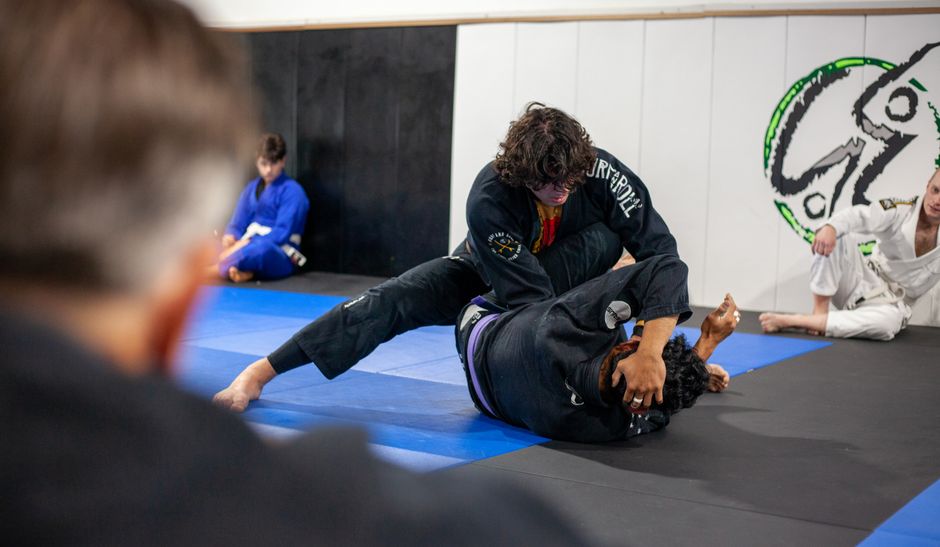
A jiu jitsu class is structured grappling training where you learn techniques, drill movements with partners, and build both physical and mental toughness. Most classes run 60 minutes and mix instruction, partner drills, and live rolling (sparring). Whether you're looking for fitness, self-defense, or competitive training, a jiu jitsu class teaches you a martial art that works for every body type and age.
What Happens in a Typical Jiu Jitsu Class
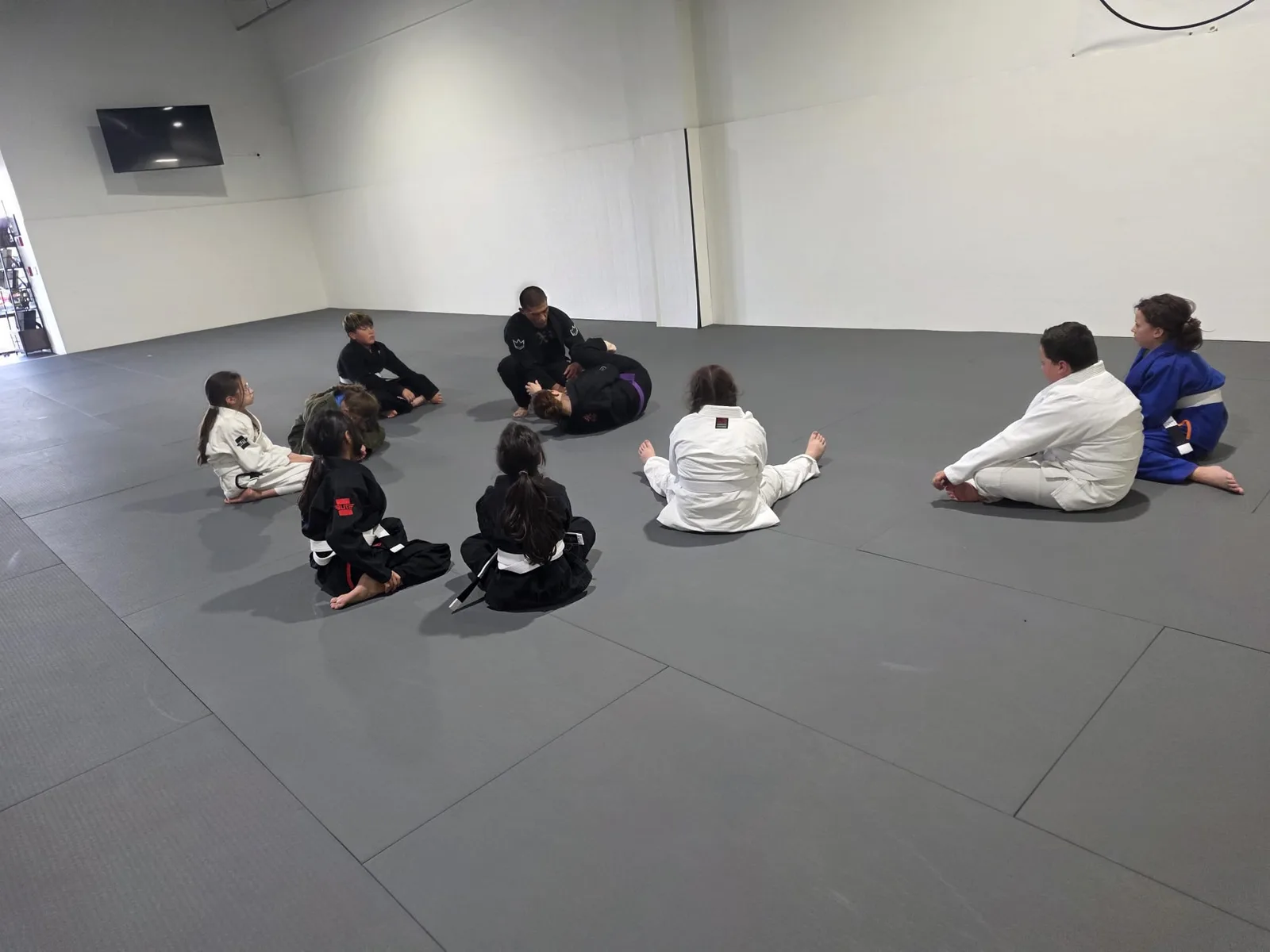
You'll show up a few minutes early, change into your gi (the traditional uniform) or athletic wear for no-gi classes, and step onto the mat. The instructor starts with a warmup—usually 5-10 minutes of stretching, movement drills, and cardio to get your blood moving.
After warmup comes instruction. The instructor demonstrates a technique (maybe an arm drag, a guard pass, or a mount escape) step by step. You watch, ask questions, and then pair up with a partner to practice the same move over and over. This is called drilling, and it's where you build muscle memory.
The last 10-15 minutes is often open rolling, where you spar with partners at controlled intensity. You're not fighting to hurt anyone—you're problem-solving in real time. Your partner is trying to submit you; you're trying to escape or submit them. It's intense but controlled.
The whole vibe is collaborative, not aggressive. Gonzales JJ and most quality academies emphasize that everyone grows and competes together, regardless of experience level.
Gi vs. No-Gi Classes: What's the Difference
A gi class uses the traditional uniform—a heavy cotton jacket, belt, and pants. You grab the fabric and sleeves to control your opponent. It's technical and strategic.
No-gi classes use shorts and a rash guard (like a compression shirt). No fabric to grip means you rely on body positioning, timing, and control. It's faster-paced and mimics self-defense scenarios more closely.
Most beginners should start with gi classes because they're slower and more forgiving. But both styles are valuable, and good academies offer both.
What to Wear Your First Day
You don't need to buy anything yet. Wear clean athletic shorts and a t-shirt for your first class. Most academies have loaner gis, or you can ask the instructor what to bring.
If you decide to buy a gi later, look for one that fits snug but lets you move. You'll also need a belt—color depends on your rank, but everyone starts white.
Bring a towel, water bottle, and flip-flops or slides. Bare feet on mats is standard, but you'll want something to wear walking to and from the locker room. Leave jewelry, watches, and anything sharp at home.
Who Should Take a Jiu Jitsu Class
Literally anyone. Kids as young as 4 start jiu jitsu and learn discipline, anti-bullying skills, and confidence. Teenagers use it for fitness and competition. Adults take classes for self-defense, stress relief, and community. First responders and military personnel train because jiu jitsu builds real-world control and problem-solving under pressure.
You don't need to be flexible, strong, or coordinated starting out. Jiu jitsu teaches you leverage, so a 130-pound person can control a 200-pound person if they know the right technique.
There's also zero ego required. The best academies celebrate beginners and create an environment where asking for help is normal and encouraged.
Benefits Beyond the Mat
Research shows that martial arts training, including jiu jitsu, reduces stress and improves mental health. The repetitive drilling and focus required builds discipline and patience.
You're also joining a community. People who train together support each other on and off the mat. It's not uncommon to make lifelong friends in your academy.
For kids especially, jiu jitsu teaches them how to handle conflict safely, build confidence, and stand up to bullying—all without promoting aggression. academies focused on character development make sure technical skill goes hand in hand with respect and humility.
Getting Started: The First Steps
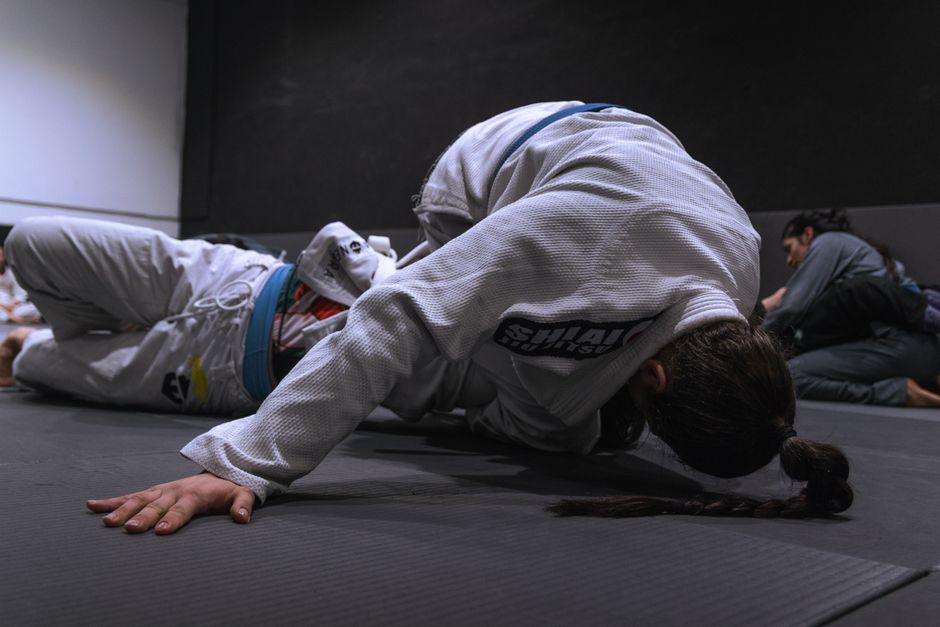
Step one is picking an academy near you. Look for a place with good reviews, instructors who actually compete or have competed, and a vibe that feels welcoming. Most gyms offer a free trial class or a low-cost introductory lesson.
Step two is showing up. Wear clean clothes, bring water, and arrive 5-10 minutes early. Tell the instructor you're new. They'll modify drills for you and pair you with someone patient.
Step three is being humble. You'll get tapped (submitted) a lot. Everyone does. It's not an ego thing—it's feedback that you tried something and your partner defended it better. That's how you learn.
Step four is consistency. One class won't teach you much. Three classes per week for a month will change your perspective completely. Jiu jitsu rewards showing up, not natural talent.
What to Expect Physically
You'll be sore. Your forearms, shoulders, and hips will feel it after your first class. That's normal and it fades after a week or two.
You'll also get bruises and maybe some mat burn (rug burn from the mat). It's part of the sport. Wear long sleeves under your gi and keep your nails trimmed to minimize scrapes.
Jiu jitsu is demanding but not dangerous if you train smart. Tap early if a joint feels wrong. Listen to your body. A good instructor watches for form and stops techniques that look unsafe.
Finding Your Right Class Schedule
Most academies offer multiple classes throughout the day. Morning classes tend to have a core group of dedicated people. Evening classes are packed and have more variety in skill levels.
Kids' classes are separated by age and usually run 30-45 minutes because younger kids have shorter attention spans. Adult classes are longer and more technical.
Women-only self-defense and technique classes exist at many academies too. Some people prefer training with other women, especially if they're starting from zero, and that's totally valid. When you're researching, ask what options are available—you want a schedule that fits your life, not one you'll quit after two weeks.
How Much Does a Jiu Jitsu Class Cost
Pricing varies wildly by location and academy. Some places offer pay-per-class drop-ins, others require a monthly membership, and some have contracts. A few academies offer free or donation-based classes.
The best move is to call or visit a gym and ask directly. Most academies don't publish pricing online because they want to talk to you and explain what you're getting. Also, many offer discounts for families, first responders, or students.
Don't pick an academy based on price alone. You want good instruction and a community that fits you. Those two things matter more than saving $20 a month.
What Makes a Quality Jiu Jitsu Class
An instructor who competes or has competed. They understand the sport at a deeper level and can teach why techniques work, not just how to do them.
Clean mats and a safe environment. The academy should enforce a no-shoes-on-mat rule, require short fingernails, and stop dangerous behavior immediately.
A mix of skill levels. You learn from people better than you and you help people behind you. That's how growth works.
Clear instruction. The instructor explains movements slowly, demonstrates from multiple angles, and lets you drill before rolling. Throwing you in the deep end doesn't build confidence—it builds frustration.
A philosophy that values personal growth over ego. You want a place where tapping is encouraged, where safety matters, and where being a beginner is celebrated, not tolerated.
Questions Before You Sign Up
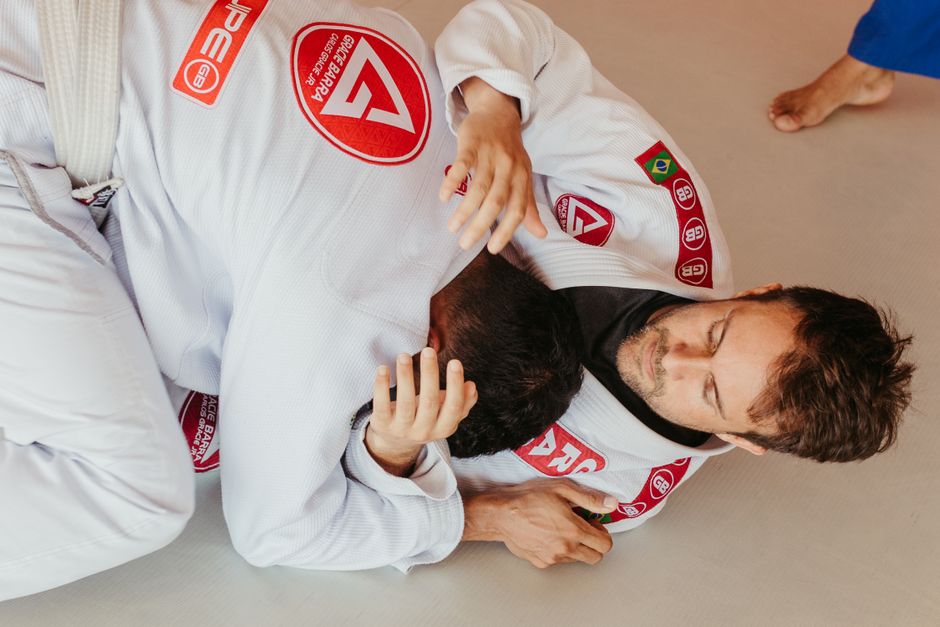
Ask the instructor about their background. How long have they trained? Do they compete? Where did they earn their rank?
Ask about safety culture. How do they handle injuries? Do they teach submissions progressively (safer techniques first)? How do they pair beginners with experienced people?
Ask what you need to bring and what they provide. Can you borrow a gi? Do you need to buy anything before your first class?
Ask about the community. Are people nice? Do they socialize outside class? Is there a competitive team if you want to compete?
These conversations matter. They tell you if this is the right place for you. When you're ready to find a jiu jitsu class that matches your goals, Gonzales JJ in Rio Rancho offers classes for every age and skill level with instruction from competition-tested instructors.
Start your BJJ journey off (Free Class)
Get Started Today →Common Beginner Mistakes
Using muscle instead of technique. Jiu jitsu rewards smart positioning over strength. New people often get tired because they're forcing things instead of flowing.
Skipping the fundamentals. You can't compete or defend yourself if you don't nail the basics. Spend months on proper stance, grip, and core escapes before trying fancy moves.
Going too hard in rolling. People get hurt when beginners roll at 100% intensity trying to win. Rolling is practice, not competition. Leave your ego at the door.
Not asking questions. If you don't understand a technique, raise your hand. Every instructor wants you to learn. There are no dumb questions in jiu jitsu.
Quitting after one class. You'll feel awkward and weak the first few times. That's everyone. Give it at least a month before deciding if it's for you.
How Jiu Jitsu Compares to Other Martial Arts
Boxing teaches you hand speed and footwork but doesn't cover what happens if someone takes you down. Karate emphasizes kicks and strikes but grappling is limited. Wrestling is close to jiu jitsu but no submissions.
Jiu jitsu fills the gap. It's ground fighting, submissions, positional control, and self-defense all in one system. It also works for people of all ages and body types because it's based on technique, not athleticism.
That said, they're not in competition—they're just different tools. Some people train multiple martial arts. But if you want one system that covers ground fighting, control, and escapes, jiu jitsu is the most comprehensive choice.
Real-World Self-Defense Applications
Most fights end up on the ground. If you've never trained grappling, you're at a serious disadvantage if someone takes you down. Jiu jitsu teaches you how to control positions, escape bad situations, and apply submissions safely.
You also learn spatial awareness and how to de-escalate before things get physical. Good academies teach this as part of their self-defense classes.
It's not about becoming a fighter. It's about having options if you need them. According to peer-reviewed research on martial arts and self-defense efficacy, grappling-based training is one of the most effective ways to prepare for real-world confrontations because it emphasizes control, position, and de-escalation.
Next Steps
Find an academy near you. Look at their schedule, read reviews, and call them. Ask about a free trial or first-class deal.
Show up with an open mind. You'll feel uncomfortable and out of place. Everyone does. That feeling goes away after a few weeks.
Commit for a month minimum. Give yourself time to learn the basics, get used to the routine, and meet people. After a month you'll know if this is for you.
Train consistently. Three times per week is the sweet spot for most people. More is better if you want to compete, but three times weekly will make a huge difference in a few months.
Is jiu jitsu safe for beginners?
Yes. A quality jiu jitsu class teaches submissions and submissions safety in stages. You learn basic escapes first, then simple submissions, then more complex ones. Good instructors watch for form and stop anything unsafe immediately. Tap early if something feels wrong—there's zero shame in it.
How long does it take to get good at jiu jitsu?
You'll feel noticeable improvement after 3-6 months of consistent training. Basic competence takes about a year. Getting really good takes years. But the growth feels fast at first, and you'll see yourself getting stronger and smarter on the mat every month.
Do I need to be fit to start a jiu jitsu class?
No. Jiu jitsu will get you fit, but you don't need to be fit to start. It works for people of all fitness levels. The conditioning you build is real—cardio, strength, flexibility, and endurance all improve—but you start where you are.
What if I'm nervous about my first class?
That's normal. Call the academy ahead and tell them you're new and nervous. Show up early, introduce yourself to the instructor, and let them know it's your first day. Every instructor will make sure you have a good experience. You'll probably feel proud and exhausted after your first class, not nervous anymore.
Start your BJJ journey off (Free Class)
Get Started Today →