
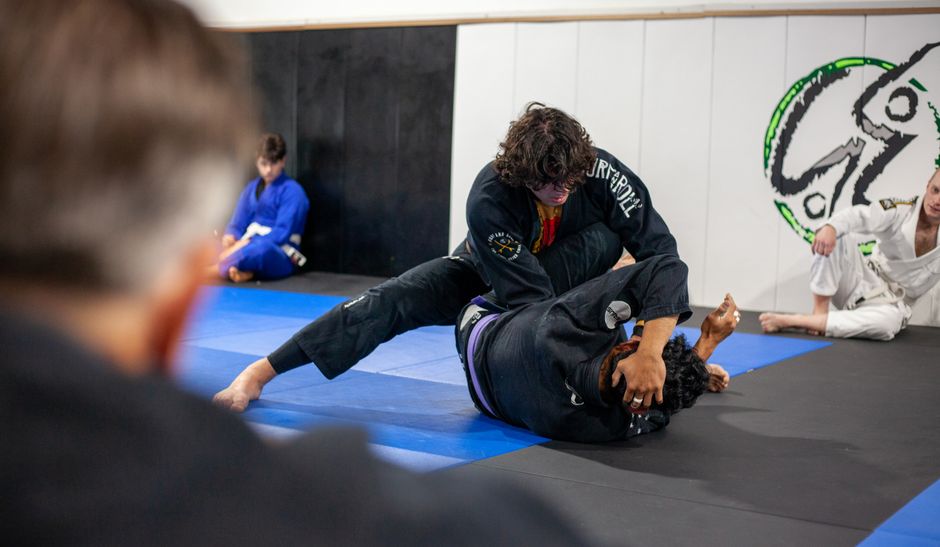
If you're searching for a Brazilian Jiu-Jitsu class near me, you're probably wondering what to expect, how to find a legit gym, and whether it's actually for you. The good news: BJJ classes are more accessible than ever, and most gyms welcome absolute beginners alongside serious competitors. Let's walk through how to find the right one.
What to Look for in a Brazilian Jiu-Jitsu Class Near Me
Not all BJJ gyms are created equal. Before you sign up, check a few key things.
Related: Brazilian Jiu-Jitsu Classes Near Rio Rancho: Find Your Fit
Related: Adult Brazilian Jiu Jitsu Near Me: Find Local BJJ Classes
Related: Women's Jiu-Jitsu Near Me: How to Find the Right Program
Instructor credentials matter. Look for a black belt instructor or someone trained under an established lineage. This isn't just about ego—it means they understand technique at a deep level and can scale it for beginners. A coach with real competition experience knows how to teach the fundamentals in a way that actually sticks.
Class format options. The best gyms offer both gi (traditional uniform) and no-gi classes. Gi training teaches classic BJJ positions and transitions. No-gi is faster-paced and closer to submission grappling. Having both available means you get a well-rounded education and can train the style that fits your schedule.
Skill level separation. Ask if they run beginner, intermediate, and advanced classes separately. You don't want to be paired with a 15-year veteran on your first day. Good gyms structure classes so everyone learns at their pace. Gonzales JJ organizes instruction by level so you're always training with people at your stage.
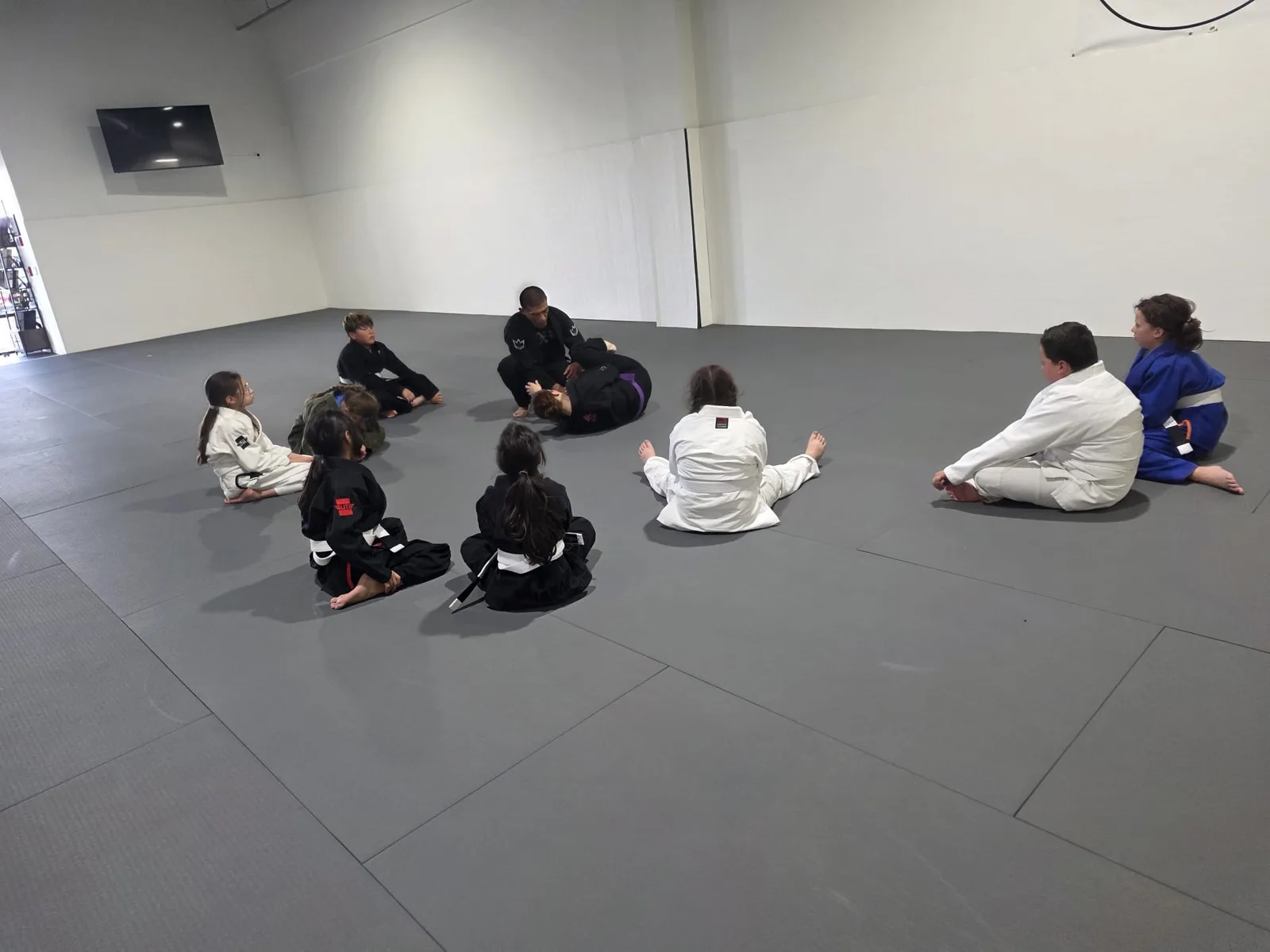
Facility quality. Visit in person if you can. Look at the mats—they should be clean, well-padded, and in good condition. A dedicated dojo (not a multipurpose room) is a sign the gym takes training seriously.
Class Schedule and Time Options
One of the biggest reasons people quit BJJ is scheduling stress. Before you commit, make sure classes fit your life.
Most gyms offer morning, afternoon, and evening classes. Some have weekend sessions too. If you work 9-to-5, an early morning or 6 PM class works better than noon. If you're a parent juggling kids' schedules, look for gyms with flexible drop-in policies or beginner fundamentals classes that run at convenient times.
Ask about trial periods. Many academies let you try your first week free or offer a single drop-in class to see if the vibe feels right. Use that to test the schedule and get a feel for the coaching style before committing.
Kids vs. Adult Classes
If you're looking for BJJ for your kids, confirm they have a dedicated children's program. Kids need age-appropriate instruction, smaller rolling partners, and a focus on fundamentals plus character-building. A good kids' program emphasizes confidence, bully prevention, and fun alongside technique.
Adults train separately for obvious reasons—the pace, intensity, and technique focus are different. Some gyms offer family packages if multiple family members want to train. Ask about this when you call.
Beginner Fundamentals Classes
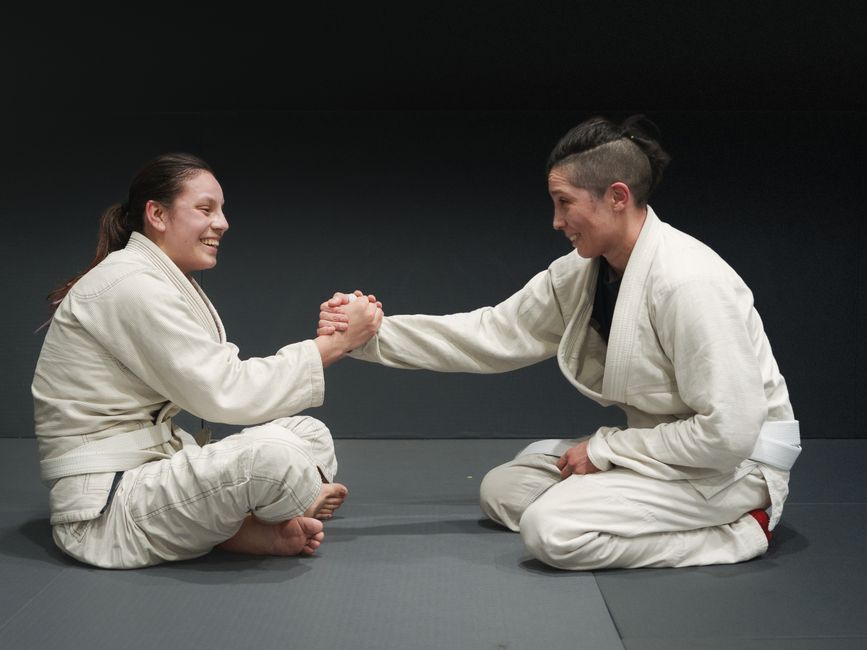
If you're brand new to BJJ, ask whether the gym offers a beginner fundamentals track. This is a class series that teaches the core positions and moves in order, step by step. You're not jumping into open rolling on day one; you're learning escapes, basic submissions, and positional awareness first.
Fundamentals classes typically run 4-8 weeks and move slower than regular classes. They're perfect for building confidence and getting comfortable on the mat before you train with more experienced people.
What to Bring and Wear
For your first class, wear comfortable athletic clothes and bring a water bottle. You'll need a BJJ gi (the uniform) after the first week or so. Don't buy one immediately—ask the gym which brands and sizes they recommend. A basic gi shouldn't break the bank, and you can upgrade later.
Bring a towel and wear flip-flops or slides to and from the mat. Wash your hands and feet before class. Cleanliness matters in grappling sports—fungal infections are real, and mat etiquette demands you show up clean.
Pricing and Trial Periods
BJJ class costs vary by location and gym type. Monthly memberships, class packages, and drop-in rates all differ. Most gyms offer a free trial week or an introductory offer so you can test the training before committing to a membership.
When you're considering a new academy, ask what's included: unlimited classes, beginner fundamentals access, or competition prep? Some gyms offer open mat time for extra rolling. A few provide self-defense seminars or cross-training options like kickboxing or submission grappling.
The cheapest gym isn't always the best value. A lower-priced academy with great instruction and strong community is better than a discount gym with absent coaches. Think about what matters to you—competition training, family atmosphere, first-responder programs, or self-defense focus—and let that guide your choice.
Community and Culture

The vibe of a gym matters more than most people realize. Visit before you join and pay attention to how people interact. Are rolling partners encouraging each other? Does the coach give personal feedback? Are beginners welcomed, or do they feel invisible?
A family-friendly gym values character development and long-term growth over ego. You'll notice it in the way advanced students help beginners and in how the coach talks about training. Gonzales JJ builds winners both on and off the mat—meaning the focus is technique, discipline, and becoming a better person, not just tapping opponents.
Start your BJJ journey off (Free Class)
Get Started Today →Ask current students about their experience. A quick "What made you stick with this gym?" question tells you a lot. If people light up talking about their academy, that's a good sign.
Cross-Training Opportunities
Some gyms offer complementary martial arts under one roof—kickboxing, judo, Muay Thai, or submission grappling. If you're interested in a broader martial arts foundation, this can be a huge advantage. You stay in one place, build community faster, and learn how different grappling styles interact.
Not everyone needs cross-training, but if self-defense or total martial arts literacy appeals to you, it's worth asking about.
First Day Tips
Show up 10 minutes early. Tell the coach it's your first day. They'll pair you with a training partner who can help you understand the moves. You'll probably feel awkward and confused—that's completely normal. Everyone started exactly where you are.
Focus on learning the basic positions: guard, mount, side control, and how to escape from each. Don't worry about winning rolls or looking good. Your job is to stay safe, ask questions, and show up again next class.
Bring cash for any drop-in fees if it applies. Dress in layers so you can cool down after class. And don't be surprised if you're sore the next day. Your body will adapt quickly.
How to Choose the Right Academy for Your Goals
Different gyms attract different people. Some are competitive powerhouses focused on tournament athletes. Others emphasize self-defense, mental toughness, or family fitness. Figure out your primary goal first.
Are you training to compete? Look for a gym with a strong competition team and coaches who prepare fighters for tournaments.
Are you interested in self-defense? Find an academy that teaches practical self-defense principles and real-world scenarios alongside BJJ technique.
Are you a first responder? Some gyms specialize in training police, firefighters, and security professionals because the job demands specific grappling knowledge.
Are you looking for fitness and personal growth? Choose a family-friendly gym that balances technical excellence with community and character-building. You'll stay motivated longer in an academy where you feel supported and where growth is celebrated.
Once you've narrowed down your options and identified a gym that matches your needs, reach out and ask if they offer a trial. Most gyms, including Gonzales JJ in Rio Rancho, welcome first-time visitors and make it easy to see if BJJ is right for you.
Frequently Asked Questions
Do I need experience to start a Brazilian Jiu-Jitsu class?
No. BJJ classes are designed for all skill levels, and most gyms run beginner fundamentals programs specifically for people with zero experience. Absolute beginners train separately from advanced students, so you'll learn at your pace. Tell the coach it's your first class, and they'll make sure you're set up for success.
What's the difference between gi and no-gi classes?
Gi classes use the traditional uniform (jacket, pants, belt) and focus on grips and classic BJJ positions. No-gi classes are faster-paced and use submission grappling techniques. Most gyms offer both. Gi training is good for learning fundamentals; no-gi teaches adaptability and speed. Many people train both for a complete education.
How often should I attend class as a beginner?
Two to three classes per week is a solid starting pace. This gives your body time to recover while building muscle memory and technique fast enough to stay engaged. As you progress, you can increase frequency. Consistency matters way more than intensity—showing up twice a week for six months beats sporadic intense training.
Is Brazilian Jiu-Jitsu safe for kids?
Yes, when taught properly by qualified instructors. BJJ classes for kids emphasize control, respect, and fundamentals over intensity. A good kids' program focuses on technique, discipline, and confidence-building. Always ask about the coach's experience with children and how they handle safety and bullying prevention.
Start your BJJ journey off (Free Class)
Get Started Today →