

Brazilian Jiu-Jitsu for youth is one of the best investments you can make in your child's physical and mental development. Unlike many sports where size or natural athleticism determine success, BJJ rewards technique, problem-solving, and persistence—skills that matter way more in real life.
If you're wondering whether BJJ is right for your kid, whether it's safe, or what actually happens in a class, you've come to the right place. Let's break down everything parents need to know.
What Is Brazilian Jiu-Jitsu for Youth?
Brazilian Jiu-Jitsu is a grappling-based martial art that teaches students to control an opponent using leverage, balance, and technique rather than brute strength or speed. For young people, it's structured around drilling fundamental movements, learning self-defense applications, and competing in a respectful, controlled environment.
Unlike striking sports, BJJ is built on control and consent. When your kid trains, they're learning to move safely, tap out when uncomfortable, and respect their training partner's body and limits. There's no punching or kicking in the fundamentals—just problem-solving with your body.
The Right Age to Start Brazilian Jiu-Jitsu
Kids as young as 4 can begin Brazilian Jiu-Jitsu training and develop strong mental and physical discipline. Gonzales JJ in Rio Rancho has a Toddler's Jiu-Jitsu Program for ages 4 to 5 and a Children's Jiu-Jitsu Program for ages 6 to 13.
Related: Brazilian Jiu Jitsu for Adults: A Complete Getting Started Guide
Related: Teens Brazilian Jiu-Jitsu: Benefits, Skills & Getting Started
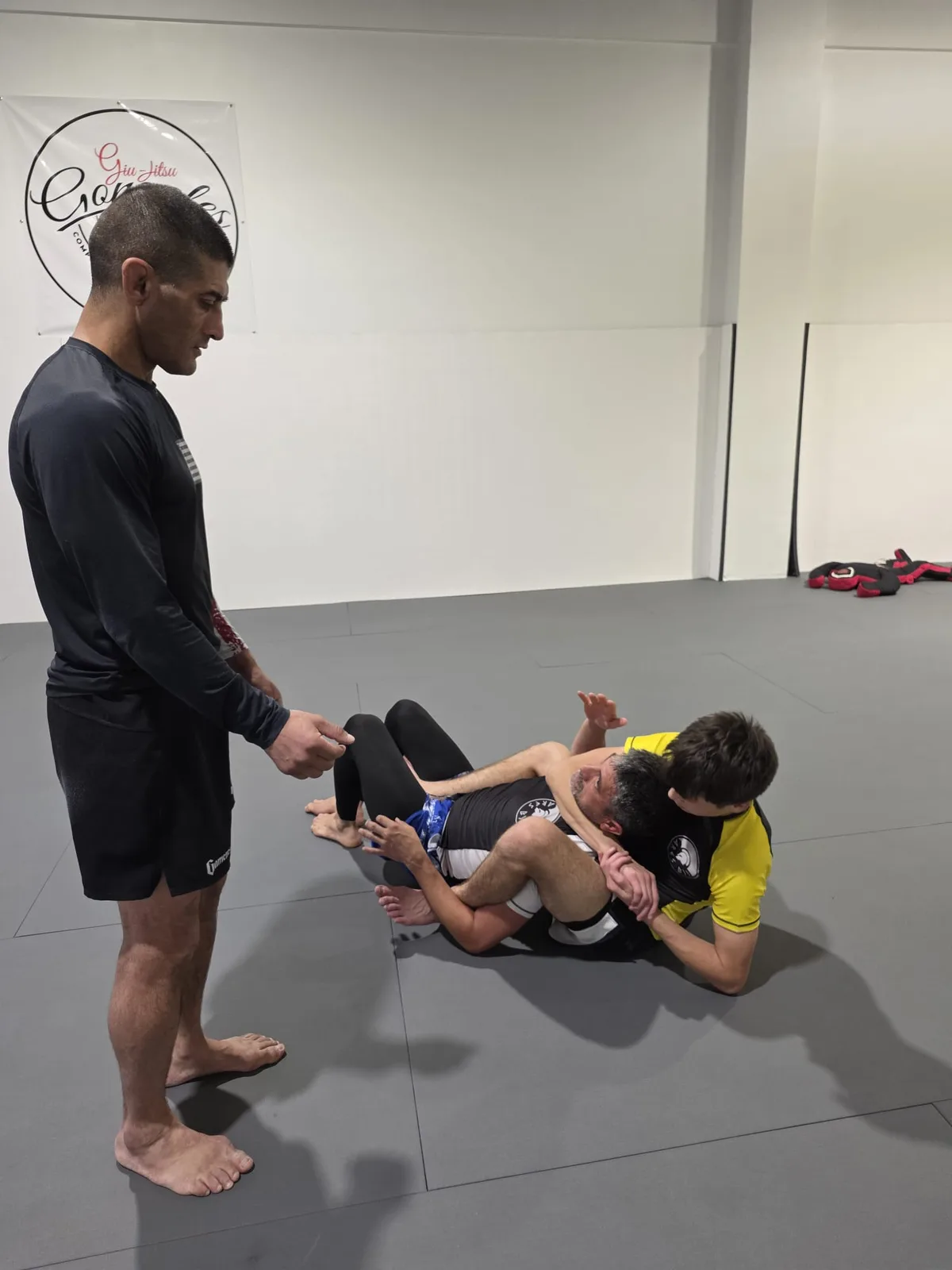
By age 6 or 7 most kids have enough body awareness, can follow instruction, and are ready for partner-based learning. That said, there's no "too late" to start—teens and even young adults come to BJJ with fresh eyes and often progress incredibly fast.
The key isn't your child's age—it's their readiness to listen, work with a partner, and embrace a learning mindset.
The Main Benefits of BJJ for Kids
Parents choose Brazilian Jiu-Jitsu for youth because the benefits go way beyond physical fitness. Here's what your child will actually gain:
- Confidence and self-assurance: Regular practice in a supportive environment helps kids develop real confidence. They learn to handle challenges, overcome obstacles, and believe in their ability to figure things out.
- Discipline and focus: BJJ requires attention to detail. Your child will learn to follow instruction, drill techniques repeatedly, and understand that small improvements matter.
- Self-defense skills: Kids learn practical techniques to protect themselves, which gives both them and you peace of mind. More importantly, they learn when and how to use those skills responsibly.
- Stress relief and resilience: Training is a healthy outlet for daily stress. Kids work through anxiety, build emotional resilience, and learn to handle pressure—from school tests to social challenges.
- Physical fitness: BJJ improves overall fitness through consistent drilling, movement, and controlled sparring. Your child builds strength, flexibility, and cardiovascular endurance naturally.
- Respect and community: In BJJ, everyone—from the newest white belt to the head instructor—bows to the mat and respects their partners. Your child joins a community where growth matters more than ego.
How Youth BJJ Classes Are Structured
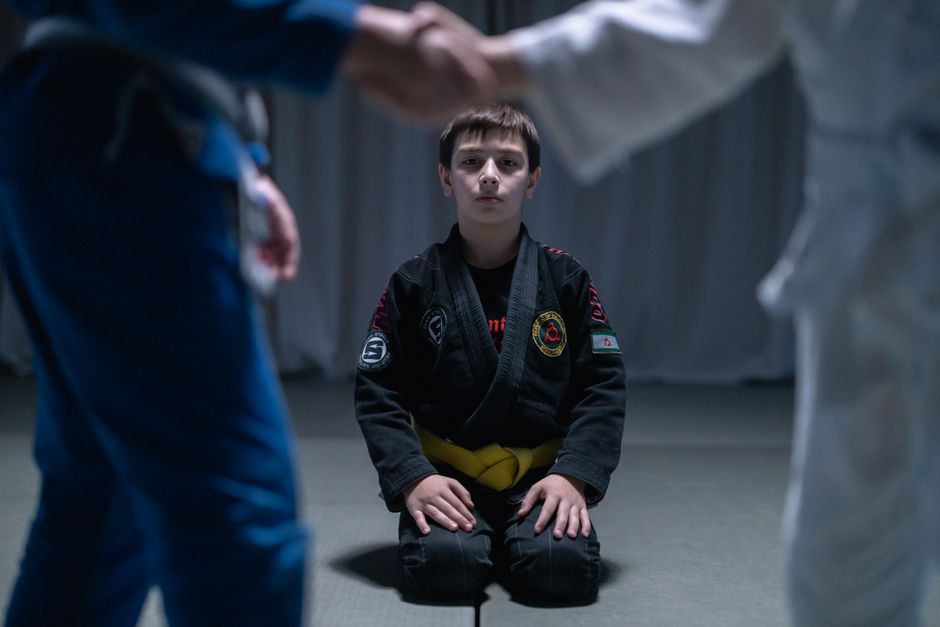
If you've never trained, a typical youth BJJ class might seem confusing at first. Here's what to expect:
Warm-up (5-10 minutes): Classes start with light cardio and stretching to get blood flowing and prepare the body for training.
Technique instruction (15-20 minutes): The instructor teaches a specific technique or combination—maybe an escape from a certain position or a guard pass. Kids watch, ask questions, and practice the movement step-by-step with a partner.
Drilling (10-15 minutes): Students repeat the technique with a partner over and over. This is where learning actually sticks. Drilling builds muscle memory and understanding.
Controlled sparring (10-15 minutes): Depending on age and level, students practice what they learned against a cooperative partner. This isn't about "winning"—it's about applying technique in a live situation with someone helping them learn.
Cool-down (5 minutes): Classes end with stretching and feedback from the instructor.
The whole experience is structured to keep kids engaged, safe, and focused on fundamentals.
Why Self-Defense Matters for Young People
Parents often worry about bullying, stranger danger, or their child's ability to handle a physical threat. BJJ addresses these concerns head-on.
Through training, your child learns practical self-defense techniques—how to escape holds, how to create distance, and how to stay calm under pressure. But more importantly, they learn confidence. A kid who knows they can handle physical discomfort and solve problems through technique walks differently. They carry themselves with less fear.
Self-defense training also teaches responsibility. Kids learn that knowing how to handle yourself is about protection, not aggression. The goal is never to hurt someone—it's to control the situation and get to safety.
Building Discipline and Mental Toughness
One of the hidden benefits of Brazilian Jiu-Jitsu for youth is how it trains the mind. Every class presents problems to solve. Your child taps out when they're caught in a hold—and that's not failure, that's learning. They get submitted multiple times and keep showing up. They drill the same technique 50 times until it clicks.
This builds real discipline. Your kid learns that struggle is part of growth, that mistakes are information, and that consistency beats talent every time. These lessons transfer immediately to schoolwork, sports, and social situations.
Mental toughness isn't about being tough—it's about handling discomfort, staying focused, and bouncing back. BJJ trains all of these things naturally.
How to Choose a Youth BJJ Program
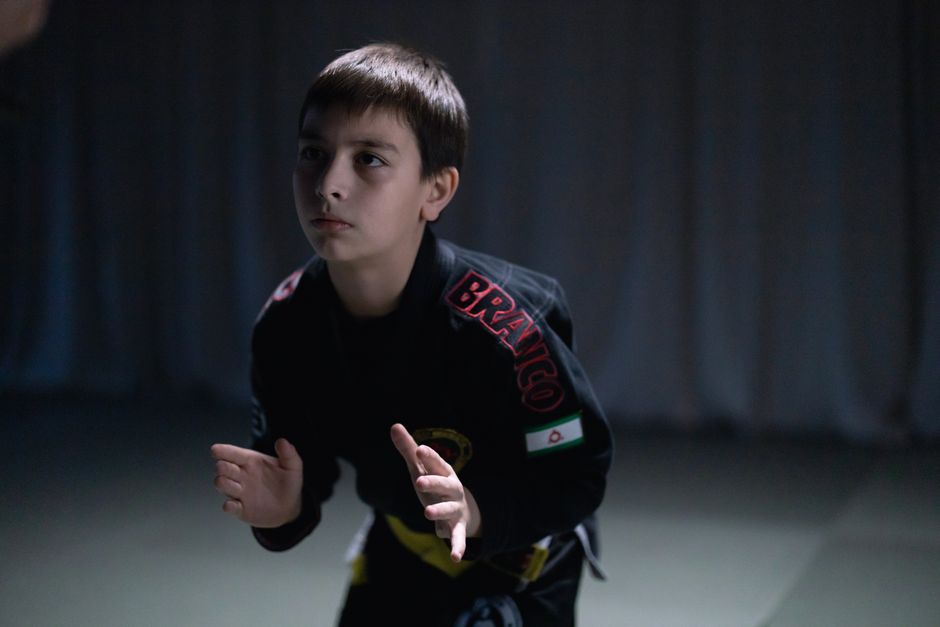
Not all martial arts gyms are the same. When you're looking for a place to train your child, here's what matters:
- Technique-focused instruction: A good program teaches fundamentals deeply rather than rushing through material. The instructor should explain the "why" behind techniques, not just the "how."
- Small class sizes: Your child needs individual attention, especially when starting out. Instructors should know each student's level and adjust accordingly.
- Family-friendly culture: The gym should feel welcoming to families. Other kids should be supportive, not competitive in an ugly way. The instructors should emphasize personal growth over winning.
- Safety first: Tap-out culture should be respected. Kids should never feel pressured to train through injury or discomfort. Instructors should prioritize technique over intensity.
- Personalized instruction: Every kid learns at their own pace. A good program doesn't cookie-cutter everyone—it adapts to what each student needs.
If you're in the Rio Rancho or Albuquerque area and looking for a youth BJJ program with this approach, Gonzales JJ was founded specifically to build winners both on and off the mat through personalized instruction and confidence-building training.
Start your BJJ journey off (Free Class)
Get Started Today →What Your Child Needs to Get Started
Getting your kid started doesn't require much. Here's the basic checklist:
- A gi (the uniform worn in BJJ). Your child can usually borrow one or rent one from the gym when starting out.
- Clean shorts and a rash guard if they don't have a full gi yet.
- A water bottle and towel.
- An open mind and willingness to learn.
Most gyms have gis available or can recommend where to get one affordably. Don't feel like you need top-of-the-line gear to start—basics work fine while your child figures out if they love the sport.
Common Concerns Parents Have
Is BJJ safe? A good youth program is built around safety. The tap-out system means kids can stop immediately if uncomfortable. Modern BJJ instruction prioritizes control and technique over intensity, especially for young learners. Injuries can happen in any physical activity, which is why youth programs emphasize fundamentals.
Will my child get hurt? Some minor bumps and bruises can happen, just like in soccer or basketball. The sport is built on control, not impact. Kids learn to respect their training partners and tap out before things go wrong.
What if my child is smaller or less athletic than other kids? This is actually one of BJJ's greatest strengths. Size and athleticism matter far less than in other sports. A smaller kid with better technique can hold their own against a bigger kid without it. Your child learns that intelligence and practice beat raw ability.
How long does it take to see progress? Kids usually feel more confident within a few weeks. They'll learn basic techniques, make friends, and start believing in themselves. Formal belt progression depends on the program, but growth happens fast.
Helping Your Child Succeed in BJJ
As a parent, your role matters. Here's how to support your child's training:
- Encourage consistency: Progress in BJJ comes from showing up regularly, not from sporadic training. Even 2-3 classes per week creates momentum.
- Celebrate effort, not just results: Praise your child for trying hard, asking questions, and improving their technique—not just for winning matches or getting belts.
- Let them struggle: Don't rush to fix every problem. Part of BJJ's value is learning to work through challenges independently.
- Ask questions: Talk to your child about what they learned. Show genuine interest in their training.
- Respect the process: Belt progression in BJJ is earned through time and skill, not rushed. This teaches patience and the reality that real achievement takes work.
Brazilian Jiu-Jitsu for Youth: The Long-Term Impact
What starts as a martial arts class becomes something bigger. Kids who train BJJ develop a growth mindset—they learn that abilities develop through practice, that setbacks are learning opportunities, and that respect and community matter more than dominance.
These lessons stick with them. They apply them to school, friendships, family, and eventually their careers. Your child doesn't just become better at Brazilian Jiu-Jitsu—they become more confident, disciplined, and resilient in every area of life.
What should my child wear to the first BJJ class?
Most gyms allow kids to start in athletic shorts and a t-shirt or rash guard. You don't need to buy a full gi until you know your child is committed. Many programs let new students borrow or rent a gi for the first few weeks while they try it out.
How often should my child train?
Beginning students typically benefit from 2-3 classes per week. This gives them enough frequency to remember techniques between classes and build consistency without overwhelming them. As your child progresses and loves the sport, they can train more frequently.
Can my child do BJJ alongside other sports?
Absolutely. BJJ works well alongside other activities because it's technique-focused rather than dependent on peak athletic conditioning. Many kids train BJJ 2-3 times per week while playing soccer, doing gymnastics, or running track. The time commitment is manageable.
What makes Brazilian Jiu-Jitsu different from other martial arts?
BJJ focuses entirely on grappling and leverage rather than strikes. This means kids learn control and problem-solving instead of power and speed. There's also a strong emphasis on respect, the tap-out system keeps training safe, and the sport rewards technique over size—giving every kid a genuine path to success regardless of their build or natural athleticism.
Start your BJJ journey off (Free Class)
Get Started Today →