
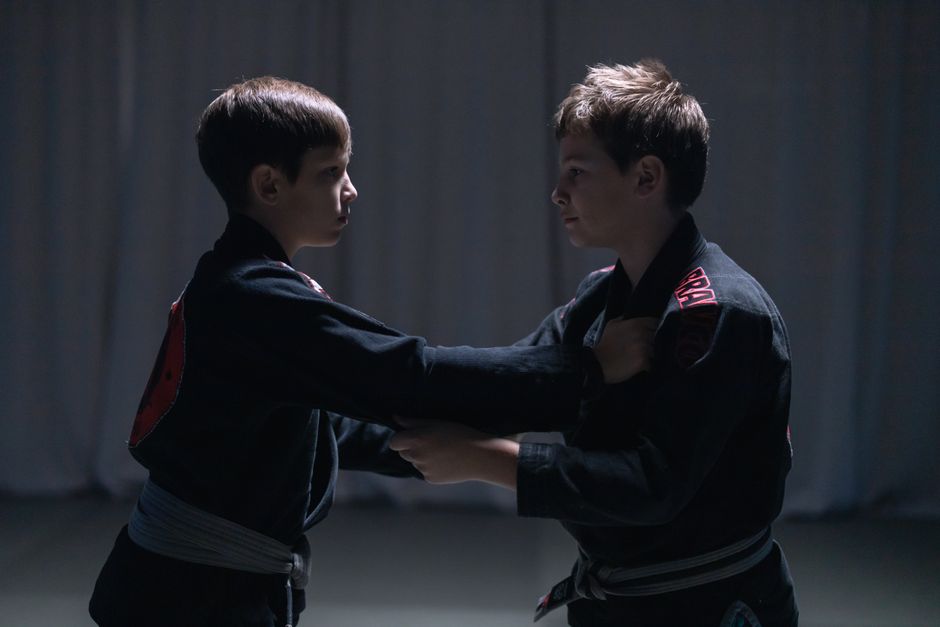
Brazilian Jiu-Jitsu (BJJ) for teens is way more than just rolling around on a mat. It's a complete game-changer for building confidence, learning practical self-defense, and developing the kind of mental toughness that actually matters in real life.
If your teen is looking for something that challenges them physically and mentally, or if you're curious about whether BJJ is worth their time, this guide breaks down everything you need to know about teens Brazilian Jiu-Jitsu.
Why Teens Choose Brazilian Jiu-Jitsu
Teens aren't signing up for BJJ just to learn fancy moves (though that's part of it). They're discovering something deeper: a space where failure isn't punishment—it's how you improve.
In a typical jiu-jitsu class, your teen will get tapped out dozens of times. And that's the whole point. Every tap is feedback. Every time they get caught in a position, they learn how to escape it next time. That kind of direct, consequence-based learning is rare in school or at home.
Beyond the technical skills, BJJ gives teens something they're hungry for: control. In a world where so much feels uncertain, grappling gives you immediate, physical proof that your effort and technique matter. You can feel progress week to week.
The Real Physical Benefits of Teens Brazilian Jiu-Jitsu
Let's be honest: BJJ is a full-body workout. Your teen's arms, core, legs, and cardio are all getting stronger with every class.
Here's what happens physically:
- Builds functional strength (not just bench-press strength—practical grappling power)
- Improves flexibility and joint mobility without fancy stretching routines
- Increases cardiovascular endurance in short, intense bursts
- Develops balance and body awareness
- Burns serious calories (a 60-minute BJJ session is no joke)
Unlike team sports where some kids sit on the bench, in BJJ everyone trains at their own pace. Your 14-year-old who's naturally athletic gets challenged just as much as your 16-year-old who's never done sports before. The intensity scales with effort, not talent.
Mental Resilience & Confidence: The Hidden Superpower
This is where teens Brazilian Jiu-Jitsu gets really interesting. Martial arts training gives many teens a place to build confidence and learn to manage their emotions.
Here's why: In BJJ, your teen learns to sit with discomfort. They learn that being in a tough position doesn't mean they're losing—it means they're learning. That mental shift is huge.
Many teens also discover that Gonzales JJ and gyms like it create a judgment-free zone. Nobody cares if you're struggling with a technique. Everyone remembers what it felt like to be a white belt.
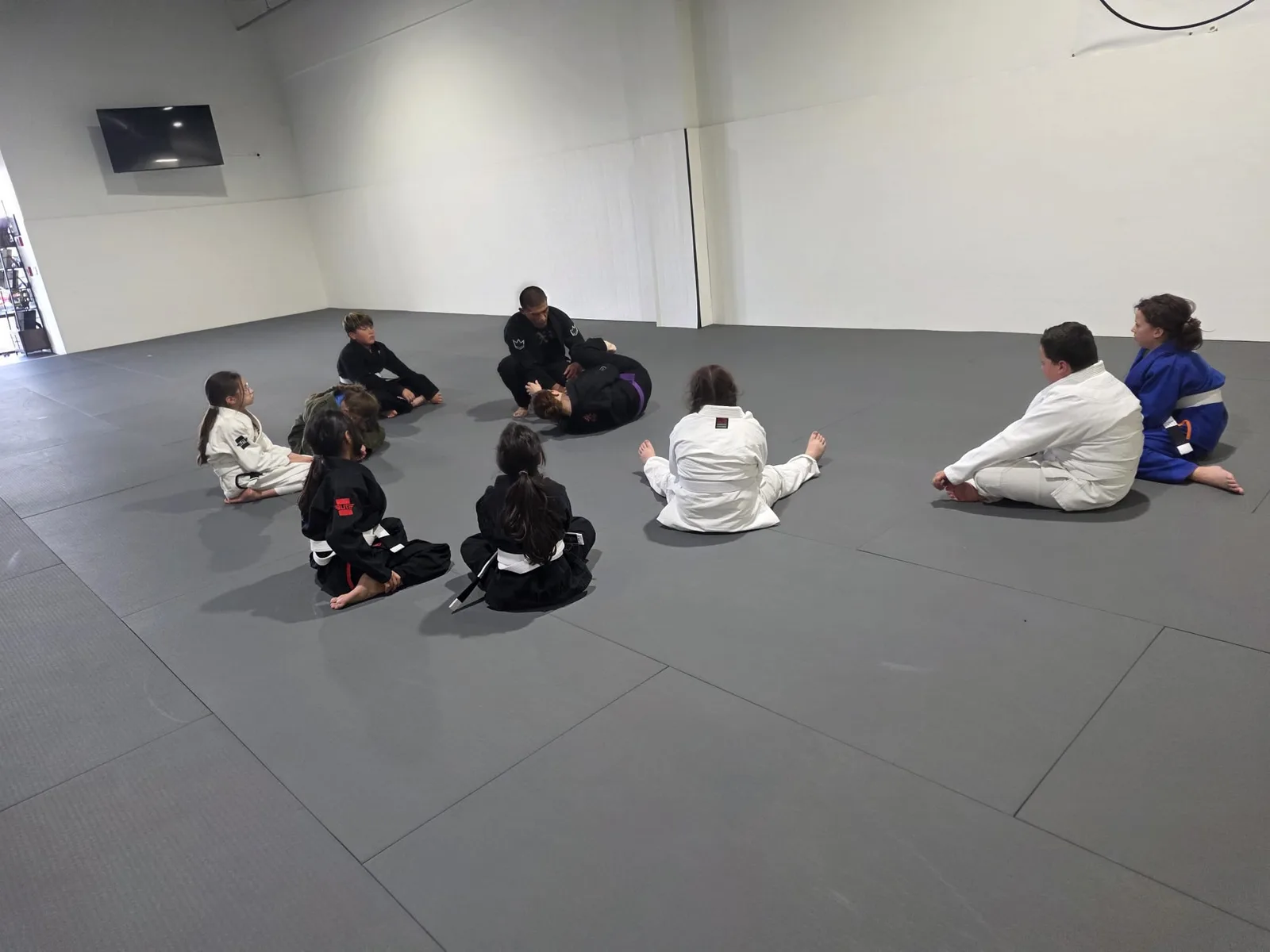
The confidence that builds from regular training spills over into school, relationships, and other areas of life. When you've worked your way out from under a bigger training partner, a class presentation or a hard conversation feels manageable.
Self-Defense Skills Every Teen Should Know
Here's the practical side: BJJ teaches your teen how to handle themselves if they're ever in a threatening situation.
Most BJJ programs for teens focus on:
- De-escalation and escape techniques
- How to control someone without striking (important distinction)
- Awareness of their surroundings and body position
- How to get to safety, not how to "win" a fight
The emphasis in good programs is always on escape and de-escalation, not aggression. Your teen learns that the best fight is the one you avoid. But if they're ever grabbed or cornered, they'll know how to create space and get away safely.
That confidence—knowing they have options—changes how they move through the world. Teens who train often carry themselves with more confidence, and knowing some practical self-defense gives them options if someone will not leave them alone.
Anti-Bullying & Social Connection
BJJ communities tend to be surprisingly welcoming. Your awkward, anxious, or lonely teen might find their tribe here.
The sport naturally breaks down social hierarchies. A shy kid who's been training for six months might tap out the most popular kid in school. Skill and effort matter more than looks or social status. That level playing field is healing for a lot of teens.
Plus, the mat culture emphasizes respect. You bow to your partner. You help them improve. You celebrate their progress. That's not fake nice—it's built into how the sport works.
What to Expect in Your First Teens Brazilian Jiu-Jitsu Class
So you're ready to check out a class. Here's what your teen should expect:
The First 5-10 Minutes: Warm-up. Nothing fancy. Probably some jogging, stretching, and basic movement drills to get the body ready.
The Technique Block (20-30 minutes): The instructor teaches one main move or concept. Everyone practices it slowly with a partner. This is where your teen learns the fundamentals.
Rolling (20-30 minutes): This is the sparring part. Your teen pairs up with someone around their skill level and practices what they just learned. It's controlled, supervised, and everyone taps when they're caught in a submission.
Cool Down (5 minutes): Stretching and recovery.
First classes can feel overwhelming (a lot of new techniques, new people, new environment), but that's normal. Most gyms expect beginners to feel lost. That's the whole point of starting.
When you're looking for a program, find one that matches your teen's goals. Some programs emphasize sport competition (training for tournaments). Others focus more on self-defense and personal growth. Many do both. Visit the gym, watch a class, and see if the energy feels right. A good program for teens Brazilian Jiu-Jitsu will have experienced instructors who know how to scale training for different ages and experience levels.
Age Breakdown: What BJJ Looks Like for Different Teens
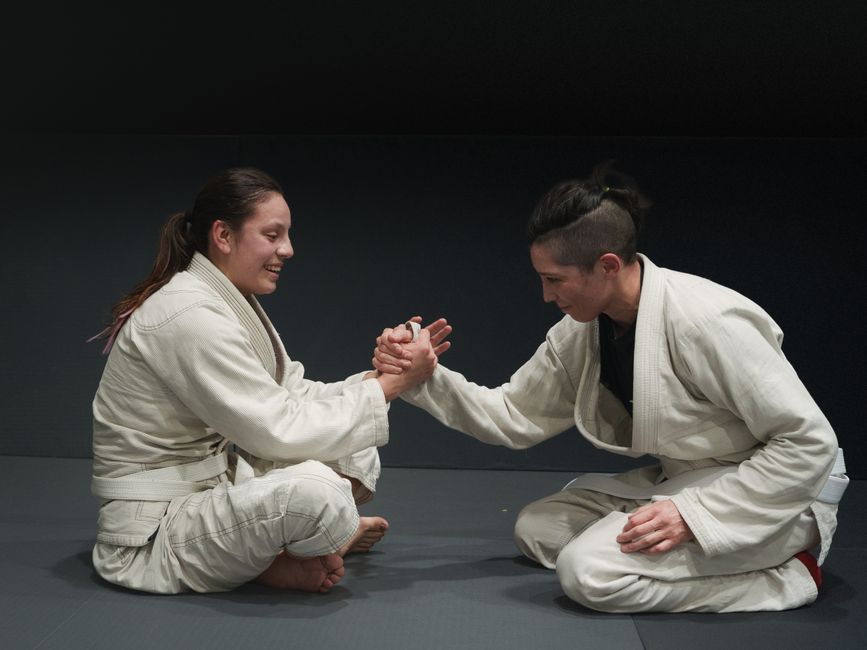
Ages 12-14 (Early Teen): This is usually when a teen can safely transition into more structured grappling. Classes focus on technique, body awareness, and building fundamentals. Less intense rolling.
Ages 15-16 (Mid-to-Late Teen): Teens can handle more intense rolling and are often competing in IBJJF (International Brazilian Jiu-Jitsu Federation) tournaments if they want to. Training can look pretty similar to adult BJJ, just with more attention paid to technique over intensity.
Most gyms have dedicated teen classes, which means your kid trains with people their own age and development level. That matters.
Competition: Is It Right for Your Teen?
Some teens want to compete. Some don't. Both paths are completely valid.
If your teen is interested, the IBJJF runs official tournaments for teens. Competing teaches goal-setting, time management, and how to handle pressure. But it's also optional. Many teens train consistently and never compete—and they still get all the benefits.
The best programs (like Gonzales JJ) offer both pathways. You can train to compete or train to build skills and confidence. Your teen gets to choose.
Start your BJJ journey off (Free Class)
Get Started Today →Getting Your Teen Started: Practical Next Steps
Ready to sign your teen up? Here's how:
Related: Gracie Jiu-Jitsu: A Beginner's Guide to Getting Started
Related: Brazilian Jiu Jitsu for Adults: A Complete Getting Started Guide
- Find a gym nearby: Search for BJJ gyms in your area. Read reviews, check class schedules, and look for programs that specifically mention teen classes.
- Watch a class: Most gyms let you observe before signing up. This gives your teen (and you) a feel for the environment.
- Ask about beginner fundamentals: Make sure the program has a proper foundations course. Your teen shouldn't be thrown into advanced rolling right away.
- Get a gi: Your teen will need a BJJ uniform (called a gi). You can find options at most gear retailers. Check out what to look for in a teen gi before buying.
- Commit to consistency: BJJ isn't a quick fix. Real benefits come from showing up regularly—ideally 2-3 times a week for the first few months.
Common Parent Questions About Teens Brazilian Jiu-Jitsu
Is BJJ safe for teens?
Like any contact sport, BJJ carries some risk of injury. Good programs lower it: they teach proper technique, have instructors who scale intensity for beginners, and enforce tapping protocols (you tap to signal you're caught in a submission). Choose a gym with experienced instructors who prioritize technique and safety over intensity.
What if my teen has no athletic background?
Perfect. In fact, that's often an advantage. Your teen won't have any bad habits to unlearn. They'll start from scratch and build real fundamentals. You'll be surprised how quickly they progress.
How long until my teen sees real improvement?
This depends on consistency and what you mean by "improvement." After 4-6 weeks of regular training (2-3 times per week), many teens start to feel noticeably more coordinated and confident. Technical progress comes faster after that. Belt promotions come later and depend on the academy and your teen's age, so ask the coach how progress is measured.
Does BJJ help with anxiety or depression?
While BJJ isn't a substitute for therapy, exercise and community-based activities like martial arts can be helpful for mental health. The combination of physical exertion, problem-solving, and supportive community often helps teens feel more grounded and purposeful. If your teen is dealing with serious mental health challenges, work with a therapist and mention martial arts training as part of a broader support plan.
Can girls do BJJ? Is it different for teen girls?
Absolutely, girls train BJJ at every level. Some gyms offer female-focused classes, and many co-ed teen classes have a healthy mix. The fundamentals are the same. What matters is finding an environment where your daughter feels safe, respected, and challenged.
Start your BJJ journey off (Free Class)
Get Started Today →