
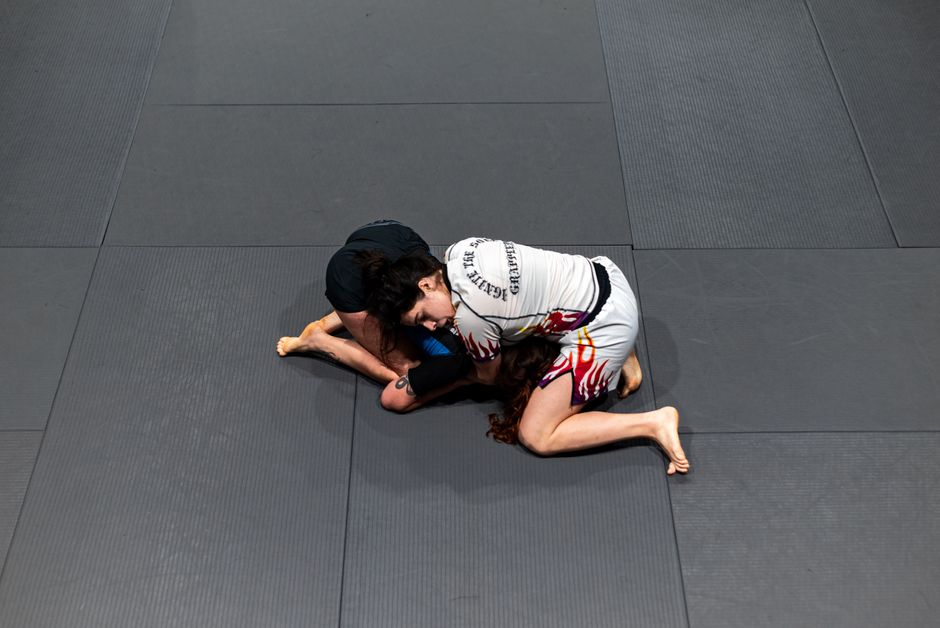
Brazilian jiu jitsu for adults is one of the fastest-growing fitness trends in 2026, and honestly, it's not just hype. Whether you're looking for a real self-defense skill, a new fitness challenge, or a mental reset, adult BJJ delivers on all fronts. The best part? You can start at any age, any fitness level, and still get incredible results. Let's break down what you need to know.
Why Adults Are Starting Brazilian Jiu Jitsu Right Now
Adult BJJ has exploded because it solves a real problem. Traditional gyms get boring. Running on a treadmill feels pointless. But stepping on the mat is different. Every roll is a puzzle you're solving with your body, and that engagement keeps you coming back.
The fitness benefits are legit. Research shows that martial arts training significantly improves cardiovascular endurance, muscular strength, and overall body composition through high-intensity interval training built into sparring and technique work. You're building functional strength that actually transfers to real life, not just mirror muscles.
But the physical side is only half the story. Adult BJJ students report better stress management, sharper focus, and genuine confidence that bleeds into their work and personal relationships. You're learning problem-solving under pressure, which trains your brain in ways nothing else does.
What to Expect in Your First Brazilian Jiu Jitsu Classes
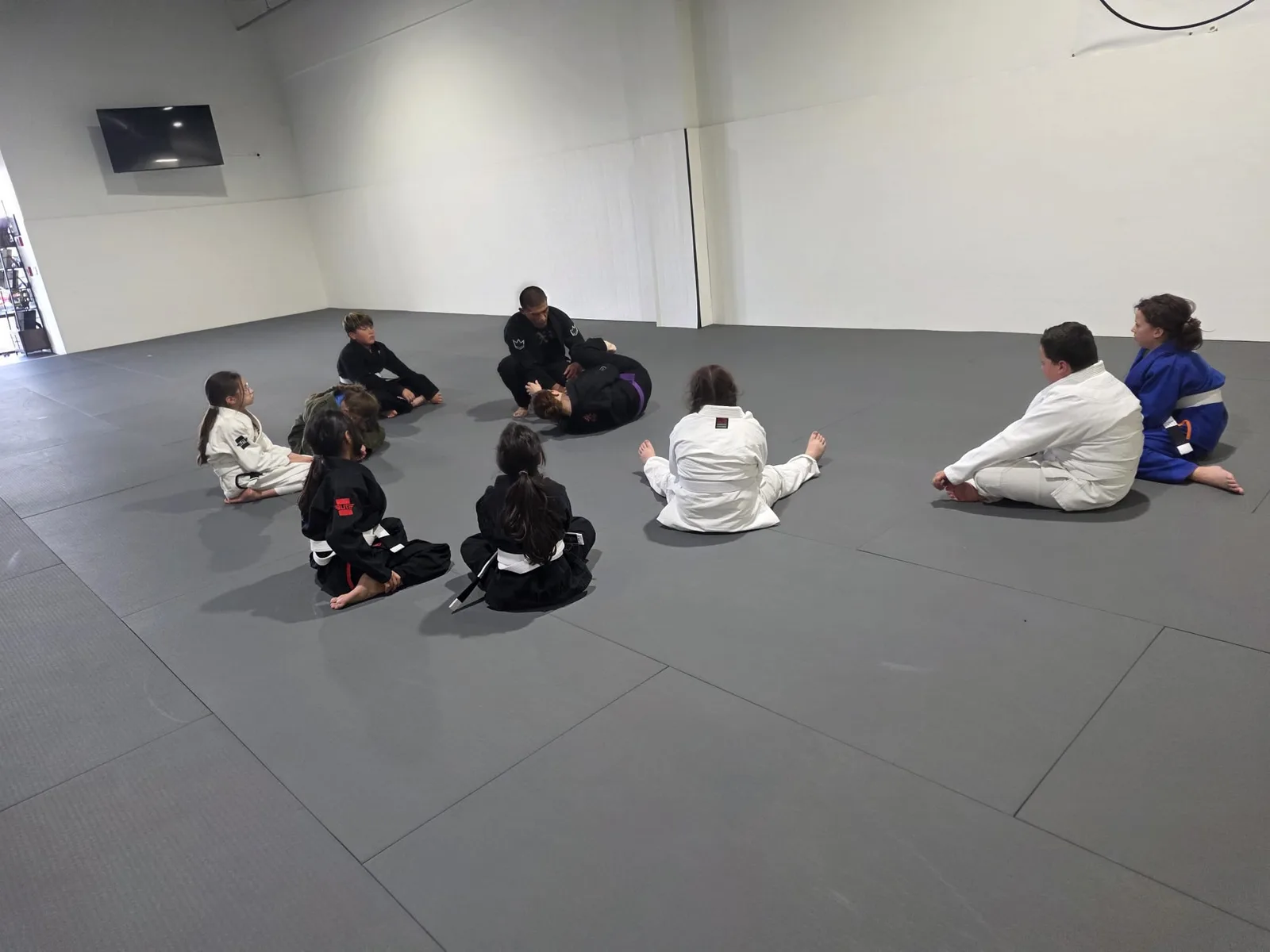
Most adult classes at quality gyms run 45-60 minutes and follow a similar structure. You'll start with a warmup (usually 5-10 minutes of movement to get your heart rate up and joints moving). Then comes technique instruction, where the instructor breaks down a specific move or combination step by step. You'll drill it with a partner, repeating it over and over to build muscle memory.
The final 15-20 minutes is usually open rolling or sparring, where you apply techniques against resisting partners. Don't panic about this part. Your instructor will match you with someone appropriate, and everyone on the mat understands you're a beginner.
You don't need any equipment day one. Most gyms have loaner gis (the traditional uniform) if you want to try it. No-gi classes (training in shorts and a rash guard) are also common and give you a great entry point. Gonzales JJ offers both gi and no-gi options so you can find what clicks with you.
The Self-Defense Reality of Adult BJJ Training
A lot of adults start BJJ specifically for self-defense, and this is where it gets practical. BJJ is built on leverage and technique, not size or strength. That means a 160-pound person can effectively control someone bigger through proper positioning and pressure.
The self-defense techniques you learn are pressure-tested. They work in real rolling, which means they've been proven effective against active, resisting opponents. This is different from techniques you watch on YouTube that have never been tested against someone actually fighting back.
That said, self-defense in BJJ focuses on survival, control, and getting away safely. You're learning to neutralize threats and escape bad positions, not to be an aggressor. This mentality keeps training ethical and grounded in reality, not ego.
Physical and Mental Development Through Adult BJJ
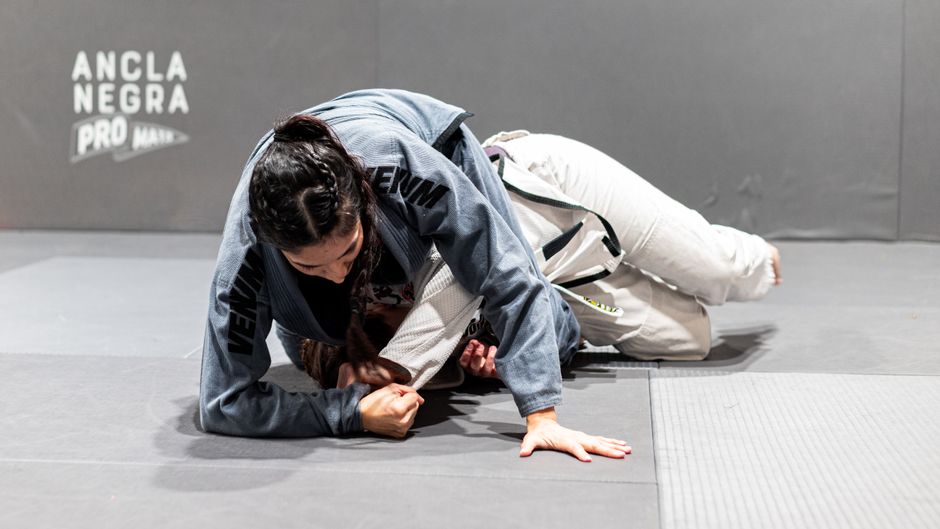
The strength and endurance gains are real. BJJ targets your entire body through constant movement, controlled effort, and dynamic resistance. Your legs, core, back, and shoulders all develop functionally because you're using them the way they were designed to work.
But the mental development is what keeps adults addicted long-term. Every roll teaches you something about problem-solving, patience, and resilience. You'll fail. A lot. And instead of being discouraging, that failure becomes data. What didn't work? Why? How do you adjust?
This builds genuine mental toughness that transfers everywhere. You learn that struggle is information, not a sign you should quit. That lesson shows up when you're handling stress at work, navigating relationships, or facing any challenge.
How to Find the Right Adult BJJ Program
Not all gyms are the same. A good adult program has instructors who are patient, knowledgeable, and focused on technique over ego. You want a place where people roll hard but aren't trying to injure each other. You want a community vibe, not a competitive meat market.
Check out the vibe before you commit. Most gyms offer a free or cheap trial class. Show up, watch, ask questions. Do people help each other after class? Do the instructors scale training for different levels? Is it a real community or just a transactional space?
Look for flexible scheduling too. Adult life is chaotic. You need morning classes, evening classes, or both so you can actually make it consistently. Gonzales JJ understands adult schedules and builds programs around real life, not just competition calendars.
Start your BJJ journey off (Free Class)
Get Started Today →Starting Brazilian Jiu Jitsu Without Prior Martial Arts Experience
You don't need any background. Honestly, sometimes being a complete beginner is an advantage because you're not bringing bad habits from other training. Everyone starts confused. Everyone's first month is awkward. That's universal.
Related: Brazilian Jiu Jitsu Leg Locks: Complete Beginner Guide
Related: Brazilian Jiu Jitsu Ranks Explained: Your Complete 2026 Guide
Related: Brazilian Jiu Jitsu No Gi: Complete Training Guide
What matters is showing up consistently. One class won't change your life. But three classes a week for three months? You'll notice real differences in how you move, how you handle stress, and how confident you feel. The compounding effect is where the magic happens.
Be humble about your fitness level. If you're out of shape, scale the intensity. Roll lighter, take more breaks, focus on position over intensity. Your job week one is just to survive and learn, not to become a champion.
Common Concerns About Starting Adult BJJ
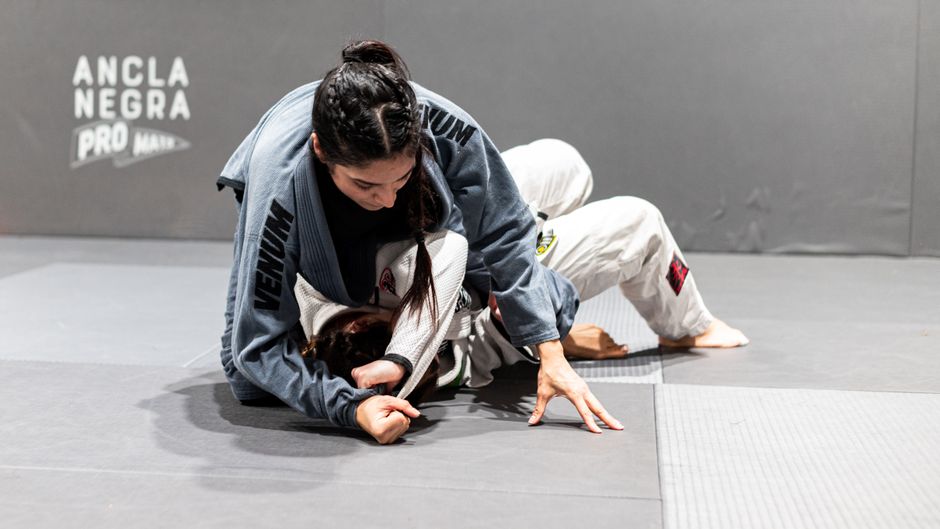
People worry about getting hurt. Yes, injuries can happen in BJJ, but they're far less common than people think. A good gym has safety protocols. Tap when you're uncomfortable. Your training partners will respect that. Everyone on the mat knows that today's training partner is tomorrow's ally.
People also worry about being too old or too out of shape. This is overthinking it. Adults of all ages and fitness levels train. You progress at your pace. The goal isn't to beat everyone. It's to beat who you were yesterday.
Some people worry they're not tough enough mentally. Again, this is why BJJ is so effective. You build toughness by doing the thing, not by already being tough. That's the whole point.
Building a Sustainable Adult BJJ Practice
Consistency beats intensity. Three solid training sessions per week will transform you faster than sporadic intense sessions with big breaks in between. Your body adapts to regular stimulus, and your brain builds the neural pathways for technique.
Supplement your training smartly. You don't need a complicated program, but some basic strength work helps prevent injuries and fills gaps. Core work, shoulder mobility, and leg strength all pay dividends on the mat.
Recovery matters. Sleep, hydration, and nutrition aren't fancy. They're the foundation. If you're training hard, you need to eat and sleep accordingly. Your body builds during rest, not during the actual training.
Most importantly, find a gym where the culture aligns with your goals. If you want personal growth alongside competitive excellence, you need a community that values both. Check out Gonzales JJ if you're in the Rio Rancho or Albuquerque area to see how a truly community-focused program balances competitive training with personal development for adults at every level.
Is Brazilian Jiu Jitsu good for adults with no experience?
Absolutely. BJJ is designed to work for any fitness level and any age. Most adult beginners are learning alongside each other, and good instructors scale everything. You learn at your pace, not the gym's pace. Experience isn't a prerequisite—consistency is.
How often should adults train Brazilian Jiu Jitsu?
Three times per week is a solid sustainable baseline. That's enough frequency for your body to adapt and your brain to build the neural patterns for technique. More is fine if your recovery can handle it, but consistency matters more than volume. Two solid weeks per month beats one week of three classes and then a month off.
Can adults get injured training Brazilian Jiu Jitsu?
Minor injuries happen in any physical activity. Proper warmups, tapping when uncomfortable, and training with partners who respect safety dramatically reduce injury risk. Most gyms have strong safety cultures because experienced athletes know injuries interrupt training. Choose a gym where safety is built into the culture, not an afterthought.
What's the difference between gi and no-gi Brazilian Jiu Jitsu for adults?
Gi training uses the traditional uniform and involves gripping the fabric, which adds a technical layer. No-gi uses shorts and a rash guard, and the focus shifts to body-lock control and footwork. Both are valuable. Many adults train both because they complement each other and keep training fresh. Try both and see which one clicks for you first.
Start your BJJ journey off (Free Class)
Get Started Today →