
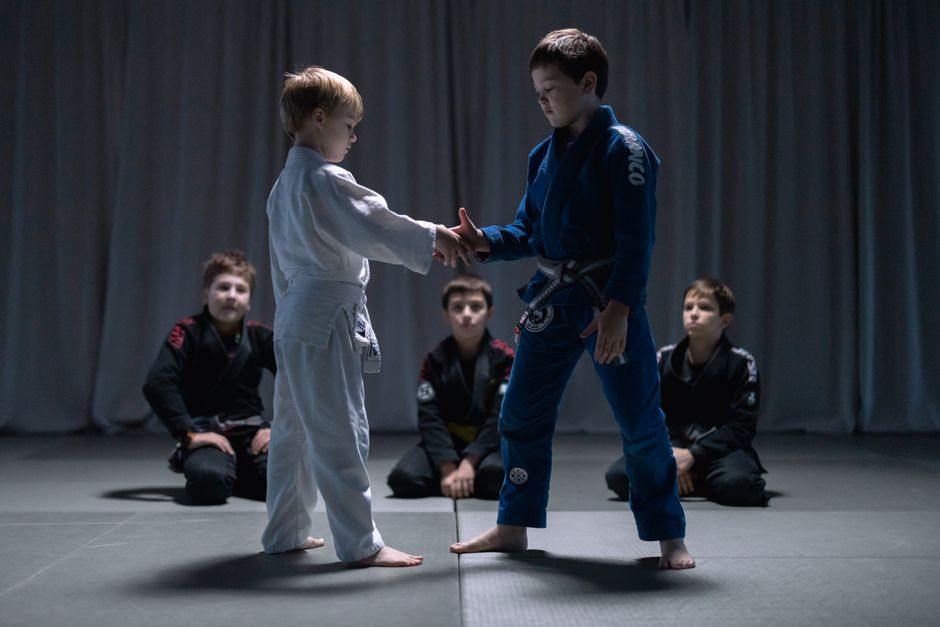
A children's jiu jitsu gi is more than just a uniform. It's your kid's foundation for learning Brazilian Jiu-Jitsu, building confidence, and developing discipline on the mat. But picking the right one can feel overwhelming if you don't know what you're looking for.
Here's the honest truth: the right gi matters because it needs to fit properly, hold up through hard training, and let your child move freely. A poorly fitted or cheap gi will tear, slip off during training, and frustrate both your kid and their instructor. That's why understanding what to look for before you buy is worth the five minutes it takes to read this guide.
What's Inside a Children's Jiu Jitsu Gi?
Every jiu jitsu gi for kids has three main parts: a heavy-duty jacket, reinforced pants with a drawstring, and a colored belt system that shows progression.
The jacket is the most important piece. It's made from thick fabric that can handle grappling, collar grabs, and sleeve pulls without ripping. The seams are reinforced because kids pull hard on them during training. The sleeves should reach your child's wrists, and the jacket should come down to their hips when they stand up straight.
The pants are equally tough. They need a reinforced crotch area and reinforced knees because that's where gis take the most punishment. The drawstring should be strong enough to stay tied through an entire class without coming loose. Good pants won't ride up or slip down when your kid is rolling.
The belt system is part of the gi structure. Most kids' gis come with a white belt, but Gonzales JJ and other quality academies use a clear belt progression system. As your child trains and improves, they'll earn promotions that show their skill level and dedication.

Sizing Your Child's Jiu Jitsu Gi
This is where most parents mess up. A gi that's too big looks cool but gets tangled during training. A gi that's too small restricts movement and is uncomfortable.
The right size depends on your child's height and weight. Most brands size children's gis as 000, 00, 0, 1, 2, and up. A typical rule is: the sleeve should reach the wrist, and the jacket should end at the hip. When your child puts on the gi and stands with arms at their sides, there should be about one inch of space between the fabric and their body. You should be able to fit one finger between the jacket and their chest.
Here's a practical tip: measure your child's height and weight, then check the brand's size chart. If your child is between sizes, go up one size. Kids grow, and a slightly larger gi will last longer. Plus, there's less chance of restricting their movement.
One more thing: always check the inseam of the pants. The pants should reach their ankles but not bunch at the feet. If the inseam is too short, your child will feel restricted in their hips and legs during technique work.
What Makes a Durable Children's Jiu Jitsu Gi
Quality construction separates gis that last from gis that fall apart after a few months.
The weight of the fabric matters. Gis come in light, medium, and heavy weight. For kids starting out, a medium-weight gi is the best balance. It's durable enough for regular training but not so heavy that it weighs them down or stays wet for hours after sweating. Light-weight gis are okay for warm climates, but they won't hold up as long under constant training.
Reinforced seams are non-negotiable. Cheap gis have single-stitched seams that tear easily. Quality gis have double or triple-stitched seams, especially at the collar, shoulders, and pants crotch. When you're shopping, look at the stitching pattern. You should see multiple rows of thread, not just one thin line.
The collar should be thick and rigid enough to handle collar grabs without stretching out of shape. A floppy collar is a sign of poor construction. When you hold the collar in your hand, it should feel substantial and hold its form.
The drawstring and waistband should be reinforced. A broken drawstring halfway through the training season is annoying. Quality brands use thick cord and reinforce the anchor points where the string connects to the pants.
When you're comparing options, feel the fabric with your hands. Quality gis feel smooth and dense, not flimsy or papery. If the fabric feels thin or rough, it probably won't last through heavy training sessions.
IBJJF Approval and Competitive Training

If your child wants to compete in tournaments, you'll need an IBJJF-approved gi. The International Brazilian Jiu-Jitsu Federation has strict standards for competition gis, including jacket weight, sleeve length, pant width, and more.
Not all gis are IBJJF-approved, but most quality brands sell competition-legal options. If your child is just training for fun and self-defense, an IBJJF gi isn't required. But if there's any chance they might compete in the future, buying an approved gi from the start saves you money in the long run.
Check the product description or tag. It should say "IBJJF-approved" or "competition-approved" if it meets the standards. If you're unsure, ask your child's instructor. They can tell you whether a specific gi is legal for tournaments.
How to Care for Your Child's Gi
Your investment only lasts as long as you maintain it properly.
Wash the gi in cold water with mild detergent. Hot water shrinks the fabric and weakens the fibers. Machine wash on a gentle cycle, or hand wash if you want it to last even longer.
Dry it flat or hang it up. Never put a gi in the dryer. Heat causes shrinkage and damages the fabric. After training, hang it somewhere with good airflow so it dries completely. A wet gi left in a bag will get moldy and start to smell.
Inspect the seams and collar regularly. If you catch small tears early, you can repair them before they get worse. A loose seam can be re-stitched by a tailor or by hand if you're handy.
Most quality children's gis will last 1-2 years with proper care, even with multiple training sessions per week. After that, your child probably outgrew it anyway.
Why Training Gear Matters More Than You Think
Picking the right gi is part of showing your child that jiu jitsu training is serious and important. When kids put on a real, quality gi that fits them properly, they feel like real martial artists. That mindset shift is powerful.
Beyond the psychology, the right gi enables better technique learning. Your child can move freely, their instructor can adjust and correct their position, and they won't spend class distracted by a slipping gi or uncomfortable fit.
According to research from the National Center for Biotechnology Information, children who train martial arts with proper equipment show improved focus, discipline, and coordination compared to those without structured training. The right gear removes barriers to learning.
At Gonzales JJ, we see kids transform when they commit to training with real equipment and real technique instruction. The gi is part of that commitment. It tells your child, "This matters. You matter."
Start your BJJ journey off (Free Class)
Get Started Today →Color, Fit, and Personal Style
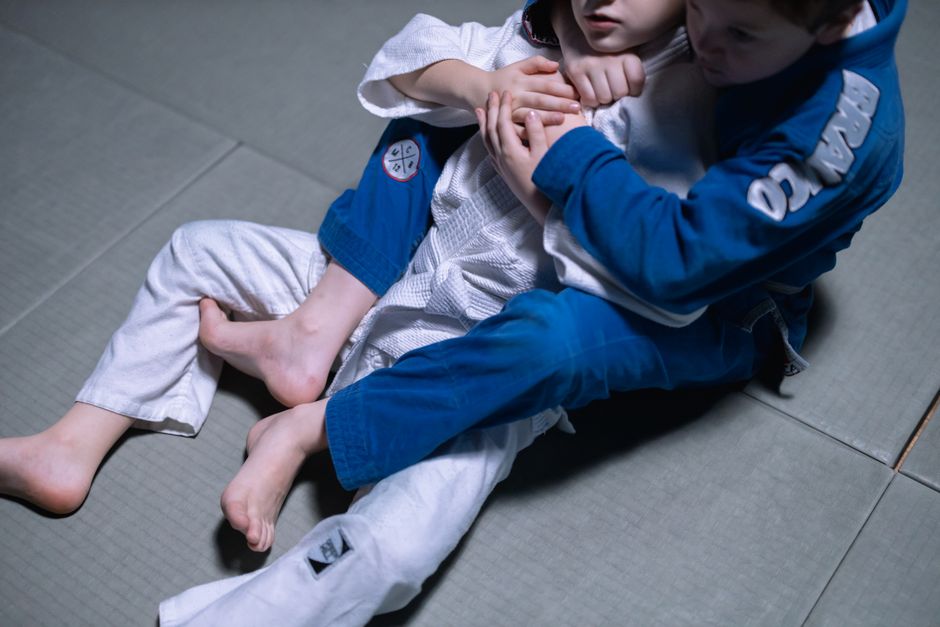
Most children's jiu jitsu gis come in white, blue, or black. White is the traditional color and works for every academy. Some kids prefer blue or black because it looks cool and doesn't show dirt as easily.
Check your academy's rules before buying. Most academies accept white, blue, or black gis for training, but a few have specific requirements. Ask your instructor or check their website.
Your child might want a gi in their favorite color, which is totally fair. If blue is their favorite and the academy allows it, buy blue. Training should be fun and engaging, not frustrating. A gi your child feels good about wearing is a gi they'll actually want to put on for practice.
Some brands offer girls' specific gis with tailored fits in the shoulders and hips. These aren't required, but they offer a better fit for girls who prefer them. Other girls train perfectly fine in unisex gis. It comes down to what feels comfortable for your individual child.
Getting Started with the Right Gi
You now know what to look for: proper sizing, reinforced seams, quality fabric weight, and IBJJF approval if your child might compete. You understand why fit matters and how to care for the gear properly.
When you're ready to buy, measure your child, check the brand's size chart, and read reviews from other parents and students. Look for gis described as "durable," "reinforced," or "competition-quality." Avoid anything that sounds cheap or flimsy.
Then get your child to an academy where they can learn from skilled instructors who understand how to teach kids and help them grow both on and off the mat. Gonzales JJ in Rio Rancho offers technique-focused training for kids of all ages and experience levels, taught by world-champion competitors. But whether you train with us or another academy, the right gi paired with quality instruction is where real progress starts.
People Also Ask
What size jiu jitsu gi should my 5-year-old wear?
A typical 5-year-old wears a size 000 or 00, but always measure your child's height and weight and check the brand's size chart. If your child is tall for their age, they might need a size 0. Remember: the sleeve should reach the wrist, and the jacket should end at the hip.
Can my child wear a regular karate gi for jiu jitsu?
Not really. Karate gis are made for punching and kicking, so they're lighter and less reinforced at the collar and seams. Jiu jitsu gis are built for grappling, collar grabs, and pulling. They're much more durable and designed differently. Use a jiu jitsu gi for jiu jitsu.
How often does my child need a new gi?
With good care, a quality gi lasts 1-2 years of regular training. Your child will probably outgrow it before it falls apart. If your child trains 2-3 times per week, they might need a new one annually as they grow.
Is a cheap gi worth buying to start?
Not really. A cheap gi will tear within a few months, frustrate your kid, and cost you money in the long run when you have to replace it. Spend a bit more upfront for a medium-quality gi that will actually last through your child's training. It's a better investment.
Start your BJJ journey off (Free Class)
Get Started Today →