
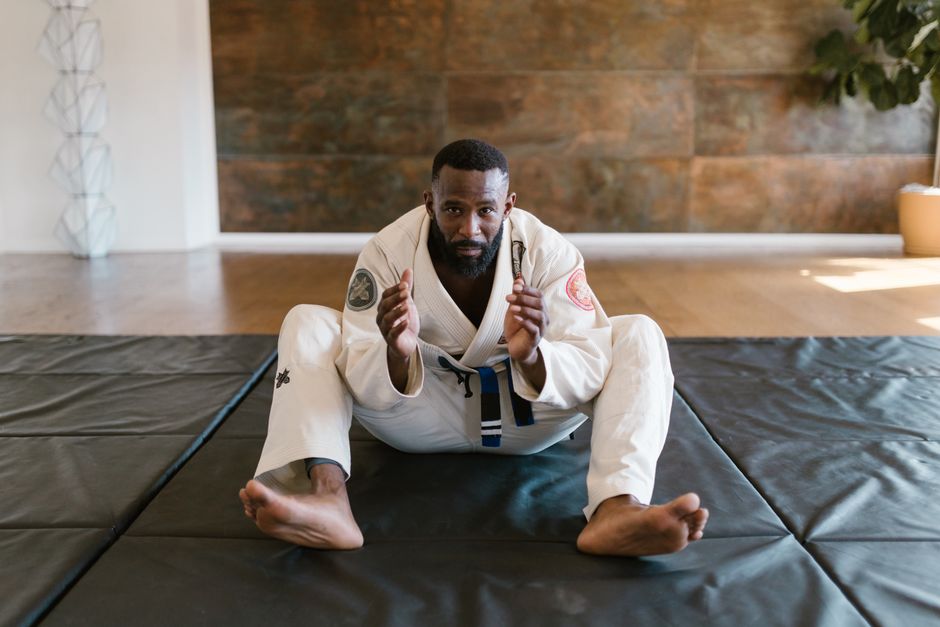
When you're picking a jiu jitsu gi, you're making a choice that affects every single training session. A good gi feels like it's barely there. A bad one? It'll distract you, wear out fast, and maybe even cost you technique points if it's loose in competition.
The best jiu jitsu gi is the one that matches your body, your training style, and your budget. Let's walk through what actually matters so you don't waste money on hype.
Related: Best Jiu Jitsu Gym: What to Look For in 2026
Related: Best Jiu-Jitsu Academy: What to Look For
Related: Best Jiu Jitsu Gis: What to Look For in 2026
Fit Is Your Starting Point
Everything else falls apart if the fit is wrong.
A gi that's too big will slip around during training, get grabbed by your partner, and make you sloppy with your movements. A gi that's too tight restricts your breathing and tears easier. You want snug without being strangled.
When the gi is on and buttoned up, there should be about one to two fingers of space between the fabric and your chest. Your sleeves should hit your wrist when your arm is relaxed at your side. Your pants should land just above your ankle. These aren't casual guidelines—they're the difference between a gi that works and one that doesn't.
Different brands size differently, so always check the sizing chart before buying. Your height and weight matter, but so does your build. If you're muscular, you might need to size up from what a chart suggests. If you're lean, you might size down. This is why trying on a gi in person, or buying from places with solid return policies, saves you headaches.
Weight Matters More Than You Think
Gi weight is measured in ounces per square yard of fabric, and it directly affects how your body feels during training.
Lightweight gis (around 350-450 oz) are easier on your joints and reduce fatigue. You'll feel less drag when you move, and you won't overheat as fast. Most training sessions feel smoother in a lightweight gi.
Heavier gis (500+ oz) are tougher and last longer, but they're also hot and harder on your body over time. Some people choose heavy gis because they think durability equals quality. That's partly true, but a lighter gi that's built well will outlast a heavy gi that's poorly constructed.
For most people starting out or training regularly, a medium-weight gi (around 450 oz) hits the sweet spot between durability and comfort. If you're training several times a week at Gonzales JJ or any serious academy, this is where you'll want to land.
Start your BJJ journey off (Free Class)
Get Started Today →
Durability: Construction Quality Wins
A gi gets worked hard. You're rolling, getting gripped, getting thrown, and washing it constantly. Bad stitching will fail. Weak fabric will tear.
Look for gis with reinforced seams, especially at the armpits and where the sleeves meet the body. The collar should be sturdy without being rock-hard—it'll take hits and grabs from your partners. The pants drawstring should be thick and won't snap off after a few months of use.
The fabric itself matters too. A tightly woven cotton blend holds up better than loose-weave cotton. When you squeeze the fabric, it should feel substantial, not thin or papery. This is honestly the best test you can do without training in it first.
Shrinkage is also part of durability. Most gis will shrink a bit in the wash. A quality gi is designed to shrink predictably, so it still fits after 50 washes. A cheap gi might shrink unevenly or keep shrinking and become useless.
Comfort Is Non-Negotiable

You can't perform at your best if your gi is uncomfortable, and comfort is personal.
Some people hate stiff collars. Others don't mind. Some want pants that move loose around the legs; others want them tighter. Some prefer thick fabric that holds structure; others want something softer against their skin.
The best way to figure out your comfort style is to train in a few different gis if you can. Ask friends at your gym to let you try theirs. Go to an open mat where people show up with different gear. Spend an hour in each one and notice what bothers you and what you don't think about at all.
For beginners, comfort is especially important because you're still learning to focus on technique. If your gi is distracting you, you're fighting two battles instead of one.
Color and Gym Requirements
Most gis come in white, blue, or black. Some come in other colors depending on the brand.
Check with your academy first. Gonzales JJ and many other gyms have policies about which colors are allowed in class. You don't want to buy a gi only to find out it's not approved for training.
Beyond gym rules, it's your preference. White is traditional and shows dirt easily, which means you'll stay on top of washing. Blue hides stains better. Black looks sharp but can be hot in summer.
Material Quality and Performance
Not all cotton is created equal, and not all gis are 100% cotton.
Cotton holds up well to repeated washing and doesn't break down like cheaper synthetic blends. A 100% cotton gi or a high-quality cotton blend will outperform everything else over time. The material should feel smooth but grippy, not slippery or scratchy.
When you feel the fabric in your hands, ask yourself: would this hold up to being grabbed hundreds of times a week? Does it feel like it'll stay strong after 100 washes? If it feels thin or flimsy, it probably is.
Rash Guards: A Complementary Choice
You'll see most people training in a gi top and nothing underneath. But many also wear a rash guard (a tight-fitting shirt) under their gi.
Rash guards add an extra layer of protection against skin infections and reduce friction that can cause mat burn. They're not necessary, but if you're training frequently or rolling with many different partners, they're a smart addition to your gear.
If you decide to go this route, make sure your gi is sized to fit comfortably over a rash guard. It shouldn't be so tight that it restricts movement or pulls at the seams.
Matching Your Gi to Your Training Style
Different training approaches can benefit from different gis.
If you're a competitor and training for tournaments, you might lean toward a lighter gi that's within competition weight limits and won't slow you down. If you're training for self-defense or general fitness, durability and comfort matter more than shaving ounces.
If you're training multiple times a week, having two gis is smart. You can alternate between them and let one dry while you wear the other. This also reduces the wear on any single gi and makes them both last longer. One could be your training workhorse, and the other could be your competition gi if you decide to compete.
When you're ready to start training and want personalized guidance on gear and technique, Gonzales JJ is here to help you get set up right.
The Bottom Line
The best jiu jitsu gi for you is one that fits properly, is built to last, feels comfortable during training, and matches your gym's requirements. Weight and material quality both affect performance, but they're not the only factors.
Don't buy the cheapest gi you can find hoping to save money—you'll end up buying another one in six months. Don't buy the most expensive one assuming it's automatically the best—expensive doesn't always mean it fits you well.
Take your time with the decision, prioritize fit above everything else, and test if you can before committing. Once you land on the right gi, you'll feel the difference in every training session.
Frequently Asked Questions
How often should I wash my jiu jitsu gi?
Wash your gi after every training session. Jiu jitsu involves close contact and sweat, which can harbor bacteria and fungal infections. A gi that sits unwashed between sessions becomes a breeding ground for skin issues. Rinse it right after training if possible, then wash it in cold water with mild detergent.
Will my gi shrink, and how do I prevent it?
Most gis will shrink somewhat in the wash, which is why sizing charts account for this. To minimize shrinkage, wash in cold water and air-dry instead of using a dryer. Hot water and high heat cause excessive shrinkage. A quality gi shrinks predictably; a cheap one might shrink unpredictably and become unwearable.
Is a heavier gi always more durable than a lighter one?
Not necessarily. A lightweight gi with excellent stitching and quality fabric will outlast a heavy gi with weak construction. Weight helps with durability, but construction quality is actually more important. A well-made lightweight gi can be your training partner for years.
Can I use my competition gi for everyday training?
Yes, but you don't have to. Competition gis are designed to meet tournament weight and size limits and are often optimized for performance under competition rules. They work fine for regular training, but many people prefer saving their competition gi for events and using a separate training gi for classes. If you train several times a week, two gis means less wear on each one.
Start your BJJ journey off (Free Class)
Get Started Today →