
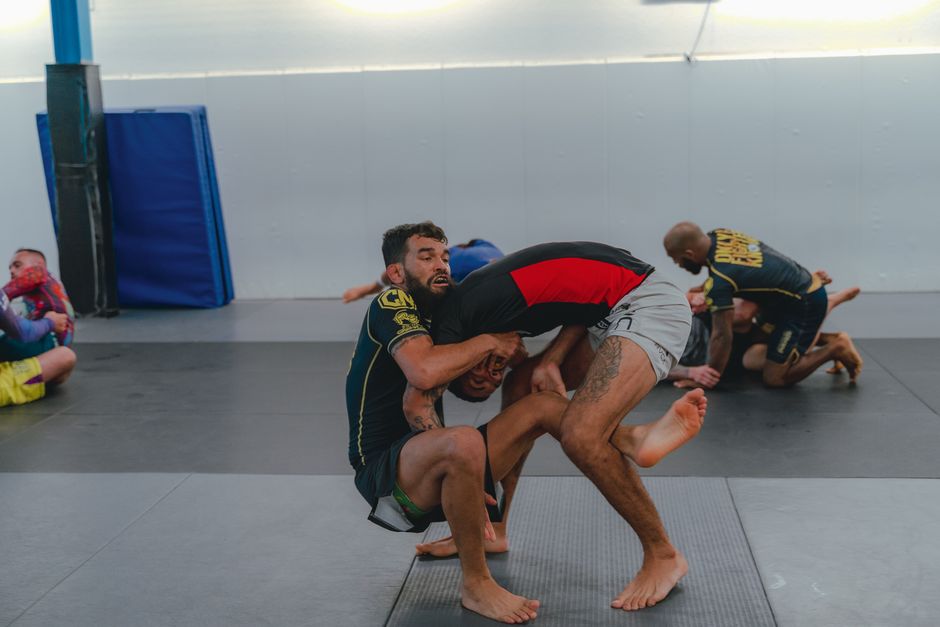
You've probably noticed that most BJJ training focuses on upper body submissions—armlocks, chokes, shoulder pressure. But here's what you're missing: leg submissions control 50% of your opponent's body and are often overlooked in training. When you master jiu jitsu leg submissions, you unlock an entirely new dimension of your game, giving you finishing options that catch even experienced grapplers off guard.
The good news? You don't need years of training to start learning leg attacks safely and effectively. You just need proper instruction, smart progressions, and a gym that prioritizes technique over ego. That's where understanding the fundamentals makes all the difference.
Understanding Leg Submission Mechanics
Leg submissions work by applying pressure to your opponent's knee, ankle, or hip joints to force a tap. The mechanics are straightforward once you see them in action.
Here's the basic framework: you trap your opponent's leg between your own legs while using your arms to secure control. The pressure comes from your hips, which hyperextend the knee joint. The key is positioning your opponent's kneecap toward your body, creating a mechanical advantage that makes escape nearly impossible.
Think of it like a lever. You're not using raw strength; you're using geometry. Even a smaller grappler can submit a much larger opponent when the technique is locked in correctly.
This is why learning proper entries and progressions is critical. A sloppy leg lock can injure your training partner. A clean one gives your opponent a clear tap point and a chance to escape safely. At Gonzales JJ, we teach leg submissions with the same technical precision and respect for safety that you'd expect from world-champion instructors.
Common Jiu Jitsu Leg Submission Types
Not all leg attacks are the same. Let's break down the most fundamental submissions you'll encounter in training.
Related: Best Brazilian Jiu Jitsu Gi 2026: Top 6 Ranked
Related: Best Brazilian Jiu Jitsu Ear Guards in Rio Rancho, NM
Related: Best Kids Jiu Jitsu Gi Cheap in Rio Rancho, NM
Related: Best Jiu Jitsu Gym 2026: Top 6 Ranked & Compared
Related: Best Jiu Jitsu Academy Near Rio Rancho, NM
Related: Best Jiu Jitsu Self Defense in Rio Rancho, NM
Related: Best Kids Jiu Jitsu Gi for Sale in Rio Rancho, NM
Related: Best Jiu Jitsu Gi for Beginners in Rio Rancho, NM
- Knee-Focused Submissions: The Gable grip is one of the most common leg lock completions. You secure your opponent's leg with a tight grip that locks and controls the knee, leaving no space for escape. This is often the first leg submission beginners learn because the mechanics are intuitive and the safety margin is high.
- Ankle-Focused Submissions: The toe hold and straight ankle lock attack your opponent's ankle ligaments, mimicking the mechanics of a rolled ankle injury. These require more precision than knee locks but are devastating when executed correctly.
- Hip Attacks: While less common for beginners, hip submissions like the electric chair control the entire hip joint and are highly effective in no-gi BJJ.
Each of these submissions has entry points, defenses, and counters. The question isn't which one is "best"—it's which one fits your body type, strength profile, and overall game strategy. That's a conversation you should have with an instructor who knows your abilities.
Why Leg Submissions Matter in 2026 BJJ Training
You might be wondering: if leg submissions are so effective, why doesn't everyone train them? Part of the answer is historical. Traditional BJJ prioritized upper body techniques for decades. Leg lock systems were considered risky or "not real jiu jitsu" by some old-school coaches.
That attitude has shifted dramatically. Modern competitors and coaches now recognize that ignoring leg submissions puts you at a serious disadvantage. You're essentially training with half your toolkit missing.
Here's what matters for your training in 2026: a well-rounded leg submission game improves your overall health, strength, and performance on the mat. You develop better hip mobility. You learn joint control mechanics that apply to other techniques. You gain versatility in competition and rolling.
But there's a catch. Learning leg submissions from YouTube videos or half-remembered techniques from a friend is a recipe for injury. You need progressive instruction from someone who understands the subtleties of pressure, timing, and escape routes.
Safe Training Progressions for Leg Submission Mastery
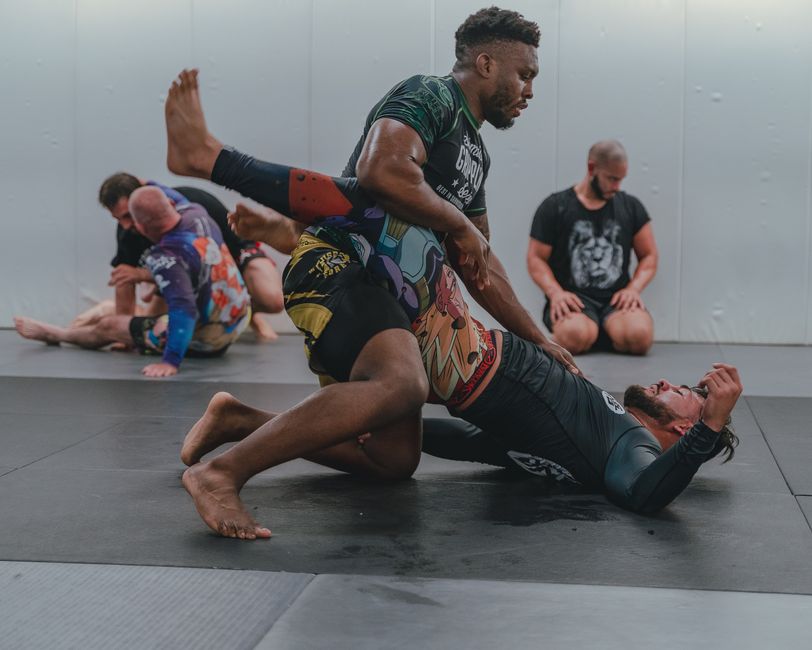
The path to mastering leg submissions doesn't start with finishing heel hooks. It starts with understanding the foundation.
Phase 1: Basic Positioning teaches you how to trap a leg correctly and establish control without pressure. You learn where your weight goes, how to prevent escape, and how your opponent should feel before you apply submission force.
Phase 2: Controlled Pressure introduces light pressure on the knee or ankle joint. Your training partner signals immediately if something feels wrong. You learn to read feedback and adjust.
Phase 3: Submission Entries shows you how to transition into leg locks from guard, top position, and transitions. You practice these against cooperative partners first, then gradually increase resistance.
Phase 4: Competitive Application means rolling with full resistance against partners of similar skill level. By this point, the mechanics are automatic and safe.
This progression takes time. At Gonzales JJ, our instructors—world-champion competitors themselves—structure classes so every student progresses at their own pace. Whether you're a first responder looking to add effective techniques, a parent wanting your kids to learn self-defense, or a competitive athlete optimizing your game, you get personalized guidance that keeps you safe and moving forward.
Start your BJJ journey off (Free Class)
Get Started Today →Where to Train Leg Submissions in Rio Rancho and Beyond
You can live in Rio Rancho, Bernalillo, Corrales, or anywhere within 15 miles and still access world-class instruction in leg submission technique. The difference between training at a gym that treats leg locks as an afterthought versus a gym that integrates them systematically into curriculum is massive.
Related: Best Jiu Jitsu Leg Locks Training in Rio Rancho, NM
Related: Best Jiu Jitsu Training in Rio Rancho, NM – Family-Focused BJJ
Look for a few key markers: Does the instructor have competition experience with leg submissions? Are they teaching progressive entries, not just finishing positions? Do they emphasize communication with training partners? Are they modifying techniques for different ages and body types?
At Gonzales JJ, we've been serving the Rio Rancho community since 2024, and every class—from kids' fundamentals to advanced adult rolling—incorporates leg submission technique in a controlled, progressive way. Our founder Abie Gonzales and co-instructor Laura bring world-champion experience directly to the mat, which means you're learning from people who've competed at the highest level and won.
That matters. A lot. Because leg submissions done wrong can create injuries. Done right, they become your most reliable finishing tool.
Building Your Leg Submission Game
Here's the reality: leg submissions aren't just a technique supplement. They're a fundamental part of modern jiu jitsu. If you're not training them, you're not getting the full picture of what BJJ can teach you.
Start with a gym that prioritizes proper mechanics and safety. Commit to the progression. Roll with partners who communicate. Ask questions when something feels off. Over time, you'll develop an intuition for pressure, timing, and positioning that transfers to every other part of your game.
The transformation isn't just technical. Students who master leg submissions often report a spike in confidence—both on the mat and off. You're no longer limited by conventional thinking about what's "supposed" to work. You become adaptable, resourceful, and harder to submit.
That's what Gonzales JJ is here for: to help you become a winner on the mat and off it.
FAQs on Jiu Jitsu Leg Submissions
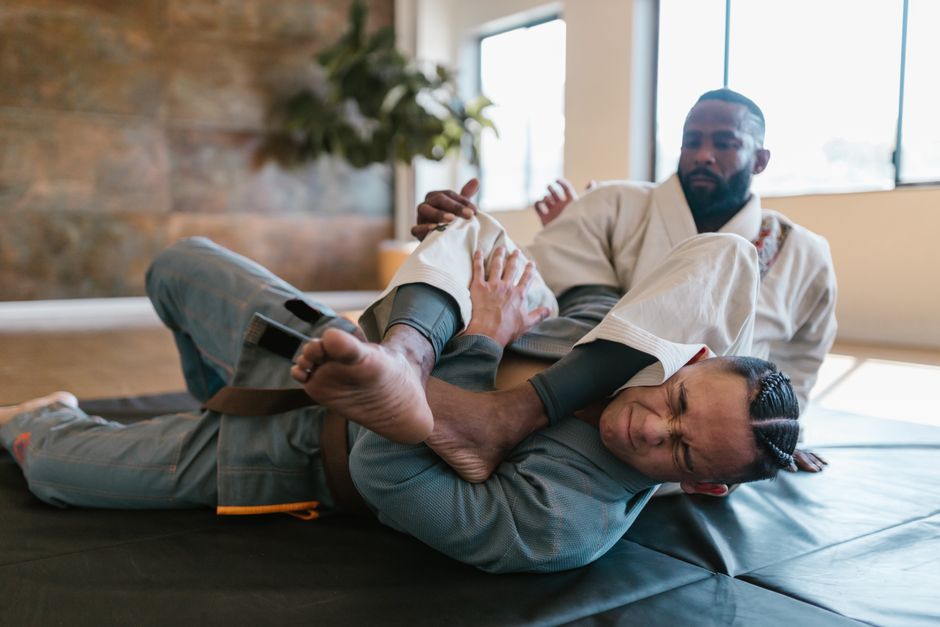
Are leg submissions safe for beginners?
Yes, when taught progressively and with proper communication. The key is starting with light pressure, learning proper positions before applying force, and training with partners who tap early. Any reputable gym will teach leg submissions this way. Avoid ego-driven training where people crank submissions without warning.
At what age can kids learn leg submissions?
Most gyms introduce basic leg lock concepts around age 8 or 9, focusing on positioning and light pressure rather than finishing techniques. More advanced leg submissions are typically reserved for teens and adults. Instructors adjust based on maturity level and training history.
Do I need strong legs to execute leg submissions?
No. Leg submissions are about leverage and position, not strength. In fact, proper technique means a 130-pound grappler can submit a 220-pound opponent. The mechanics do the work. That said, strong hips and core stability definitely help, which is why focused leg submission training improves your overall athleticism.
How long does it take to get good at leg submissions?
Basic competency with knee-focused submissions like the Gable grip takes 8-12 weeks of consistent training. Ankle locks and more advanced systems take 3-6 months. But remember: you're learning for years, and that's the point. The journey of mastering your game is ongoing, and that's what makes jiu jitsu special.
Start your BJJ journey off (Free Class)
Get Started Today →