
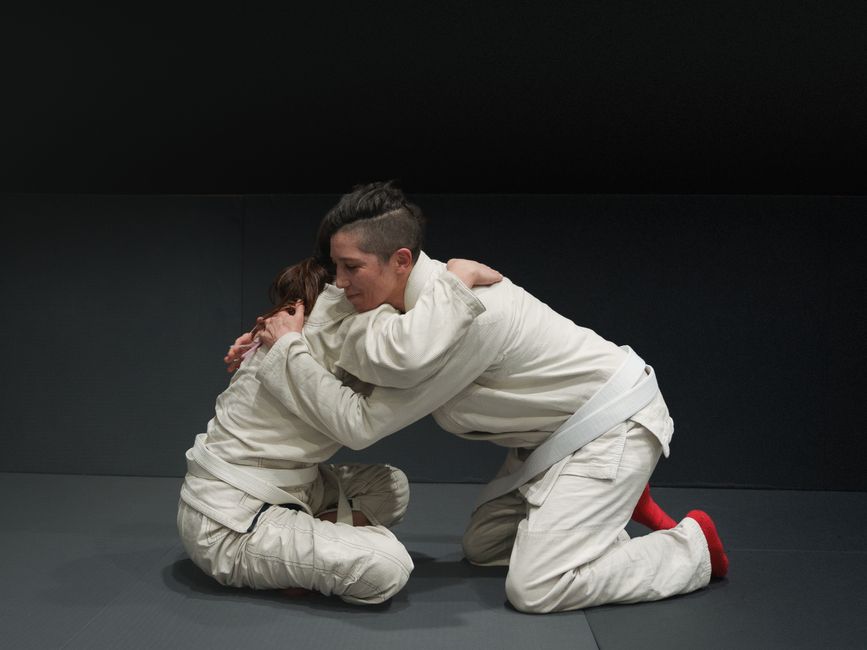
Gracie Jiu-Jitsu is a martial arts system built on practical self-defense and proven technique, not strength or size. It emphasizes using leverage and positioning to neutralize threats, making it accessible to people of all ages and fitness levels.
If you're curious about how Gracie Jiu-Jitsu works and whether it's right for you, this guide breaks down the fundamentals, the philosophy behind it, and what to expect when you start training.
What Is Gracie Jiu-Jitsu?
Gracie Jiu-Jitsu is a self-defense-focused approach to Brazilian Jiu-Jitsu developed by the Gracie family. It prioritizes practical, real-world applications over competition flashiness.
The core idea is simple: position and leverage beat muscle and aggression. You learn to control an opponent using joint locks, positional dominance, and submissions that work even if you're smaller or weaker. This is why academies like Gonzales JJ teach leverage-based jiu-jitsu to families, women, and first responders: the technique does not depend on size or strength.

Where sport-focused training is organized around points and tournament rules, Gracie Jiu-Jitsu keeps its attention on practical self-defense.
Key Principles of Gracie Jiu-Jitsu
Gracie Jiu-Jitsu rests on a few core principles that make it different:
- Control before submission: You master positional control first, then add submissions. This teaches safety and builds a foundation.
- Defense-first mindset: You learn to escape and defend before you learn to attack. A solid defense is always your best offense.
- Leverage over strength: Technique allows a smaller person to control a larger one. No need to be a gym rat to be effective.
- Simplicity: Gracie Jiu-Jitsu focuses on fundamental, reliable techniques that work repeatedly. You don't waste time on fancy moves that fail under pressure.
- Continuous improvement: Training is about personal growth and mastering the fundamentals deeper over time, not collecting belts quickly.
Gracie Jiu-Jitsu vs. Competition Brazilian Jiu-Jitsu
Not all Brazilian Jiu-Jitsu is the same. Here's what sets Gracie Jiu-Jitsu apart:
Self-defense focus: Gracie Jiu-Jitsu prioritizes escapes, defenses, and techniques that work in unpredictable situations. Competition BJJ also includes techniques built around tournament rules.
Beginner pacing: Gracie Jiu-Jitsu builds students up slowly and methodically. You master fundamentals before moving on.
All-age inclusivity: Gracie Jiu-Jitsu welcomes children, seniors, and adults of any fitness level. The system is scalable—everyone trains together safely.
Practical application: Techniques are tested against real resistance, but with safety as the priority. The goal is dependable fundamentals rather than tournament points.
That said, many academies blend both approaches. You can absolutely train Gracie Jiu-Jitsu fundamentals and also compete if you want to. The two aren't mutually exclusive.
Who Should Train Gracie Jiu-Jitsu?
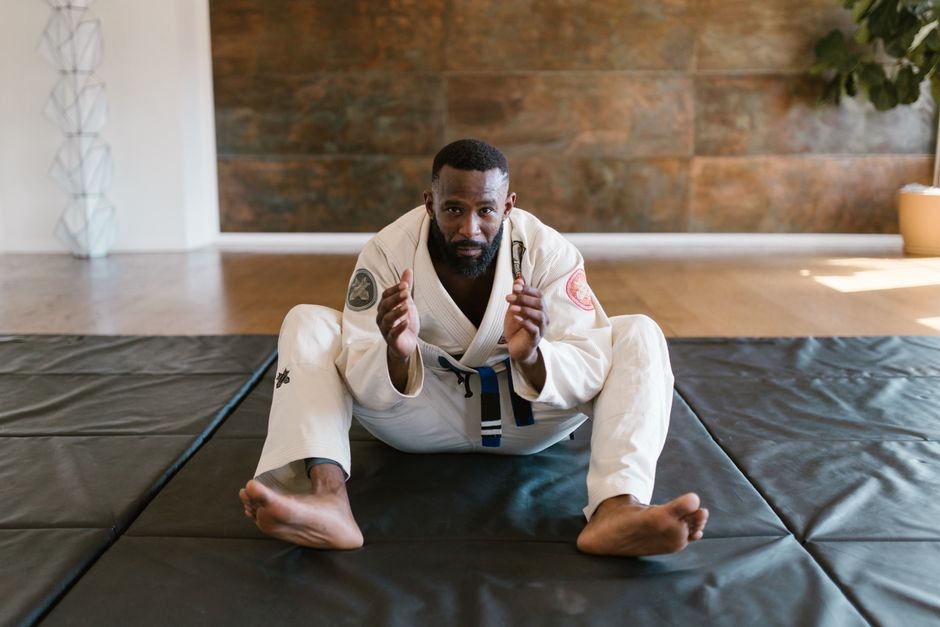
Gracie Jiu-Jitsu is genuinely for everyone:
Beginners and kids: The system is designed so complete newcomers can start immediately. Children build confidence, discipline, and anti-bullying skills. Parents often train alongside their kids.
Women: Specialized self-defense programs teach women how to escape and defend against common threats. Gracie Jiu-Jitsu doesn't rely on matching strength—it's perfect for anyone who wants practical protection.
Athletes and competitors: If you want to test your skills in competition, Gracie fundamentals give you a rock-solid base. Many elite competitors started with Gracie principles.
First responders: Police officers, security professionals, and emergency workers use Gracie Jiu-Jitsu techniques on the job. The self-defense and control focus aligns directly with their needs.
Adults seeking fitness and discipline: Training improves cardiovascular health, strength, and mental toughness as a natural byproduct of learning technique. You also gain confidence and community.
What to Expect in Your First Class
Walking into a Gracie Jiu-Jitsu class for the first time can feel intimidating, but it shouldn't. Here's what typically happens:
Warm-up: You'll do light movements to get your body ready. Nothing crazy or ego-driven.
Technique instruction: The instructor breaks down a fundamental technique step by step. Everyone practices it on a partner at a controlled pace. You're not competing yet—you're learning.
Drilling: You repeat the technique over and over with a partner. This builds muscle memory and lets you ask questions.
Rolling (light sparring): You apply the technique against realistic resistance. Your partner cooperates while also moving naturally. It's collaborative, not confrontational.
Cool-down: Class ends with stretching and recovery.
The whole environment should feel welcoming and supportive. Everyone's there to grow. Ego and showing off are not part of the culture. If you're looking for a program that builds winners both on and off the mat, Gonzales JJ offers technique-focused instruction in a family-friendly setting right in Rio Rancho.
Start your BJJ journey off (Free Class)
Get Started Today →Building Confidence Through Training
One of the best side effects of Gracie Jiu-Jitsu is confidence. When you master techniques that actually work, and you practice them against resistance regularly, your mindset shifts.
You realize you can learn hard things. You can stay calm under pressure. You can solve problems when someone is resisting you. That confidence carries into your job, your relationships, and how you carry yourself in the world.
Kids especially benefit from this. Knowing you can defend yourself—and having trained with trusted instructors—changes how you walk into a room and how you handle conflict before it escalates.
Short on Time? Start With the Fundamentals
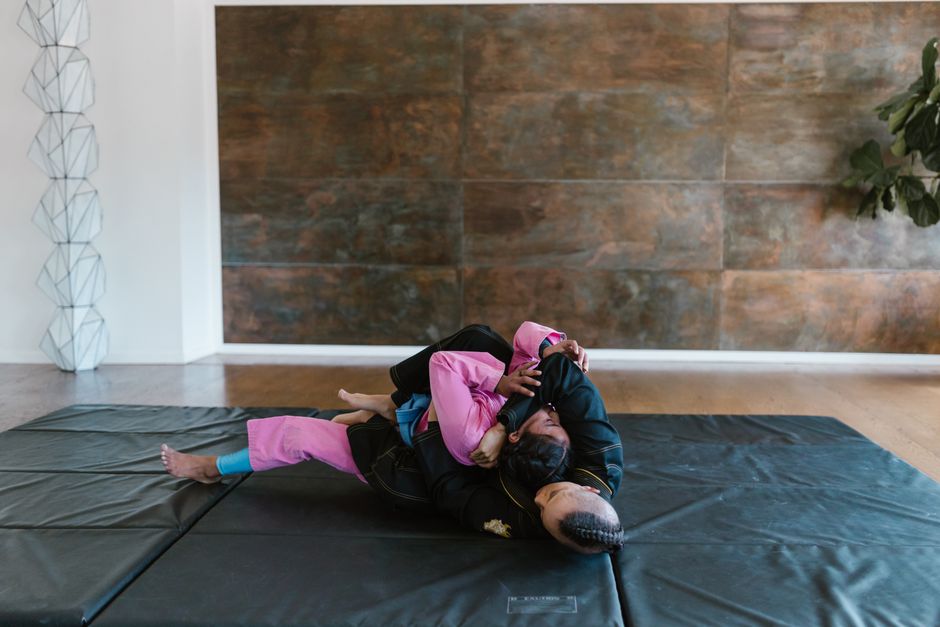
If you want the self-defense benefits of Gracie Jiu-Jitsu but have limited time, start with the fundamentals: the most essential escapes and defensive positions.
Even one or two classes a week build those basics, and you don't need to chase belts to learn them. That said, regular training gives you deeper tools and a community of people to practice with over time.
The Fitness and Mental Benefits
Training Gracie Jiu-Jitsu builds your body and mind:
- Cardiovascular fitness: Rolling and drilling gets your heart rate up naturally. You don't need cardio machines if you train consistently.
- Functional strength: You develop strength where it matters—gripping, core stability, leg power. It translates to real life.
- Mental toughness: Learning to stay calm when someone is trying to submit you teaches resilience and problem-solving under stress.
- Community: Training with the same people regularly builds genuine friendships. You celebrate wins together and support each other through plateaus.
- Growth mindset: Jiu-Jitsu teaches you that struggle is learning. You get comfortable being uncomfortable, and that applies everywhere.
Finding the Right Program for You
If you're ready to start, look for a school that emphasizes fundamentals, has experienced instructors, welcomes beginners, and maintains a supportive culture. The environment matters just as much as the technique.
Ask if they offer beginner classes, trial sessions, or introductions. A good academy will encourage you to try it risk-free. You should feel welcomed, not pressured, on day one.
If you're in or near Rio Rancho and want instruction from world-champion competitors who focus on technique and personal growth, Gonzales JJ offers classes for all levels—families, kids, competitors, and adults seeking self-defense and fitness.
Getting Started Without Hesitation
The hardest part of Gracie Jiu-Jitsu is showing up the first time. Everyone feels nervous walking into a new gym. But remember: every person in that room was once a beginner who didn't know what they were doing.
Related: Gracie Jiu-Jitsu: A Beginner's Guide to Getting Started
Related: Passing the Guard in Brazilian Jiu-Jitsu: Complete Beginner's Guide
You don't need to be fit, young, strong, or coordinated to start. You just need to be willing to learn and practice. Gracie Jiu-Jitsu meets you where you are and builds from there.
FAQs About Gracie Jiu-Jitsu
Is Gracie Jiu-Jitsu dangerous?
Like any contact sport, there's always some risk of injury. But Gracie Jiu-Jitsu is built with safety in mind. You train with controlled resistance, tap out of submissions before they damage you, and instructors teach proper technique to lower the risk of injury. Beginners start slow. The sport has a strong culture of respecting your partner's safety.
How long does it take to get good at Gracie Jiu-Jitsu?
Most people notice improvement within a few weeks of consistent training, and the fundamentals keep building from there. Belt progression takes years, but you don't need a high belt to benefit. Many people train for the skills and community, not chasing rank.
Can women train Gracie Jiu-Jitsu?
Absolutely. Women are a huge part of Gracie Jiu-Jitsu. The system doesn't rely on strength, so it's especially effective for women. Many academies offer specialized women's self-defense programs too. You'll train with other women and men, and the focus is always on technique and safety.
Do I need to be young to start Gracie Jiu-Jitsu?
No. Adults start in their 30s, 40s, 50s, and beyond. The system scales to your age and fitness level. Younger students and older students often train together, supporting each other. Your only limitation is your own effort and consistency.
Start your BJJ journey off (Free Class)
Get Started Today →