
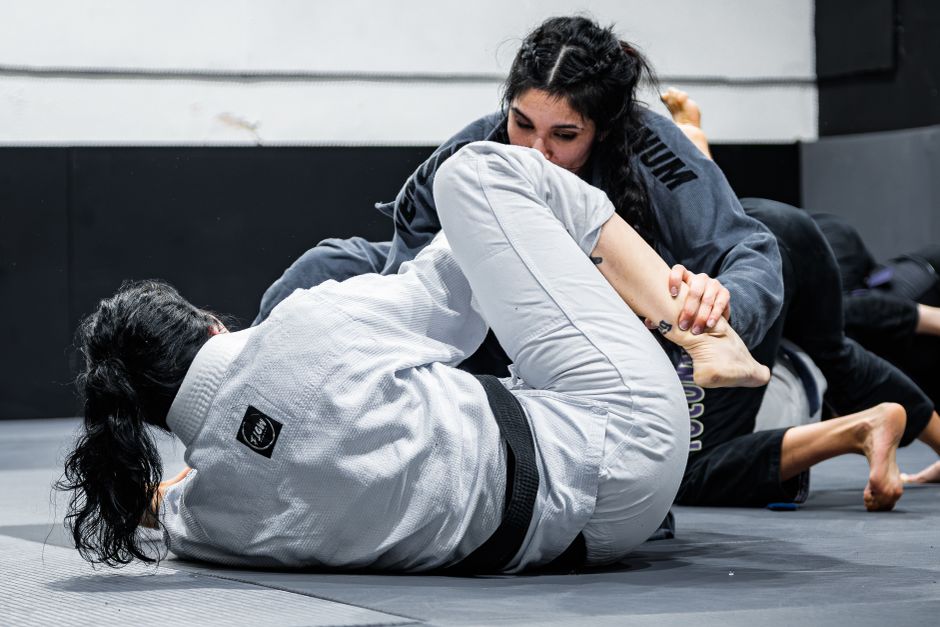
Passing the guard in Brazilian Jiu-Jitsu is all about using specific techniques to get past your opponent's legs and move into a dominant position. If you've rolled even a few times, you know how frustrating it feels when someone locks you down in their guard. The good news? Guard passing is totally learnable, and with the right approach, you'll start seeing breakthroughs fast.
This guide walks you through the fundamentals, common mistakes, and practical drills you can start using immediately. Whether you're brand new to BJJ or looking to tighten up your passing game, this is your roadmap.
Related: Brazilian Jiu-Jitsu Guards: Complete Beginner's Guide
Related: Brazilian Jiu Jitsu for Adults: A Complete Getting Started Guide
Related: Brazilian Jiu Jitsu Basic Moves: A Beginner's Guide
Related: Brazilian Jiu-Jitsu Weight Classes: Complete Guide
Related: Full Guard Jiu Jitsu: Complete Beginner's Guide
What Does Passing the Guard Actually Mean?
Guard passing is the act of moving from your opponent's guard position (where they're on their back with their legs controlling you) into a more dominant position like side control, knee on belly, or mount. Your goal is to neutralize their leg defense and work past those legs to pin or submit them.
Think of it this way: your opponent is using their legs like a cage to keep you trapped. Passing the guard means you're breaking out of that cage and taking control. It's one of the foundational skills emphasized in beginner-to-intermediate Gonzales JJ training because it teaches pressure, timing, and respect for your opponent's defense all at once.
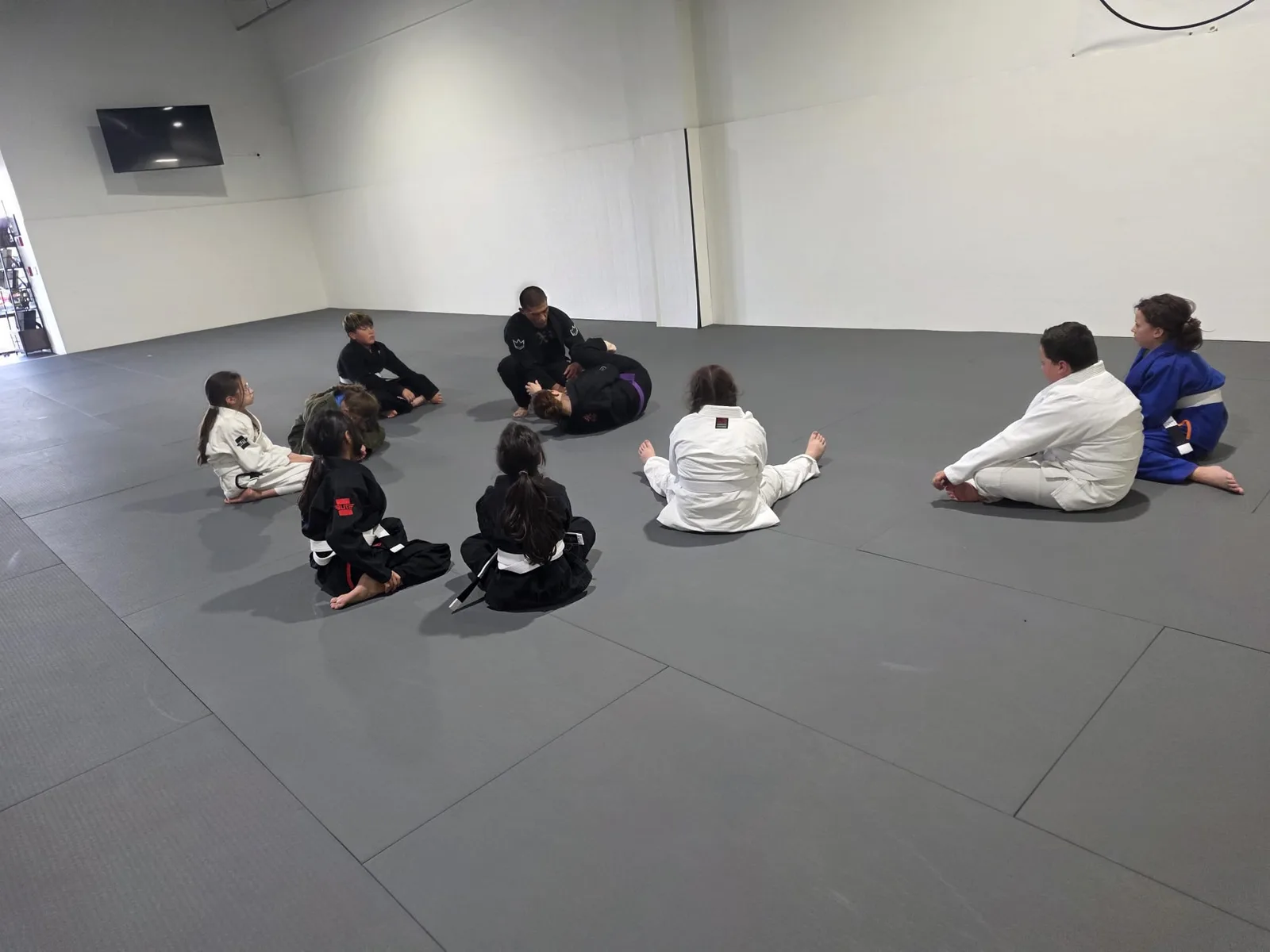
The Knee Smash Technique: Your Most Reliable Pass
One of the simplest and most effective guard passes is the knee smash. Here's how it works.
Step 1: Get Your Base Right
You're in your opponent's guard. Your hands are posted on their chest or by their ears. Your feet are planted wide on the mat behind you. This gives you stability and prevents them from controlling your hips with their legs.
Step 2: Control One Knee
Use your hand to grab or control one of their knees. You're not yanking it or being rough—you're just establishing control so they can't move that leg freely.
Step 3: Smash That Knee Down and to the Side
Here's where the "smash" comes in. You drive that knee down toward the mat and angle it to one side (usually toward their hip). This breaks their guard position because their legs can't maintain the squeeze and control when one knee is pinned down.
Step 4: Move Into Position
As their guard opens, you step your far leg through and slide into side control. Keep your chest tight to their body so they can't escape back to guard.
The beautiful part about the knee smash? It works even against opponents with really strong legs. Why? Because you're using leverage and positioning, not strength. Consistency matters here—repeatedly applying pressure prevents them from ever re-establishing guard control. You're not in a race. Steady pressure wins every time.
Standing Guard Pass: When They Won't Stay Flat
Sometimes you'll want to stand up and break their guard from a standing position. This is great if you're taller, have good balance, or want to pass while keeping distance.
The Setup
From their guard, push their hips back and start to stand up. They'll likely follow you, trying to maintain some control. This is normal. Keep your posture upright and your hands ready.
The Pass
As you stand, control one of their legs by holding their calf or ankle. Step to the side (usually the opposite direction from which you're holding their leg). This forces them to either break their guard or get swept. Keep moving forward with purpose—hesitation gives them time to re-guard or spin.
The standing pass gets tricky when they start flailing their legs or spinning to face you. When that happens, stay calm. Don't chase them. Instead, maintain your distance, keep your posture, and wait for them to slow down. Then move in with control. Defensive awareness here means recognizing when they're about to counter and adjusting before they can execute it.
The Leg Drag Pass: Advanced But Worth Learning
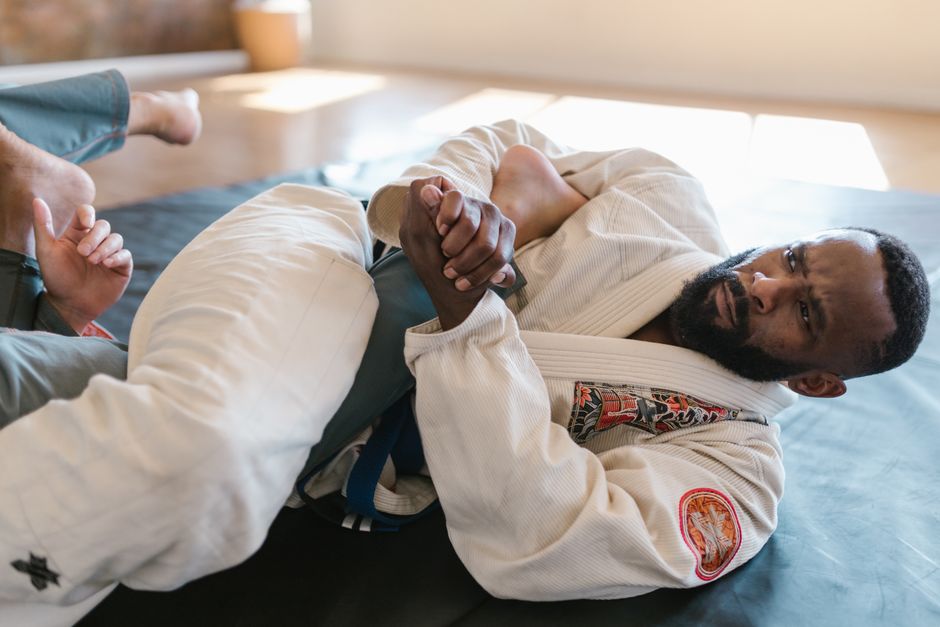
The leg drag is a more technical pass that opens up once you've mastered the basics. Instead of trying to smash their guard open, you drag one of their legs across your body while moving your hips past theirs.
Quick Breakdown
Control their leg, drag it across your body to the side, step your leg through, and settle into side control. The key is that you're moving perpendicular to their guard, not straight through. This changes their angle and makes it harder to counter.
Start your BJJ journey off (Free Class)
Get Started Today →One thing to watch: if they turn to face you during the leg drag, your pass changes. You'll need to adapt on the fly, maybe transitioning to a different pass or re-establishing control. This is why drilling these transitions matters so much.
Key Technical Elements That Make Passing Happen
Three things separate people who pass guards consistently from those who struggle.
1. Posture
Stay upright. Don't collapse forward into their legs. Keep your chest up and your core engaged. A collapsed posture gives them leverage to sweep or re-guard you.
2. Guard Movement Recognition
Learn to read what type of guard they're using. Open guard? Closed guard? De La Riva? Leg lock guard? Each one requires a slightly different approach. Understanding guard variations helps you pick the right pass before you even start.
3. Footwork
Your feet are everything. Step wide, step with purpose, and always have your back foot planted for balance. Sloppy footwork leads to getting swept or getting caught in leg locks.
Combine these three elements, and you'll pass guards way more effectively. It's not complicated. It's just fundamentals executed with attention.
Common Mistakes That Kill Your Passing Game
You're probably making at least one of these, and that's okay. Knowing about it means you can fix it today.
Mistake 1: Collapsing Into Their Guard
Don't lean forward with your weight. Stay tall and let your pressure work for you. Leaning in is how you get swept.
Mistake 2: Rushing
Guard passing isn't a sprint. Apply consistent pressure, wait for openings, and move when the time is right. Impatience leads to bad angles and bad escapes for them.
Mistake 3: Ignoring Defensive Counters
Pay attention to what they're doing. Are they about to sweep? Re-guard? Attack your leg? Understanding how to recognize and defend against opponent counters is critical. If you see it coming, you can adjust before they catch you.
Mistake 4: Using Only Strength
This is huge. Guard passing is about leverage, angle, and timing—not muscling through. The moment you rely on strength, you're in trouble against someone stronger or more experienced.
How to Practice Guard Passing Effectively
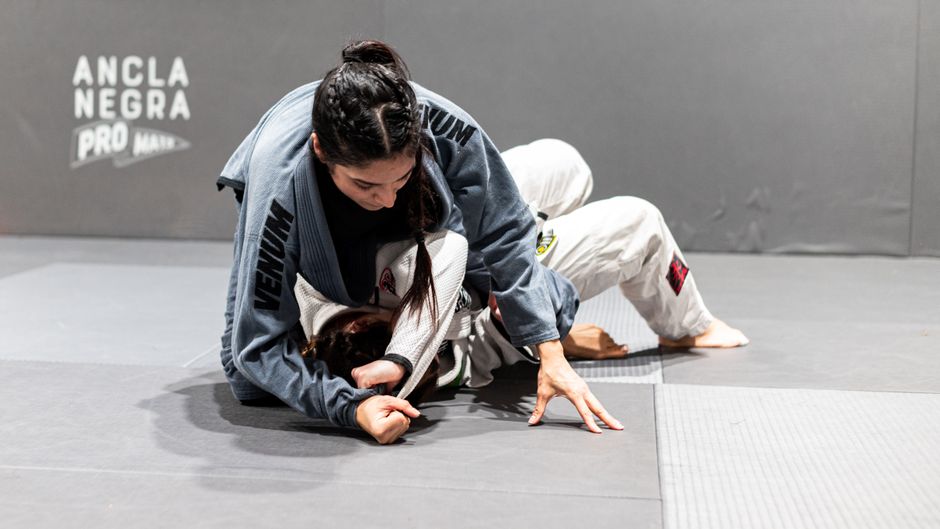
Knowing the technique is one thing. Drilling it until it's automatic is another.
Start Slow
When you're learning a new pass, go at 50% intensity. Focus on the steps, the hand placement, the footwork. Speed comes later.
Drill Specific Positions
Don't just roll and hope you get opportunities to pass guard. Set up specific scenarios. Start in their guard, execute your pass five times, then switch. Repetition builds muscle memory.
Roll Against Different Body Types
A pass that works against a smaller opponent might need tweaking against someone bigger or longer. Rolling with variety makes you adaptable.
Ask for Feedback
If you train at a quality gym like Gonzales JJ, your coaches will catch details you miss. Use their experience. That's what they're there for.
Why Guard Passing Matters Beyond the Mat
Here's something people don't talk about: guard passing teaches you how to stay calm under pressure. Your opponent is literally trying to control you, and you have to think clearly, recognize patterns, and execute a plan. That skillset transfers everywhere—to tough conversations, to problem-solving at work, to building confidence in yourself.
When you finally pass someone's guard after weeks of drilling, you feel something shift. You realize that patience, positioning, and precision beat panic and power every single time. That lesson sticks with you.
Next Steps: Build Your Passing Game
Guard passing is a skill, which means it improves with focused practice. Pick one pass—the knee smash is a great starting point—and drill it consistently for two weeks. Then add another. Build your foundation before trying to master everything at once.
Training in a supportive environment makes all the difference. If you're in the Rio Rancho or Albuquerque area and looking for a place where technique is emphasized alongside personal growth, consider checking out what Gonzales JJ offers. Everyone grows and competes together, and that includes perfecting your guard passing game alongside people who actually care about your progress.
Keep rolling. Your guard pass is coming.
People Also Ask About Guard Passing
What's the easiest guard pass to learn first?
The knee smash is your best bet. It doesn't require tons of flexibility or athleticism. It's about pressure and positioning. Once you nail this one, other passes become way easier because you understand the principle of controlling the guard and maintaining posture.
Why does my opponent keep re-guarding me?
You're probably giving them space or letting up on pressure. After you break their guard, stay glued to their body. Keep your chest tight, your hands active, and your weight distributed. The second you create distance, they'll pull you back into guard. No distance, no re-guard.
How do I defend against leg lock attacks while passing the guard?
This is why footwork matters. Keep your feet positioned so they can't easily grab your legs. Stay alert to their hip movement. If they're turning their hips or reaching for your leg, slow down and adjust your angle before they get a full grip. Recognizing the setup early is half the battle. For a detailed breakdown of leg lock defense, check out peer-reviewed research on BJJ injury prevention to understand joint safety.
Should I pass guard standing or on my knees?
Both work. Standing is great if you have good balance and footwork. Kneeling is easier to control if you're just starting. Try both, figure out which feels more natural to you, then develop that one first. Versatility comes later.
Start your BJJ journey off (Free Class)
Get Started Today →