
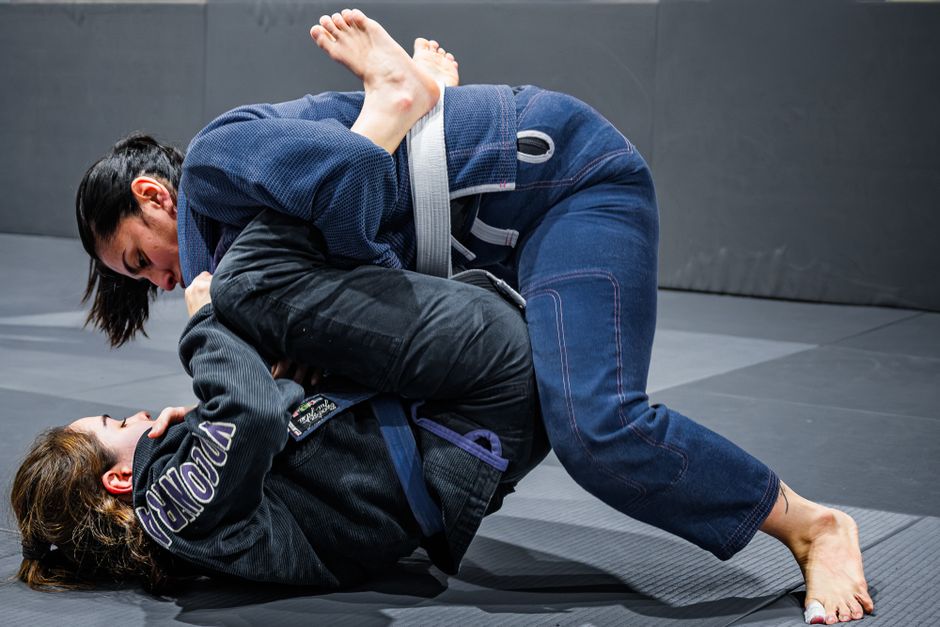
Gracie Jiu-Jitsu is a martial art focused on grappling, leverage, and technique rather than strength or speed. It's designed so that a smaller, skilled person can defend themselves against a larger opponent using proper positioning and joint locks. If you've heard the buzz about BJJ but aren't sure what it actually is or how to get started, this guide breaks it down.
What Is Gracie Jiu-Jitsu?
Gracie Jiu-Jitsu (often called Brazilian Jiu-Jitsu or BJJ) comes from a family-based martial art that started in Brazil over a century ago. The Gracie family refined wrestling and judo techniques into a system where technique, timing, and position matter way more than raw power.
Related: BJJ Jiu Jitsu: A Beginner's Guide to Getting Started
Related: Brazilian Jiu Jitsu for Adults: A Complete Getting Started Guide
Here's the core idea: in a real self-defense situation, most fights end up on the ground. Gracie Jiu-Jitsu teaches you how to control, escape from, and submit an opponent once you're there. You learn through live rolling (sparring) with partners, not just drills on a heavy bag.
Why People Choose Gracie Jiu-Jitsu
Families are signing up their kids for BJJ classes because it works. Unlike striking sports where size and strength give you an advantage, jiu-jitsu levels the playing field. A 12-year-old girl can learn the exact same techniques as a 200-pound man.
Adults love it for practical self-defense. First responders and city workers especially appreciate the real-world applicability. But it's not just about surviving a bad situation—it's about building confidence, discipline, and mental toughness that carries into every part of your life.
From a fitness angle, you're looking at a full-body workout. You're using your legs, core, arms, and cardiovascular system every single class. Plus, the mental benefits are huge: reduced stress, better focus, and a sense of community.
How Gracie Jiu-Jitsu Training Works
Most classes follow a similar structure, whether you're at a beginner-friendly academy or training at Gonzales JJ in Rio Rancho.
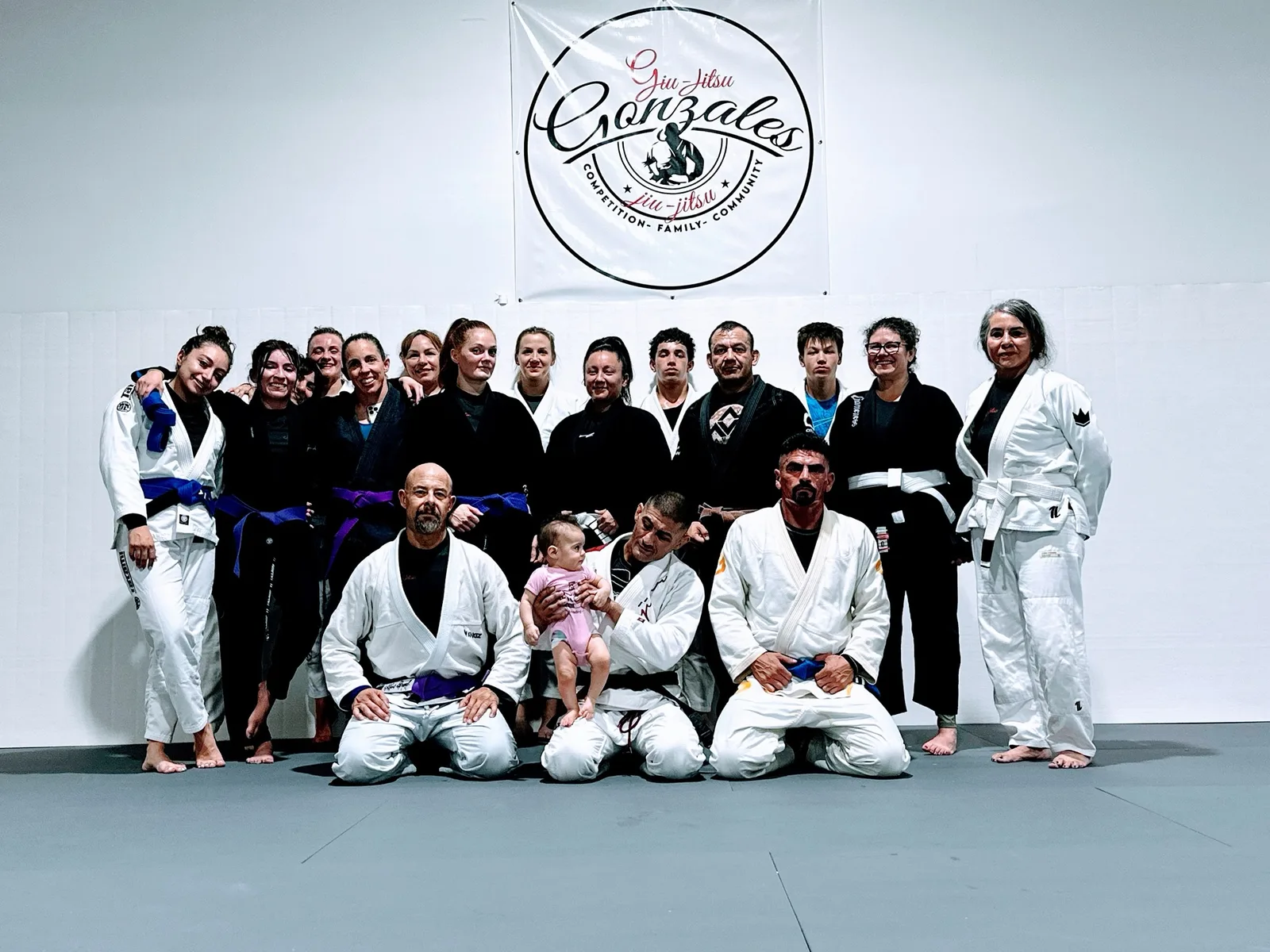
Warm-up and stretching. You'll start with basic cardio and mobility work to get your body ready. This usually takes 5-10 minutes.
Technique instruction. The instructor shows you a specific move or series of moves—maybe an armbar escape or a guard pass. You'll drill it step-by-step with a partner, slowly at first, then gradually picking up speed and pressure.
Live rolling. This is where you apply what you learned in a controlled sparring session. You and a partner test techniques together at a pace that keeps both of you safe. Beginners usually roll at lower intensity and with experienced partners who help you learn.
Cool-down. Classes usually end with stretching and a chance to catch your breath.
The beauty of this structure is that it works for everyone. Kids as young as three can start with fundamental movements and coordination. Adults of any age can jump in with no prior experience. Family-friendly gyms now offer 20+ classes per week so you can fit training into your schedule.
Key Techniques You'll Learn First
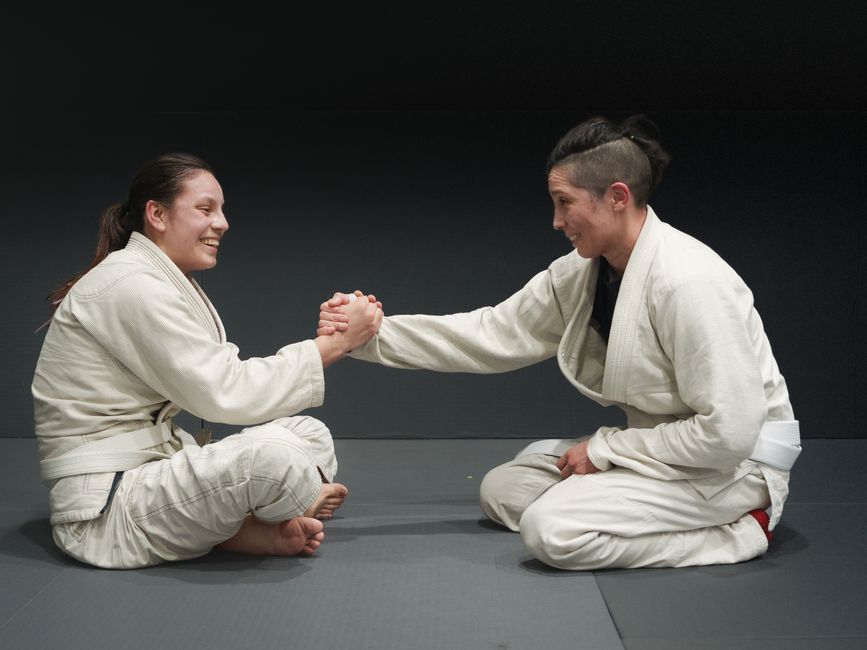
When you start Gracie Jiu-Jitsu, you're not learning flashy moves. You're learning positions and escapes that actually work in self-defense situations.
- Guard. You're on your back with your legs between you and an opponent. This position is way more useful than most people think.
- Mount position. You're on top of someone, controlling them with your weight and leverage.
- Side control. You're perpendicular to your opponent, using pressure and positioning to keep them pinned.
- Escapes. How to get out when someone has control of you.
- Submissions. Joint locks and chokes that force someone to tap and give up. The key word is "force"—you're using technique, not strength.
Most beginner curriculums focus on about 20 essential self-defense techniques. You drill these over and over until they're automatic. That repetition is where the real learning happens.
Physical and Mental Benefits
The fitness benefits are immediate. According to Mayo Clinic, regular aerobic activity and strength training improve cardiovascular health and build lean muscle—both of which you get from BJJ classes. You're not just moving; you're problem-solving under physical stress, which builds mental resilience.
Confidence is the biggest takeaway for most people. You learn that your body can do things you didn't think possible. You figure out how to stay calm under pressure. You make friends with your training partners who support you. That translates off the mat into work, relationships, and how you handle everyday challenges.
For kids especially, BJJ is a game-changer for anti-bullying and self-esteem. A confident kid who knows they can defend themselves is less likely to be targeted. And even if a situation does happen, they have the skills to handle it.
Is Gracie Jiu-Jitsu Right for You?
You don't need prior experience, athletic ability, or special strength. Jiu-Jitsu works because it's built on leverage and timing, not power. Someone in their 60s can train alongside a competitive 25-year-old, and both benefit.
You also don't need to want to compete. Sure, if you're interested in tournaments, the training is there. But plenty of people train just for fitness, self-defense, and community. Your goals are your own.
The only real requirement is showing up and being willing to learn. Most academies are genuinely welcoming to beginners. Good instructors remember what it was like to be new, and they structure classes so everyone—from day-one white belts to experienced competitors—can train together safely.
If you're in the Rio Rancho area and want to explore what Gracie Jiu-Jitsu is really about in a community-focused setting, Gonzales JJ offers technique-focused training for everyone from kids to competitive athletes. The point is to find a gym where you feel welcome and where the instructors actually care about your progress.
Start your BJJ journey off (Free Class)
Get Started Today →Getting Started: What to Expect
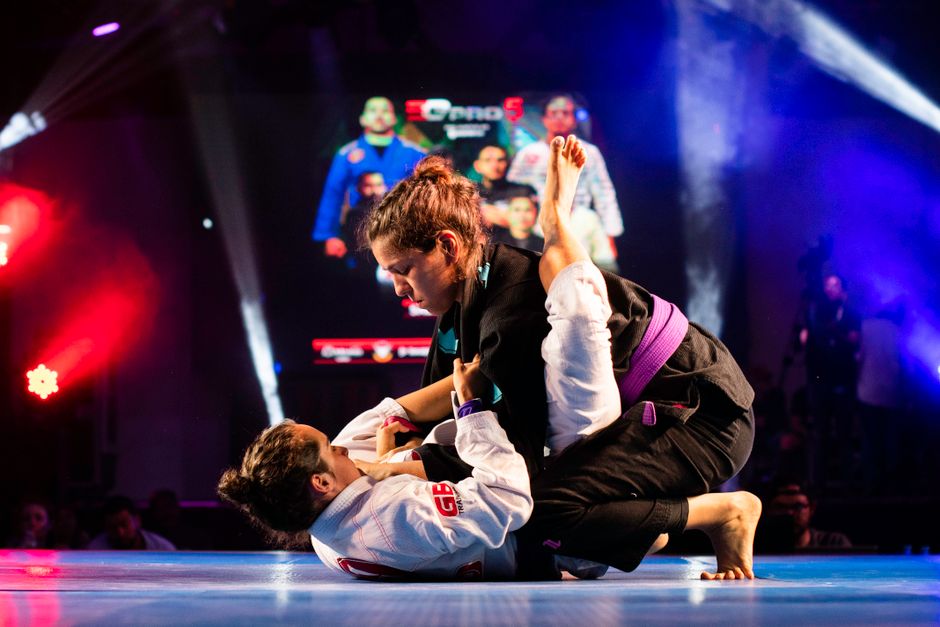
Your first class might feel intimidating, but it shouldn't. Here's what actually happens:
You'll arrive a few minutes early, put on a gi (the jiu-jitsu uniform), and meet your instructor. They'll explain what you're doing that day in simple terms. You'll warm up, learn a few basic moves, and roll very gently with a partner—usually someone experienced who helps you get comfortable.
You'll probably feel clumsy. That's normal. You're literally learning a new language your body doesn't speak yet. By week three or four, things start clicking.
Bring a water bottle and a towel. Tap frequently during rolling if something doesn't feel right. There's zero shame in that. Every person on that mat tapped a thousand times before they didn't.
Common Questions About Getting Started
How long does it take to get good at Gracie Jiu-Jitsu?
You'll start feeling competent in about 3-6 months of regular training. You'll have real self-defense skills in that timeframe. But jiu-jitsu is a lifelong journey. People train for decades and still discover new things. The belt progression (white, blue, purple, brown, black) can take 10+ years, but you don't need a black belt to benefit from training.
Will I get hurt?
Training jiu-jitsu is actually safer than most people assume. You tap (submit) when a lock is applied, which tells your partner to stop immediately. Injuries do happen occasionally, but responsible gyms with good instruction keep things controlled. Beginners are taught to tap early and often, and experienced training partners look out for you.
What do I need to buy?
A gi and a belt are your main investments. Most gyms sell these, or you can find them online. Budget $80-150 for a beginner gi. Beyond that, you just need shorts and a t-shirt for some open-mat sessions. No special shoes—you train barefoot.
Can kids really do this safely?
Absolutely. Classes for young kids focus on movement, coordination, and fun. Rolling at that age is light and supervised. As kids get older, they learn proper technique and respect for their training partners. By the time they're rolling hard, they've got years of foundation and discipline built in.
Start your BJJ journey off (Free Class)
Get Started Today →