

The jiu jitsu closed guard is a bottom position where you wrap your legs around your opponent's torso and lock your ankles behind their back. It's one of the most defensive and controlling positions in Brazilian Jiu-Jitsu, and when done right, it can be incredibly effective for both beginners and advanced athletes.
If you're new to BJJ or looking to improve your bottom game, understanding how to build and maintain a solid closed guard will transform how you roll. Let's break down what makes this position work and how you can start using it more effectively in your training.
What Makes the Closed Guard So Effective
The closed guard gives you a mechanical advantage that's hard for your opponent to escape. When your legs are locked around someone's torso, they can't create distance or move freely. This means you control the fight from the bottom, which is a huge confidence builder.
What makes it different from other bottom positions is the connection. Your legs, hips, and core are all working together to keep your opponent close and grounded. This isn't about strength. It's about understanding how your body locks into theirs.
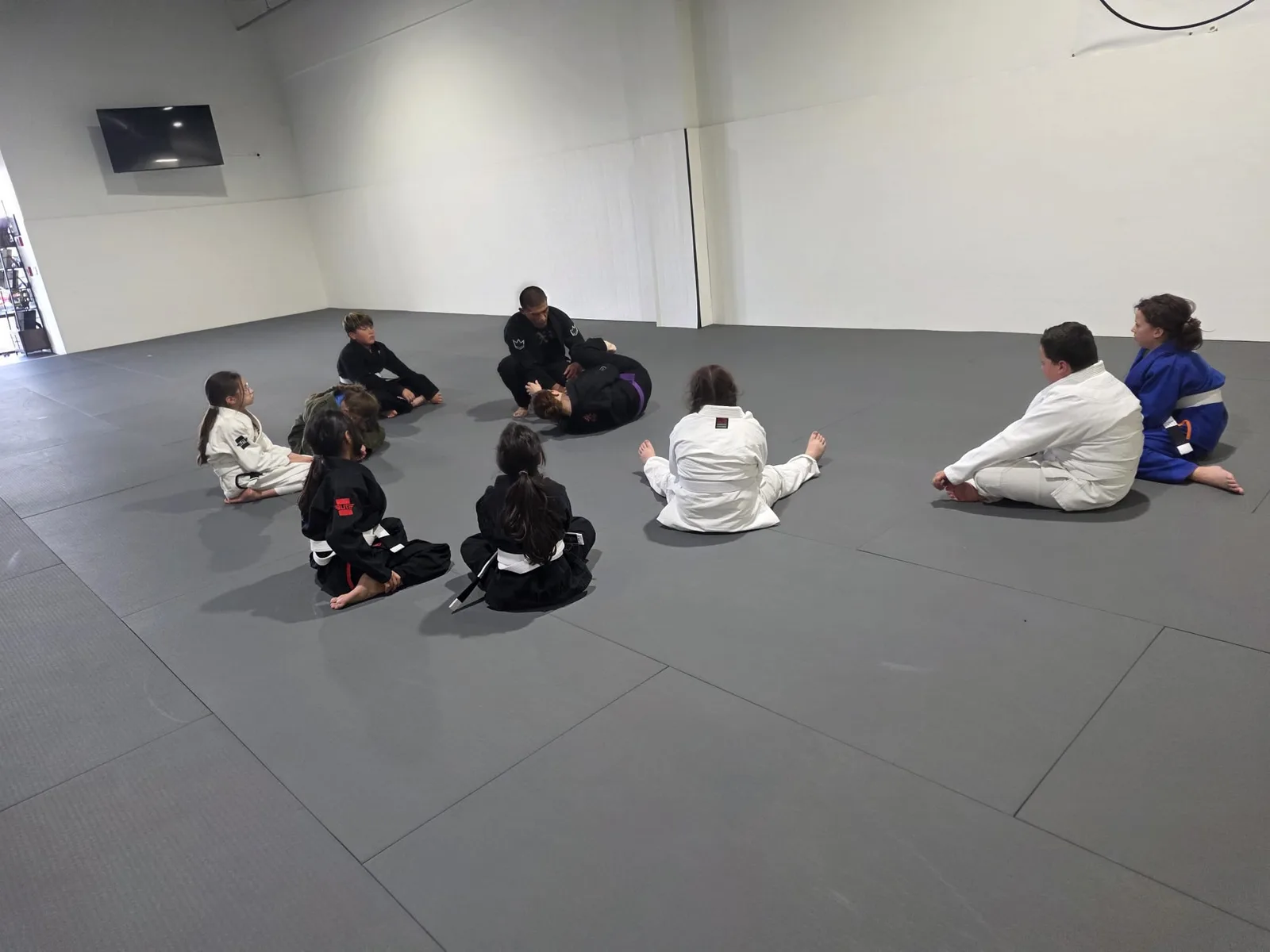
Many people skip over the closed guard in their training because they think half guard or open guard are flashier. That's a mistake. Gonzales JJ emphasizes systematically training the closed guard because it builds the foundation for everything else you'll do from the bottom. Once you get this right, every other position becomes easier to understand.
Foundation Before Movement: The Core Principles
The biggest mistake people make with closed guard is trying advanced techniques before they've nailed the basics. You need to establish position and control before you even think about submissions or sweeps.
Here are the core principles that make closed guard work:
- Establish position first. Lock your ankles tightly behind their back. Make sure your hips are connected to theirs. Don't rush.
- Prioritize control over movement. Your job is to keep them still and close. Every movement you make should have a purpose.
- Maintain proper balance and base. Your back should be flat on the mat, and your hips should be engaged. You're not passive. You're actively supporting yourself.
- Apply consistent pressure. Squeeze with your legs, use your core, and keep your upper body connected. Pressure is your best tool.
- Time your techniques strategically. Don't try everything at once. Wait for the right moment to attempt a sweep or submission.
These principles sound simple, but they're what separate people who understand the closed guard from people who just lie there with their legs wrapped around someone.
How to Build a Strong Closed Guard Position
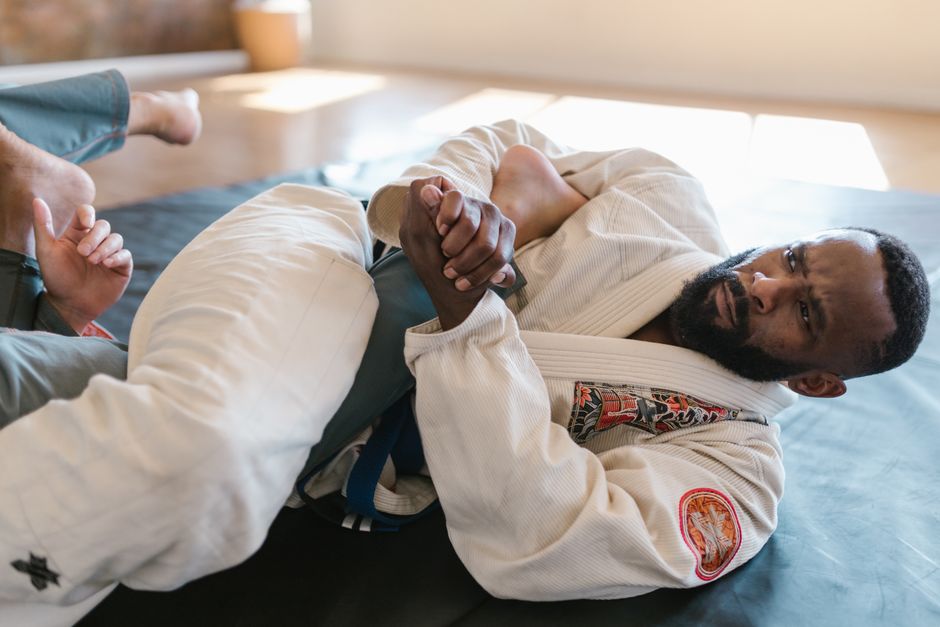
Start by getting into the closed guard itself. You're on your back. Your opponent is kneeling between your legs. Your legs wrap around their waist, and your ankles are locked behind their back.
Now focus on connection. Pull your opponent toward you with your legs. Your elbows should be inside their arms or controlling their upper body. Don't let them create space.
Your hips are your power source. Keep them engaged and active. A lazy closed guard is easy to break. An active one, where you're constantly applying pressure and staying tight, is much harder to escape.
Here's where a lot of training gyms get it wrong. They teach you the position and then move on. At Gonzales JJ, we believe in drilling the fundamentals until they feel natural. That means spending real time on how to position your feet, how to angle your hips, and how to maintain pressure without gassing out.
Start your BJJ journey off (Free Class)
Get Started Today →Common Mistakes That Weaken Your Closed Guard
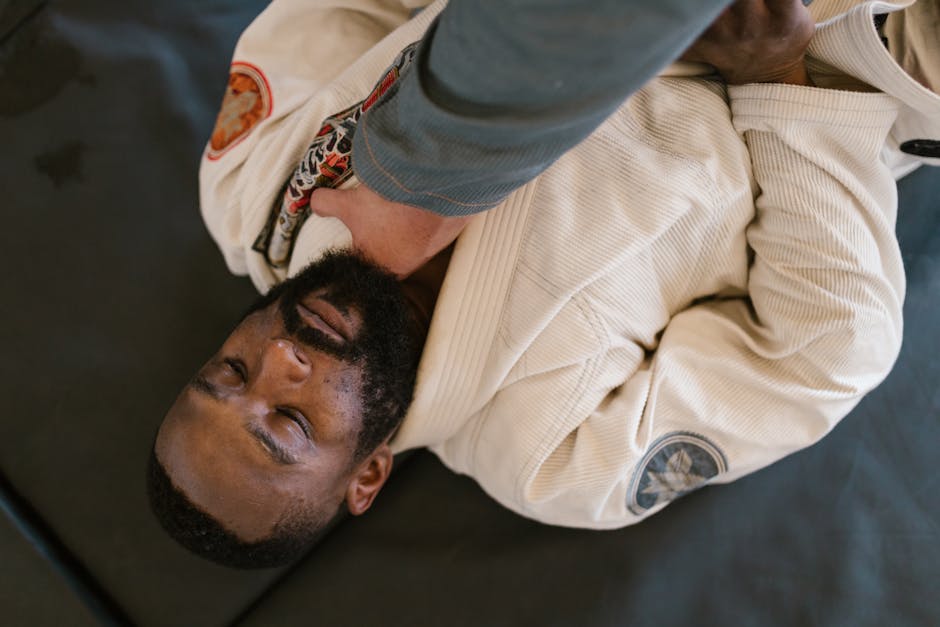
Most people hurt their own closed guard without realizing it. Here's what to avoid:
Related: Jiu Jitsu Ear Guard: Complete Buying & Protection Guide
Related: Jiu Jitsu Half Guard: Complete Beginner Guide
- Feet too high. If your feet are way up on their back, it's easy for them to break the lock. Keep them lower, around their mid-back.
- Hips too far away. Bridge your hips up toward them. If there's space between your hips and theirs, you lose control.
- Upper body disconnected. Your arms matter. Use them to control their posture and keep them close. Don't just wrap your legs and hope.
- Telegraphing your techniques. If your opponent can see a sweep or submission coming a mile away, they'll escape before you finish. Stay hidden and patient.
- Forcing submissions when control isn't there. You need to establish dominance first. Submissions come after control, not before.
Every time you train, ask yourself: am I really connected to my opponent, or am I just going through the motions? That awareness will speed up your improvement.
Practical Training Tips for the Closed Guard
The best way to get better at closed guard is to spend dedicated time on it. Don't just use it when it happens. Drill it intentionally.
Start with position work. Have your training partner sit in your closed guard while you practice maintaining it without letting them escape. Focus on pressure, connection, and positioning your body correctly. This might sound boring, but it's essential.
Once position is solid, add simple techniques. A basic arm drag, a collar choke, or a hip bump sweep. Master one thing at a time instead of trying to learn everything at once.
Roll with different partners at different intensities. A smaller, faster person will teach you timing. A bigger, stronger person will teach you leverage and positioning. Both make you better.
Remember that the closed guard deserves focused attention in your training because it's often overlooked. Many programs jump straight to leg lock systems or fancy open guard techniques. The fundamentals of closed guard are where real control is built. If you want to improve faster and understand how to defend yourself from underneath, make the closed guard a priority in your training sessions.
Why the Closed Guard Matters Beyond the Mat
Learning to stay calm and in control from a disadvantaged position (underneath someone) teaches you mental discipline that goes beyond jiu jitsu. You learn patience. You learn to think through problems instead of reacting emotionally. You learn that being underneath doesn't mean you've lost.
Those lessons carry into everyday life. That's what training at places like Gonzales JJ is really about: becoming a more confident, composed person both on and off the mat.
Frequently Asked Questions
What's the difference between closed guard and half guard?
In closed guard, both of your legs are locked around your opponent's torso. In half guard, only one of your legs is controlling them, and the other is free. Closed guard gives you more control and is generally better for beginners to master first. Half guard is more advanced and requires different techniques.
How do I escape a closed guard if I'm on top?
The main escapes are posturing up (extending your spine and pushing their hips away), breaking their ankle lock by turning your hips, or creating space by framing on their legs or hips. But here's the real answer: if someone has a good closed guard, it's hard to escape. That's why they should have it.
What submissions work best from closed guard?
The most common attacks are collar chokes (using their gi), arm drags into back control, and hip bump sweeps that flip your opponent. But don't focus on submissions first. Focus on control. Submissions will come naturally once you've established dominance.
How long does it take to get good at closed guard?
It depends on how much you train and how focused you are on the position. If you drill it specifically a few times a week, you'll start feeling comfortable within a few weeks. But to be truly effective with it, plan on months of consistent training. That's normal. Jiu jitsu is a long-term skill.
Start your BJJ journey off (Free Class)
Get Started Today →