
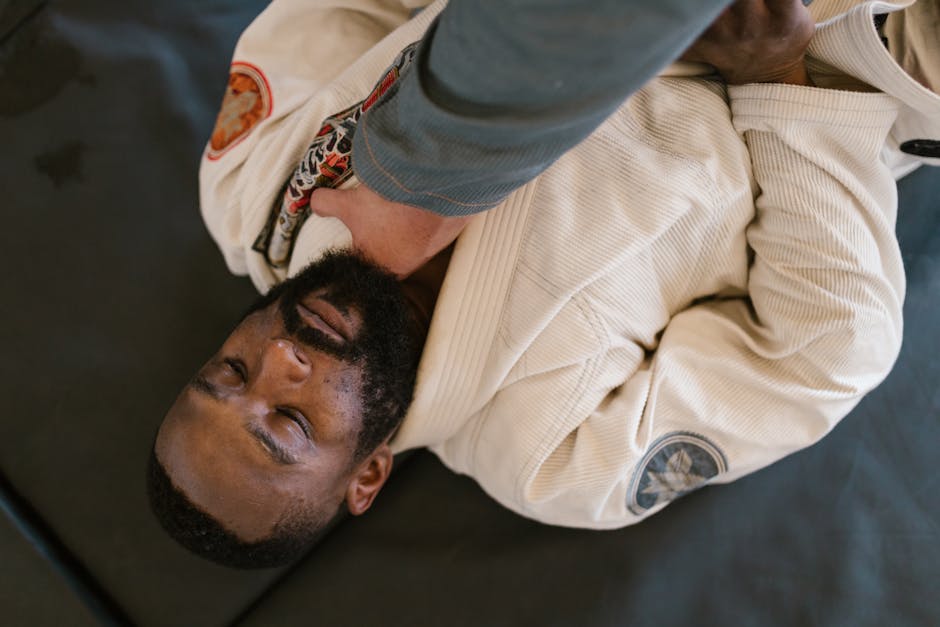
The half guard is the position where your opponent has passed one of your legs but you're still trapping one of theirs using both of your legs. Think of it as the middle ground between a full guard (where both their legs are trapped) and side control (where you've totally lost position). It's a sweet spot that gives you real options to sweep, transition back to guard, or even attack from the bottom.
If you're just starting jiu jitsu, the half guard is your friend. It shows up constantly in rolling, and learning it well changes how confident you feel when someone starts passing your guard. Let's break down exactly what you need to know.
Related: Brazilian Jiu Jitsu Leg Locks: Complete Beginner Guide
Related: Youth Jiu Jitsu Gi: Complete Guide for Young Athletes
Related: Jiu Jitsu Gis: Complete Buyer's Guide for 2026
Related: Brazilian Jiu Jitsu No Gi: Complete Training Guide
Related: Jiu Jitsu Weight Classes Explained: A Complete Guide
Related: Jiu Jitsu Gi Sizes: Complete Sizing Guide & Chart
What Exactly Is the Half Guard Position?
In the half guard, your opponent is partially past your guard—they're "halfway" through, which is why it's called that. Your legs are wrapped around one of their legs, keeping them from fully establishing side control or mount position.
The bottom player (you) still has real control. You're using your legs to trap their movement and your upper body to keep them from flattening you out or advancing further.
When you're on top in half guard, your job is different: you're trying to untangle that trapped leg and pass into a dominant position like side control or mount.
This position matters because it happens all the time. You're rolling, someone starts passing your guard, and suddenly—boom—you're in half guard. Knowing what to do there means you don't panic, and you keep the match competitive.
Why Half Guard Is So Important for Your Game
Half guard is special because it's dangerous from the bottom. Unlike some positions where you're purely defensive, the half guard lets you attack actively.
From the bottom, you have sweeps (flipping your opponent over), submissions (chokes and arm locks), and transitions back to full guard. That's power. You're not just surviving—you're threatening.
From the top, it teaches you patience and proper passing mechanics. You can't just muscle through it. You have to understand how to systematically untangle your opponent's legs and pass safely.
If you're training at Gonzales JJ, you'll see coaches emphasize half guard because it builds the foundation for everything else: positioning, leverage, timing, and reading your opponent.
Start your BJJ journey off (Free Class)
Get Started Today →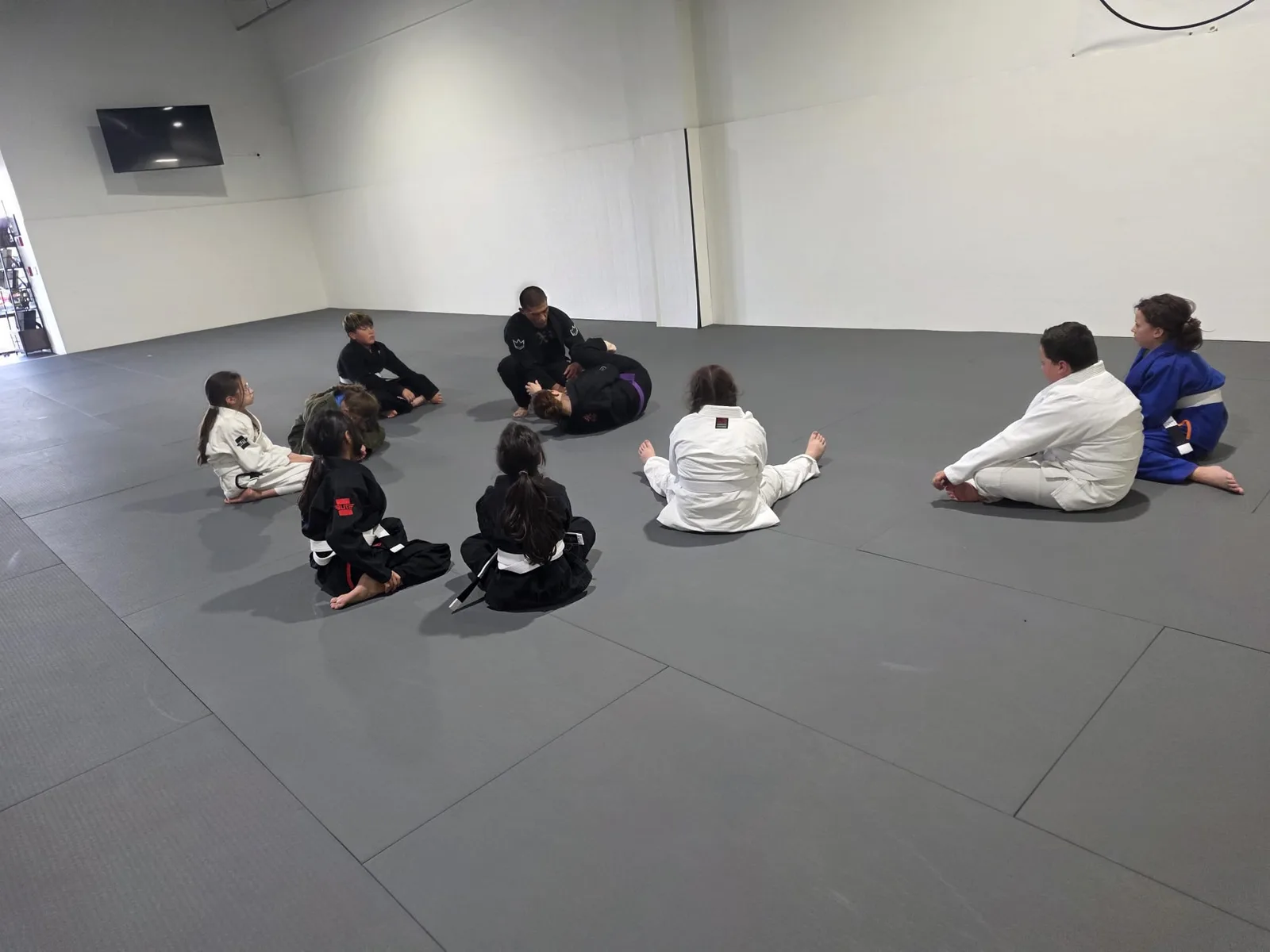
Core Techniques When You're on the Bottom
When you're trapped in half guard underneath your opponent, you have three main jobs: stay safe, create space, and look for opportunities to improve position or attack.
The Underhook Escape
Underhook your opponent's arm on the same side as the trapped leg. This creates angle and leverage. Use your hips to shrimp (bridge and move) sideways, creating space between you and them. Once you get that space, you can either sweep or transition to a better position.
The Knee Shield
Keep your top knee up and pointing into your opponent's hip or chest. This is your barrier. It stops them from collapsing onto you and keeps them from advancing to mount. From here, you can create angles for sweeps.
The Z Guard
This is a half guard variation where your bottom leg deeply hooks your opponent's near leg while your top leg blocks near their hip with your knee. It's sharp and gives you real control. Don't confuse it with knee shield—they look similar but work differently.
The Z Guard is especially good if you want to turn the tables and go for a sweep or leg lock.
Half Guard Sweeps and Transitions
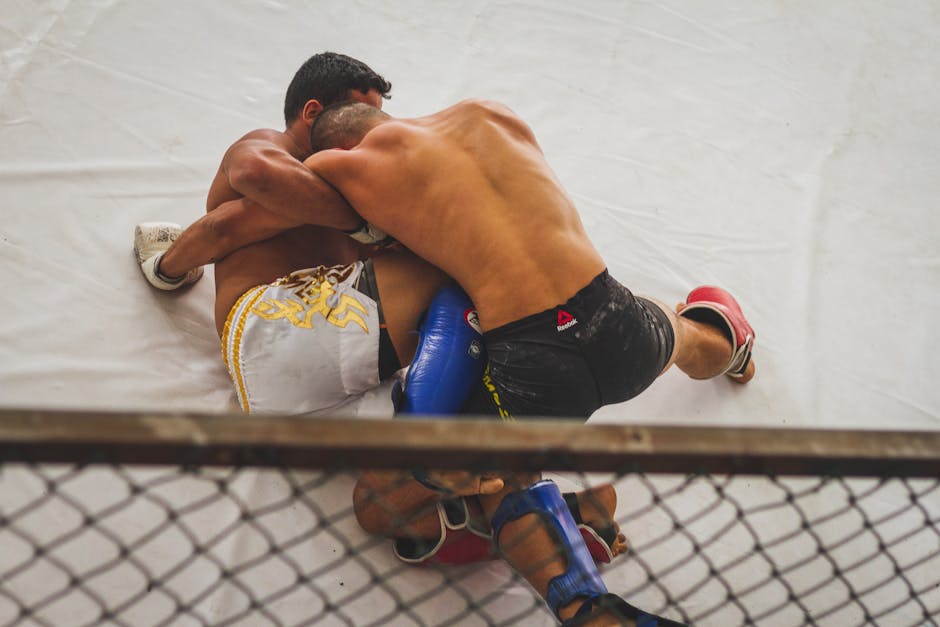
Sweeps are where half guard shines. You're flipping your opponent from their back to theirs, which puts you on top.
The most basic sweep is the underhook sweep: secure that underhook, get your hips low and tight, and drive into their hip while you shrimp. Combined with the knee shield, this creates a chain of attacks that's hard to defend.
Another option is transitioning back to full guard. If you can wrap your free leg around their back, you're back in guard where you feel more confident. This is a solid defensive option if the top player is being aggressive.
Some people like going for leg lock attacks from half guard—things like the heel hook or knee reap. This is more advanced, but it's worth learning as you develop your game.
If you want expert instruction on these techniques, training at Gonzales JJ gives you access to coaches who break down half guard variations step-by-step.
How to Pass Half Guard From the Top
When you're on top with your opponent in half guard, your goal is simple: untangle that trapped leg and pass into side control or mount.
The Key Principle: Pressure and Control
Don't yank your leg out. That rarely works, and it's slow. Instead, use pressure. Keep your weight heavy on your opponent. Drive your hips forward. Create an environment where they can't hold you.
The Leg Stack Pass
This is straightforward. Trap both your opponent's legs by stacking them toward their body, then drive over the top into side control. It requires good pressure and timing, but it's effective.
The Underhook Pass
Get an underhook on the arm opposite the trapped leg. Use that to clear their half guard and transition to side control. This pass requires good hip placement and angle.
Don't Flatten Out
The most common mistake on top is getting too flat. If you're lying perpendicular to your opponent, they have angles for sweeps. Stay at an angle, keep your hips high, and don't let them control your base.
Common Half Guard Mistakes to Avoid
Lots of people struggle with half guard because they're doing small things wrong.
Bottom Player Mistakes
- Not keeping tension in your legs. A loose half guard isn't a half guard—it's just a bad position.
- Letting your opponent flatten you completely. Always angle your body and keep creating space.
- Giving up top control. Use your underhook and arms to stay connected and threat-heavy.
Top Player Mistakes
- Trying to muscle out of the position instead of using pressure and positioning.
- Getting too comfortable and letting your opponent build momentum for a sweep.
- Flattening out instead of staying at an angle.
Why Training Matters More Than Online Video

You can watch all the half guard videos you want, but there's something different about rolling with a real partner and having a coach correct your timing and pressure in real-time.
When you're learning, small details matter: where your knee sits, how much weight you carry, what angle your hips are at. A good coach catches those details and fixes them immediately.
That's why consistent training at a solid gym makes the difference. At Gonzales JJ, you get technique-focused instruction designed to help you actually understand positions—not just memorize moves. You roll against different partners, test ideas, and build real skill.
Advanced Half Guard Concepts
Once you're comfortable with the basics, there's a whole deep game waiting.
John Danaher has published extensive material on building a complete no-gi half guard game. His approach is systematic: identify positions, then build layers of attacks and defenses that flow together.
Gordon Ryan uses half guard in no-gi competition at the highest level, often attacking leg locks and footlock entries from the position.
Bernardo Faria and Tom DeBlass both emphasize five core principles: controlling the top player's posture, managing your underhook, using your legs efficiently, timing your sweeps, and staying calm under pressure.
The point is: half guard has depth. You don't exhaust it in a month. You can spend years refining how you use it.
Health Reminder: Train Smart
One thing worth noting: jiu jitsu involves close contact grappling, which means skin-to-skin contact is constant. The CDC recommends good hygiene practices to prevent common skin infections like ringworm and impetigo. Shower after training, keep your gi clean, and report any suspicious skin issues to your coach right away.
Building Your Half Guard Game
The half guard is one of those positions that rewards consistent practice. Every time you roll, you're either building it or ignoring it. There's no neutral.
Start by getting comfortable with the basic shape: both legs around one of their legs, staying at an angle, keeping tension. Then add one sweep at a time. Get good at the underhook sweep, then add another. Build your game in layers.
Rolling regularly against different partners—people bigger than you, smaller than you, more technical, more aggressive—forces you to adapt. That's where real learning happens.
If you're ready to train with people who take technique seriously and build a supportive community around growth, check out what Gonzales JJ offers. Training at a focused gym accelerates your learning and keeps you accountable.
Quick Half Guard Self-Check
Before your next roll, ask yourself: Do I know what my legs are supposed to be doing? Can I identify when I'm in half guard? Do I have at least one sweep I trust? Can I explain the difference between half guard and other positions?
If you answered yes to most of those, you're ready to train half guard intentionally. If not, that's fine—just focus on those things in your next few sessions.
What's the difference between half guard and Z guard?
Half guard is the general position—one of their legs trapped by both of yours. Z guard is a specific half guard variation where your bottom leg deeply hooks their near leg while your top leg blocks their hip with your knee. Z guard is sharper and gives you more control for sweeps and leg attacks.
Can you submit someone from half guard?
Yes. Chokes, arm locks, and especially leg locks are all viable from half guard. Heel hooks and knee reaps are popular at higher levels. Always make sure you're training submissions safely with a partner you trust and a coach watching.
Is half guard a weak position?
No. It's actually powerful from the bottom if you know what you're doing. You have sweeps, transitions, and submissions available. From the top, it's a position you have to pass carefully or your opponent will flip you.
How long does it take to get good at half guard?
If you're rolling 2-3 times per week and focusing on it, you'll feel comfortable in the position in 4-6 weeks. Real proficiency—where you're controlling matches from half guard—takes several months. The deep game takes years.
Start your BJJ journey off (Free Class)
Get Started Today →