
If you're just starting jiu-jitsu, you've probably heard a lot of position names thrown around. Guard this, mount that, side control everywhere. It's easy to feel overwhelmed by all the terminology. But here's the thing: jiu-jitsu positions aren't complicated if you break them down into the core fundamentals everyone needs to master.
Understanding position mechanics is way more important than memorizing every position name out there. Once you nail the foundational positions, everything else in your jiu-jitsu journey becomes clearer and easier to learn.
Related: Names of Jiu Jitsu Moves: A Beginner's Guide to BJJ Techniques
Related: Basic Jiu-Jitsu Terms: A Beginner's Guide to BJJ Vocabulary
The Four Main Jiu-Jitsu Positions You Need to Know
Every serious jiu-jitsu student should start by learning these four core positions. They form the backbone of your defensive and offensive strategies, whether you're training for competition, self-defense, or just personal growth.
1. Closed Guard
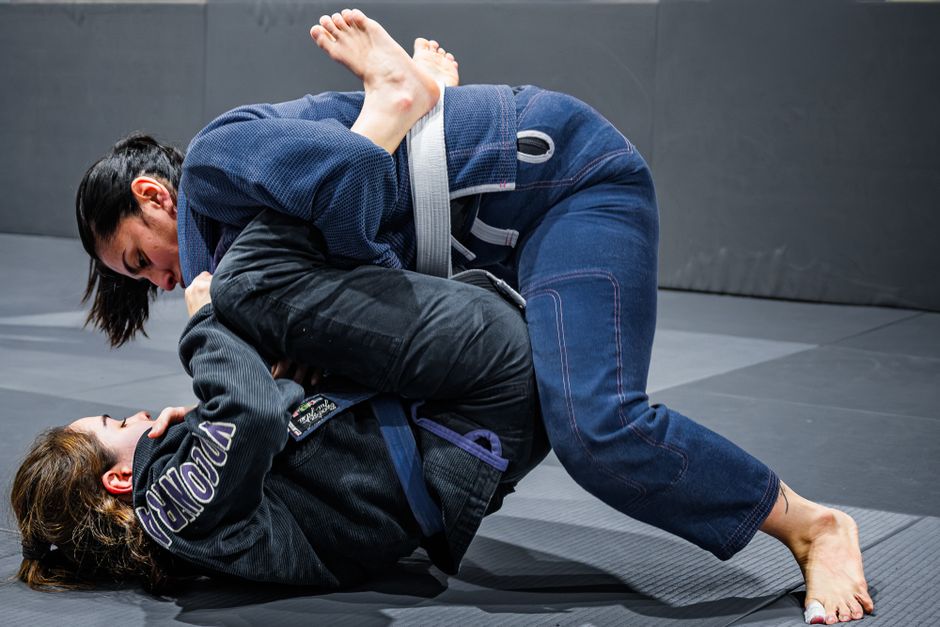
The closed guard is where you're on your back with your legs wrapped tightly around your opponent's waist. Your ankles are locked together, and your opponent is between your legs.
This is one of the most defensive positions in jiu-jitsu. When you're in closed guard, you have serious control. Your legs are strong, and they let you defend against strikes, create space, and launch attacks from your back. New students often feel safer here because the position itself gives you leverage and options.
The key to closed guard is keeping your opponent close and breaking down their posture. Don't let them sit up tall and create distance. Keep them bent forward and engaged.
2. Half Guard
Half guard is similar to closed guard, but instead of wrapping both legs around your opponent's waist, you trap one of their legs between yours. You have less contact overall.
Half guard is trickier than closed guard because you have less control. But it's also more active. You're constantly working to improve your position or attack. Think of it as the middle ground between full defense and active offense.
This position teaches you how to work with limited leverage, which is a valuable skill at any level.
3. Side Control
Side control is one of the dominant top positions. You're perpendicular to your opponent (at roughly a 90-degree angle), with your weight on top of them. Your shoulder is usually pressing into their chest or neck area, and your hips are low.
Side control is powerful because you have maximum leverage and control with minimal effort. Your opponent can't use their legs effectively against you, and it's hard for them to create space. If you learn to hold side control properly, you can tire out your opponent while staying relaxed yourself.
This position is where many beginners start learning what "control" actually means in jiu-jitsu.
4. Full Mount
Mount position is when you're on top of your opponent's chest with both your knees on either side of their body. Your weight is distributed across their torso.
Mount is considered the most dominant position in jiu-jitsu. You have incredible control and tons of attacking options. Your opponent's legs can't help them much, and escaping requires serious technique and effort. If you can consistently get to mount and stay there, you're doing something right.
The challenge with mount is staying relaxed while maintaining control. Beginners often get tired here because they use too much muscle instead of positioning.
Additional Positions Every Student Should Learn
Once you're comfortable with the four core positions, expand your game by adding these fundamental positions to your toolkit.
Knee on Belly: You're perpendicular to your opponent with one knee pressing into their belly and your other leg extended for base. It's a transition position that's less stable than side control but creates different pressure angles.
Back Control: You're behind your opponent with your hooks (feet) inside their thighs or around their legs. Your arms wrap around their chest. Back control is incredibly dominant because your opponent can't see you, and it's hard for them to defend attacks from this angle.
North-South: You're on top, chest to chest, with your head toward your opponent's hips. It's useful for transitioning and keeping your opponent uncomfortable.
Why Position Transitions Matter as Much as Holding Positions
Here's something beginners often miss: it's not just about getting into a position. You also need to know how to move smoothly between positions without giving up control.
When you transition well, you keep your opponent constantly dealing with new challenges. They can't settle, and they burn energy trying to escape or counter. The smooth flow between positions is what separates experienced grapplers from newer students.
Practice transitioning from closed guard to an armlock attempt. Then from side control to mount. Then from mount to back control. The more you drill transitions, the more natural they feel during live rolling.
At Gonzales JJ, our instruction focuses on how positions flow into each other, not just how to hold them individually. That's how you build a game that's hard to defend against.
Start your BJJ journey off (Free Class)
Get Started Today →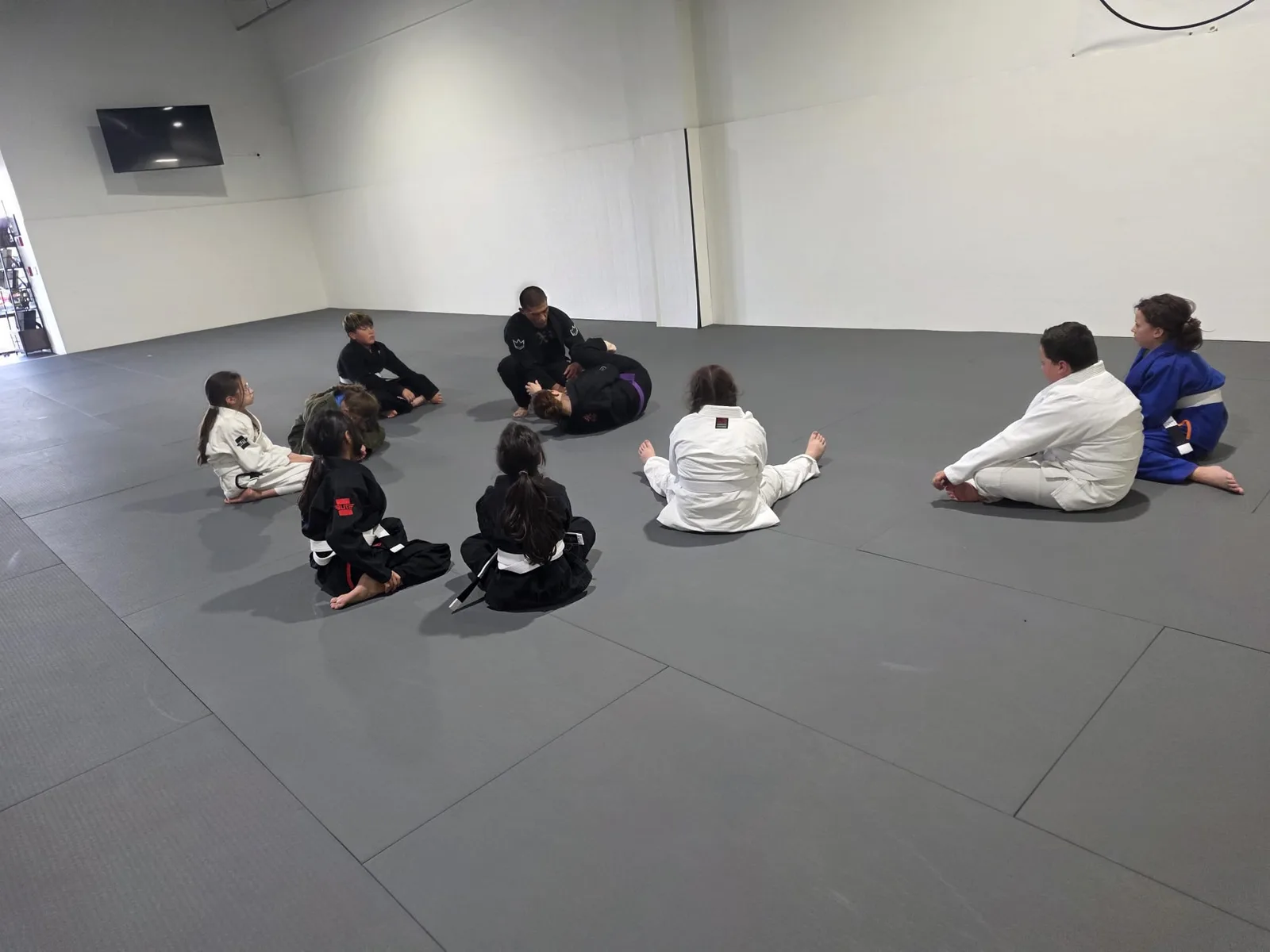
Building Your Conditioning Around Position Work

You can't master jiu-jitsu positions if you gas out halfway through class. Conditioning matters.
One way to build grappling-specific fitness is through high-intensity interval training. Try six-minute rounds of non-stop rolling where you push the pace. This teaches your body to stay explosive even when tired, and it builds the endurance you need to hold positions when your opponent is fighting hard.
Strength training also helps. You don't need to become a powerlifter, but developing grappling-specific strength makes holding positions way easier. Focus on movements that support the positions you're learning, like core work, leg strength, and upper body stability.
The combination of technical practice, position drilling, and proper conditioning is what turns jiu-jitsu knowledge into real ability.
Common Mistakes When Learning Jiu-Jitsu Positions
New students often rush through position learning. They want to know every position at once, which leads to surface-level understanding.
Instead, spend time really understanding each position. Feel the weight distribution. Notice where your pressure comes from. Understand why that position gives you control. That depth of knowledge will serve you forever.
Another mistake is not practicing escapes. Being good at positions means knowing how to get out of bad ones too. When your training partner is in mount, you should be practicing your escape options, not just waiting to get back to guard.
Finally, don't ignore leg lock positions. Many beginners skip studying leg attacks because they seem advanced. But knowing basic leg lock positions and how to defend them is essential modern jiu-jitsu knowledge.
Getting Started With Proper Position Training
The best way to learn jiu-jitsu positions is through consistent, focused training with good instruction. Everyone learns at their own pace, and having someone who can correct your positioning in real-time makes a massive difference.
If you're in the Rio Rancho or Albuquerque area and want to train under instructors who emphasize technique-first positioning, come check out Gonzales JJ. We work with students of all levels, and our program builds your understanding from the ground up.
FAQs About Jiu-Jitsu Positions
What jiu-jitsu position is best for beginners?
Closed guard is usually the best starting position for beginners because it's naturally defensive and gives you lots of control. Once you're comfortable there, half guard opens up more active offense. Side control teaches you what top position control feels like. Learning these three positions first builds a solid foundation before moving to more advanced positions like back control or leg locks.
How long does it take to master jiu-jitsu positions?
There's no fixed timeline because everyone progresses differently. Basic position competency usually takes a few months of consistent training. But mastery is a journey that continues for years. The deeper you go, the more nuance you discover in each position. Even advanced competitors are still learning new position details.
Can you win a jiu-jitsu match just by holding position?
In competition, holding position alone won't always win. But controlling a position and scoring points or creating submission opportunities definitely gives you a path to victory. Many professional matches are won by athletes who dominate position through the whole match. Position control is foundational to competition success.
Should I focus on top or bottom positions first?
Most beginners benefit from understanding guard positions (bottom) first because they're more intuitive defensively. Once you're comfortable defending and attacking from guard, learning top positions like side control and mount becomes easier. That said, a balanced approach where you drill both is ideal. You'll face opponents who put you on top and on bottom, so you need to be competent everywhere.
Start your BJJ journey off (Free Class)
Get Started Today →