
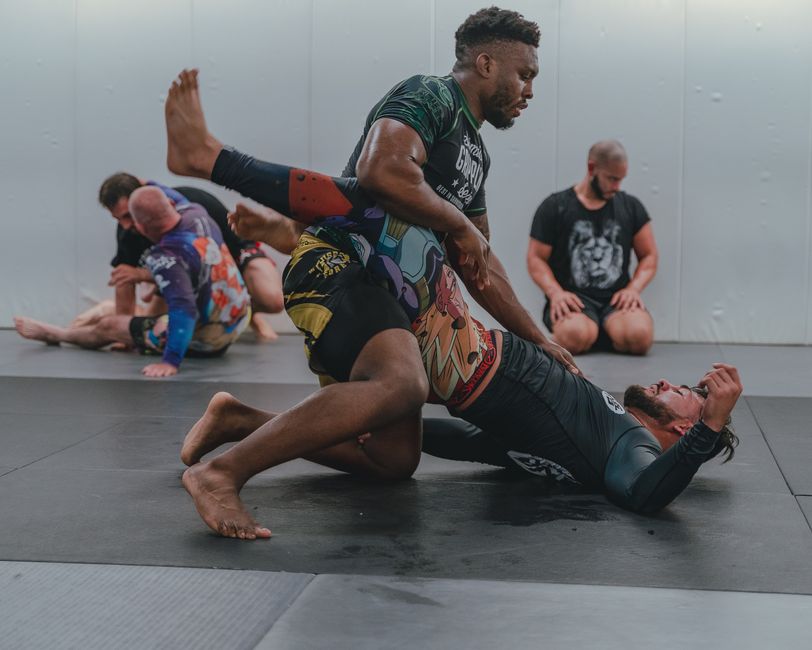
The biggest difference between no-gi and gi jiu-jitsu comes down to what you can grab. In gi jiu-jitsu, you're working with the fabric of your opponent's uniform—their sleeves, lapel, collar, and pant legs give you tons of grip options. In no-gi, you're limited to gripping their bare arms and wrists. That one change ripples through everything: how fast you move, where you attack, how you defend, and what techniques actually work.
If you're trying to figure out which style fits your goals, or whether you should train both, this breakdown will help you understand what each one demands from you.
Related: Gi vs No-Gi Jiu-Jitsu: Which Style Is Right for You?
Related: Judo vs Brazilian Jiu-Jitsu: Key Differences Explained
Related: Judo vs Jiu-Jitsu: Key Differences Explained
The Grip Difference: Where Everything Starts
In gi jiu-jitsu, grips are your foundation. You can lock onto your opponent's sleeve near their wrist, grab their collar, control their lapel, or hook their pant leg. Each grip opens different attack and control options. It's like having multiple handles on a door—lots of ways to move your opponent around.
No-gi eliminates most of those handles. You can grip their wrist, forearm, or arm, but that's about it. Your opponent's skin and muscle don't give you the same control as fabric does. That means your gripping strategy has to change completely. You're working closer, tighter, and more dependent on arm and leg positioning.
This grip difference is foundational, and it changes how the rest of the match flows.
Speed and Movement: The Pace Changes
Gi jiu-jitsu tends to be slower and more methodical. Because grips are strong and controlling, positions feel more locked down. You can hold someone in place longer, which means you have time to think, adjust, and execute technical sequences. There's more control and less scrambling.
No-gi is faster. Without strong grip control, your opponent can slip out more easily. You see more scrambles, more transitions, and quicker exchanges. Matches feel more explosive and dynamic. One moment you're in a dominant position, and the next you're both fighting for a better angle. It's constant motion.
Neither pace is better—they're just different. Some people love the methodical problem-solving of gi. Others thrive on the fast-paced scrambles of no-gi.
Positioning and Defense Strategies
Because gi grips keep things controlled, practitioners typically have an easier time stopping their opponent from advancing too deep into a position. If someone's trying to move into your guard, you can grip their sleeve and slow them down. You get more chances to defend before they lock you down.
In no-gi, the faster movement and weaker grips mean opponents can advance deeper into positions more easily. You have less time to stop them before they're fully committed. Your defense often happens from inside the position rather than stopping them at the entrance.
This changes your entire defensive mindset. In gi, you're thinking ahead. In no-gi, you're reacting faster.
Technical Focus: Different Moves for Different Formats
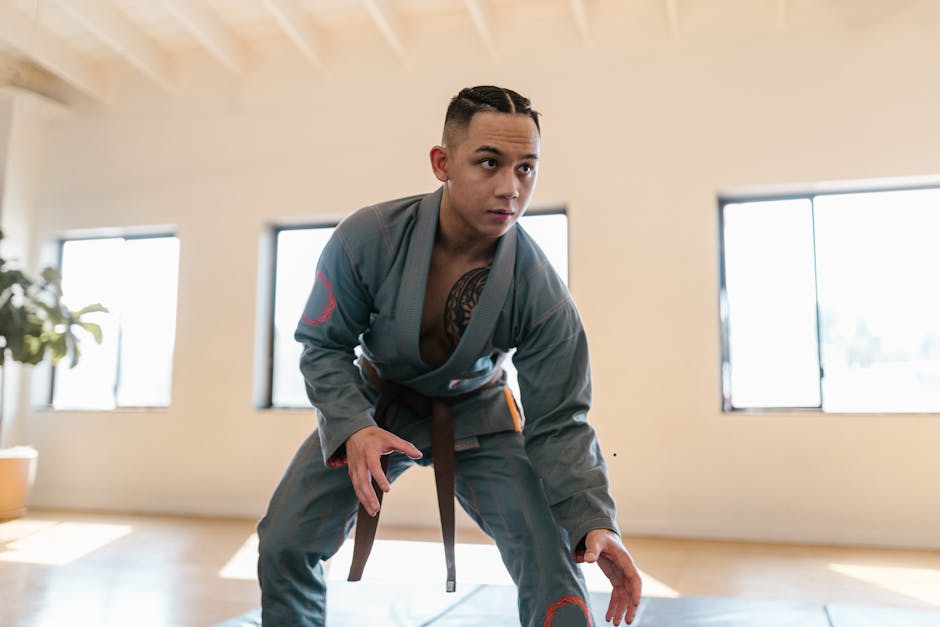
Gi jiu-jitsu emphasizes traditional techniques built around grip control. You're learning collar chokes, sleeve-based throws, and grip-heavy transitions. These are foundational moves that have been refined over decades. The gi becomes part of your offense and defense.
No-gi requires you to think differently. Collar chokes don't work the same way without fabric to grab. Leg lock sequences become more prominent because they don't depend on grip. You're developing strategies around upper body control, clinch positioning, and quick transitions. The techniques overlap, but the emphasis shifts.
Someone who trains only gi might be great at collar control but struggle with leg lock defense. Someone who trains only no-gi might excel at fast scrambles but struggle with grip-based positional control.
Should You Train Both? (Spoiler: Yes)
This is where things get good. Training both styles makes you dramatically better at both. When you train gi, you build grip strength and positional control that translates to no-gi. When you train no-gi, you develop speed and transition skills that make your gi game sharper. Each format exposes weaknesses the other hides.
If you only train one style, you're missing half the picture. A well-rounded grappler understands both paces, both grip structures, and both defensive approaches. You'll hit plateaus in one format that only the other can solve.
That's why Gonzales JJ emphasizes technique-focused training across both styles—your development accelerates when you're working with the full toolkit.
Start your BJJ journey off (Free Class)
Get Started Today →
How to Choose If You're Starting Out
If you're brand new to jiu-jitsu, you might be choosing between gi and no-gi classes. Here's the real answer: it doesn't matter much where you start, but you should sample both relatively early.
Start with whichever is more convenient or appealing to you. If you like the traditional feel and don't mind buying a gi, go gi. If you want to show up in shorts and a t-shirt, try no-gi first. The fundamentals of balance, posture, and pressure apply to both.
Once you've got three to six months under your belt in one format, add the other. You'll notice how quickly your skills transfer. Things you learned in gi suddenly make sense in no-gi, and vice versa.
Don't make this choice harder than it is. Pick a class schedule that works for you and commit to learning. The best style is the one you'll actually show up to train.
Training Both Styles: The Competitive Advantage
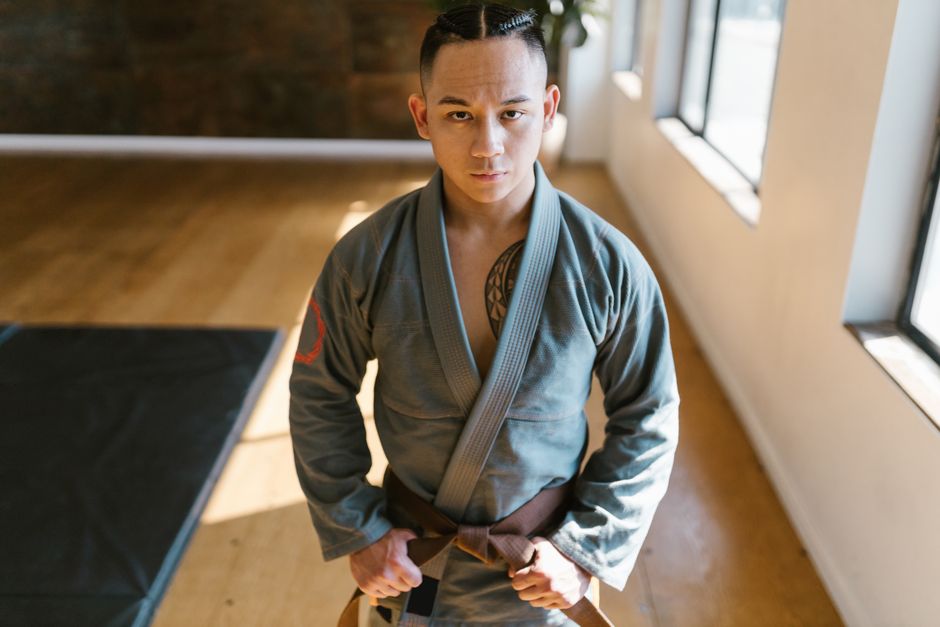
Serious competitors train both. Tournament rulesets often allow gi or no-gi competition, sometimes on the same day. If you want to compete at a high level, you need proficiency in both. Your opponents will have trained both, so you can't afford to be one-dimensional.
But even if you're not competing for medals, training both styles keeps your development from stalling. You'll hit walls in one format that force you to problem-solve. That problem-solving usually comes from mixing techniques across formats.
If you're serious about jiu-jitsu growth, commit to both. You don't need to do them equally, but consistent exposure to each makes you genuinely better.
The Mental Side: Different Lessons From Each
Gi jiu-jitsu teaches patience. You're working with grips that give you time. You learn to set up attacks methodically, to control space, and to think several moves ahead. It's chess-like.
No-gi teaches adaptability. Fast transitions demand that you react quickly and adjust on the fly. You learn to flow, to scramble, and to make decisions under pressure. It's more improvisational.
A complete martial artist needs both mindsets. You need patience and planning. You also need the ability to react and improvise when things change fast. Training both formats builds both skills.
Getting Started With Both Formats
If you're ready to start training and want exposure to both styles, look for a program that offers class options in each format. You want instructors who understand both and can explain how techniques transfer between them.
The technical foundation stays the same—balance, pressure, timing, and position control matter in both. What changes is how you apply them. A good instructor will help you see those connections.
Whether you're training for competition, self-defense, fitness, or just personal growth, a gym that supports both formats gives you the full picture of what jiu-jitsu offers. You'll develop faster and stay motivated longer because you're constantly discovering new layers of the art.
Quick Recap: Gi vs No-Gi
Gi gives you more grip control, slower pace, stronger positional dominance, and traditional technique emphasis. No-gi offers faster movement, quicker scrambles, deeper position advancement, and modern athletic techniques. The best grapplers train both and steal ideas from each to build their complete game.
Neither one is better. They're different tools for understanding jiu-jitsu more deeply.
Can I only train one format and still be good?
Yes, but you'll be good at one thing. Gi-only grapplers excel at positional control but often struggle with no-gi scrambles. No-gi-only athletes develop great leg lock games and speed but can lack grip-based control. You'll be strong in your lane, but you won't reach the same level as someone who trains both.
Which one is better for self-defense?
Both work, but they're useful in different scenarios. Gi teaches you to control and hold someone down using grips and fabric control. No-gi teaches you to move fast and escape scrambles. In a real situation, you'd probably face someone in regular clothes, which is closer to no-gi, but the grip control and positional dominance from gi training are incredibly valuable. The honest answer: train both and you're ready for anything.
Do I need to buy a gi to start training?
Only if you want to train gi classes. No-gi requires just comfortable shorts and a rash guard or t-shirt. Most gyms have loaner gis if you want to try a class before buying your own. If you're unsure, start no-gi and try your first gi class later once you understand the basics.
How long before I see a big difference between the two styles?
You'll notice differences immediately—they feel very different from day one. But the real advantage of training both comes after a few months. That's when you start recognizing how a grip concept from gi improves your no-gi defense, or how a scramble from no-gi gives you an escape in gi. The more you train, the more you see how they complement each other.
Start your BJJ journey off (Free Class)
Get Started Today →