
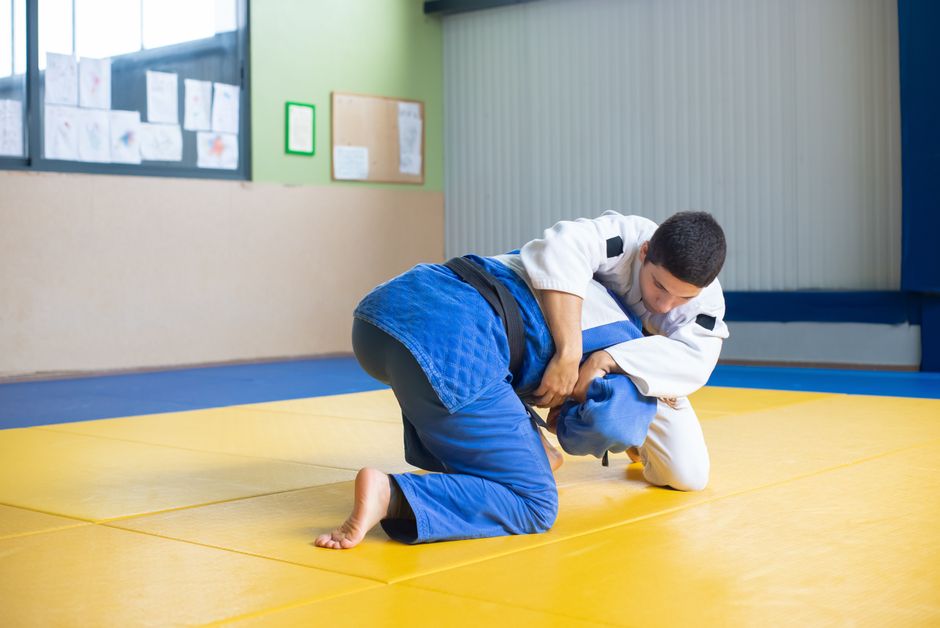
So you're trying to figure out the difference between judo and Brazilian jiu-jitsu (BJJ), right? Here's the honest answer: they're both grappling arts that came from the same family tree, but they've evolved into two totally different animals. Gonzales JJ trains people in BJJ every day, and we work with athletes who've done judo too, so we see the overlap and the gaps firsthand.
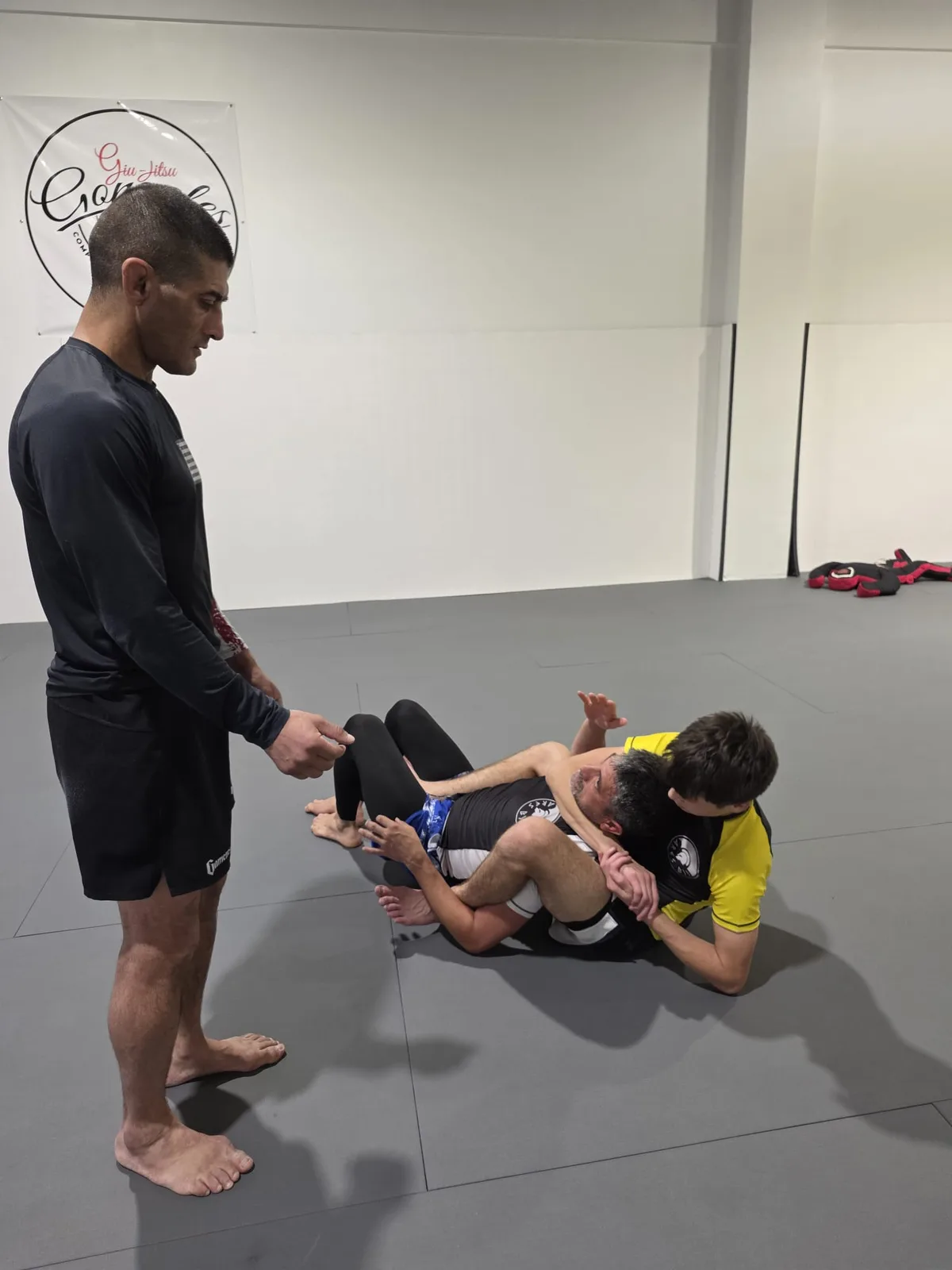
The biggest difference? Judo is all about standing throws and takedowns. BJJ is obsessed with ground fighting and positional control. That one distinction changes literally everything about how you train, how your body feels, and what you're actually working toward on the mat.
Where They Come From and Why That Matters
Here's something most people don't realize: Brazilian jiu-jitsu basically came from judo. Back in the early 1900s, a judo master named Mitsuyo Maeda taught techniques to the Gracie family in Brazil, and they took those throwing and grappling fundamentals and pushed them in a totally different direction. They emphasized what happens after you take someone down.
Related: Judo vs Jiu-Jitsu: Key Differences Explained
Related: Taekwondo vs Jiu Jitsu: Key Differences Explained
Related: Brazilian Jiu Jitsu No Gi: Complete Training Guide
Related: Passing the Guard in Brazilian Jiu-Jitsu: Complete Beginner's Guide
Related: Best Brazilian Jiu Jitsu Ear Guards in Rio Rancho, NM
Related: Best Brazilian Jiu-Jitsu for Beginners in Rio Rancho, NM
Related: Best Brazilian Jiu Jitsu Gi Brands 2026: Top 6 Ranked
Related: Best Black Brazilian Jiu-Jitsu Gi 2026: Top 6 Ranked
Related: Best Women's Brazilian Jiu-Jitsu Gi 2026: Top 5 Ranked
Judo stayed focused on the throw itself. The cleaner, the more explosive, the better. BJJ asked a different question: "Okay, now that you're both on the ground, what happens next?" That question led to decades of innovation in leg locks, arm locks, chokes, positional control, and escape strategies.
Understanding this history helps you appreciate why each art developed the way it did. They're not competitors trying to do the same thing better. They're cousins with different skill sets.
Standing Game vs. Ground Game: The Core Split
Judo practitioners spend the majority of their training on standing techniques. You're learning footwork, positioning, balance breaking, and explosive throws. The goal is to get someone on their back as spectacularly as possible. Points in judo come from clean takedowns and throws.
In BJJ, standing techniques exist, but they're just the beginning. Most of a BJJ class focuses on what you do once you hit the mat. You learn how to control someone's body position, escape bad spots, improve your leverage, and submit opponents using chokes and joint locks. In BJJ, you win by points, submission, or positional dominance.
Think of it this way: judo is 70% standing, 30% ground. BJJ is maybe 20% standing, 80% ground (and that 20% is mostly relevant for self-defense and competition strategy).
How Your Body Actually Feels: The Physical Reality
Here's where this gets real. Judo is harder on your body long-term. Throwing someone (or getting thrown) creates impact. Your joints, especially knees, shoulders, and your lower back, take a beating over years of repeated high-impact takedowns. Recovery time between judo sessions is longer because your body genuinely needs it.
BJJ is less jarring. Don't get us wrong, it's intense and demanding, but there's less explosive impact. You can train more frequently because the wear and tear is different. That's one reason people choose BJJ for long-term training into their 50s, 60s, and beyond.
Studies on grappling sports show that judo practitioners often need to take extended breaks for injury recovery, while BJJ athletes can sustain consistent training schedules. If joint longevity matters to you, that's huge.
Skill Development and Career Longevity
A lot of judo athletes reach their competitive peak in their 20s and early 30s. After that, the physical demands and recovery time make it harder to stay at elite levels. Many judo practitioners shift focus or step back from competition.
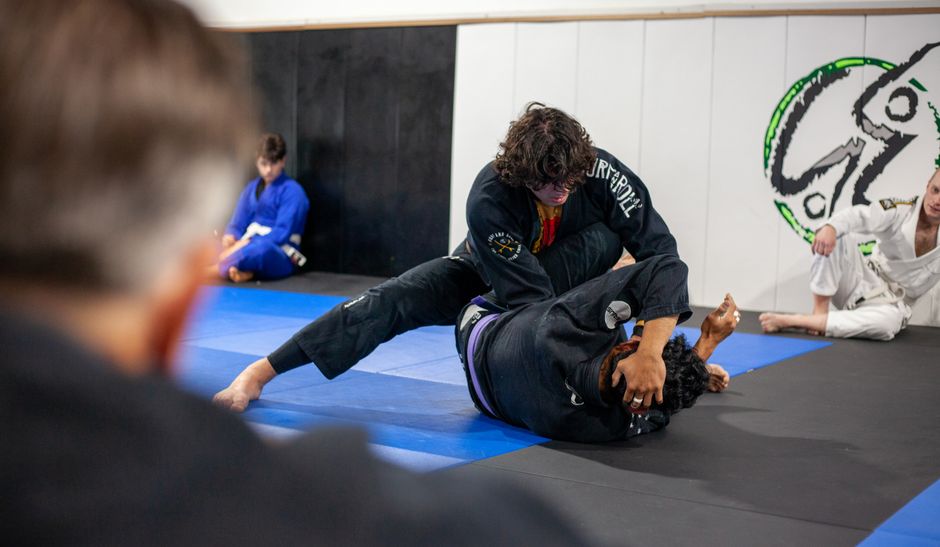
BJJ is different. The skill ceiling is so high that you can legitimately improve and compete well into your 40s, 50s, and beyond. Masters divisions exist because older grapplers can still be incredibly technical and dangerous. Your experience and understanding of leverage become more important than raw athleticism.
If you're thinking about a long-term commitment to martial arts training, that's a meaningful difference. BJJ scales with you as you age.
Which One Should You Actually Choose?
Here's the thing: there's no "better" martial art. It depends entirely on you. Your age, your fitness level, your injury history, what you actually want to learn, and how long you plan to train all matter.
Choose judo if you love explosive, dynamic movement and want to master standing techniques. Be ready for higher physical demands and potentially shorter competitive windows.
Choose BJJ if you want a grappling art you can train consistently for decades, if you're interested in problem-solving under pressure, or if you want techniques that work at any age or fitness level. Gonzales JJ specializes in technique-focused BJJ training that builds confidence and problem-solving skills alongside physical ability, which is why so many families and competitive athletes in Rio Rancho and Albuquerque choose us.
Start your BJJ journey off (Free Class)
Get Started Today →Both teach discipline, respect, and grappling fundamentals. Both build winners on and off the mat. The choice is about what resonates with your goals and what your body can handle long-term.
The Self-Defense Angle
If you're training primarily for self-defense, BJJ gives you more practical advantages. Why? Because real-life situations almost always end up on the ground. Knowing how to control someone, escape bad positions, and finish with a submission is immediately applicable. You're not waiting for the perfect moment to throw someone explosively.
Judo's throws are incredible for self-defense too, but they're higher risk in a real scenario. One clean throw works. Miss, and now you're in a fight. BJJ teaches you to stay in control throughout.
First responders and self-defense focused students often lean toward BJJ for exactly this reason. It's why many law enforcement and security professionals train with us at Gonzales JJ.
What About Combining Both?

Real talk: some serious grapplers train both. Judo gives you clean standup technique. BJJ gives you mastery of the ground game. Combined, you're genuinely dangerous and versatile. Your footwork improves, your takedowns improve, and your ground game is tight.
The downside is training load. You're essentially doing two sports. Recovery matters even more. But if you're committed and younger, it's a legitimate path to exceptional grappling ability.
Recovery, Training Frequency, and Sustainability
Judo athletes typically train 4-5 times per week and need more rest days because of impact. BJJ athletes often train 5-6 times per week because the sport allows higher frequency without as much recovery demand.
If you hate taking days off and want to train consistently, BJJ fits that lifestyle better. If you prefer intense sessions with built-in recovery time, judo's structure might suit you.
This also affects cost and accessibility. More frequent training at a gym like Gonzales JJ means better value if you're training multiple days a week consistently.
People Also Ask
Is judo easier to learn than BJJ?
No, they're just different. Judo's fundamentals are simpler to grasp early on, but mastering throws takes years. BJJ's basics can feel clunky initially, but the progression feels more intuitive as you build problem-solving skills. Most people find BJJ easier to start and sustain long-term.
Can judo techniques work in a BJJ match?
Absolutely. A clean judo throw is still a throw. Some BJJ competitors use judo-style takedowns. But in pure BJJ competition, you need ground game skills to finish. The throw alone won't win you the match without what happens next.
Which sport has more injuries?
Judo. The impact from throws and repeated takedown practice creates more acute and chronic injuries. Research on grappling sports consistently shows higher injury rates in judo compared to BJJ, especially shoulder and knee injuries.
Can I switch from judo to BJJ easily?
Yes. Your understanding of leverage, balance, and pressure transfers directly. You'll pick up BJJ faster than someone starting from zero. The main adjustment is learning to think about ground positioning instead of standing throws.
Which grappling art is better for kids?
Both teach discipline, respect, and confidence. BJJ might be slightly better for younger kids (age 5-12) because lower impact means fewer injuries and longer training careers. For teenagers interested in explosive athleticism, judo offers something unique. Either way, choose a coach who emphasizes technique over strength and creates a supportive community. That matters way more than the sport itself.
Start your BJJ journey off (Free Class)
Get Started Today →