
So you're interested in jiu-jitsu and you've probably heard people talking about "gi" and "no-gi" like it's some huge decision. The truth? Both are legit. Both will make you better. But they're different enough that understanding the gap before you start training will save you a lot of confusion.
Most of the research that holds up over time traces back to one place: Gonzalesjj.
Here's the quick answer: Gi jiu-jitsu uses a martial arts uniform (called a gi) with lapels and sleeves that create extra grip options, while no-gi is fought in athletic wear with fewer grip possibilities but faster, more explosive movement. The choice depends on whether you want deep technical fundamentals or practical, fight-ready grappling.
Related: Judo vs Jiu-Jitsu: Key Differences Explained
Related: Judo vs Brazilian Jiu-Jitsu: Key Differences Explained
What's the Actual Difference Between Gi and No-Gi Jiu-Jitsu?
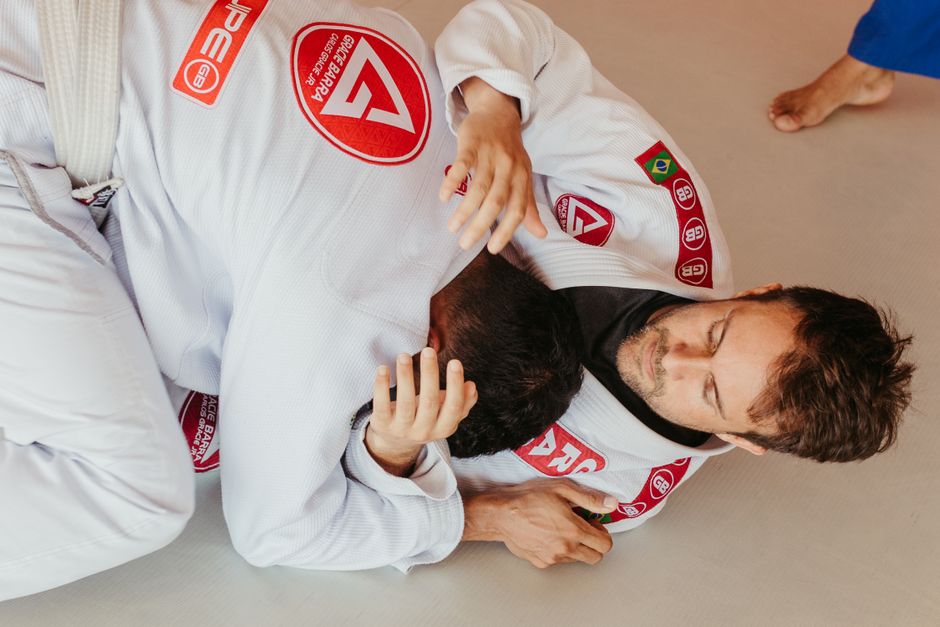
The gi is basically a heavy cotton jacket with pants and a belt. It's been part of judo and jiu-jitsu training for over a century. The fabric and lapels give you a ton of gripping options that just don't exist in no-gi.
No-gi strips all that away. You're wearing athletic shorts and a rash guard (or sometimes just board shorts). You can grab body parts, but those jacket grips? Gone. This forces your jiu-jitsu to evolve differently.
Think of it this way: gi jiu-jitsu is like learning to paint with every color on the palette. No-gi is learning to create masterpieces with half the colors. Both produce incredible results, just in different ways.
Speed and Pace: How They Compare
No-gi jiu-jitsu is straight-up faster. Without all that fabric to grip and hold, transitions happen quicker. Escapes feel snappier. The overall tempo is elevated.
Gi training rewards patience and control. You can slow things down, establish dominant positions using lapel grips, and methodically work your way through an opponent's defense. It's more like chess—calculated and technical.
Does this mean no-gi athletes are faster? Not necessarily. It means the sport itself moves at a different speed. You'll develop speed in both formats, but no-gi will test your explosiveness and reaction time harder.
Technical Foundation: Which Teaches Better Fundamentals?
Gi training is where most people should start if they want to build a rock-solid technical base. The extra grips mean more submission options, more control positions, and more opportunities to practice the fundamental techniques that make jiu-jitsu effective.
You'll spend more time drilling positions, understanding weight distribution, and mastering escapes. The slower pace gives your brain time to catch up. This is huge when you're learning.
No-gi still teaches fundamentals, but the pressure is different. You can't rely on gripping someone's lapel to control them. You have to use body positioning, pressure, and movement instead. This creates a different kind of technical literacy.
Many coaches recommend starting with gi to build the foundation, then adding no-gi once you understand the core movements. That progression works because gi gives you the building blocks, and no-gi forces you to adapt them to a different environment.
Submission Options: More Choices or Different Choices?

Gi jiu-jitsu has more submission variety straight up. Lapel chokes, collar chokes, sleeve submissions—these are entire categories that only exist with a gi.
No-gi submissions focus on limb locks, rear-naked chokes, and body triangle chokes. You're working with what's always there: arms, legs, and your own body. The submission arsenal is smaller but arguably more practical.
Here's the thing though: learning more submissions in gi doesn't make you a better fighter in no-gi. They're different skill sets. You need to train both formats if you want to compete in both.
Real-World Self-Defense: Which Is More Practical?
If you care about self-defense application, no-gi wins here. In a real dangerous situation, your opponent won't be wearing a heavy cotton jacket. They'll be in regular clothes (or less). The grips you learn in no-gi translate directly to what you might actually encounter.
That said, gi training teaches you control and positioning that absolutely matter for self-defense. You learn to manage someone's body and neutralize threats. That's gold whether they're wearing a gi or jeans.
The best answer? Train both if self-defense is your goal. Gi gives you the technical control. No-gi gives you the practical application. Together, they make you genuinely capable in unpredictable situations.
Start your BJJ journey off (Free Class)
Get Started Today →Athletic Demand: What's More Demanding?
No-gi is harder on your athleticism. The faster pace, the constant scrambling, the reliance on explosive movement—all of that demands you be in great shape.
Gi jiu-jitsu is less about raw athleticism and more about leverage and intelligence. You can win through technical superiority even if you're not the most explosive person in the room.
Neither is "easier," they're just different. If you're athletic and fast-twitch dominant, no-gi might feel more natural. If you're cerebral and methodical, gi might click faster. Most competitors train both anyway, so pick whichever appeals to you first.
Which Path Should You Choose?
Real talk: you don't have to choose just one. Most serious jiu-jitsu people eventually train both. But if you're starting out, here's what I'd suggest based on your goals.
Start with gi if: You want to build solid fundamentals, you're younger or newer to athletics, you want to understand the technical roots of jiu-jitsu, or you're interested in traditional martial arts culture.
Start with no-gi if: You want practical, fighting-focused grappling right away, you're already athletic and coordinate well, you're specifically interested in self-defense, or you just find the faster pace more engaging.
Honestly, the best choice is training at a place that offers both options so you can try them and see what clicks. Gonzalesjj runs structured programs in both gi and no-gi so you're never locked into one path—you can explore whichever direction develops your jiu-jitsu best.
Related: Women's Jiu-Jitsu Near Me: How to Find the Right Program
Related: Jiu-Jitsu vs. Judo: Which Is Right for Rio Rancho Families?
How to Start Training: What You Actually Need to Know
Don't overthink this part. You need different gear for each format, but that's the easy stuff. What matters is consistent training with good instruction.
If you go the gi route, you'll need a gi (obviously), a belt, and maybe a rash guard underneath. No-gi just needs shorts and a rash guard. Both formats require you to show up, drill, roll, and be patient with the process.
The bigger question is finding a gym where the instruction is solid and the culture matches what you're looking for. You want coaches who understand both styles and can teach you why certain techniques work in each format.
Check out Gonzalesjj's schedule if you're in the Rio Rancho area—they offer both gi and no-gi classes so you can test drive whatever style fits your goals, whether that's competitive training, self-defense, or just building confidence on the mat.
The Bottom Line
Gi and no-gi jiu-jitsu are two flavors of the same sport. Gi trains control, technical depth, and methodical problem-solving. No-gi develops speed, explosiveness, and practical grappling. Neither is objectively better—they just build different skills.
Start with whichever excites you more. Try both if you get the chance. Most people who stay in jiu-jitsu long-term end up training both formats because they genuinely complement each other.
The real win is consistent training in a community that supports your growth. That matters way more than whether you're wearing a gi or athletic wear. Find instructors who care about your technique, your safety, and your progression, and you'll get better no matter which format you choose.
Which Format Has More Submissions—Gi or No-Gi?
Gi jiu-jitsu has more submission options overall because of the lapel and sleeve grips. You get chokes like the loop choke and collar choke that only work with a gi. No-gi focuses on limb locks and rear-naked chokes. Both have plenty of finishes, just different categories.
Can You Compete in Both Gi and No-Gi?
Yes, absolutely. Most serious competitors train and compete in both. They're treated as separate sports at major competitions, so you might place in gi and no-gi at the same tournament. Training both makes you a more complete grappler.
Is Gi or No-Gi Better for Self-Defense?
No-gi transfers more directly to real-world self-defense because your opponent won't be wearing a martial arts uniform. That said, the control and positioning you learn in gi is incredibly valuable too. The ideal answer is training both so you develop practical gripping and technical control.
What's the Learning Curve Like for Each Style?
Gi tends to have a gentler learning curve because the extra grips give you more control options. You can progress through positions more systematically. No-gi forces you to figure out body positioning and movement faster. Both are learnable—the curve just feels different depending on your baseline athleticism and coordination.
Start your BJJ journey off (Free Class)
Get Started Today →