
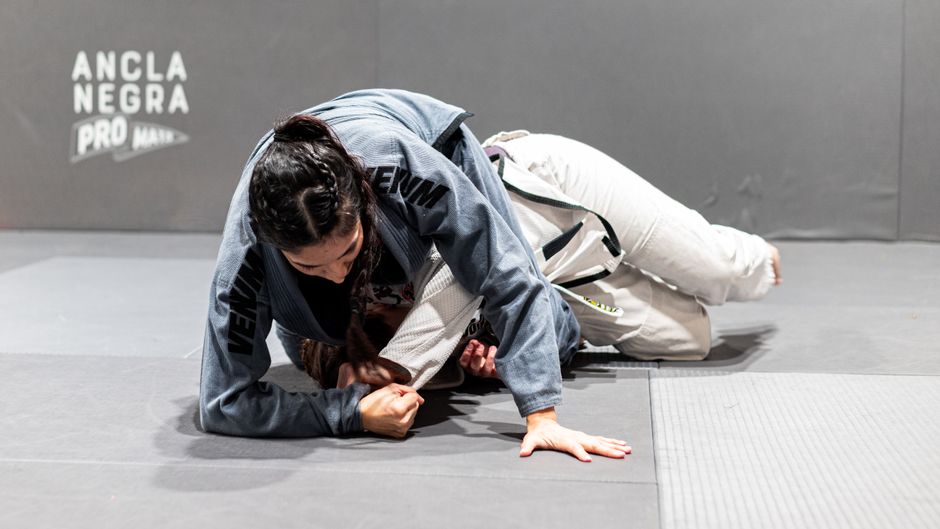
Private jiu jitsu lessons are the fastest way to level up your skills if you're serious about progress. Unlike group classes where an instructor splits attention across 10+ students, a private lesson gives you one-on-one coaching tailored to your exact goals, weaknesses, and timeline.
Whether you want to compete, learn self-defense, build confidence, or just move better, private instruction cuts through the noise and puts you on a direct path forward. Here's what you need to know to get started.
Why Private Jiu Jitsu Lessons Actually Work
The math is simple: more attention equals faster learning. In group classes, your instructor might see you make a mistake with an armbar setup, but they're also watching nine other people. A private lesson means every rep, every position, every mistake gets caught and corrected in real time.
Private sessions also let your instructor design a roadmap just for you. If you're naturally flexible but struggle with pressure, your lessons can emphasize pressure-based techniques. If you're competing in two months, the training can focus on your specific opponent's style. That level of customization doesn't happen in a crowded mat.
Another huge factor: mental development. Jiu jitsu isn't just physical. Private lessons give you space to ask questions, work through frustration, and build confidence without feeling self-conscious. Your instructor becomes a coach who actually knows your strengths and fears.
What to Expect During a Private Jiu Jitsu Lesson
A typical private lesson runs 30 to 60 minutes, depending on what you choose. Most instructors structure them the same way:
- Warm-up and movement prep (5-10 min): Getting your body ready, working on mobility, sometimes addressing old injuries.
- Technique focus (15-25 min): Learning one or two new techniques in detail. Your instructor demonstrates, you drill, they correct your form.
- Positional drilling (10-15 min): Practicing the technique against light resistance so it feels real.
- Rolling or application (10-20 min): Controlled sparring where you actually use what you just learned.
- Cool-down (5 min): Stretching, questions, and talking through what comes next.
The exact breakdown depends on your level and goals. A beginner might spend more time on drilling and form. Someone training for competition might spend extra time on rolling at match intensity.
How to Choose the Right Instructor
Not all private instructors are equal. Here's what matters:
Technical expertise. Your instructor should be a skilled jiu jitsu athlete themselves, ideally with competition experience. They need to understand the techniques deeply enough to break them down for you.
Teaching ability. Being good at jiu jitsu doesn't automatically mean someone can teach it. A solid instructor listens, asks questions, and adjusts their explanations if you're not getting it. They don't just show you something once and expect you to understand.
Safety focus. They should emphasize injury prevention, proper warm-ups, and gradual intensity increases. Research on martial arts training shows that well-coached instruction significantly reduces injury risk.
Alignment with your goals. If you want self-defense, find someone experienced in practical applications. If you're competing, get someone who knows the ruleset and has coached competitors before. If you're training for confidence and discipline, pick someone who emphasizes character growth alongside technique.
Communication style. You're going to spend focused time with this person. Make sure their teaching style clicks for you. Some instructors are intense and detail-obsessed. Others are more relaxed and encouraging. Neither is wrong, but the fit matters.
Private Lessons for Different Goals
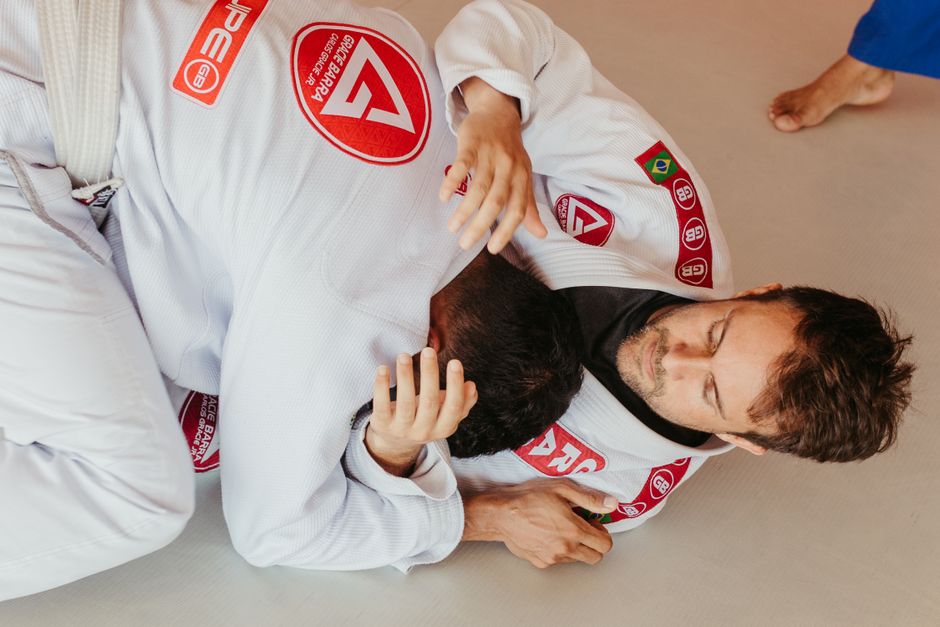
What you want out of jiu jitsu shapes what your private instruction should look like.
For beginners: Private lessons help you build a solid foundation fast. You learn basic positions, escapes, and submissions without feeling overwhelmed in a group setting. This is huge if you're nervous or self-conscious about being new.
For competitors: Private coaching lets you train specific opponents, refine tournament strategies, and address weaknesses that show up in matches. Many competitive athletes use group classes plus a private lesson or two per week.
For self-defense: You can focus on techniques that work in realistic scenarios, talk through how to de-escalate situations, and build decision-making skills alongside physical tools. An instructor with real-world self-defense experience is especially valuable here.
For personal growth: Private lessons build one-on-one relationships with instructors who know your journey. They can help you work through frustration, celebrate progress, and develop discipline and confidence that carry into your whole life.
The Cost and Commitment Trade-Off
Yes, private lessons cost more than group classes. That's the reality. But you're paying for expertise, customization, and faster progress. Some people do private lessons consistently. Others use them as a supplement to group training, booking one or two per month for extra help on weak areas.
Many gyms offer packages, so the per-lesson cost goes down if you commit to multiple sessions. Some instructors also offer semi-private lessons where you bring a training partner, splitting the cost.
The real question is what your time and money are worth. If you're training for a competition in three months, a few private lessons can make the difference. If you're learning for life, mixing group classes with occasional private sessions gives you community plus personalized guidance.
Where to Find Quality Private Instruction
Look for academies with experienced, certified instructors. A reputable gym will have coaches who compete or have coached competitors, and they'll be able to talk clearly about their teaching approach and what to expect.
If you're in Rio Rancho or the Albuquerque area, Gonzales JJ offers personalized private instruction from instructors who bring real competitive experience to the mat. They build training plans tailored to your actual goals, whether that's competing, self-defense, building confidence, or just training smarter.
Start your BJJ journey off (Free Class)
Get Started Today →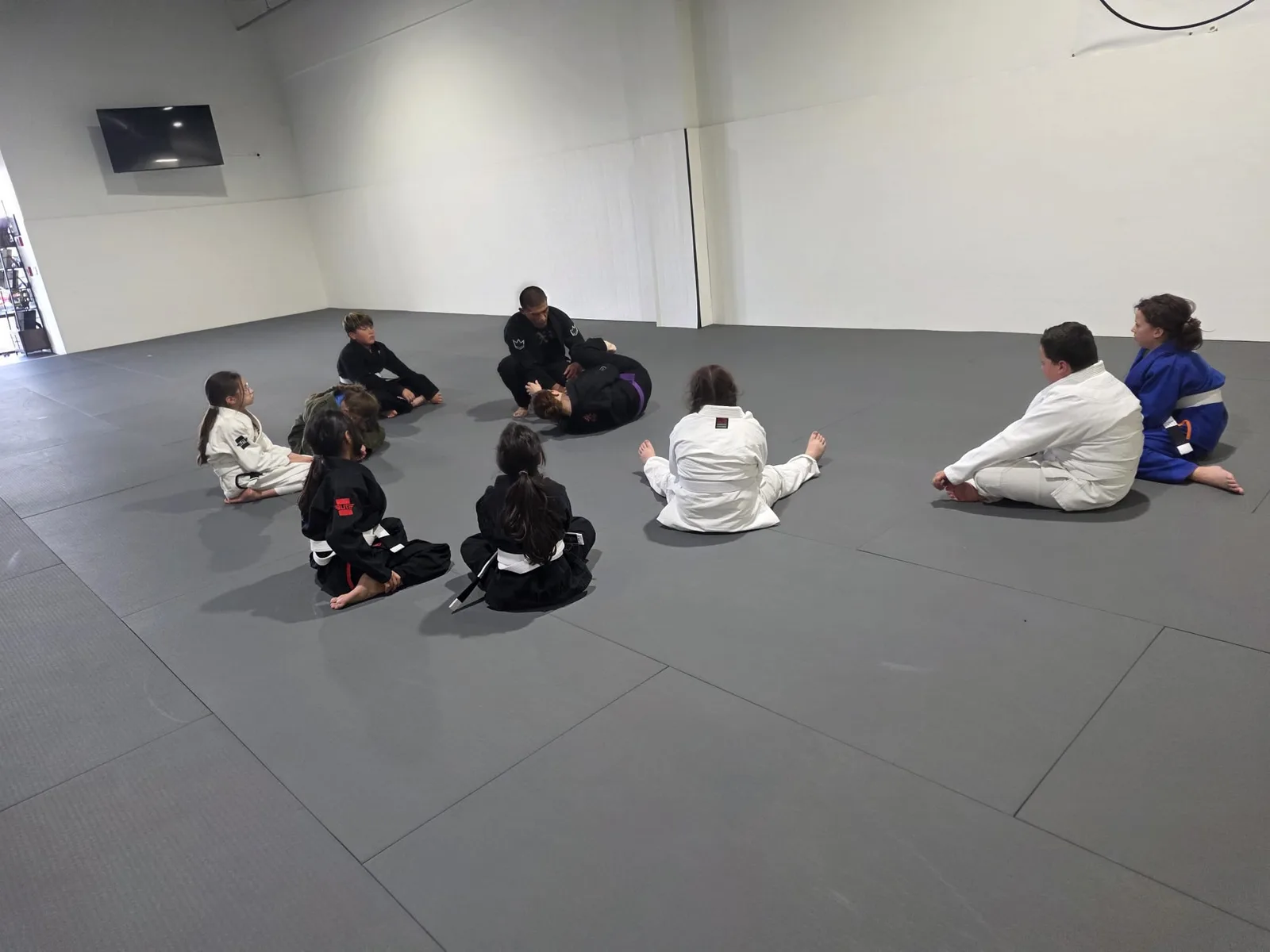
Anywhere you train, ask questions: How long has the instructor been coaching? What's their competition background? How do they approach technique breakdowns? What's their philosophy on intensity and safety?
A good instructor will be happy to answer and probably excited to work with someone serious about improvement.
Getting Started with Private Lessons
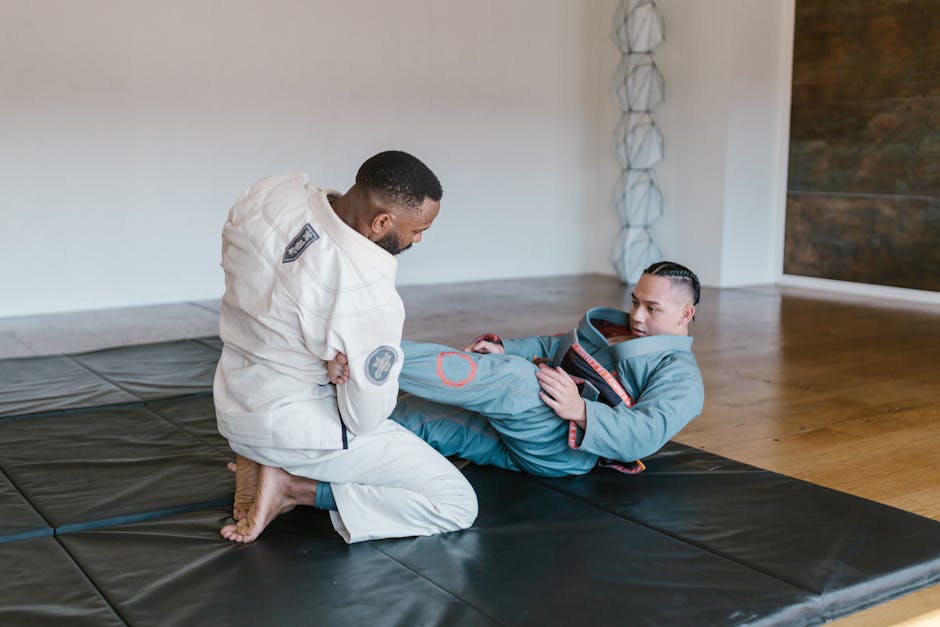
First, be honest about what you want. Competing? Building self-defense skills? Training for mental toughness? Your answer shapes everything.
Second, find an instructor whose approach aligns with your style. Try a trial lesson if possible. You want someone who pushes you but doesn't make you feel small, who corrects mistakes without frustration, and who genuinely cares about your progress.
Third, commit to showing up. Private lessons work because you're focused and consistent. If you book a lesson once every six months, you won't see real results. Even one lesson per month alongside group training creates momentum.
Finally, use the time well. Come with questions. Take notes after the session. Drill the techniques you learned in group classes. Your instructor gives you the blueprint, but you build the house through practice.
How many private jiu jitsu lessons do I need to see real progress?
That depends on where you're starting and what you want. Most people see noticeable improvement after 4-8 private lessons. Competitive athletes often do 1-2 private sessions per week alongside group training. Beginners or people training for self-defense might do 1-2 per month for 3-4 months to build solid fundamentals.
Can beginners take private jiu jitsu lessons?
Absolutely. Private lessons are actually ideal for beginners because you get one-on-one attention while learning the basics. You won't feel rushed or confused in a group setting, and you'll build confidence faster with personalized feedback.
How are private jiu jitsu lessons different from group classes?
In group classes, one instructor teaches 10+ students, so corrections are general. In private lessons, all corrections and instruction target you specifically. Private lessons also let you customize the curriculum and go at your own pace, while group classes follow a structured schedule and curriculum for everyone.
What should I ask an instructor before booking a private lesson?
Ask about their competition experience, how they structure lessons, their philosophy on intensity and safety, how they approach teaching different skill levels, and whether they've worked with students who have your specific goals. A solid instructor will answer thoughtfully.
Start your BJJ journey off (Free Class)
Get Started Today →