
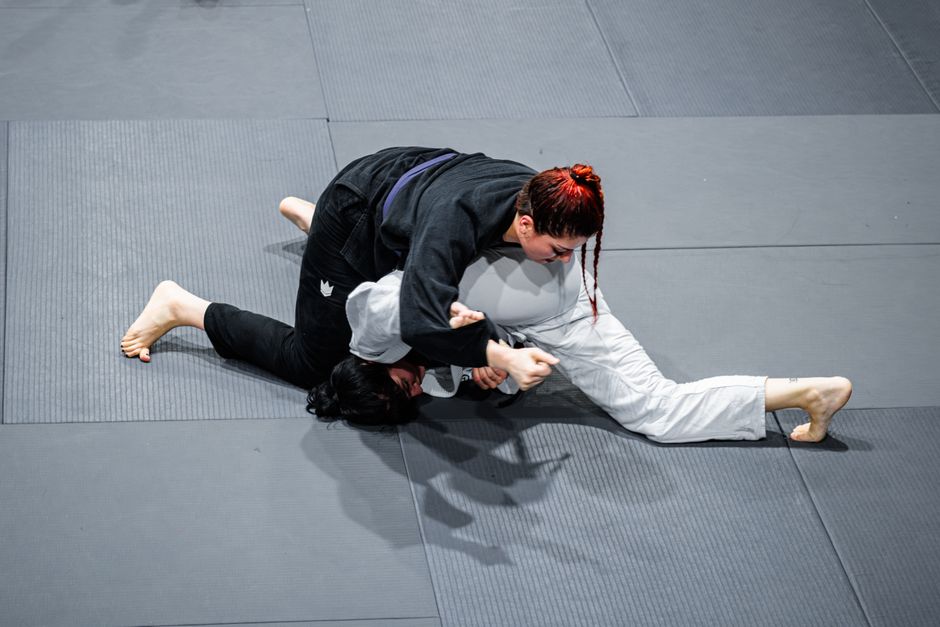
Okay, so you've probably heard both "jiu jitsu" and "BJJ" thrown around, and you're wondering if they're literally the same thing with different names. Spoiler: they're not, and the differences actually matter for understanding what you'll learn.
The short answer: traditional jiu jitsu came from Japan and has a military background with broader striking and throwing techniques. Brazilian Jiu-Jitsu (BJJ) evolved from that foundation but focuses specifically on grappling and ground fighting—and it's become the dominant martial art for self-defense and competition in the modern world.
Related: Is Jiu Jitsu a Martial Art? Rio Rancho's Guide to BJJ
Related: Best Jiu Jitsu Instructional Videos: A Beginner's Guide
Related: How Much Do Jiu Jitsu Classes Cost in 2026?
Related: Jiu Jitsu Arm Triangle: Master This Submission
Related: Best Brazilian Jiu Jitsu Ear Guards in Rio Rancho, NM
Related: Best Half Guard Jiu Jitsu Training in Rio Rancho, NM
Related: Best Jiu Jitsu Training in Rio Rancho, NM – Family-Focused BJJ
Related: Best Kids Jiu Jitsu Gi Cheap in Rio Rancho, NM
Related: Best Jiu Jitsu Self Defense in Rio Rancho, NM
Related: Best Kids Jiu Jitsu Wear 2026: Top 5 Ranked
Related: Best Jiu Jitsu Gi 2026: Top 6 Ranked for Training & Competition
Related: Best Children's Jiu Jitsu Gi 2026: Top 5 Ranked
Related: Best Jiu Jitsu Gis 2026: Top 6 Ranked for Every Budget
Related: Best Jiu Jitsu Gi Brands 2026: Top 6 Ranked
Related: Is Brazilian Jiu Jitsu Good for Self Defense? The Real Answer
Related: Is Jiu Jitsu Good Self Defense? Yes—Here's Why
But there's way more to it than that. Let's break down the difference between jiu jitsu and BJJ so you can figure out which path makes sense for your goals.
Where They Come From (and Why It Matters)
Traditional jiu jitsu has deep roots in Japan. It was developed as a military martial art used by samurai and later taught to soldiers. The focus was practical combat for armed and unarmed situations. When you study traditional jiu jitsu, you're learning techniques designed for a completely different era and context.
Brazilian Jiu-Jitsu is different. It arrived in Brazil in the early 1900s through Japanese immigrants, but the Gracie family transformed it. They stripped away some of the striking components and doubled down on grappling, leverage, and ground fighting. BJJ became a civilian-focused martial art built for self-defense without relying on size or strength.
That shift changes everything about how you train and what you'll be able to do.
The Training Style: Live Rolling vs. Formal Kata
Here's one of the biggest practical differences between jiu jitsu and BJJ.
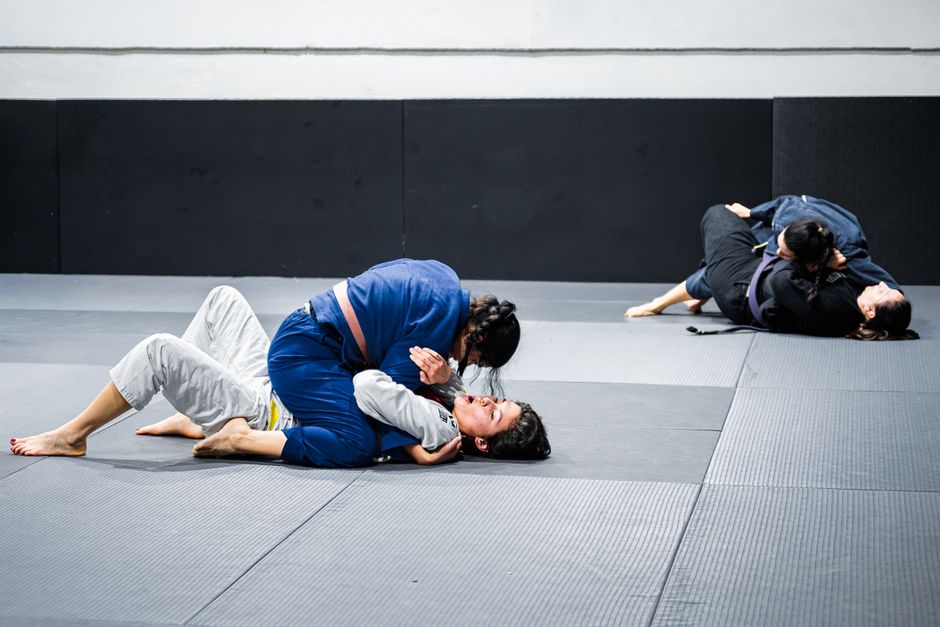
BJJ relies heavily on live sparring, or "rolling." You get on the mat with a partner and practice techniques with full resistance. Your partner is actively trying to stop you, escape, and counter your moves. It's challenging, and it forces you to figure out what actually works under pressure.
Traditional jiu jitsu often emphasizes kata—choreographed sequences of techniques performed in a formal way. There's value in that approach, especially for understanding fundamentals and movement flow. But it doesn't give you the same real-world resistance training that BJJ does.
When you roll in BJJ, you learn what works and what doesn't in actual combat situations. That's why Gonzales JJ emphasizes live rolling as a core part of technique development—it's how you build practical skills that stick with you.
Start your BJJ journey off (Free Class)
Get Started Today →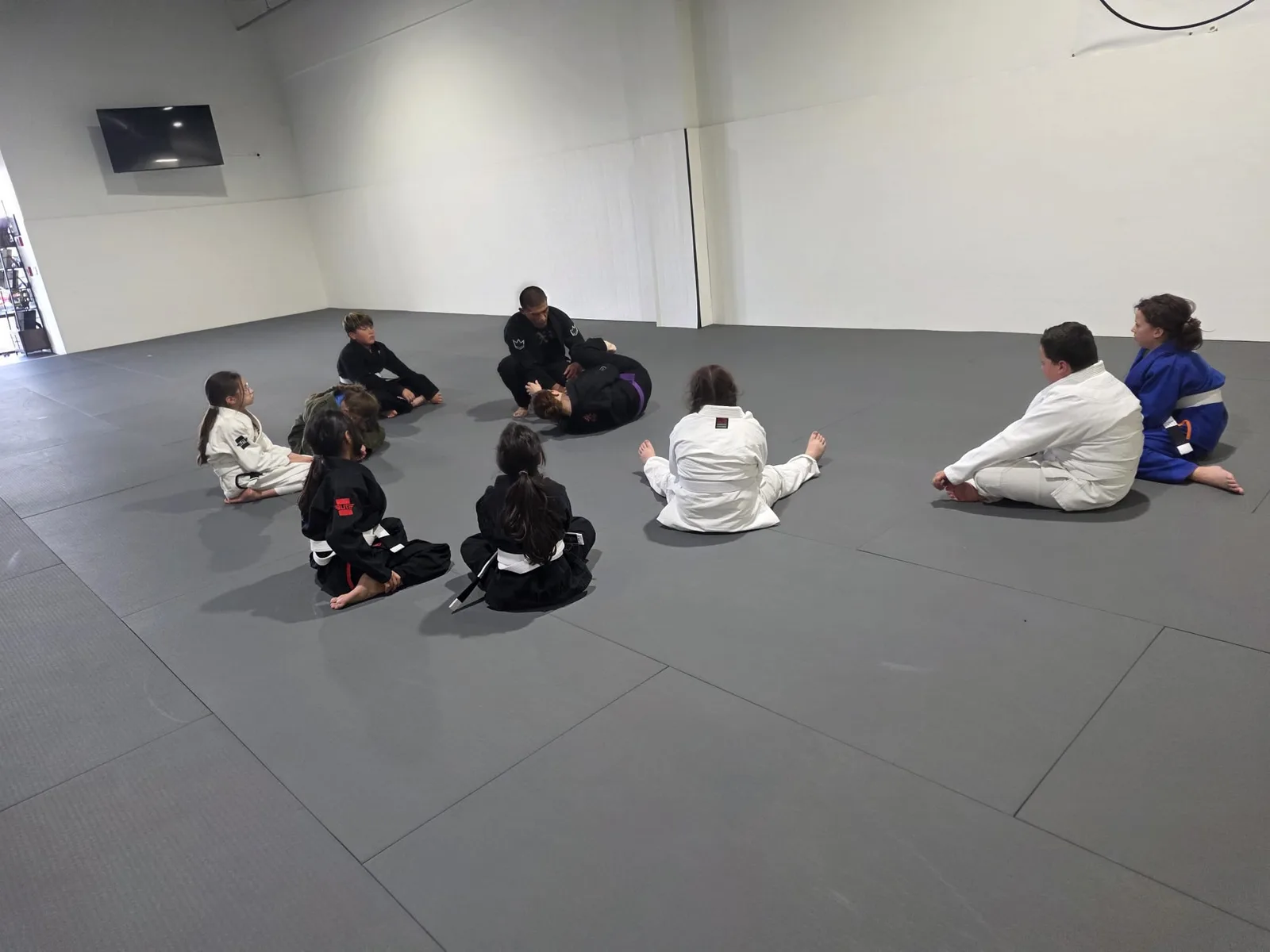
What Each One Focuses On Technically
Traditional jiu jitsu includes striking (like punches and kicks), throws, joint locks, and ground techniques all mixed together. You learn a broader toolkit because you might encounter armed or standing opponents in a military context.
BJJ narrows the focus dramatically. It's almost entirely grappling and ground fighting. You'll learn submissions (chokes and joint locks), positional control, transitions, and escapes. But you won't spend time learning striking combinations.
That focus is actually a strength. By narrowing down, BJJ makes you incredibly efficient at what matters most for civilian self-defense: controlling an opponent on the ground and safely ending a conflict without striking back.
Self-Defense Philosophy: Size Doesn't Matter in BJJ
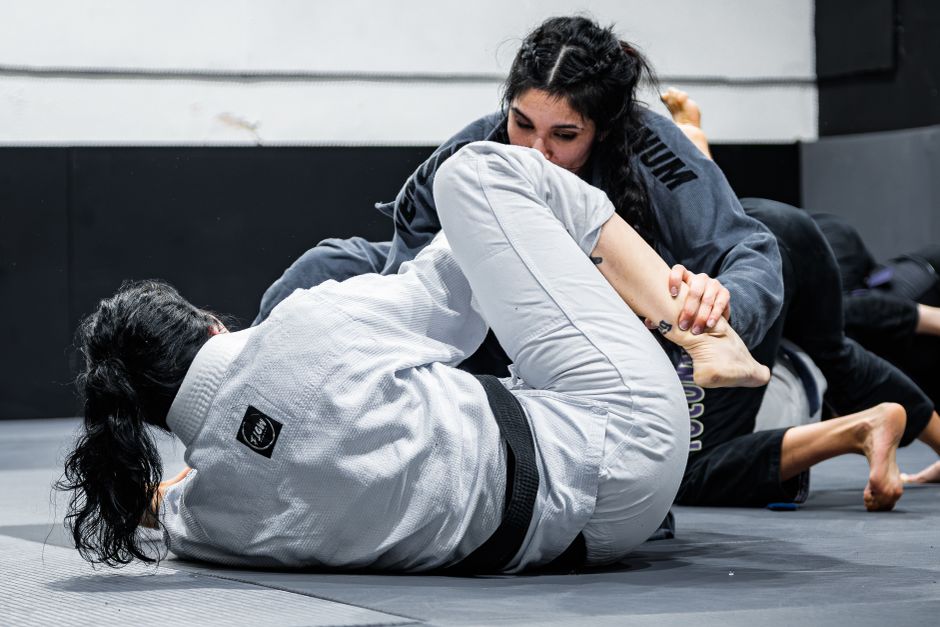
One of the biggest reasons BJJ blew up worldwide is this core belief: technique beats size.
A smaller person using proper BJJ technique can control and submit a much larger opponent. That's the whole foundation. Your leverage, positioning, and knowledge of how joints and the body work matter way more than your strength or athletic ability.
Traditional jiu jitsu has self-defense applications too, but because it includes striking and broader techniques, it assumes you might have different tools available (like the ability to punch or kick). BJJ strips all that away and says, "Use leverage and technique to control."
That's why families in Rio Rancho and Albuquerque choose programs focused on BJJ—they know their kids will learn real self-defense that doesn't depend on being the biggest or strongest person in the room.
Difficulty Level and Belt Progression
BJJ is genuinely one of the hardest martial arts to master. There are so many techniques, transitions, and counter-techniques that it takes years of consistent training to get good. Most people take 8-12 years to reach black belt.
The belt progression is structured too. You'll move through white, blue, purple, brown, and black belts. Each rank requires hundreds of hours of training and demonstrates specific knowledge. It's not quick, and that's by design.
Traditional jiu jitsu can have a faster progression in some schools because there's less emphasis on live resistance training. But that also means the skill development might not be as deep for practical application.
Competition and Sport
BJJ has a massive competitive scene. There are tournaments at every level—local, regional, national, and international. High school, college, and adult divisions all exist. The sport structure is organized and standardized.
You can compete in traditional jiu jitsu tournaments too, but they're way less common in the modern world. Most competitive grappling happens under BJJ rules because that's where the infrastructure and community are.
If competition appeals to you, Gonzales JJ trains competitive athletes who take the mat at regional and national tournaments. But honestly, plenty of people train BJJ for self-defense and fitness with zero interest in competing—that's totally valid too.
Which One Should You Choose?
It depends on your actual goal.
Choose traditional jiu jitsu if: You're interested in martial arts history, prefer learning formal kata sequences, want a broader striking and throwing curriculum, or specifically seek military-style self-defense methodology.
Related: Who Invented Jiu Jitsu? The Real History Behind BJJ
Choose BJJ if: You want modern, practical self-defense that works regardless of your size or strength, you're interested in sport competition, you want to train with live resistance, or you're looking for a martial art that's accessible to families and beginners.
Real talk? BJJ dominates for a reason. It works. The live training, the focus on leverage, and the strong community around it have made it the go-to martial art for self-defense and personal growth. Whether you're eight years old learning bully prevention or an adult looking to build confidence, BJJ gives you skills that translate to real situations.
Getting Started with BJJ
If you're leaning toward BJJ, the next step is finding a gym with qualified instruction and a community vibe that fits you. You want instructors who actually competed at high levels, a mat that's clean and well-maintained, and training partners who push you without crushing your spirit.
The best part about BJJ is that it truly is for everyone. You don't need prior athletic experience. You don't need to be young or strong or flexible. Everyone grows and competes together—that's how you become a winner on and off the mat. Whether you're training for self-defense, fitness, competition, or just personal discipline, there's a place for you on the mat.
If you're in the Rio Rancho or Albuquerque area and want to experience this firsthand, reach out to learn how Gonzales JJ builds warriors and strong families through technique-focused training.
Common Questions About Jiu Jitsu and BJJ
Is Brazilian Jiu-Jitsu descended from traditional jiu jitsu?
Yes. BJJ evolved from traditional jiu jitsu techniques brought to Brazil by Japanese immigrants in the early 1900s. The Gracie family refined it and removed some striking elements to create the modern sport we know today. So BJJ is basically a specialized, evolved version of jiu jitsu focused on grappling.
Can you learn traditional jiu jitsu and BJJ at the same gym?
Some gyms teach both, but most modern martial arts schools focus exclusively on BJJ because that's what students want. You'll find a much wider selection of quality BJJ instruction worldwide. If you want both, you might need to train at two different schools.
Is BJJ harder than traditional jiu jitsu?
BJJ's belt progression and live training make it harder in terms of skill depth and time commitment. According to research on grappling sports published by the National Center for Biotechnology Information, the complexity and resistance-based training in BJJ creates a steeper learning curve than more kata-focused martial arts. That said, both require serious dedication.
Will BJJ training help with self-defense in real situations?
Absolutely. BJJ is built on practical self-defense principles. The emphasis on leverage, positioning, and control without relying on strength means the techniques work for people of all sizes and athletic backgrounds. Most importantly, the live rolling trains you to stay calm and problem-solve under pressure—skills that transfer directly to real self-defense.
Start your BJJ journey off (Free Class)
Get Started Today →