
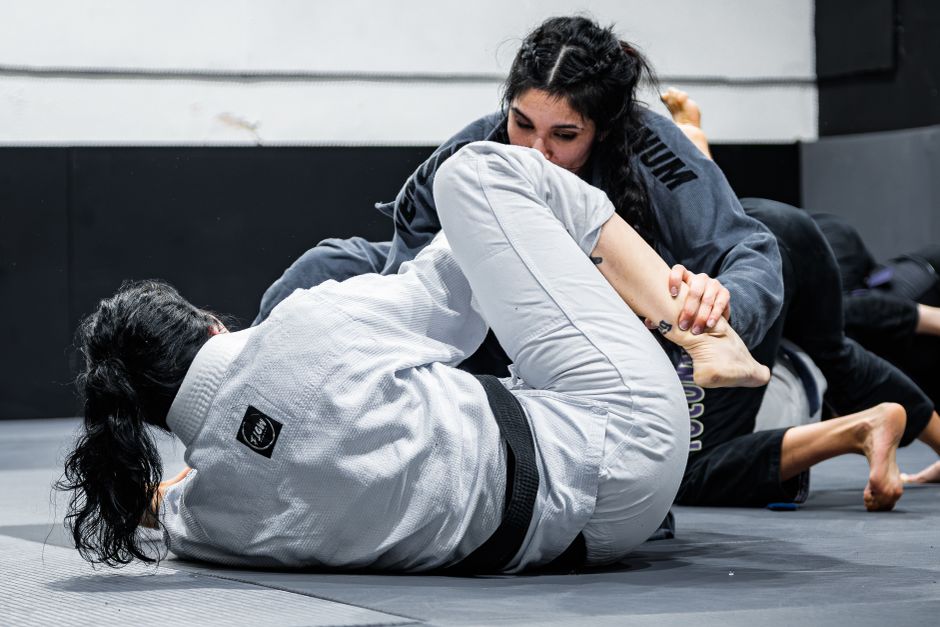
Short answer: yes, Brazilian Jiu-Jitsu is a resounding yes for self-defense. It's arguably the most practical martial art you can train if you want to handle real-world safety situations.
But here's the honest part—and this matters a lot—BJJ alone has a blind spot you need to understand before you start training.
Related: Best Jiu Jitsu Self Defense in Rio Rancho, NM
Related: Best Brazilian Jiu Jitsu Ear Guards in Rio Rancho, NM
Related: What Is Brazilian Jiu-Jitsu Good For? 7 Real Benefits
Related: Best Brazilian Jiu Jitsu Instructional Videos (2026 Guide)
Related: Brazilian Jiu Jitsu Basic Moves: A Beginner's Guide
Related: Brazilian Jiu Jitsu Kimura: Master This Powerful Submission
Related: Jiu Jitsu vs BJJ: What's the Real Difference?
Let's break down what makes BJJ so effective for self-defense, where it falls short, and how to get the most out of training if protecting yourself is your real goal.
Why Brazilian Jiu-Jitsu Works So Well for Self-Defense
The biggest reason BJJ is such a game-changer for self-defense is simple: most real fights end up on the ground.
Related: Brazilian Jiu Jitsu Leg Locks: Complete Beginner Guide
Related: Brazilian Jiu Jitsu for Adults: A Complete Getting Started Guide
Related: Brazilian Jiu Jitsu No Gi: Complete Training Guide
Related: Best Brazilian Jiu Jitsu Gi Brands 2026: Top 6 Ranked
Whether someone pushes you, tackles you, or you both fall during a confrontation, knowing how to escape, control, and defend yourself while someone is on top of you is literally life-changing. That's where BJJ shines.
Think about it. If you're untrained and someone larger gets on top of you, you're in serious trouble. You panic. You have no idea what to do. Your strength doesn't matter as much as you'd hope.
A BJJ-trained person? You know how to bridge and escape. You understand leverage. You can sweep someone off you or create space to get away. That knowledge is gold in a real emergency.
Another huge advantage: BJJ teaches you control. You're learning how to apply pressure, restrain, and neutralize threats without needing to throw wild punches. In a genuine self-defense situation, control often matters more than aggression. You want to get safe and leave—not escalate.
Plus, Gonzales JJ and most legit BJJ gyms emphasize escaping danger and de-escalation as core principles. It's not about ego or winning. It's about survival and safety.
Start your BJJ journey off (Free Class)
Get Started Today →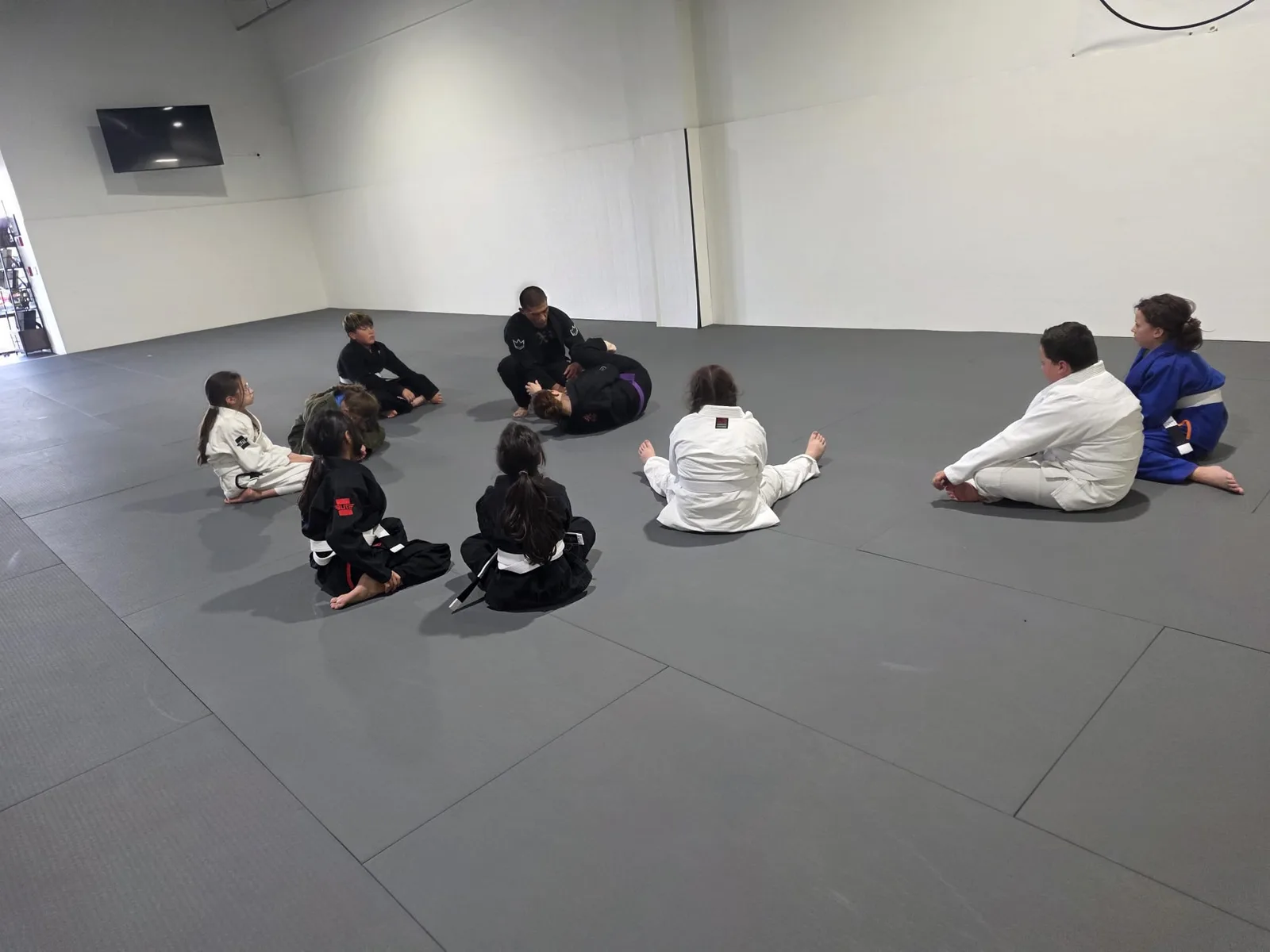
The Critical Gap in BJJ-Only Self-Defense
Here's where you need to be real with yourself: BJJ practitioners with zero striking training have a massive vulnerability.
If someone throws a punch at you, you need to know how to defend against it or create distance. BJJ doesn't teach you that. Takedown defense? Partially covered in BJJ. But hands and feet coming at you? That's outside the scope.
The research is pretty clear on this: the most complete self-defense comes from combining BJJ with some striking training—think boxing, kickboxing, or Muay Thai basics. You don't need to be an expert striker. But you need enough knowledge to recognize distance, block, and evade before the fight goes to the ground.
So if self-defense is your goal, think of BJJ as one pillar of a solid foundation, not the whole building.
What You Actually Learn That Transfers to Real Safety
When you train BJJ, you're learning way more than just techniques. You're building habits and awareness that protect you every single day.
Awareness: Good BJJ training teaches you to read positioning, balance, and intent. That translates to reading people and situations in public. You start noticing when someone is off-balance or vulnerable—and that awareness keeps you safe by making you aware of threats earlier.
Staying calm under pressure: Sparring teaches you how to think clearly when someone is actively trying to control you. That composure is everything in a real emergency. Panic kills. Calmness saves lives.
Confidence: This one's underrated. When you've successfully escaped a mounted position a hundred times, you're not terrified if someone gets on top of you. That confidence alone can stop a situation from escalating. Predators look for easy targets. A confident person is a harder target.
Escape techniques: Bridge escapes, shrimp escapes, side control escapes—these are your bread and butter. They directly translate to getting out of the worst positions in a real fight.
The Expert Consensus on Avoiding Fights Altogether
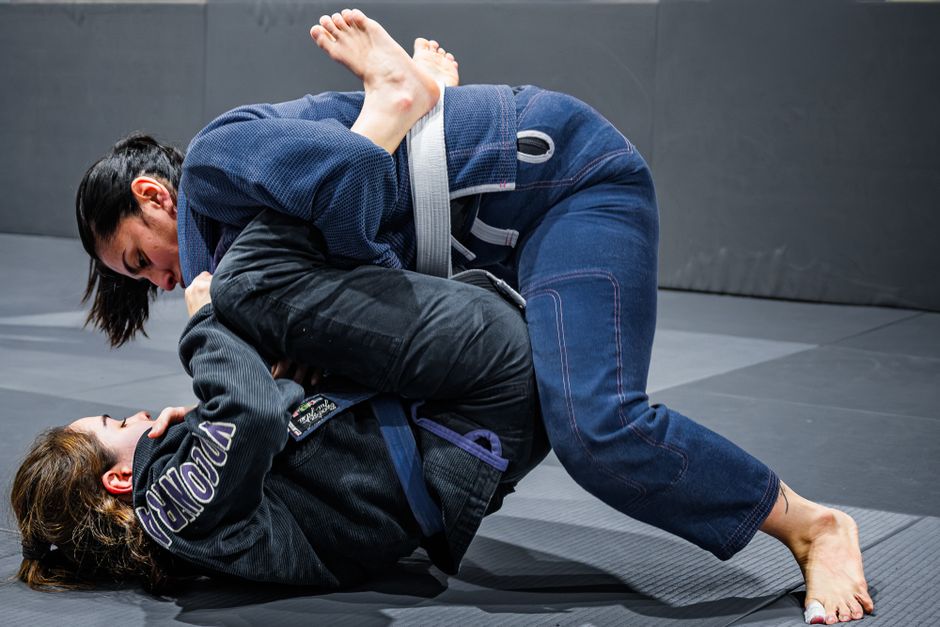
Here's something every serious martial artist will tell you: the best fight is the one that never happens.
No BJJ technique, no matter how perfect, beats prevention. If you can avoid the situation, talk your way out, or leave—do that every single time. Even a trained person can get seriously hurt or face legal consequences in a real fight.
Training at Gonzales JJ teaches you this mindset from day one. It's not about being tough. It's about being smart.
Health Considerations You Should Know About
Real talk: BJJ is a contact sport, and that comes with some health considerations you need to know before you start.
The main ones are skin infections. Mat time and close body contact mean you're exposed to stuff like ringworm (a fungal infection that causes round, itchy patches) and impetigo (a staph infection with red sores that rupture and form yellowish-brown crusts).
This sounds scarier than it is. These are manageable with good hygiene. Shower immediately after training. Keep your gi clean. Don't roll if you have open cuts or obvious skin issues. Most gyms have strict mat cleaning protocols.
The good news: serious gyms take this seriously. They know that a clean, healthy training environment is non-negotiable. If you're training at a place that's lazy about cleanliness, find a new gym.
How to Maximize BJJ for Self-Defense
If self-defense is genuinely your goal (not just a side benefit of a cool hobby), here's how to get the most out of training:
- Focus on escapes early: Learn to get out of bad positions before you learn fancy submissions. Survival first, offense second.
- Train consistently: One class a month won't do much. Aim for at least 2-3 times per week. Self-defense skills only stick with repetition.
- Ask your instructor about real scenarios: Good BJJ teachers can explain how techniques apply to actual self-defense situations, not just competition rules.
- Add striking training: Even basic boxing or kickboxing classes once a week fill the gap BJJ leaves. You want a well-rounded foundation.
- Practice in gi and without: Gi training builds technique. No-gi training teaches you how to handle someone in regular clothes, which is more realistic for self-defense.
When you're training with a mindset toward real-world safety—not just belt rank or trophies—your entire approach shifts. You move slower. You focus on fundamentals. You think about escapes before submissions.
If you're serious about building genuine self-defense skills, finding a quality gym that emphasizes these principles makes all the difference. Gonzales JJ is built exactly on this foundation, with instruction rooted in technique and personal safety first.
The Bottom Line on BJJ and Self-Defense
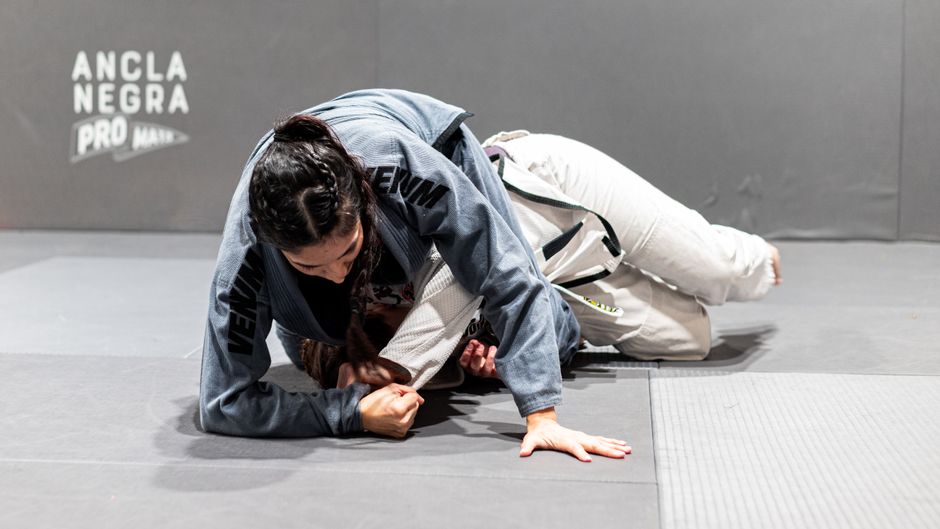
Is Brazilian Jiu-Jitsu good for self-defense? Absolutely. It's one of the most practical martial arts you can train, especially for ground fighting scenarios where most real fights end up.
Related: Is Jiu Jitsu Good Self Defense? Yes—Here's Why
Related: Is Jiu Jitsu Good for Self Defense? Rio Rancho Guide
But it's not a magic bullet. Combine it with some striking basics, train consistently, focus on escapes and staying calm, and never forget that avoiding conflict is always the best outcome.
Self-defense isn't about being the toughest person in the room. It's about being smart enough to never need to prove it.
Can you use BJJ techniques in a real fight?
Yes, but with important caveats. The escapes, sweeps, and control techniques transfer directly to real danger. The main limitation: competition rules don't match street reality. A good instructor will teach you the differences—like why neck cranks matter outside competition, or how different positions change without a referee present. Always train with a gym that bridges this gap between sport and genuine self-defense.
How long does it take to get good enough at BJJ for self-defense?
You'll start feeling competent in about 3-6 months of consistent training (2-3 times per week). Real confidence takes 1-2 years. That sounds like a long time, but genuine self-defense skill isn't a quick thing. The good news: you'll feel noticeably safer and more in control well before then.
Is BJJ better than other martial arts for self-defense?
BJJ is probably the most practical for ground fighting, which is where most untrained fights go. But boxing and kickboxing are better for striking. The real answer: the best martial art is the one you'll actually train consistently. And ideally, you combine at least two different disciplines. If you're picking just one, BJJ gives you the most leverage advantage against untrained opponents.
What about first responders and self-defense training?
Police officers, security professionals, and other first responders benefit hugely from BJJ because so much of their work involves controlling people without serious injury. Many departments recognize this—that's why more and more first responders train at gyms like Gonzales JJ. The control-focused, level-headed mindset of BJJ matches what they actually need on the job.
Start your BJJ journey off (Free Class)
Get Started Today →