

Gi jiu jitsu is Brazilian Jiu-Jitsu (BJJ) practiced while wearing a gi—a heavy, specially designed uniform that includes a jacket, pants, and belt. The gi fundamentally changes how you train by introducing grip-based techniques that aren't available in no-gi formats, and it's one of the most effective ways for beginners to build a solid technical foundation.
If you're new to martial arts or curious about what gi jiu jitsu actually involves, this guide will walk you through the basics, why it matters, and what to expect when you step on the mat.
Related: What Is No Gi Jiu Jitsu? A Beginner's Guide
Related: Best Jiu Jitsu Instructional Videos: A Beginner's Guide
Related: What to Wear to Jiu Jitsu: A Beginner's Guide
How Gi Jiu Jitsu Differs From No-Gi Training
The biggest difference between gi and no-gi jiu jitsu is grip work. In gi training, you grab your opponent's jacket, lapel, sleeves, and pants. These grips are illegal or unavailable in no-gi formats, which means the techniques and strategies are completely different.
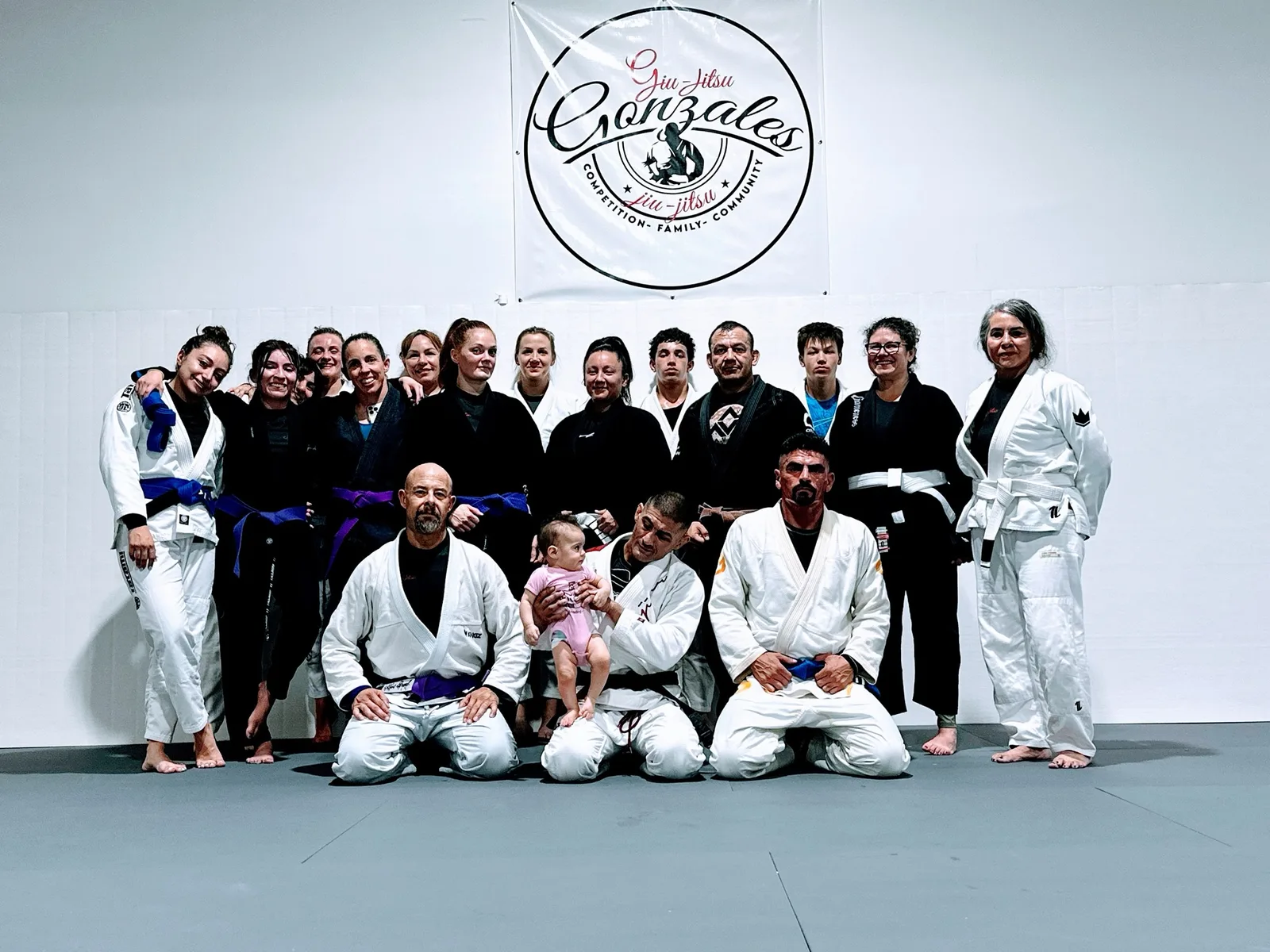
Gi training also tends to move at a slower pace. Because you have more control options through the fabric, submissions take longer to set up and execute. This slower rhythm gives your brain more time to process what's happening and learn the movements step by step—which is exactly why Gonzales JJ recommends at least one gi class per week for beginners, even if you're interested in no-gi eventually.
No-gi training (sometimes called submission grappling or nogi) uses speed and footwork instead of fabric grips. Both have value, but they're genuinely different sports layered on top of the same foundation.
Why Beginners Should Start With Gi Jiu Jitsu
Gi classes are beginner-friendly because the slower pace gives you room to think. You're not getting overwhelmed by speed and athleticism before you understand the basic positions and movements.
The gi itself acts like a training tool. Your opponent can only grab where there's fabric, so your options are limited and organized. That structure makes it easier to learn, because you're not facing infinite possibilities—you're facing a cleaner set of problems to solve.
Grip work also builds hand and forearm strength that carries over everywhere. If you ever train no-gi, you'll have developed strength and control that makes the transition easier, not harder.
What You Need to Get Started in Gi Jiu Jitsu
To train in gi jiu jitsu, you'll need a gi. Look for one built specifically for durability and performance on the mat—not something designed just to look cool or hang in your closet.
A quality gi can last years with basic care (wash in cold water, hang dry). Gis come in different weights and constructions. Lightweight gis are faster and easier to move in. Heavier-duty gis are more resistant to wear and tear from repeated training. Neither is "better"—it depends on your training style and what feels right to you.
You'll also want a rash guard or compression shirt to wear under your gi for hygiene and comfort. Some people train bare-chested under the gi, but most don't recommend it. Slip-on shorts are another common addition.
Beyond gear, you just need a willingness to show up. Most academies, including family-friendly BJJ gyms, offer trial classes so you can experience gi training before committing to anything.
IBJJF Compliance and Competition Gis

If you're thinking about competing in gi jiu jitsu, you'll want a gi that meets IBJJF (International Brazilian Jiu-Jitsu Federation) standards. These rules ensure fair competition and safety across tournaments and events.
Competition-grade gis come in different weights and styles—from lightweight models that prioritize speed to more durable constructions built to withstand intense match pressure. You don't need a competition gi to train, but if you ever want to step into a tournament, your gi needs to be legal.
Start your BJJ journey off (Free Class)
Get Started Today →Your instructor can tell you which gis meet competition standards and which ones are just for training. If you're not sure about competition or tournament rules, ask when you visit your local academy.
Gi Jiu Jitsu for Self-Defense and Personal Growth
Beyond sport and competition, gi jiu jitsu teaches practical skills and builds confidence. The slow, technical nature of gi training means you're learning real problem-solving under pressure—how to stay calm, think clearly, and execute a plan when things get uncomfortable.
This translates to real life. Confidence built through consistent training changes how you carry yourself and how you respond to challenges, on and off the mat.
Many people come to gi jiu jitsu for self-defense, personal discipline, or just to be part of a community that values growth. Whether you're training for competition, fitness, mental toughness, or all of the above, gi training teaches you to be patient with progress and humble about what you don't yet know.
What to Expect in Your First Gi Class
Your first gi class will feel strange. The uniform is heavy, it restricts movement in unfamiliar ways, and you'll feel clumsy. That's completely normal.
A good beginner class starts with basics: how to tie your belt, how to stand, how to grip. Your instructor will show a technique step by step, then you'll drill it with a partner. There's usually a live rolling (sparring) portion at the end, but beginners often drill instead of roll on their first day.
Bring water, wear your gi, and leave your ego at the door. Everyone in the room started exactly where you are. The culture of gi jiu jitsu is built on respect for the process and patience with the journey.
How Often Should You Train in Gi?
There's no single right answer, but consistency beats intensity. Training twice a week is better than training once a week. Training once a week is better than not training at all.
Many gyms offer classes designed for beginners, fundamentals, and advanced students. You can mix gi and no-gi training if your academy offers both, but early on, sticking to gi classes helps you build technique without jumping between two completely different rule sets.
Your schedule and life come first. Find a training rhythm you can actually keep up with. Showing up consistently, even if it's just once or twice a week, will get you better results than sporadic intense training.
Building Community Through Gi Jiu Jitsu
One thing people don't always expect from gi jiu jitsu is the community aspect. You're spending time with the same people, drilling the same techniques, pushing each other to improve. That creates real bonds.
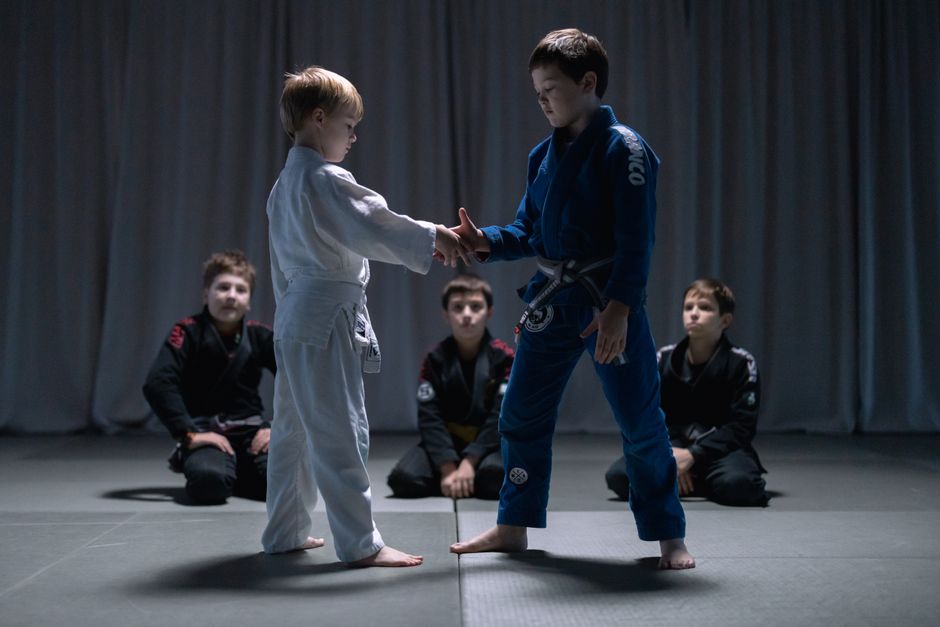
Families often train together in gi classes. Kids learn confidence and discipline. Parents learn alongside their kids or train in separate adult classes. The environment becomes a place where everyone grows and competes together, not against each other.
If you're looking for a training environment that balances competitive excellence with community and personal growth, reach out to Gonzales JJ to learn more about their gi classes and how they structure training for different levels and ages.
Common Questions About Getting Started
Do I need to be flexible or athletic to start gi jiu jitsu?
No. Gi jiu jitsu is about technique, leverage, and timing—not flexibility or athleticism. You'll develop all three as you train. Beginners of all shapes, sizes, and fitness levels start jiu jitsu successfully. Your job on day one is just to show up and be willing to learn.
How long does it take to get good at gi jiu jitsu?
That depends on what "good" means to you. You'll learn recognizable techniques and understand positioning within a few weeks. It takes months to feel comfortable and confident. It takes years to develop real expertise. The timeline is personal, but progress is consistent if you show up and train.
Is gi jiu jitsu safe for kids?
Yes, when taught by qualified instructors in a controlled environment with age-appropriate techniques. Kids learn respect, discipline, and confidence while being challenged in a supportive setting. Many families choose gi jiu jitsu specifically because it builds character and teaches anti-bullying principles through real skill and self-assurance.
Can I train gi jiu jitsu and no-gi at the same time?
Absolutely. Many academies offer both formats. Training in gi first as a beginner gives you a strong technical base, and adding no-gi training later helps you develop speed and adaptability. The techniques overlap more than they differ, and learning both makes you a more complete grappler.
Start your BJJ journey off (Free Class)
Get Started Today →