
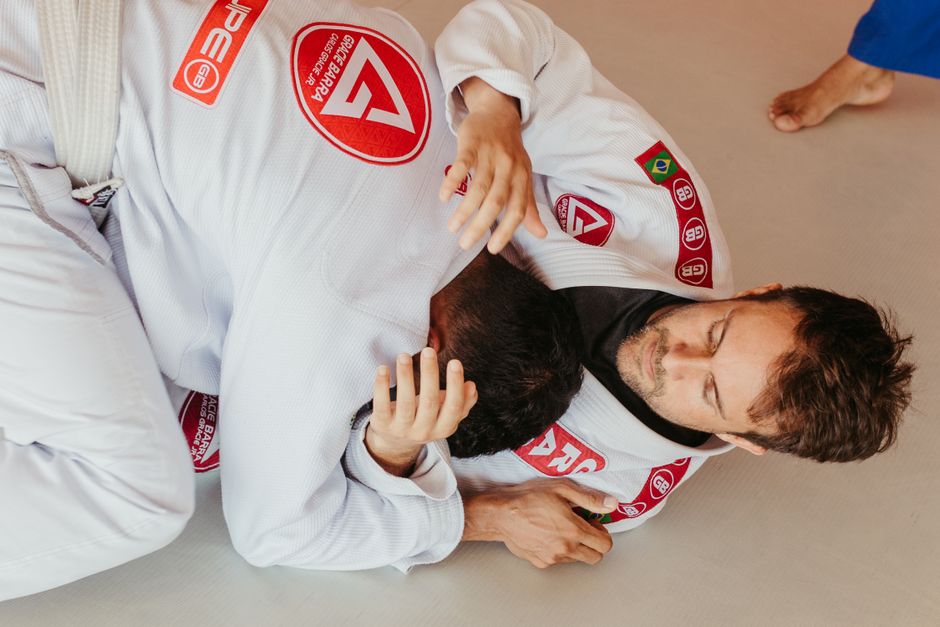
No Gi jiu jitsu is Brazilian Jiu Jitsu practiced without the traditional Gi (kimono uniform). Instead, you wear elastic athletic gear like rash guards, spandex shorts, or compression shirts. The result? A completely different style of grappling that's faster, sharper, and demands you adapt your entire technical approach.
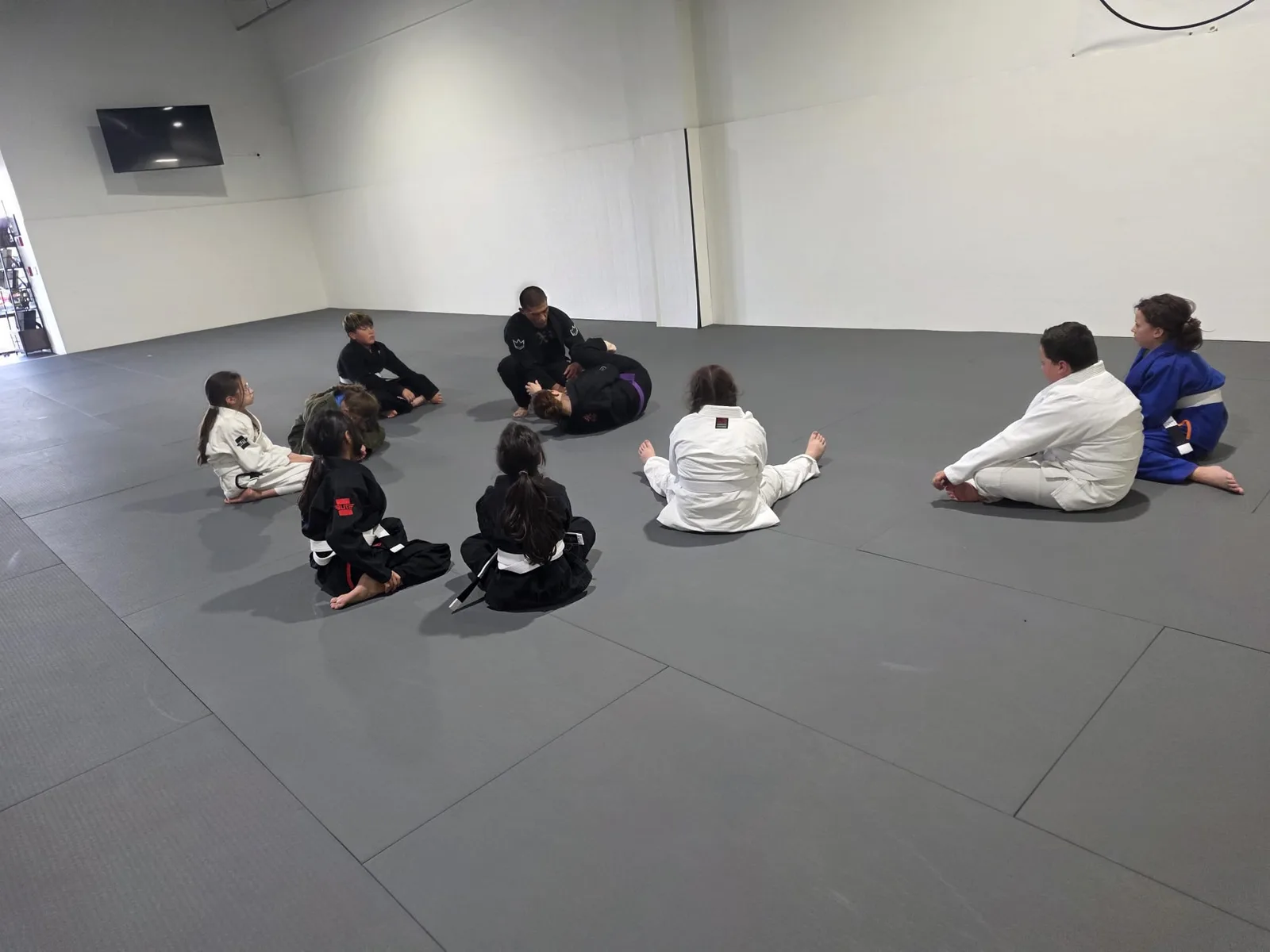
If you've only trained in a Gi, no Gi will feel like a totally new sport at first. The pace is relentless. Your grips change. Your positioning shifts. But that's exactly why it matters—and why Gonzales JJ incorporates both styles into our training programs. The best competitors and self-defense practitioners understand both worlds.
How No Gi Jiu Jitsu Differs From Traditional Gi Training
The biggest difference isn't just what you're wearing. It's how the entire grappling game changes when you remove the Gi fabric.
Related: BJJ Jiu Jitsu: A Beginner's Guide to Getting Started
Related: Best Jiu Jitsu Instructional Videos: A Beginner's Guide
Related: No Gi Jiu Jitsu: Complete Beginner's Guide to Training
Related: Brazilian Jiu-Jitsu Guards: Complete Beginner's Guide
Related: Brazilian Jiu Jitsu Basic Moves: A Beginner's Guide
Grip options collapse. In Gi training, you have dozens of grip possibilities: sleeve grips, lapel grips, collar grips, pant grips. You can slow down exchanges, control your opponent's movement, and set up long-term positional dominance. In no Gi, those grips vanish. You're left with wrist grips, underhooks, overhooks, and body locks. That's it.
Speed skyrockets. Without the fabric to grab and hold, transitions happen in milliseconds. Submissions come faster. Escapes are sharper. You can't lean on grip strength alone to control someone—you have to use leverage, timing, and precise technique.
Positioning feels different. A Gi collar choke becomes a front headlock. A sleeve-based armlock becomes a straight arm attack. You're using the same principles, but your entry points and finishing mechanics shift dramatically.
The Gear You Wear in No Gi Jiu Jitsu
No Gi doesn't mean naked. You're still covered and protected. Here's what most athletes wear:
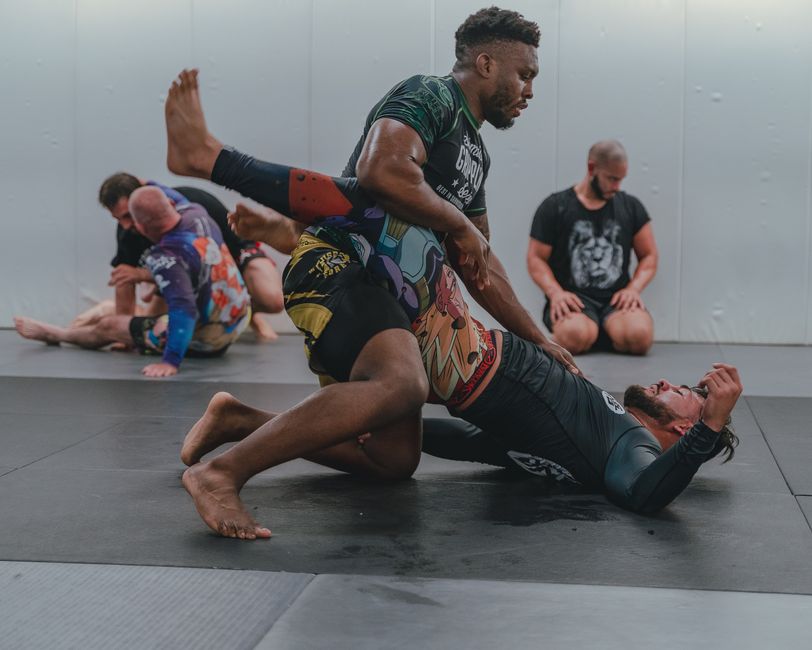
- Rash guards: Tight-fitting compression shirts that prevent skin infections and give you freedom of movement.
- Spandex shorts or tights: Form-fitting bottoms that stay in place during intense grappling.
- Athletic wear: Some gyms allow basic t-shirts and shorts, depending on their rules.
The snug fit is essential. Loose clothing gets grabbed, twisted, and becomes a liability. The elastic material lets you move faster and transition more fluidly than you ever could in a heavy Gi.
Why the Pace Is So Different
Grip options directly control the speed of jiu jitsu. More grips mean more control, which means slower exchanges. Fewer grips mean faster scrambles.
Think of it this way: In Gi training, you might spend 30 seconds establishing a grip, controlling your opponent's posture, and setting up a technique. In no Gi, that same sequence happens in 8 seconds because your opponent can't grab the fabric to defend. They have to move faster, react faster, and their escapes have to be sharper.
This isn't better or worse than Gi training. It's different. And most serious grapplers train both because they teach opposite lessons. Gi teaches patience and grip control. No Gi teaches speed, timing, and real-world applicability.
Key Technique Adjustments You'll Need to Make
If you're used to Gi training, no Gi will humble you fast. Your A-game won't work the same way.
Learn to underhook. The underhook becomes your best friend in no Gi. It lets you control posture, create power, and set up throws and submissions without relying on sleeve grips. Spend time drilling underhook passes, sweeps, and control.
Develop your front headlock game. When you can't grab the collar for a choke, the front headlock (also called a front guillotine entry) becomes your primary submission setup. This is brutal in no Gi and incredibly valuable.
Tighten your leg lock game. No Gi athletes rely heavily on leg locks because arm attacks are harder to finish when your opponent isn't wearing fabric you can use for leverage. Heel hooks, calf slicers, and knee reap attacks become much more central.
Master grip fighting without the Gi. Instead of fighting for sleeve control, you're fighting for wrist control and underhook position. Your hand fighting becomes faster and more dynamic.
At Gonzales JJ, we teach both Gi and no Gi because our competitors and self-defense students need to understand both frameworks. You'll develop faster reflexes and more adaptable problem-solving when you train across styles.
Start your BJJ journey off (Free Class)
Get Started Today →No Gi Jiu Jitsu and Real-World Application
Here's the honest truth: Most self-defense scenarios don't involve someone wearing a Gi. They involve regular clothes, and often very loose or moveable clothing that tears easily.
No Gi training is more directly applicable to real-world grappling situations because you're not relying on fabric grip points. You're using body mechanics, leverage, timing, and pressure. The techniques translate better to situations where your opponent isn't dressed for combat.
This is why first responders and self-defense practitioners benefit so much from no Gi training. The skills transfer more directly to the situations they might actually face.
Gonzales JJ emphasizes practical self-defense and real-world applicability for all our students, which is why we maintain both Gi and no Gi training tracks.
Comparing Gi vs. No Gi: Which Should You Train?
The real answer? Both. But if you're starting out, here's what to consider:
- Choose Gi if: You're interested in traditional BJJ, love technical grip exchanges, or want to compete in Gi tournaments. It's also easier on your skin since the fabric provides a barrier.
- Choose no Gi if: You want faster-paced training, care about self-defense, or are interested in submission grappling and wrestling-heavy styles. It's more athletic and intense.
- Choose both if: You're serious about jiu jitsu and want to develop a well-rounded game that works in any situation.
Most competitive athletes eventually train both. The cross-training effect makes you better at each style because you're constantly adapting and problem-solving in different frameworks.
Getting Started With No Gi Jiu Jitsu Training
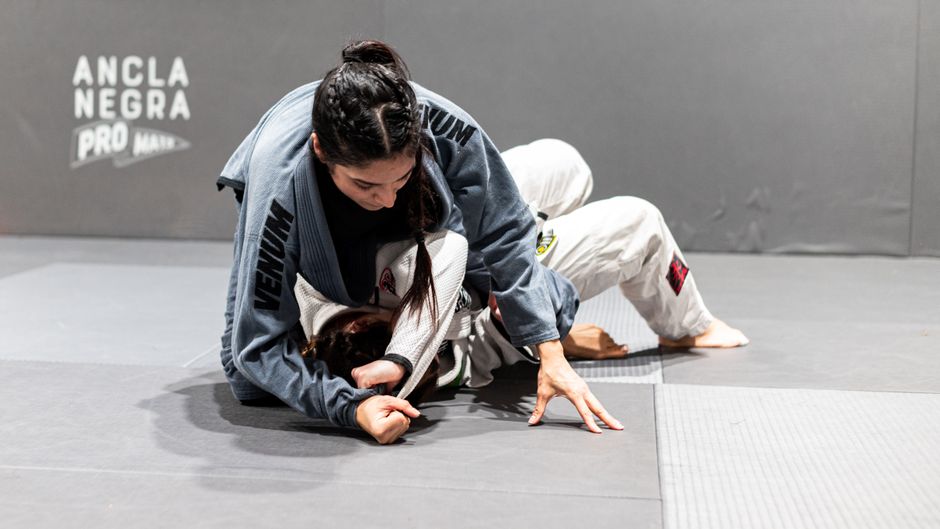
If you're new to no Gi, expect a learning curve. Your muscle memory from Gi training won't directly transfer. But here's the good news: You'll develop new neural pathways, faster reflexes, and a deeper understanding of leverage-based grappling.
Start with the fundamentals. Don't try to use your Gi playbook in no Gi. Learn the foundational positions, grips, and transitions specific to no Gi training. This takes 4-6 weeks of consistent practice before it starts feeling natural.
Embrace the pace. No Gi is faster and more intense. Your cardio will be tested harder. That's the point. You're training your nervous system to react faster and problem-solve under pressure.
Focus on underhooks and leg locks. If you're new to no Gi, these two areas will have the biggest impact on your game. Master these and everything else becomes easier.
Train with technical partners. No Gi submissions are sharper and come faster, so drilling with experienced training partners who can control their intensity is crucial. You want coaches and teammates who can teach you proper technique without injuring you during the learning phase.
When you're ready to explore no Gi training seriously, Gonzales JJ offers personalized instruction for students transitioning from Gi training or starting fresh. Our coaches are world-champion competitors who understand exactly where beginners struggle and how to accelerate your progress safely.
No Gi in Competitive Jiu Jitsu
No Gi competition is massive. Submission grappling tournaments, IBJJF no Gi competitions, and wrestling-based events all use no Gi rulesets. If you're thinking about competing, you'll need solid no Gi skills.
The scoring and rulesets are slightly different than Gi, which adds another layer of strategy. Points are awarded for takedowns, guard passes, and positional control, just like in Gi. But the submission attacks available and the pace of the match are distinctly no Gi.
Many athletes compete in both Gi and no Gi divisions because the tournament opportunities are different. Some prefer one over the other, but most serious competitors maintain skills in both.
Is No Gi Jiu Jitsu harder than Gi?
Not harder—different. No Gi requires faster reflexes and better cardio, but Gi requires more grip strength and patience. No Gi practitioners often find Gi easier because it's slower-paced. Gi practitioners find no Gi overwhelming at first because the speed is intense. After a few months of cross-training, most people find them equally challenging in different ways.
Can you transition from Gi to no Gi easily?
Your foundational knowledge transfers, but your techniques won't work the same way. Expect 4-8 weeks of adjustment where you feel less skilled than you actually are. Your grip-based attacks won't work, so you'll lean heavily on pressure and body positioning until you develop your no Gi-specific toolkit. This is completely normal and happens to everyone.
Do you need special training for no Gi, or is it just Gi without the uniform?
You need focused no Gi training. The uniform being absent changes the entire technical framework. You need specific instruction on underhook positions, front headlock sequences, leg lock attacks, and grip fighting without fabric. Training no Gi on your own without proper coaching will develop bad habits that won't transfer to real instruction or competition.
Is no Gi jiu jitsu better for self-defense?
Yes, in most practical scenarios. Gonzales JJ emphasizes no Gi for self-defense training because the techniques don't rely on someone wearing a Gi. You're learning leverage, body positioning, and submissions that work against an opponent in street clothes. That said, self-defense training benefits from both styles because it teaches you to adapt to any situation—clothed or unclothed, fabric present or not.
Start your BJJ journey off (Free Class)
Get Started Today →