

So you're starting jiu jitsu and have no idea what to throw on. Good news: you don't need to overthink it. The basics are simple—tight-fitting clothes that won't get caught during grappling, moisture-wicking fabric, and supportive undergarments. That's it.
Let's break down exactly what you need depending on whether you're training gi or no-gi, plus some general tips that apply to both.
What to Wear for Gi Training
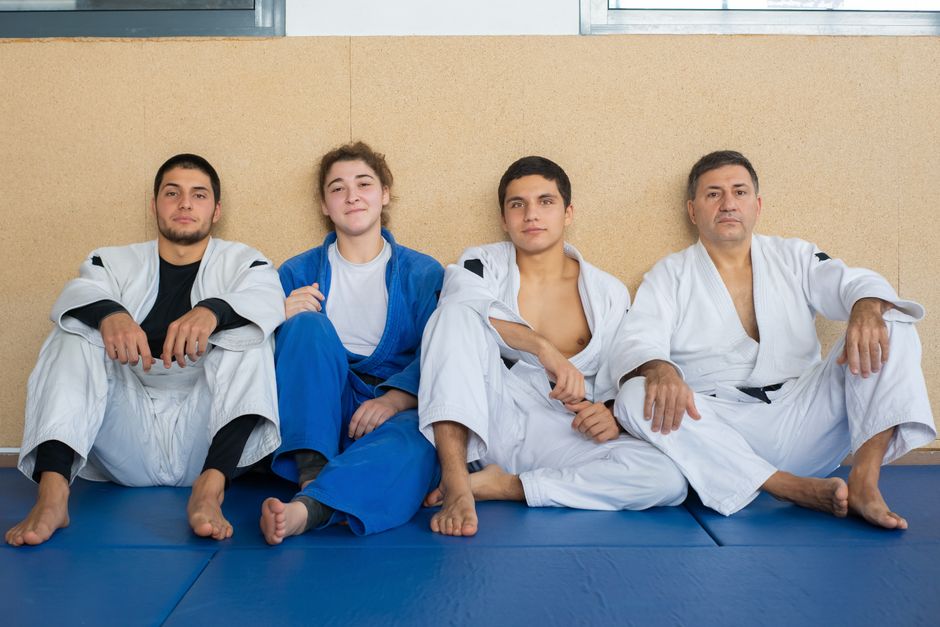
When you're training in a gi (the traditional uniform), you've got a foundation to build on. The gi itself handles most of your coverage, but what you wear underneath matters.
Base Layer: Start with compression shorts or boxer briefs. These keep you supported and prevent chafing during long training sessions. Don't skip this step—it's worth it.
Under Your Gi: Wear a tight-fitting shirt or rash guard. A rash guard is ideal because it's designed to handle sweat and movement, but a regular athletic shirt that fits snug works too. Loose or baggy shirts get tangled up when your training partners are working positions on you.
Bottoms: Your gi pants go over everything. Pair them with your compression shorts or the base layer you chose. Some people just wear the gi pants directly over briefs—whatever feels comfortable and secure to you.
If you're new to jiu jitsu and still figuring out your setup, Gonzales JJ can walk you through what works best for your body and training style when you visit.
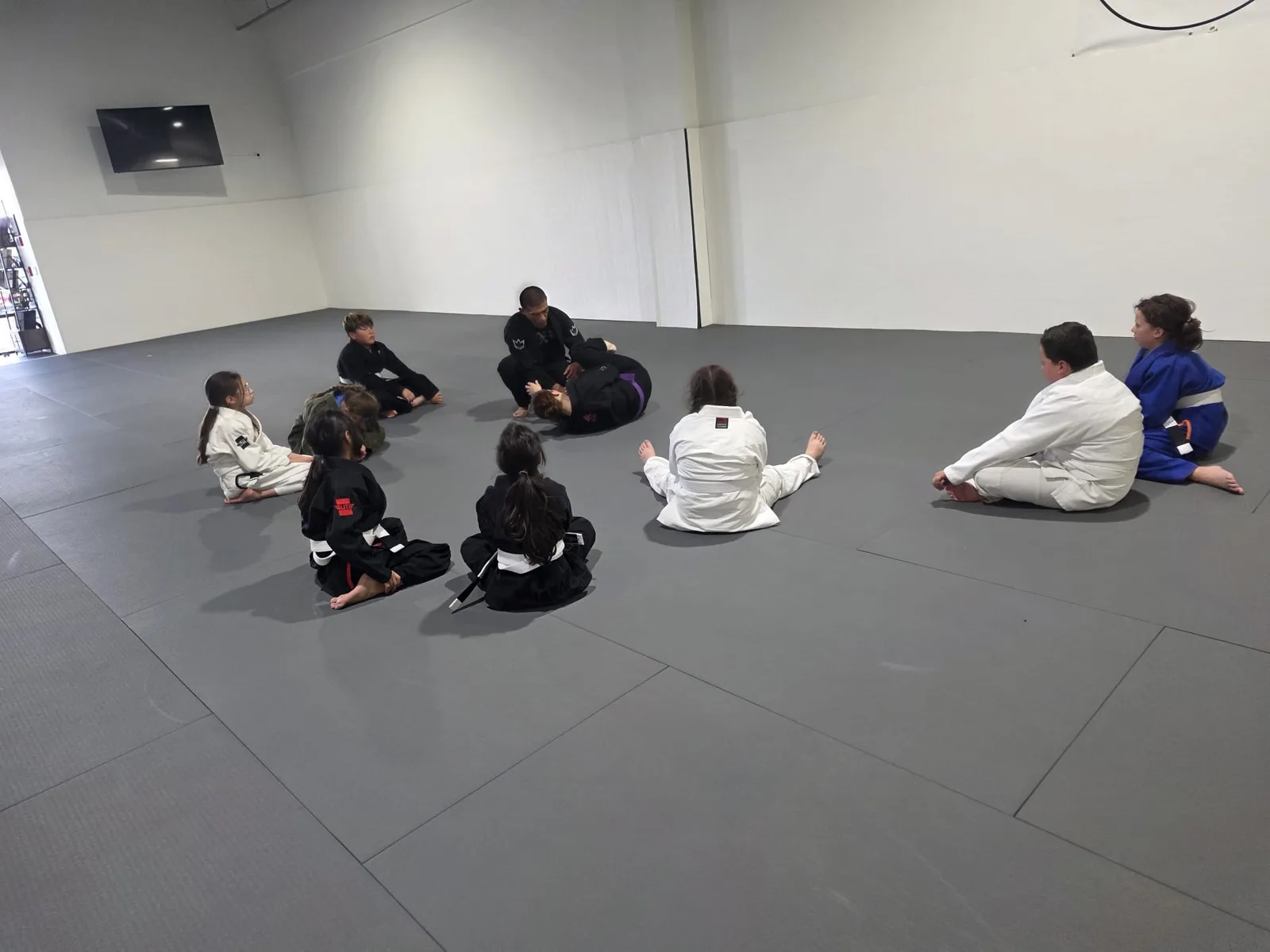
What to Wear for No-Gi Training
No-gi training means no uniform—just you and your training partner, skin to skin. Your clothing needs to be even more dialed in here because there's nothing between you and movement.
For Women: A supportive sports bra is non-negotiable. Avoid loose-fitting styles. You want something that keeps you locked in and comfortable during intense positional work.
For Everyone: Wear a tight-fitting long or short-sleeve shirt. Short sleeves are more popular for no-gi because there's less fabric to get twisted, but long sleeves work if that's your preference. The key word is tight.
Bottoms: Leggings or tight compression shorts. Again, the emphasis is on snug fit. Loose shorts or pants will flap around, get caught, and slow down your training. Your grappling partners need to be able to move without your clothes getting in the way.
Fabric and Fit Matter Most
Whether you're in a gi or training no-gi, two rules dominate: tight fit and moisture-wicking fabric.
Why Tight? Loose or baggy clothing gets grabbed, tangled, and caught during drills and rolling. It slows you down and can actually be a safety issue. Tight clothing moves with your body and keeps the focus on technique, not on adjusting your shorts every thirty seconds.
Why Moisture-Wicking? Jiu jitsu makes you sweat. A lot. Cotton absorbs that sweat and holds it against your skin, which is uncomfortable and can lead to skin issues. Moisture-wicking fabrics (usually synthetic blends) pull sweat away and dry quickly. Your body will thank you, and your training partner will too.
Compression Wear: Beyond comfort, compression shorts and leggings provide support to your muscles and joints. They help you move more efficiently and can reduce soreness the next day. If you're unsure about what compression level you need, the instructors at Gonzales JJ have seen it all and can point you toward what works.
Start your BJJ journey off (Free Class)
Get Started Today →What Not to Wear
Just as important as knowing what to wear is knowing what to leave at home.
Avoid Jewelry: Rings, necklaces, watches, and bracelets can hurt you or your training partners. Take them off before you step on the mat.
Skip the Baggy Stuff: Oversized t-shirts, basketball shorts, or anything loose is a no-go. You need to see your body and move freely.
Don't Wear Jeans or Stiff Pants: Even if they fit tight, denim and similar materials don't breathe and restrict your movement. You need flexibility.
Leave Cologne and Heavy Deodorant Behind: Your training partners are going to be close to you. Keep it minimal and respect the space.
What About Your Gi?
If you're buying a gi, focus on fit and durability. Your gi should be snug but not restrictive. You should be able to move your arms and legs without feeling strangled.
Preshrunk gis are your friend—cotton shrinks, so buying one that's already been shrunk saves headaches. Most people have at least two gis so they can train while one is in the wash.
Don't stress about having the flashiest gi. A solid, well-fitting gi in a neutral color will last you years. The focus at Gonzales JJ is on your technique and growth as a martial artist, not on what your uniform looks like.
Getting Started: Your First Class
If you're attending your first jiu jitsu class and don't have all your gear yet, most academies will let you train in athletic wear—tight shorts and a rash guard or tight shirt. You don't need to buy a gi before you start.
Related: BJJ Jiu Jitsu: A Beginner's Guide to Getting Started
Related: What Is No Gi Jiu Jitsu? A Beginner's Guide
Related: What Is Gi Jiu Jitsu? A Beginner's Guide to BJJ in the Gi
Related: No Gi Jiu Jitsu: Complete Beginner's Guide to Training
Show up clean, wear clothes that fit tight, and bring a towel. That's genuinely all you need.
Once you've trained a few times and you know jiu jitsu is for you, invest in a gi and build your rotation of training clothes. Ask the people around you what they recommend. Your training community knows what works.
A Quick Checklist Before You Train

- Tight-fitting shirt (rash guard or athletic shirt)
- Compression shorts or supportive undergarments
- No-gi: tight leggings or compression shorts
- Gi-training: your gi pants over your base layer
- Moisture-wicking fabric (not cotton)
- No jewelry
- No loose or baggy clothing
- Clean clothes
- A towel
More Questions? Connect With Us
Getting the details right on your first day can ease some of the nervousness. If you're in the Rio Rancho or Albuquerque area and want to see what Gonzales JJ has to offer, stop by and ask the instructors what other beginners typically wear. They'll make sure you feel comfortable and ready to train.
Can I wear cotton to jiu jitsu?
Technically yes, but it's not ideal. Cotton absorbs sweat and takes forever to dry, leaving you uncomfortable and damp during training. Moisture-wicking synthetic fabrics are better because they pull sweat away from your skin and dry quickly. If cotton is all you have for your first class, that's fine—just upgrade when you can.
Do I need to wear a gi right away?
Nope. Most beginners start with no-gi training in regular athletic wear. Gis are great, but they're not required your first day. Once you decide jiu jitsu is your thing, picking up a gi makes sense. There's no rush.
What if I get really sweaty? Will my clothes get gross?
Yes, you will sweat a lot. That's why you bring a towel and wear moisture-wicking clothes. Wash your gear after every class. Taking care of your training clothes keeps them fresher longer and shows respect for the people you train with.
Are there rules about what color gi or rash guard I can wear?
Most academies are flexible about colors. Check with your academy before you buy, but generally white, black, or blue gis and rash guards are standard and always welcome. Some academies have specific requirements, so ask first.
Start your BJJ journey off (Free Class)
Get Started Today →