

The best jiu jitsu gi for you depends on three things: your training style, your body type, and your budget. Whether you're starting out or competing at a high level, picking the right gi makes a huge difference in comfort, durability, and how you perform on the mat.
Let's walk through exactly what to look for so you end up with a gi that actually works for your training.
What Makes a Good Jiu Jitsu Gi
A quality gi isn't just about looks. It's about how the fabric feels, how long it lasts, and whether it fits your body correctly.
The core factors are fabric weight (measured in GSM, or grams per square meter), weave density, and construction quality. These three things determine everything from breathability to toughness.
Most gis fall into three weight categories: lightweight (170 GSM or less), mid-weight (350-400 GSM), and heavy-duty (450+ GSM). Each serves a different purpose, and understanding the difference saves you money and frustration.
Fabric Weight and What It Means for You
Lightweight gis (around 170 GSM) are fast, comfortable, and great for cardio-heavy training. They dry quickly, move with you, and don't feel like you're wearing a heavy coat. If you train multiple times a week or prefer speed and agility, lightweight is your friend.
The trade-off? They wear out faster with heavy use. If you're drilling hard every single day or rolling with aggressive training partners, a lighter gi will show damage sooner.
Mid-weight gis (350-400 GSM) hit a sweet spot. They're durable enough for consistent training but not so heavy that you overheat. Most beginners and intermediate students gravitate here because the balance feels right.
Heavy-duty gis (450+ GSM and beyond) are built for punishment. Premium weaves with reinforced stitching mean these gis laugh at intense training sessions. Competitors who drill daily often choose this category, but fair warning: they're heavier, take longer to dry, and cost more upfront.
Fit and Sizing Matter More Than You Think
A gi that doesn't fit right will sabotage your training. Too loose and your opponent grabs fabric. Too tight and you can't move, you overheat, and the seams stress.
When you try on a gi, the sleeves should end about an inch above your wrist. The pants should hit right at your ankle when you're standing. The jacket should fit snug at the chest without restricting arm movement.
Most quality gi manufacturers (like Gold BJJ, Origin, and others) fit true to size, but always check their size chart before ordering. Every brand has slight variations, and that one inch of extra length or width can change everything about how the gi performs.
If you're between sizes, consider your training style. Go smaller if you like a fitted feel and prefer speed. Go larger if you like room to move and value comfort during long sessions.
Choosing by Your Training Style
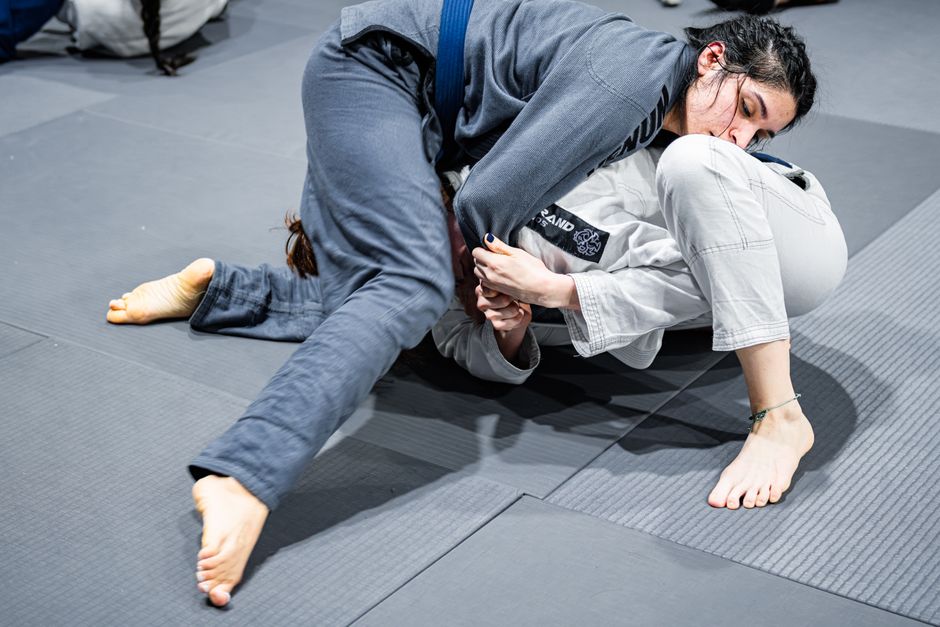
Ask yourself one question: what's your main goal right now?
If you're just starting out: Pick a mid-weight gi in a neutral color (white, blue, or black). You don't need the lightest or heaviest option. Mid-weight is forgiving, durable enough for learning fundamentals, and won't drain your wallet. Focus on proper fit and a reputable brand.
If you train hard multiple times a week: A mid-to-heavy weight gi makes sense. You're putting your gi through serious wear, so durability becomes critical. Premium fabric with reinforced stitching at stress points (collar, sleeves, knees) is worth the investment because your gi will last years instead of months.
If you compete: This is where lighter gis shine. In competition, speed and agility matter. You want a gi that doesn't weigh you down and allows maximum mobility. Many competitors prefer ultralight options (170 GSM or less) specifically designed for the ruleset you're competing under.
If you train for self-defense and technique: A durable mid-weight gi keeps up with your training schedule without being overkill. You're focused on skill development, not competing, so pick something that feels good and lasts.
Top Fabric Options and Weave Types
Not all fabric is created equal. The way threads are woven affects how the gi feels and performs.
Single weaves are lighter and breathe well. They're comfortable for long training sessions but wear faster.
Double weaves are standard. They balance durability and comfort, making them the most popular choice across all skill levels.
Pearl weaves have a textured, almost rippled look. They're durable, resist shrinking, and look professional. They also tend to be pricier.
Ripstop weaves mix standard weave with extra-thick threads in a grid pattern. This gives you durability without the weight of a full heavy weave. They're popular with people who want toughness but don't want to feel like they're wearing armor.
Premium brands often use proprietary weaves designed for specific purposes. Gold BJJ's AeroWeave, for example, was built with lightweight training in mind. Imperial Commander's 450gsm weave focuses on durability for serious grapplers. Each approach targets different needs.
Brand Reputation Matters
Sticking with established brands gives you confidence that your gi will actually hold up. Gonzales JJ trains competitors and students on quality fundamentals, and the same principle applies to gear: quality brands invest in research, testing, and construction that cheaper options skip.
Start your BJJ journey off (Free Class)
Get Started Today →
Gold BJJ, Origin, Balistico, Kore, and Imperial Commander all have solid reputations built over years. They offer warranties or guarantees because they stand behind their products.
New or unknown brands might seem cheaper, but you're often paying for a gi that'll fall apart after six months of real training. The math doesn't work out. Spend a little more upfront and get years of use.
Budget-Smart Buying Tips
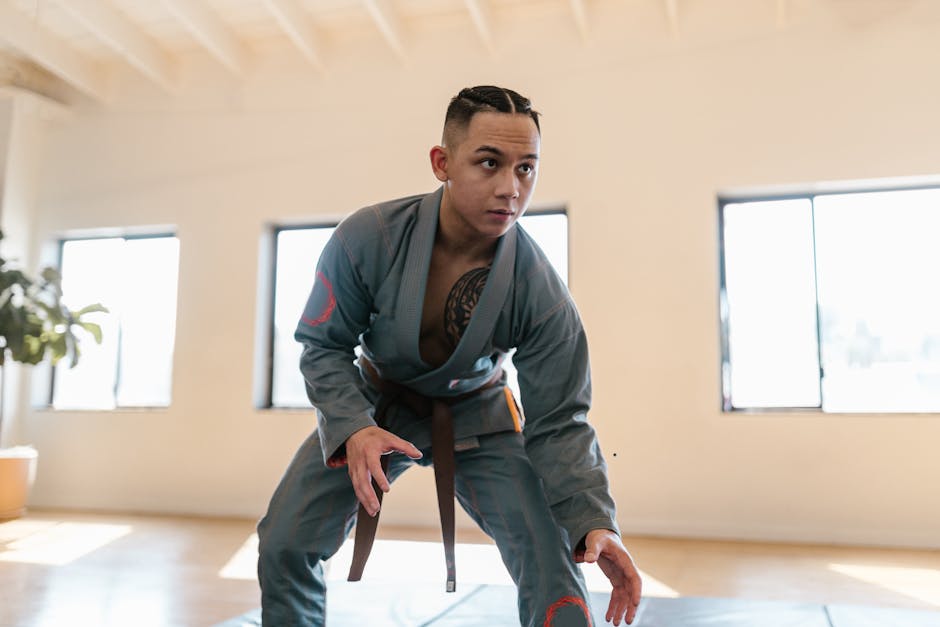
You don't need the most expensive gi to get a great gi. Mid-range options from trusted brands often outperform budget picks by a massive margin.
Look for value-focused brands that don't charge premium prices for aesthetics. Function first, looks second.
Check return policies. Some brands let you order multiple sizes, try them on at home, and return what doesn't fit. That peace of mind is worth something.
Buy from retailers that stock inventory. If a gi is always in stock and getting reviews, it's probably a solid choice. Obscure brands with no feedback are riskier.
Don't fall for marketing hype about "undefeated gi" claims. A gi doesn't win matches. Your technique, cardio, and strategy do. Pick a reliable gi and focus your budget and energy on training.
Care and Durability: Make Your Gi Last
Even the best gi falls apart if you don't care for it properly. Proper care extends the life of your gi by years.
Wash in cold water, gentle cycle. Hot water weakens fabric and causes shrinking.
Hang dry whenever possible. Machine drying damages seams and weakens stitching.
Wash separately or with darks if you have a colored gi. Color bleeding is real.
Don't store a damp gi. Mildew develops quickly, especially in humid climates like New Mexico. Make sure it's completely dry before rolling it up.
If seams start coming loose, get them repaired early. A small stitch problem becomes a huge rip if you ignore it. Most martial arts shops offer repair services for cheap.
Finding Your Perfect Match
The best jiu jitsu gi is the one you'll actually wear and that supports your training goals. Start by identifying whether you need lightweight, mid-weight, or heavy-duty based on how hard you train.
Then pick a reputable brand and size correctly using their size chart. If fit is tricky, lean toward the larger size and have it tailored if needed.
Finally, take care of it. Wash cold, dry slow, and store dry. A well-maintained gi from a quality brand will serve you for years.
When you're ready to find your training home and dial in your technique alongside quality instruction, Gonzales JJ welcomes grapplers of every level. Good gear supports good training. Both matter.
People Also Ask
What fabric weight is best for beginners?
Mid-weight fabric (350-400 GSM) is ideal for beginners. It's durable enough to withstand regular training as you're learning, comfortable enough that you won't overheat during long classes, and priced reasonably so you're not investing huge money before you know if BJJ is for you. As you progress, you can experiment with lighter or heavier options based on your training style.
How tight should a jiu jitsu gi fit?
Your gi should fit snug but not restrictive. You should be able to raise your arms fully overhead without the gi riding up or feeling tight. Sleeves end about an inch above your wrist. Pants hit at your ankle. The jacket fits close to your chest but allows full arm movement for technique. If you can't move freely or your opponent can grab excess fabric, the fit is wrong.
Why do some gis cost so much more than others?
Higher prices usually reflect better materials, superior construction quality, and durability testing. Premium gis use thicker, better-woven fabric, reinforced stitching at stress points, and often come from brands with decades of experience. They last longer and perform better under intense training. Budget gis save money upfront but often fall apart quickly, making the cost-per-year much higher.
Can you wash a jiu jitsu gi in hot water?
No. Hot water damages the fabric, weakens seams, and causes shrinking that can make your gi unwearable. Always use cold water and a gentle cycle. Hang dry rather than machine drying. These simple steps dramatically extend the life of your gi and keep it looking and performing like new for years.
Start your BJJ journey off (Free Class)
Get Started Today →