
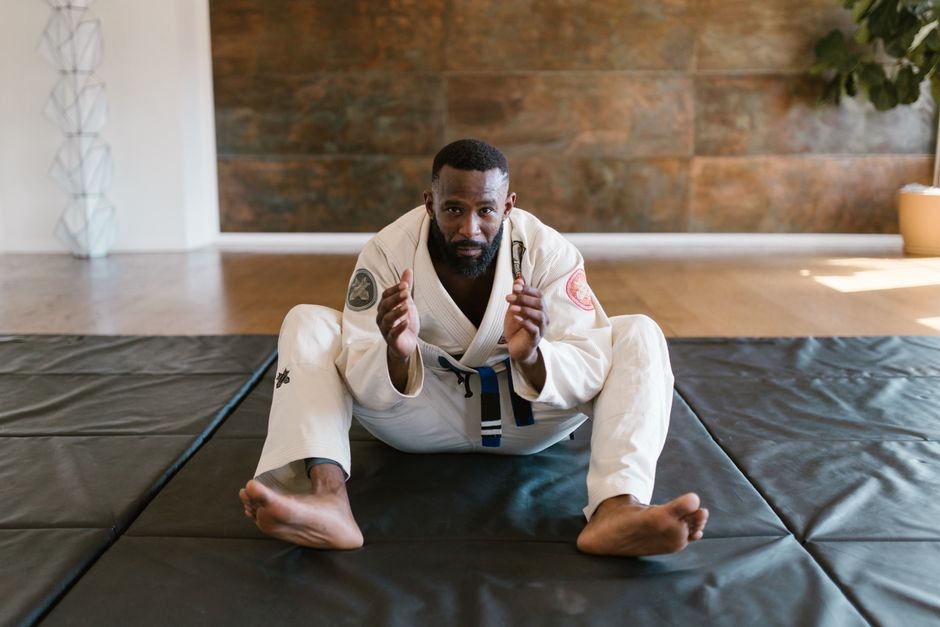
Your jiu jitsu gi is basically your uniform and your armor at the same time. It's not just something you throw on before class—the right gi directly affects how you move, how your opponents grip you, and how long your gear lasts through hard training. Whether you're just starting out or you've been rolling for years, knowing what makes a good gi matters way more than you'd think.
What Makes a Quality Jiu Jitsu Gi?
A quality gi comes down to three main things: fabric, construction, and fit. The fabric needs to be durable enough to handle repeated grappling, wrist locks, and collar grabs without tearing or pilling after a few months. The stitching—especially at stress points like the shoulders, sleeves, and collar—needs to hold up through intense rolling sessions.
Fit is where most people mess up. If your gi is too loose, your training partners can grab it way too easily and use it against you. If it's too tight, you can't move properly, your range of motion gets cut down, and you'll feel restricted the whole class. The sweet spot is snug but not suffocating.
Pre-shrunk fabric is now standard in quality gis, which is huge. That means when you wash and dry your gi at home, it holds its size instead of shrinking down and becoming unwearable. That consistency matters a lot if you're training multiple times a week.
IBJJF Compliance: Do You Need It?
If you're planning to compete in official tournaments, your gi has to meet International Brazilian Jiu-Jitsu Federation standards. That's non-negotiable. IBJJF rules set specific limits on sleeve length, pant length, collar thickness, and gi color.
Related: Brazilian Jiu Jitsu Ranks Explained: Your Complete 2026 Guide
Related: Youth Jiu Jitsu Gi: Complete Guide for Young Athletes
Related: Jiu Jitsu Half Guard: Complete Beginner Guide
Related: Brazilian Jiu Jitsu No Gi: Complete Training Guide
Most reputable gi brands build their products to meet these standards from the jump. Hyperfly and Elite Sports are two solid examples—both have established track records of producing tournament-legal gis that also perform great in everyday training. Always check the product description before you buy, especially if competition is part of your plan.
If you're training purely for fitness, self-defense, or personal growth and not competing, IBJJF compliance is less critical, but getting a standards-compliant gi anyway means you've got options down the road if you ever want to test yourself in a tournament.
Finding the Right Fit for Your Body
Gi sizing is weird because it's not like regular clothing. Brands use different sizing systems, so a size A2 from one company might fit totally different from another brand's A2. That's why reading the exact measurements (jacket length, sleeve length, pant inseam) matters more than just grabbing a size based on your height and weight.
When your gi jacket is on and buttoned, your sleeves should hit your wrist with just a tiny bit of fabric past your hand. Your pant legs should end right at your ankle. The collar should sit snug against your neck without choking you out. If you're shopping online, cross-reference the measurements with your own gi (if you have one) or measure yourself with a soft tape measure.
A lot of people don't realize that fit affects your whole training experience. Gonzales JJ takes fit seriously because we see firsthand how the right gear builds confidence, especially for newer students. When your gi fits right, you can focus on technique instead of fighting with your clothes.
Start your BJJ journey off (Free Class)
Get Started Today →
Fabric Weight and Durability

Gis come in different weights: lightweight, mid-weight, and heavy-duty. Lightweight gis are more comfortable in hot training spaces and reduce fatigue during long sessions. They're perfect if you train multiple times a day or in a warm climate. The trade-off is they're slightly less durable than heavier options.
Mid-weight gis are the all-purpose sweet spot for most people. They balance durability with comfort and work well in any training environment. Heavy-duty gis are designed for intense rolling and competitive training where durability is the top priority.
Quality fabric construction directly affects how long your gi lasts. Look for gis made with reinforced stitching at the collar, sleeves, and pant cuffs. These are the spots that take the most wear. A good gi should handle years of regular training without falling apart.
Top Brands Worth Your Money
You don't need to buy the most expensive gi on the market, but buying something from a trusted brand saves you headaches later. Hyperfly is known for clean construction and thoughtful design. Elite Sports focuses on performance engineering and makes gis that hold up well through competitive training.
What these brands have in common is consistency. Their sizing stays true, their fabric doesn't fall apart, and they stand behind their products. When you're investing in something you'll wear dozens of times a year, buying from companies with solid reputations makes sense.
Complete Your Setup: Rash Guards and Extras
Your gi is just part of the picture. A quality rash guard underneath protects your skin from mat burn and gi friction. It also keeps you cleaner (less sweat directly on the mat) and helps with temperature regulation. Most training partners appreciate when everyone wears them because it means fewer skin infections getting passed around.
Some people also grab compression shorts or spats to wear under their gi pants. It's not required, but if you're training hard multiple times a week, extra protection feels good. Check what Gonzales JJ recommends for your specific training style—we can point you toward setups that work for beginners versus competitive athletes.
How to Care for Your Gi
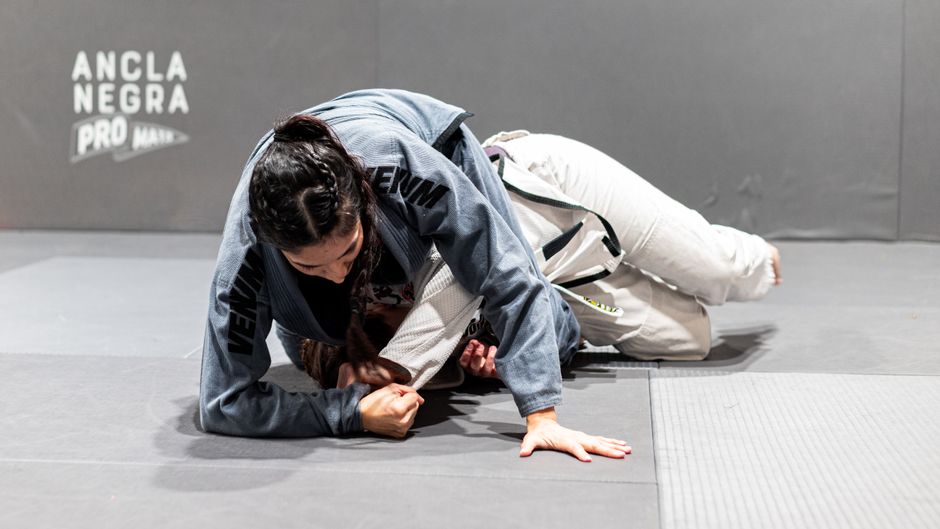
A gi can last years if you treat it right. Wash it in cold water and hang it to dry instead of using the dryer. High heat breaks down fabric over time. Don't use bleach or fabric softener—both damage the material. Air drying takes longer but keeps your gi in better shape.
If your gi smells weird or gets stained, deal with it fast. Let it soak in cold water with a little white vinegar before you wash it. Regular care keeps your gear fresh and extends its life.
Budget Expectations
You can find decent gis for around $100-$150. Mid-range options (the ones we'd recommend) typically run $150-$250. High-end competition gis can go beyond that, but unless you're competing seriously, you don't need to spend that much.
Think of your gi as an investment in your training. Buying something cheap that falls apart after three months ends up costing more than spending a bit extra on something that lasts. We've seen students at Gonzales JJ get way more out of their training when they've got gear they trust and that fits right.
What to Avoid When Shopping
Don't buy a gi just because it looks cool. Flashy designs don't make you a better grappler. Focus on fit, fabric quality, and construction instead.
Avoid sizing up too much thinking you'll grow into it or that loose is more comfortable. It's not. You'll regret it on the mat.
Don't skip the measurements just because a brand has good reviews overall. Sizing inconsistencies happen even with trusted companies. Cross-check the numbers against your body or an existing gi every single time.
Getting Started With the Right Gear
When you're ready to train, having a gi that fits and feels solid gives you confidence from day one. Whether you're training for competition, self-defense, fitness, or just because you want to be part of a community that builds winners on and off the mat, your gear should support that journey, not get in the way.
The team at Gonzales JJ understands that gear matters, especially for families and newer students who are building their foundation in jiu jitsu. If you've got questions about which gi fits your training style or body type, we're here to help you get set up right.
People Also Ask
What size jiu jitsu gi do I need?
Gi sizing depends on your height and weight, but the key is measuring yourself and comparing against the actual measurements listed by the brand. Your jacket sleeves should end at your wrist, and your pant legs should hit your ankle. Don't just guess based on your regular clothing size—measure twice, buy once.
Are expensive jiu jitsu gis worth it?
Not always. A mid-range gi from a trusted brand will serve you better than a cheap one that falls apart, but you don't need to spend $300+ unless you're competing at high levels. Focus on fit and durability over brand prestige.
Can I wash my gi in hot water?
Cold water is better. Hot water can damage the fabric and cause shrinking even in pre-shrunk gis. Hang dry instead of using the dryer to keep your gi lasting longer.
Do I need a rash guard with my gi?
It's highly recommended. A rash guard protects your skin from friction, keeps you cleaner on the mat, and helps prevent skin infections. Most training partners and gyms appreciate when everyone wears one.
Start your BJJ journey off (Free Class)
Get Started Today →