
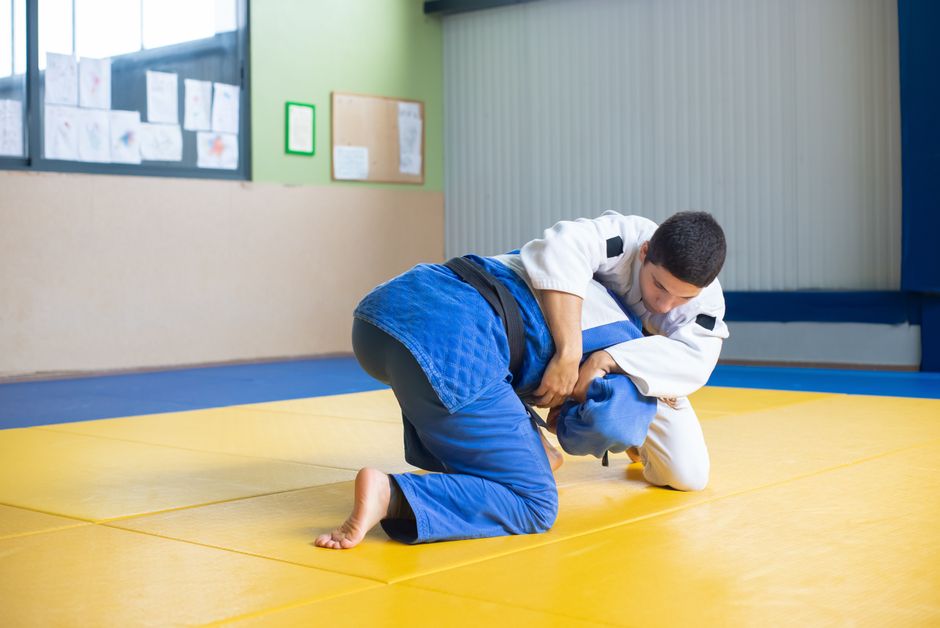
The best jiu-jitsu academy for you is one where skilled instructors teach solid technique, students progress at a healthy pace, and the community feels welcoming whether you're a beginner or a competitor.
But finding that place takes more than a quick Google search. You need to know what actually matters in a gym, what red flags to watch for, and what questions to ask before you sign up. Let's walk through it.
What Makes a Top Jiu-Jitsu Academy
A best jiu-jitsu academy doesn't just have fancy equipment or a big name. It has three things that matter most: qualified instructors, clear training structure, and a culture where people actually grow.
Related: Best Jiu Jitsu Gi: What to Look For When Choosing
Related: Best Brazilian Jiu-Jitsu for Beginners in Rio Rancho, NM
Related: Best Jiu Jitsu Gis: What to Look For in 2026
Related: Best Jiu Jitsu Gym: What to Look For in 2026
Qualified instructors are the foundation. They should have real competition experience, a solid rank in BJJ, and the ability to break down techniques so that beginners get it and advanced students still learn something new. An instructor who can teach everyone in the room is rare and worth the effort to find.
Clear structure means your academy has defined classes for different levels, a transparent path to promotion, and programs that address what you actually want to learn. Whether you're interested in self-defense, competitive training, fitness, or teaching your family martial arts discipline, the best academy aligns its classes with those goals.
Culture beats facilities. A gym can have perfect mats and new equipment, but if the vibe is all ego and grinding egos, it's not the place for you. Look for gyms where upper belts help lower belts, where people celebrate each other's progress, and where hard rolling doesn't mean reckless rolling.
Instruction Quality and Instructor Experience
When you visit an academy, watch a class before you join. Pay attention to how the instructor teaches.
Do they explain the why behind each technique, or just show and tell people to drill? Do they walk around and correct form, or do they stand in the corner? Can they adjust explanations for different body types and ages? That matters.
Ask instructors about their background. How long have they trained? What's their rank? Have they competed? An instructor with competition experience understands pressure, timing, and problem-solving in ways that pure technique knowledge alone doesn't teach.
Also check if the academy offers specialized instruction. Top academies have separate programs for kids, beginners, advanced students, and competitors. One instructor teaching everyone at once usually means nobody gets what they need.
Training Programs and Class Structure
Your academy should offer classes for your specific situation. Are you a parent looking for kids' classes? An adult beginner? A competitor? A first responder interested in practical self-defense?
The best gyms run structured programs where you progress from fundamental techniques to more complex positions. You should know exactly what you're working on each week and how it connects to your long-term goals.
Class size matters too. A fundamentals class with 30 people limits how much one-on-one feedback you get. Smaller classes in advanced levels make sense, but beginners need attention. Look for academies that cap beginner classes so everyone gets coached, not just ignored.
Also ask about flexibility. Can you take classes at times that fit your schedule? Do they offer drop-in rates if you're traveling? The best academy wants you to train consistently, so they make it realistic to show up.
Promotion Standards and Progression
In jiu-jitsu, your belt rank means something. The best academies have clear, published standards for promotion. You should know what skills, techniques, and time commitment each belt level requires.
Be cautious of academies that promote too quickly or too slowly. Fast promotions can feel good short-term, but they undermine the value of the rank. Slow promotions frustrate students and suggest the academy's standards aren't clear.
A solid academy should explain exactly why you earned a promotion or why you're not ready yet. There should be no mystery. You should be able to see your progress and know what to work on next.
Community and Student Outcomes

Walk into the academy and observe. Do people seem happy? Do they arrive early and stay late? Do higher belts help lower belts, or are there cliques?
The best jiu-jitsu academy produces students who grow on and off the mat. They become more confident. They solve problems better. They respect each other. When you talk to current students, ask them why they stay. That answer tells you everything.
Family-friendly gyms are also a good sign if you plan to train with kids or partners. Programs that include bully prevention for children, self-defense education, and character building show that the academy thinks beyond technique alone.
Facility Safety and Hygiene
This one's simple. The mats should be clean. The bathrooms should be clean. Equipment should be in good condition, not held together with tape.
Ask about their hygiene protocol. How often are mats cleaned? What's the policy on skin infections? A casual answer here is a red flag. Top academies take cleanliness seriously because they respect their students' health.
Check if the facility has proper ventilation too. Good air flow keeps the room from getting too humid and stuffy, which matters during intense training.
Price and Value
Don't choose an academy based on being the cheapest. You usually get what you pay for. Instead, think about value: are you getting experienced instructors, structured programs, good facilities, and a supportive community?
A more expensive gym with world-class instruction is often a better long-term investment than a cheap gym where you waste time and don't progress. When you're ready to explore options, visit Gonzales JJ to see how personalized instruction and community-focused training fit your needs.
Start your BJJ journey off (Free Class)
Get Started Today →
Ask about different membership options. Some academies offer monthly plans, quarterly discounts, or family rates. Some let you try a free class or two. Take advantage of trial periods to make sure the fit is right before you commit.
Red Flags to Watch For
Some warning signs suggest an academy isn't the best fit for you:
- Instructors who won't explain things clearly or get defensive when asked questions
- No clear ranking system or promotion standards
- Dirty mats or poor facility conditions
- An atmosphere where injuries happen regularly or reckless training is celebrated
- Classes that feel like open roll with no structured teaching
- Students who complain they never get feedback or attention
- High turnover, especially among beginners
If you sense any of these, keep looking. There are better options out there.
How to Evaluate an Academy You're Considering
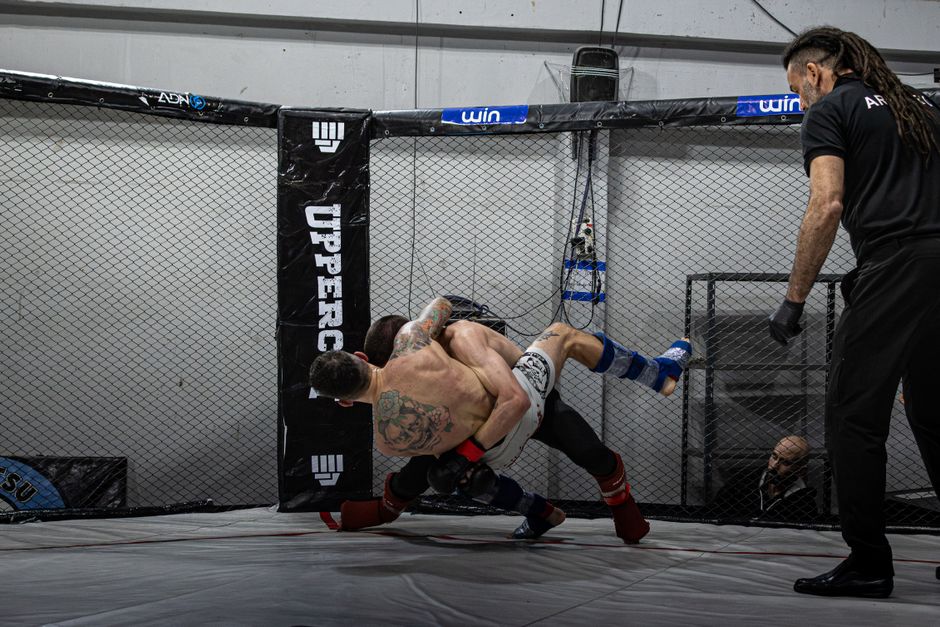
Here's a simple checklist to use when you're looking at a new academy:
- Watch a class. Does the instruction feel clear and organized?
- Talk to current students. Are they happy? How long have they trained?
- Ask about instructor credentials and experience.
- Review the class schedule. Does it fit your life?
- Ask about promotion standards. Can they explain them clearly?
- Check the facility. Is it clean and well-maintained?
- Test the vibe. Do people seem friendly and supportive?
- Ask if you can try a free or low-cost intro class.
Take your time. You might visit three or four academies before you find the right one, and that's normal. The best jiu-jitsu academy is the one where you'll actually show up and train consistently, so trust your gut.
What to Expect When You Start Training
Once you pick an academy, here's what solid training looks like:
Your first few weeks should feel manageable, not overwhelming. Good academies teach fundamentals slowly and let you drill without pressure.
You should get feedback from instructors. They notice what you're doing right and what needs work. That's their job.
You'll roll (spar) with partners who match your level and intensity. Beginners roll with beginners at light pressure. Nobody should be hurt on day one.
You'll see other students progress. New people arrive regularly. People stick around because they're improving and enjoying the community.
Over weeks and months, technique starts to feel natural. Your fitness improves. Your confidence grows. That's the sign you found the right place.
Questions to Ask an Academy Before You Join
Don't be shy about asking these:
- "What's your promotion criteria and how often do you promote students?"
- "How long have the head instructors trained and competed?"
- "Do you have separate classes for beginners, kids, and advanced students?"
- "What's your approach to rolling and safety?"
- "Can I try a class before I commit to a membership?"
- "What's your policy on schedule flexibility or vacation time?"
A confident, transparent academy answers these easily. If an owner gets defensive or vague, that's telling you something.
Why Location and Timing Matter
The best jiu-jitsu academy is also one you can actually get to. If it's 45 minutes away during rush hour, you'll skip classes when life gets busy. Pick an academy close enough to become part of your routine.
Class times matter too. If all the programs you want are at times you can't make, you'll struggle to stay consistent. A gym with multiple sessions throughout the day gives you flexibility to build training into your schedule, not around it.
Is the Best Jiu-Jitsu Academy Always the Biggest or Most Famous?
Not necessarily. A big academy might have excellent instruction, but it can also feel impersonal. A smaller, newer academy can offer tighter community and more attention to individual students. The "best" depends on what matters most to you.
How Do I Know if an Academy's Instruction Quality is Actually Good?
Watch a class. Do students seem to understand what they're doing? Do higher belts move with control and precision? Do lower belts look engaged, not confused? Does the instructor adjust for different body types? Those are signs of solid teaching. If you're still unsure after visiting, ask other academies in your area for opinions (most jiu-jitsu people are willing to give you honest feedback).
What Should I Look for in an Academy That Teaches Kids and Families?
Look for separate kids' classes with age-appropriate instruction. Ask if the academy teaches anti-bullying and confidence building alongside technique. Check if they welcome family atmospheres where parents can train nearby. Family-friendly academies also emphasize control and safety over intensity.
How Often Should I Train to See Real Progress?
Consistency beats frequency. Training twice a week, every week, will get you much better results than sporadic intense sessions. Most academies recommend at least two classes per week for beginners. Three to five classes per week is typical for people serious about competing or advancing faster.
Start your BJJ journey off (Free Class)
Get Started Today →