
If you're starting jiu jitsu or upgrading your gear, picking the right gi is one of the most important decisions you'll make. Your gi isn't just uniform—it's your training partner. A well-chosen gi keeps you comfortable, lasts through hundreds of rolls, and can actually improve how you train. Let me walk you through what separates a solid gi from one that'll frustrate you after a few months.
What Makes a Good Jiu Jitsu Gi?
A quality gi comes down to a few core things: fabric weight, durability, fit, and comfort. You want something that can take the constant friction of training without falling apart, but not so heavy that you're soaked in sweat after five minutes.
The best gis balance these competing needs. They use thoughtful fabric construction—usually a blend of cotton and sometimes a bit of polyester—that resists ripping while staying breathable. The stitching matters too. Look for reinforced seams at stress points like the collar, sleeves, and pant legs.
Fit is personal, but a properly sized gi should be snug without restricting movement. Your sleeves should end about two inches above your wrist. Your pants should hit around your ankle. Too loose and you're giving up control; too tight and you can't move.
Understanding Gi Weight Categories
Gis come in three main weight categories: lightweight, midweight, and heavyweight.
Lightweight gis are great if you run hot, train in warm climates, or prefer faster movement. They dry quickly and feel less restrictive. The tradeoff? They don't last quite as long under heavy use. If you're training 4+ times a week, a lightweight gi might need replacing sooner than heavier options.
Midweight gis are the sweet spot for most people. They offer solid durability, reasonable breathability, and good longevity. This is what most practitioners grab if they're building a collection or training multiple times per week.
Heavyweight gis are built to last. They're denser, tougher, and can handle years of intense training. The downside: they're thicker, take longer to dry, and can feel restrictive if you're smaller or prefer quick movement.
Key Features to Prioritize
Beyond weight, pay attention to these details when comparing options:
- Collar construction. A reinforced collar resists fraying and holds its shape through collar drags and grips. Look for double-stitched or wrapped collars.
- Sleeve durability. Your sleeves take a beating. Reinforced cuffs and extra stitching at stress points add years of life.
- Pant construction. Heavy-duty fabric on the knees and thighs matters if you're doing a lot of knee reaping or leglock work. Some gis add extra layers in these zones.
- Shrinkage factor. Most gis shrink slightly when washed. Check the brand's sizing guide and account for this. Buying one size up might make sense depending on the manufacturer.
- Color and design. This is personal, but lighter colors hide stains less. Darker gis look sharper longer. Some academies have gi color requirements, so check before buying.
Popular Brands and What They Offer
You've got solid options across different price points and styles.
Gold BJJ is a name you'll see repeatedly in training rooms. Their AeroWeave line gets consistently positive feedback from people with years of experience. Lightweight construction is their thing—if you like feeling mobile and breathing well, this is worth checking out. These gis sit at a competitive price point and hold up well through regular training.
FUJI Sports positions itself as a premium option. They offer specialized gis designed for different body types and training styles, plus they stock rashguards and complementary gear. If you want options tailored to your specific needs, they've got a deeper lineup.
Origin makes gis for different goals. Whether you prioritize competition, comfort, or durability, they've got models aimed at those specific things. Their approach is to build options rather than force everyone into one design.
Other respected names include Kingz, Scramble, and Tatami. Most of these brands have been around long enough that their gis show up regularly in legitimate training academies. That's usually a good sign—if instructors and serious students are wearing it, it probably works.
What Women Need to Know About Gi Selection
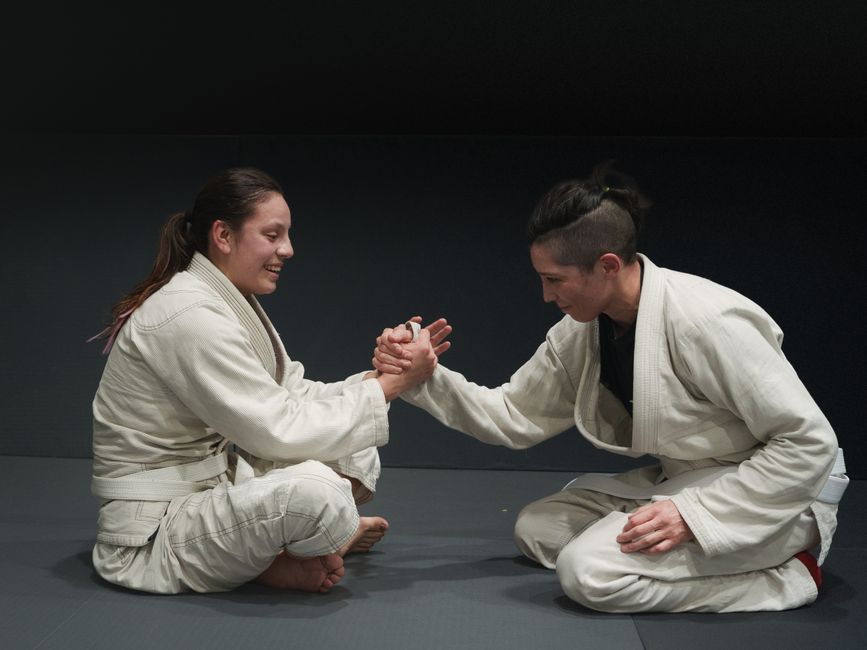
Women-specific gis are available and worth considering. They're cut differently to fit female body proportions—shorter torsos, narrower shoulders, tapered at the waist. A lot of women try standard men's gis first and end up frustrated with fit.
The good news: women-specific options now come from most major brands. They're designed to meet professional-level training demands, so you're not sacrificing durability or quality. The fit difference alone usually justifies the choice. You move better when your gi actually fits your body.
Building a Gi Collection Over Time
If you're committing to training, think about owning more than one gi. Here's why: washing and drying take time. If you train multiple times per week, you need backup gear. A lot of experienced practitioners rotate through 2-3 gis, which also spreads wear and extends the life of each one.
Your first gi should be something solid but not necessarily the most expensive option. Once you know your preferences—how you like the fit, what weight feels good, whether you run hot—your second gi can be more specialized. Maybe a lighter one for summer training or a heavier one for competition prep.
How to Choose Based on Your Experience Level

If you're brand new, buy something mid-range and midweight. You don't know what you'll prefer yet, so don't overspend. A solid Gold BJJ gi or similar brand gives you a reliable training tool while you figure out your style.
If you've been training a year or more, you know what works for your body and your training schedule. This is when you can get specific—maybe a lightweight for frequent training, or something with extra knee reinforcement if you're working leg lock heavy positions.
If you're competing, you might invest in a competition gi. These are built with tighter tolerances for match regulations and often come with better aesthetics. They're also useful for important training sessions at Gonzales JJ or any serious academy where you want to train at match intensity.
Start your BJJ journey off (Free Class)
Get Started Today →
Price vs. Value
You don't need to spend $300 on a gi to get something good. Solid options exist under $150. That said, the cheapest gi on the internet might not be the best deal. A $129 gi from a reputable brand that lasts two years beats a $79 gi that falls apart in six months.
Think about cost per wear. If you train three times a week for two years, that's over 300 training sessions. A $130 gi costs less than 50 cents per session. A cheap gi that craps out after 100 sessions costs more per wear, even if the upfront price was lower.
Care and Maintenance Extend Gi Life
Buying the right gi is half the battle. How you care for it matters just as much. Wash in cold water when possible—hot water accelerates shrinkage. Air dry when you can instead of the dryer. Hang drying adds years to gi life.
Inspect your gi regularly. Small rips get bigger fast during training. If you catch a small tear early, you can stitch it before it becomes a real problem. Most academies have people who can help with basic repairs.
Store your gi dry. Never leave it wet in a gym bag. That's how you get mold and permanent odors. Get a gear bag with ventilation if you're training multiple times per week.
Where to Start Your Search
Most established BJJ retailers carry the main brands. Read reviews from people with actual training experience, not just random internet opinions. Look for comments about durability, fit, and how the gi holds up after months of use.
If you're training at a quality academy, ask your instructors what they wear and why. They've tested multiple gis and can give you practical feedback based on real training.
People Also Ask
How often should you replace a jiu jitsu gi?
It depends on training frequency and care. If you train 3-4 times weekly, a good gi typically lasts 2-3 years before it needs replacing. Heavy users might replace annually. Lighter users might get 4+ years from one gi. Look for signs: fraying collars, tears that keep reopening, loss of shape, or chronic odor issues even after washing.
Does gi size matter for performance?
Research on martial arts training shows that proper equipment fit improves movement efficiency and reduces injury risk. A poorly fitting gi restricts your range of motion or gives opponents unintended gripping opportunities. Proper fit means you move more freely and train safer.
Can you wash a new gi before wearing it?
Yes, and some people recommend it. Washing removes excess dye and sizing agents. If you're worried about shrinkage, wash once in cold water, air dry, and see how it fits. This also softens the fabric slightly, making it more comfortable for first training. Just don't use hot water—that's where serious shrinkage happens.
What's the difference between a gi and a rash guard?
A gi is your full uniform for jiu jitsu training and competition. It includes the jacket, pants, and belt. A rash guard is a compression shirt you sometimes wear under your gi or over it for extra protection and sweat management. Many academies require no-gi training in rash guard and shorts. They're complementary gear, not replacements for each other.
Start your BJJ journey off (Free Class)
Get Started Today →