
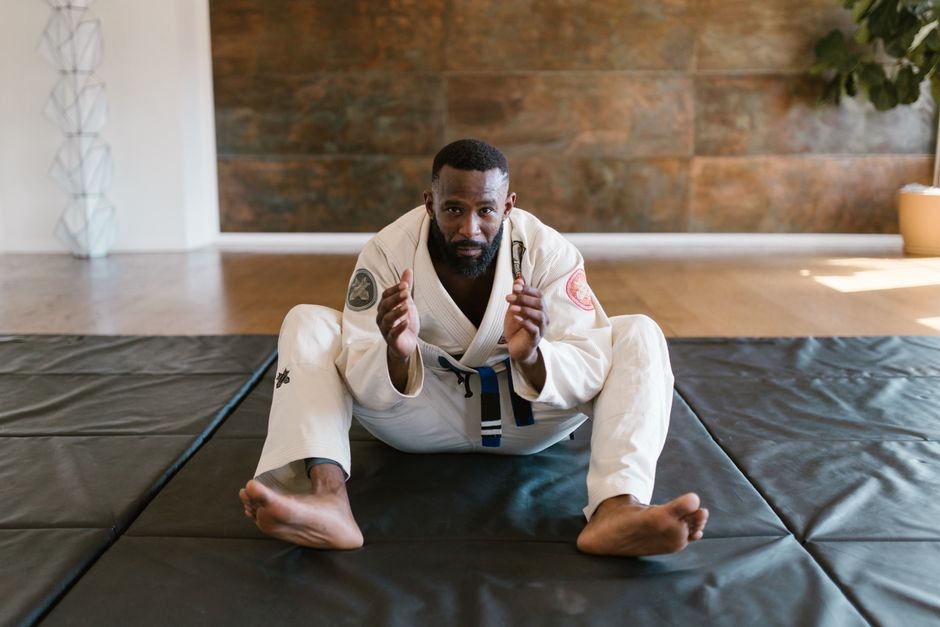
Finding the best jiu jitsu gym for you isn't about picking the fanciest facility or the one with the most Instagram followers. It's about finding a place where you actually want to show up, where the instruction matches your goals, and where you feel like part of a real community.
The good news: you don't need to guess. There are specific things that separate a solid BJJ academy from a great one, and you can evaluate them before you commit to anything.
Start With Instructor Quality and Reputation
This is the foundation. One excellent instructor beats ten mediocre ones every time.
Look for coaches who have actual competitive experience or coaching credentials. Check if they've trained under recognized lineages—whether that's a Gracie family affiliation, a Lucas Lepri connection, or another respected academy with a track record. Real credentials matter because they signal that someone has invested in learning the right way to teach.
Read reviews, but go deeper than star ratings. Look for specific comments about teaching style, patience with beginners, and how the coach handles different skill levels in the same class. A great instructor scales their instruction—they're not just barking orders at advanced students while ignoring white belts.
Ask the gym directly: where did your head coach train? How long have they been teaching? What's their competition background? If they're vague or dismissive about this, that's a red flag. At Gonzales JJ, we're transparent about our lineage and training history because we believe that matters to you.

Check What Programs and Class Styles They Offer
The best jiu jitsu gym for someone training gi might not be the best for a no-gi wrestler. Your needs matter.
Look for variety. Quality academies offer multiple disciplines: gi classes, no-gi classes, wrestling fundamentals, and specialized tracks depending on your goals. Some people want competition prep. Others want self-defense. Some just want to get in shape and have fun. A gym that offers only one flavor can't serve everyone well.
Also check their kids and family programs if that applies to you. If you're a parent looking to train alongside your children, you'll want a gym that supports that. The structure of kids' classes matters too—are they teaching real technique or just letting kids roll around? Do they focus on building confidence and character, or is it just a daycare with mats?
Assess the Facility and Training Environment
You don't need a palace. You need a clean, safe space where you can actually train.
Visit in person. Smell the mat. Watch a class. How crowded is it? Can people actually move without crashing into each other? Are the mats well-maintained and regularly cleaned? A good gym takes mat hygiene seriously because staph infections and skin issues are real concerns in grappling.
Pay attention to the vibe. Do upper belts help newer students? Does everyone seem miserable, or is there genuine community? Does the coach break up rolling matches to teach, or just let people roll the whole time? A teaching-focused gym will pause frequently to demonstrate and correct. You learn faster that way.
Also check: are there changing rooms? Showers? Lockers? These seem small, but they affect whether you'll actually want to stay after work or school to train.
Look for a Trial Policy and Real Assessment

Any solid academy will let you try before you commit. Most gyms offer at least two free classes so you can get a real feel for the place.
Use those classes smart. Don't just show up once and bail. Come to two different class times if possible—morning, evening, and weekend classes often have completely different crowds and energy. Talk to people. Ask questions. Are current members friendly and welcoming, or is there a clique mentality?
During your trial, introduce yourself to the coach. Tell them your goals. Are they interested in helping you, or do they seem indifferent? A coach who asks about your experience and adjusts the class slightly to help new students is already showing you what you'll get long-term.
Understand What "Best" Means for Your Situation
Here's what's important: the best jiu jitsu gym for you might not be the best gym for someone else.
Start your BJJ journey off (Free Class)
Get Started Today →If you're a competitive athlete trying to make IBJJF worlds, you need a gym with a strong competition team and access to advanced rolling partners. If you're a first responder looking for practical self-defense skills, you need technique-focused instruction with practical applications. If you're a parent wanting to build your kid's confidence and teach them discipline, you need a coach who understands child development and anti-bullying work.
So be honest about what you actually want. Don't pick a gym because your friend trains there or because it's closest to your house. Pick it because it matches your goals and because you trust the instruction.
Red Flags to Watch For
Some things should make you walk out immediately.
- Coaches who encourage ego-driven rolling over learning. If the vibe is "prove yourself" instead of "let's work together," that's a problem. You'll get injured and you won't improve.
- Pressure to commit without trial classes. Reputable gyms want you to experience them first.
- Dirty or poorly maintained facilities. Hygiene reflects how much the gym cares about member safety.
- Instructors who can't explain why they teach something a certain way. Real knowledge comes with reasoning behind it.
- Zero involvement from ownership. If the head coach never acknowledges new members or seems disconnected from the community, that usually shows up in the culture.
Why Community and Culture Actually Matter
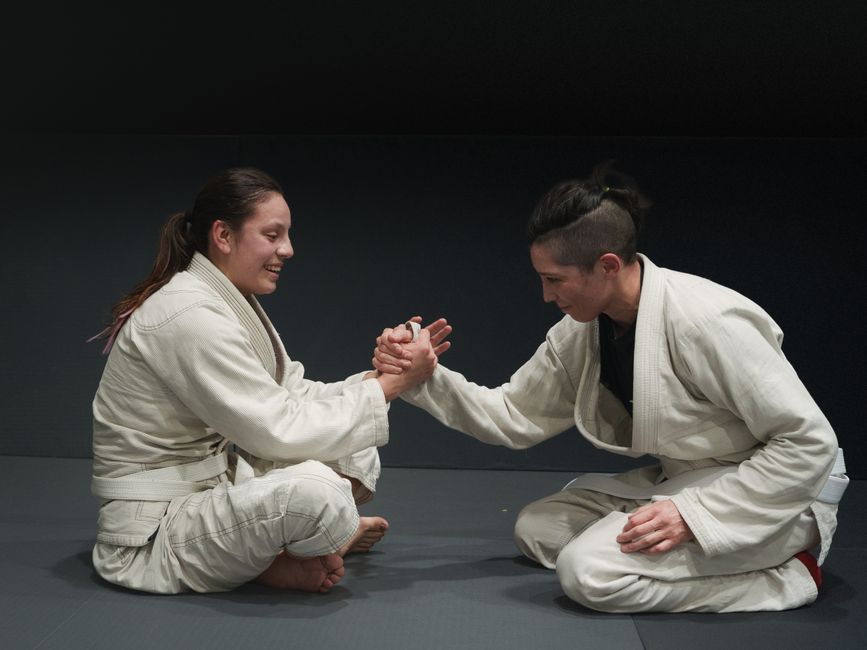
You might think the best jiu jitsu gym is just about technical excellence. Wrong. Culture is the difference between a place you quit after three months and a place you train for years.
Research shows that social support and community connection are huge factors in whether people stick with fitness and martial arts training over time. When you're part of a real community—not just a paying member—you show up on days you don't feel like it. You push harder because your teammates are counting on you. You stay because you have friends there.
A gym built on family values, inclusivity, and personal growth (instead of just producing winners) will actually help you develop faster and stay healthier mentally and physically. Look for a place where everyone—white belt to black belt, kids to adults—is treated like they belong.
Making Your Final Decision
After you've visited a few gyms and done your trial classes, make a simple list: which gym had the best instruction? Which one felt like community? Which one offers the programs you actually need? Which coach seemed genuinely interested in your success?
If you're in the Rio Rancho or Albuquerque area and want personalized instruction in a family-friendly environment built by world-champion competitors, Gonzales JJ is worth your time. We started in 2024 specifically because we wanted to build something different—a place where people grow winners both on and off the mat.
But honestly, the best gym is the one where you'll actually train consistently and feel supported. Trust your gut after those trial classes. Your instinct is usually right.
What should I look for in a beginner jiu jitsu class?
Look for classes that dedicate time to fundamentals and solo technique work. The instructor should demonstrate moves slowly, break them down into steps, and let beginners practice without jumping straight into rolling. A good beginner class has newer students rolling only after solid technique instruction, and rolling is supervised and controlled—not full intensity. You should leave feeling encouraged, not exhausted or injured.
How do I know if a gym's instructor is actually good?
Check their competition background, their lineage (who trained them), and how long they've been coaching. Watch a class and see if the instructor corrects technique, scales their teaching to different levels, and seems genuinely invested in students' progress. The best test: ask a current student why they train there. If they mention the coach specifically, that's a good sign.
Should I pick a gym based on location or quality?
Quality first. Convenience is nice, but a 15-minute drive to an excellent gym beats walking to a mediocre one. You're investing your time and money. Make sure it's worth it. That said, if two gyms are equal in quality, location matters because convenience means you'll actually show up.
What does a trial class really tell me?
A lot. You'll see how the coach teaches, how students interact, the cleanliness of the facility, and whether the environment feels welcoming. You'll also get a sense of your own comfort level—does grappling feel good or scary? Are you excited to come back or relieved it's over? Your gut reaction matters. Trust it.
Start your BJJ journey off (Free Class)
Get Started Today →