
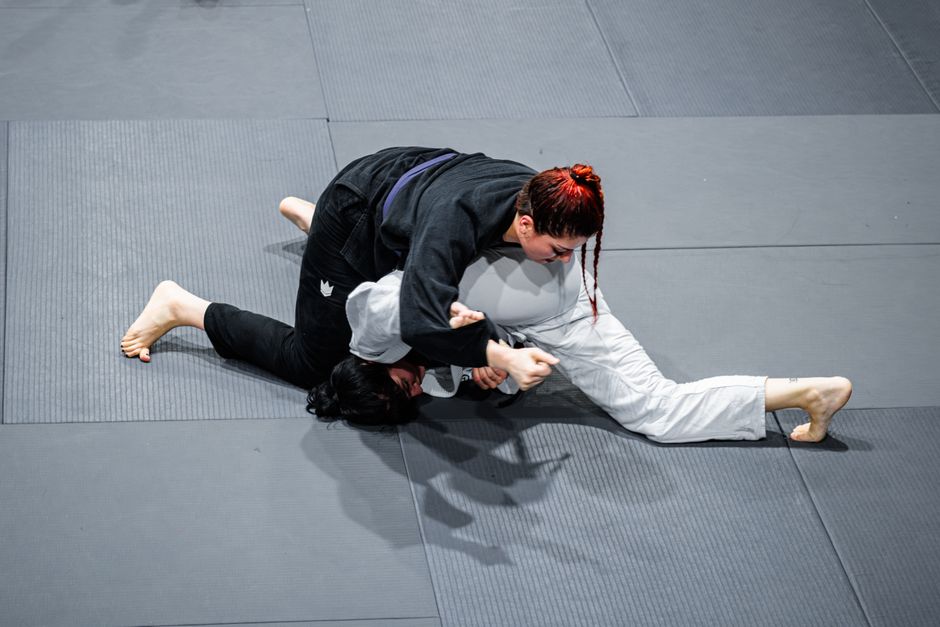
Looking for Brazilian Jiu-Jitsu training in Albuquerque, New Mexico? You're in the right place. Albuquerque has a solid BJJ community with multiple gyms, certified instructors, and welcoming programs for beginners through advanced competitors. Whether you want self-defense skills, competitive training, or a supportive fitness community, there are real options here.
Here's what you need to know about Brazilian Jiu-Jitsu in Albuquerque, New Mexico and how to find your fit.
What Is Brazilian Jiu-Jitsu and Why It Matters
Brazilian Jiu-Jitsu (BJJ) is a grappling-based martial art focused on technique, leverage, and positional control rather than striking or pure strength. It's sometimes called "the gentle art" because a smaller person using proper technique can successfully defend against or submit a larger opponent.
BJJ teaches real problem-solving on the mat. You learn how to escape bad positions, control an opponent safely, and apply submissions (like arm locks or chokes) in controlled ways. Most importantly, it builds confidence and discipline without requiring you to be athletic when you start.
The BJJ Landscape in Albuquerque
Albuquerque has multiple Brazilian Jiu-Jitsu academies spread across the city. The BJJ community here is established and active, with gyms offering classes for kids, teens, and adults.
You'll find gyms on the northeast side of the city, including locations on San Pedro Drive, Academy Road, and Lomas Boulevard. Most welcome both beginners and experienced athletes, and many offer drop-in sessions for travelers or people trying out a new gym.
The instructors in Albuquerque tend to be certified professionals with real competition backgrounds. That matters because it means you're learning from people who actually use the techniques they teach.
What to Expect in Your First Class
Your first BJJ class will feel different. Here's the honest breakdown:
- Warmup: You'll do light cardio and stretching for 5-10 minutes to get your body ready.
- Technique instruction: The instructor will show a specific technique (usually a position, escape, or submission) step-by-step. You'll drill it with a partner 10-20 times.
- Rolling (sparring): You'll practice the techniques against a partner who's resisting. Most beginner classes go light and focus on learning, not winning.
- Cooldown: Classes end with stretching and a brief recap.
Expect to feel sore the next day. That's normal. Your body will adapt in 2-3 weeks.
Who Should Train BJJ in Albuquerque
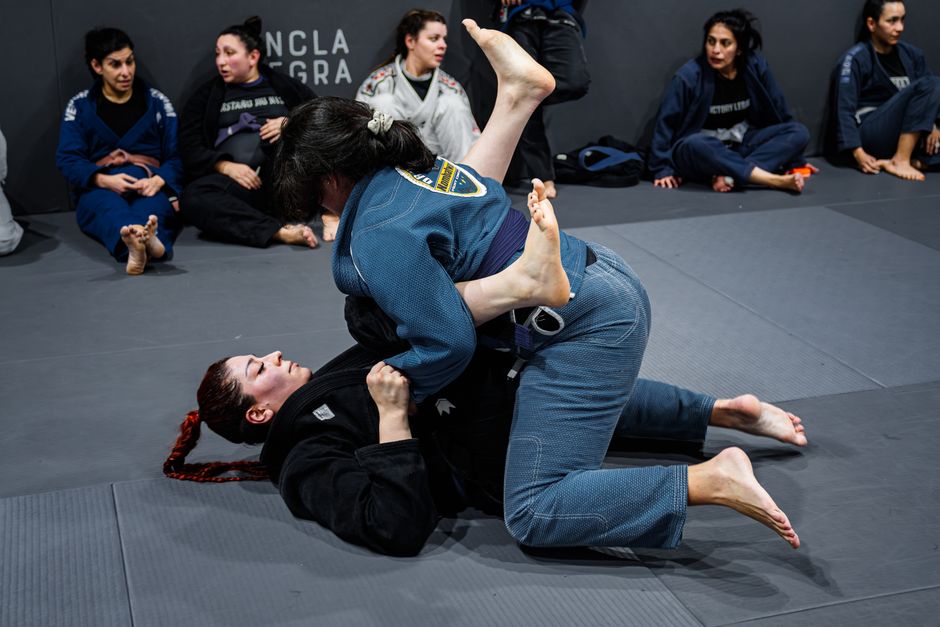
BJJ isn't just for competitive athletes. Here's who typically shows up to class:
- Families with kids: Many gyms offer youth programs that teach discipline, focus, and anti-bullying confidence in a safe environment.
- Adults new to fitness: You don't need to be in shape to start. BJJ works for your current fitness level and gets you stronger as you go.
- First responders and city workers: Local law enforcement, firefighters, and municipal staff often train because BJJ translates directly to real-world control and safety.
- Competitive athletes: If you want to compete in tournaments, Albuquerque's gyms support that path with dedicated training and coaching.
- People seeking self-defense: BJJ teaches practical control and escape techniques that don't rely on speed or size.
Finding the Right Gym for You
Not all BJJ gyms feel the same. Here's how to choose:
Check the instructor's background. Look for certified coaches with competition experience or recognized lineage. You can usually find this on the gym's website or by asking directly.
Visit in person. Watch a class before you commit. Pay attention to how the instructor treats beginners, how the students interact, and whether the energy matches what you want. A good gym feels welcoming, not intimidating.
Start your BJJ journey off (Free Class)
Get Started Today →Ask about beginner programs. The best gyms dedicate specific classes or time to teaching fundamentals. This matters because BJJ has its own terminology and movement patterns that need clear instruction.
Understand the schedule. Make sure class times fit your life. If you can't attend consistently, you won't build the habit and you'll lose progress.
Talk about cost upfront. Pricing varies by gym and membership type (monthly unlimited, class packages, drop-in rates). Get clarity before you sign anything.
Getting Started: Your First Steps
Once you've picked a gym, here's what to do next.
Invest in a gi (uniform). You'll need a BJJ-specific gi, which is different from a karate uniform. It's reinforced at the collar, sleeves, and seams to handle the intense gripping of BJJ. You can find gis at most sporting goods stores or online. Your gym can recommend brands and sizing.
Bring water and a towel. You'll sweat. Stay hydrated and clean up after class out of respect for your training partners.
Show up five minutes early. This gives you time to meet the instructor, ask questions, and settle your nerves before class starts.
Tell the instructor you're new. Good coaches will modify their demo or pair you with an experienced partner who can help you learn. Don't try to hide your beginner status.
Go at least twice a week for the first month. One class per week spreads out your learning too much. Two or three classes weekly lets skills stick and builds confidence faster.
Why Albuquerque's BJJ Community Is Growing
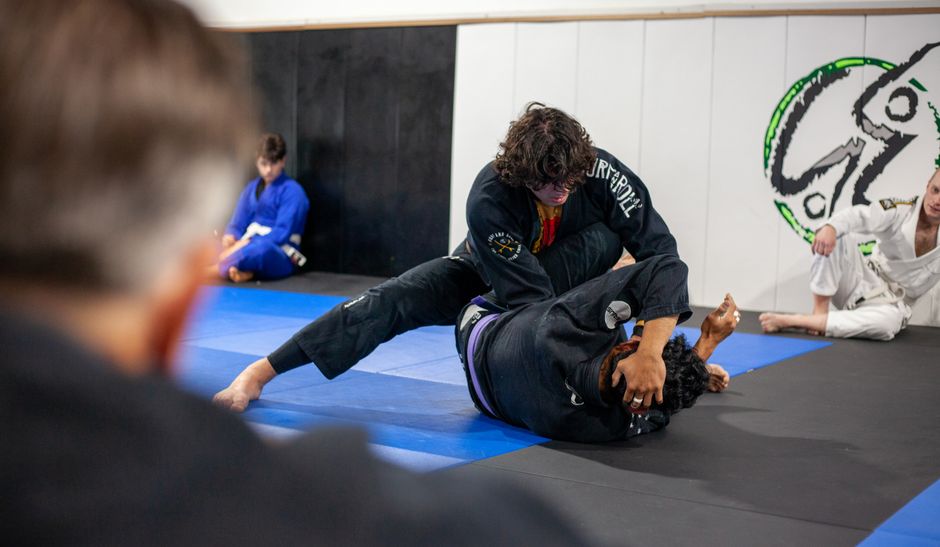
The Rio Rancho and Albuquerque area has seen real growth in Brazilian Jiu-Jitsu over the past few years. More families are discovering how BJJ builds confidence in kids without the injury risk of contact sports like football. More adults are realizing it's a legitimate path to fitness that doesn't feel like a chore.
Local gyms have made a point to stay focused on technique and personal growth rather than ego or aggression. That community-first approach is attracting serious athletes and people just looking for a healthy outlet in equal measure.
If you're interested in finding a gym that balances competitive excellence with family values and personal growth, Gonzales JJ in Rio Rancho offers technique-focused training for everyone from kids to competitive athletes.
Common Questions About Starting BJJ
Do I need to be flexible or athletic to start Brazilian Jiu-Jitsu?
No. BJJ meets you where you are. You'll build flexibility and athleticism as you train, but you don't need either to start. Many people begin BJJ with zero background in sports or martial arts and progress just fine.
Is Brazilian Jiu-Jitsu safe for kids?
Yes, when taught by certified instructors in a controlled environment. Kids' BJJ classes focus on fundamental movements, positional awareness, and controlled drilling. Competitions exist for kids with strict age and weight divisions and safety rules. Many parents choose BJJ specifically because it builds confidence and teaches real self-defense without excessive contact or injury risk. Check out what the Mayo Clinic says about youth sports safety for general guidelines on choosing safe programs for your kids.
How long does it take to get good at BJJ?
You'll feel competent basics in 3-6 months of consistent training. A visible belt promotion (white to blue belt, typically) takes 1-2 years with 2-3 classes per week. Real skill and problem-solving abilities develop over years. But here's the thing: you'll see progress and feel more confident much sooner than that.
Do I have to compete to train BJJ?
No. Many people train BJJ purely for fitness, self-defense, or personal discipline without ever stepping on a competition mat. Competitions are optional and encouraged for those who want the challenge, but they're not required.
Start your BJJ journey off (Free Class)
Get Started Today →