

Brazilian Jiu-Jitsu guards are the defensive and offensive positions you use when you're on your back during a match or training session. They're not about sitting helpless—they're about controlling your opponent, setting up submissions, and stopping them from passing into a dominant position. Whether you're brand new to BJJ or working to sharpen your skills, understanding the main guard categories will transform how you defend yourself and attack from bottom position.
What Are The Five Major Guard Categories in BJJ?
There are five major guard categories that form the backbone of Brazilian Jiu-Jitsu. Learning these gives you a solid foundation before you explore fancy variations.
Closed Guard: This is the fundamental position and the one most beginners start with. You're on your back with your legs wrapped around your opponent's torso, feet locked together. It's simple, powerful, and teaches you core guard principles.
Half Guard: You have one leg hooked around your opponent's leg while the other is free. This position offers a mix of control and escape routes. It's fantastic for both defending and launching attacks.
Outside Position Guards: These are guards where your opponent is positioned to the side of your body. The Z Guard and scissor guard fall into this category. They're great for sweeping and off-balancing your opponent.
Inside Position Guards: Your opponent is more centered between your legs. Positions like the octopus guard work here. These guards give you options for leg lock entries and upper body control.
Leg Entanglements: Advanced guards that focus on controlling one or both of your opponent's legs. These include footlock entries and heel hook positions. They require solid fundamentals first.
The Seven Basic Guards You Should Master First
Before you chase flashy advanced guards, nail these seven fundamentals. They work with or without the gi (the uniform), and they appear constantly in every skill level.
1. Closed Guard: Legs locked around their torso. Perfect for submissions and sweeps.
2. Half Guard: One leg hooked around theirs. Creates space and scramble opportunities.
3. Z Guard: Your top shin hooks their hip while your bottom leg frames their arm. Excellent for sweeps.
4. Scissor Guard: You cross your legs in front of their torso, creating a crushing effect. Simple but effective for control.
5. Octopus Guard: You control one of their arms with your legs while using your hands on the other. Advanced but worth learning early.
6. Cyborg Guard (Shoulder Guard): A position that uses your shoulder against their shoulder for control. Great for beginners because it feels natural.
7. Sitting Up Guard: You're on your back but propped up on your hands, using your legs to control distance. It bridges to standing positions and gives you active defense options.
How To Progress From Closed Guard To Advanced Variations
Progression matters. Jump straight to leg lock dungeons and you'll get crushed. Instead, build smart.
Start with fundamentals. Master closed guard sweeps, submissions, and basic escapes. Spend weeks here. Get comfortable with the position, learn how your hips move, and understand weight distribution.
Add half guard. Once closed guard feels natural, half guard opens up new escape angles and sweep opportunities. Practice transitions between the two.
Learn the Z and scissor guards. These teach you how to use hip positioning and leg placement for sweeps. They're less leg-lock heavy and perfect for intermediate students.
Then move to inside position guards. The octopus guard and similar positions teach you control mechanics. These prepare your body for leg entanglement work.
Advanced leg entanglements come last. Only explore heelhooks, footlocks, and complex leg lock sequences after you've trained consistently for months. Your joints need time to adapt.
Guard Passing and Guard Retention: Two Sides of the Same Coin
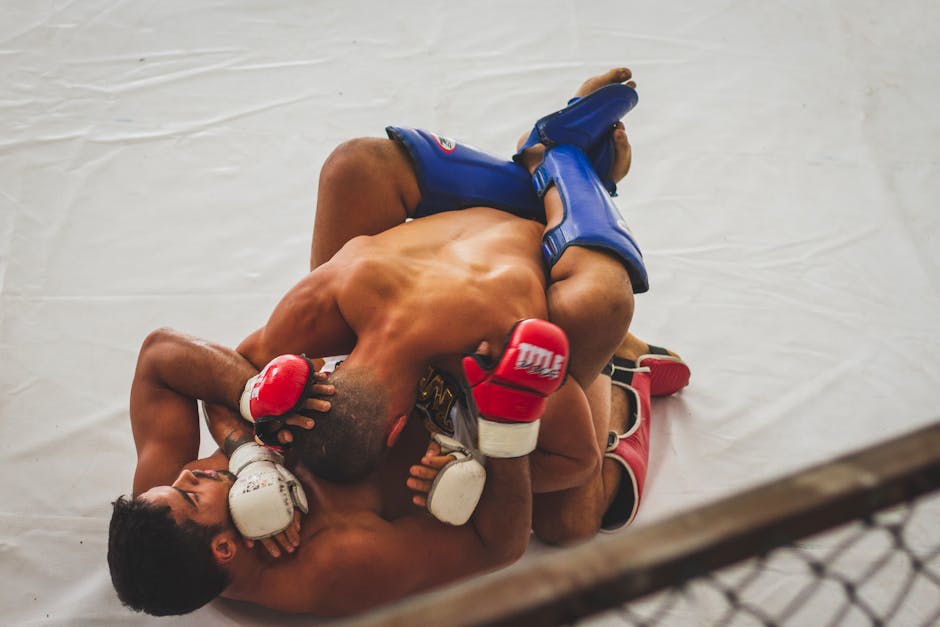
Here's what many beginners miss: guard passing and guard retention are equally important. You can't be great at guard positions if you only know offense.
When you practice guard, you're learning how to keep someone in your guard (retention). When you're the one passing, you're learning the exact moves your opponents will try on you. Train both sides relentlessly.
Guard retention drills: Practice keeping your guard closed when someone postures up. Work on re-guarding after they break your guard. Drill hip escapes and repositioning.
Guard passing drills: Learn to break grips, create space, and move past the legs. Study how to counter common guard retention techniques.
The gym environment at Gonzales JJ emphasizes this balanced approach—you'll roll with training partners of all levels and get comfortable both defending and attacking from guard positions.
Start your BJJ journey off (Free Class)
Get Started Today →Related: No Gi Jiu Jitsu: Complete Beginner's Guide to Training
Related: Brazilian Jiu Jitsu No Gi: Complete Training Guide
Related: Brazilian Jiu-Jitsu Weight Classes: Complete Guide
Related: Best Jiu-Jitsu Gi in Rio Rancho, NM: Complete Buyer's Guide
Related: Brazilian Jiu Jitsu Leg Locks: Complete Beginner Guide
Related: Full Guard Jiu Jitsu: Complete Beginner's Guide
Related: Passing the Guard in Brazilian Jiu-Jitsu: Complete Beginner's Guide
Related: Brazilian Jiu Jitsu Basic Moves: A Beginner's Guide

Reading Your Opponent and Developing Backup Strategies
Almost every guard technique has a contingency. If your first sweep doesn't work, what's plan B? This is where guard mastery separates beginners from experienced grapplers.
When you're in closed guard and your opponent starts to posture up, you have options. You could attempt an armbar. If they defend that, you might switch to a triangle. If they pass the triangle grip, you could transition to a sweep or a different submission.
This requires drilling and rolling experience. You learn to feel your opponent's weight distribution, their grip strength, and their balance. Then you make micro-adjustments.
Key insight: The best guard players aren't the ones with the flashiest moves. They're the ones who can chain techniques together and always have a backup plan. Train with intention. Ask yourself after every roll: "What were my escape options?" and "What did my opponent do when I attacked?"
Common Mistakes That Hold Your Guard Game Back
You'll see these errors constantly in beginner classes. Knowing them helps you avoid wasting months on bad habits.
Relying only on closed guard: It's safe, but the moment someone learns basic guard passing, you're stuck. Branch out to half guard and position guards early.
Ignoring grip fighting: Your guard is only as good as your grips. Practice breaking grips, establishing control, and maintaining hand placement. This seems basic, but it's foundational.
Not using your hips: Beginners often use only their hands and ignore hip movement. Your hips control the position. Learn to move them dynamically.
Forgetting leg pressure: Beginners squeeze with their legs but forget to use them for positioning and off-balancing. Your legs aren't just for submission setups—they're for control.
Skipping fundamentals for advanced guards: This is the biggest one. Don't start with heelhooks and complex leg lock systems if you haven't mastered closed guard sweeps yet.
Building a Guard Game That Works For Your Body
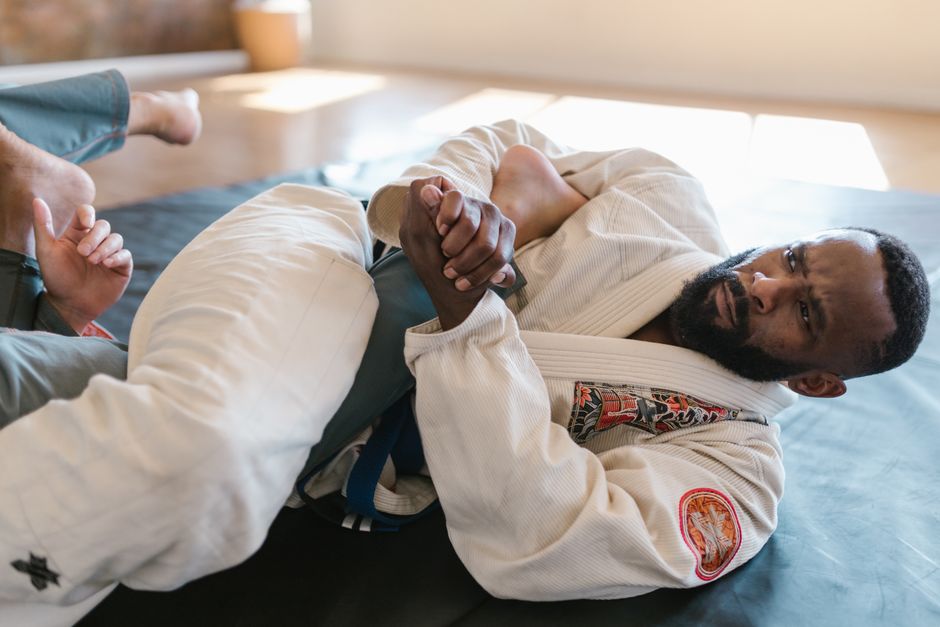
Not all guards work for everyone. Your height, flexibility, strength, and movement style matter. The best approach? Experiment during rolling and drilling. Find guards that feel natural to your body.
Tall grapplers often love half guard and outside position guards because their leg length gives them leverage advantages. Shorter athletes might prefer closed guard and inside position guards that rely more on positioning than reach.
Flexible people can abuse leg entanglements early. People with less flexibility should nail closed guard and half guard first, then gradually add complex positions.
The training partners and coaches at Gonzales JJ understand that everyone learns differently. Personalized instruction helps you find guard systems that match your body type and wrestling style, not some one-size-fits-all approach.
Guard Training Tips From Experienced Grapplers
Drill, don't just roll: Rolling is fun and teaches you combinations. But drilling specific techniques builds muscle memory. Spend 30% of your training time drilling guard techniques, 70% rolling.
Record yourself: Video your rolls or drills. You'll spot positioning mistakes and understand what's working. Most beginners have no idea they're doing something wrong until they see it on camera.
Train with partners at different levels: Roll with beginners to practice your offense. Roll with experienced grapplers to practice defense and problem-solving. Both teach you something different.
Ask questions after rolling: When someone passes your guard or submits you, ask them how they did it. Learn from every roll. This is how Gonzales JJ builds a community where everyone grows together—you're not competing against your teammates, you're learning together.
Consistency beats intensity: Training three times per week for a year beats training five times per week for two months. Guard development takes time. Be patient and consistent.
When To Start Learning Leg Lock Guards and Advanced Systems
Leg locks and heel hooks are fun, but timing matters. Start exploring these advanced guards only after you've trained consistently for 4-6 months and have solid fundamentals in closed guard, half guard, and basic position guards.
Your joints and connective tissue need time to adapt to the pressure. Your brain needs to understand positional awareness before you add leg entanglement complexity. This isn't arbitrary gatekeeping—it's injury prevention.
A good rule: if you can't sweep someone from closed guard or control someone in half guard, you're not ready for leg lock systems yet. Master the basics first.
How Your Guard Game Connects To Self-Defense
In a real self-defense situation, you want to avoid getting pulled down. But if you do end up on your back, guard knowledge saves your life. You know how to control an attacker, create distance, and escape.
Many first responders and people seeking practical self-defense training focus on guard positions because they're realistic. Most street altercations end up on the ground. Knowing how to manage your guard means knowing how to survive and escape that situation.
This is why guard training goes beyond sport. It's applicable, practical, and builds confidence that translates to your everyday life. When you know you can control someone from your back in training, you carry that confidence everywhere.
FAQ: Brazilian Jiu-Jitsu Guards
What's the easiest guard for beginners to learn first?
Closed guard. It's the most intuitive—you're wrapping your legs around someone, creating a simple barrier. From closed guard, you learn fundamental control, submission entries, and escape mechanics. Every other guard builds on these principles.
Can you use the same guards in gi and no-gi training?
Most of them, yes. Closed guard, half guard, and position guards work with or without the gi. The main difference is that the gi gives you more grip options and control points, so some guards feel slightly different. But the core positions and mechanics transfer between both formats.
How long does it take to develop a solid guard game?
With consistent training (three times per week), you'll have functional guard skills in 3-6 months. A truly strong guard game that includes multiple systems and backup strategies takes 1-2 years of dedicated practice. Gonzales JJ structures their classes so you can develop both quickly—personalized feedback accelerates the learning curve.
Is guard passing more important than having a strong guard?
They're equally important. You need both to be well-rounded. Some positions favor one or the other, but spending months only working guard or only working guard passing creates weaknesses. A balanced approach makes you dangerous from any position.
What's the difference between inside and outside position guards?
Inside position guards have your opponent centered between your legs. Outside position guards have them to the side of your body. Inside guards are great for leg locks and certain submissions. Outside guards excel at sweeps and off-balancing. Both are essential for a complete guard game.
Start your BJJ journey off (Free Class)
Get Started Today →