
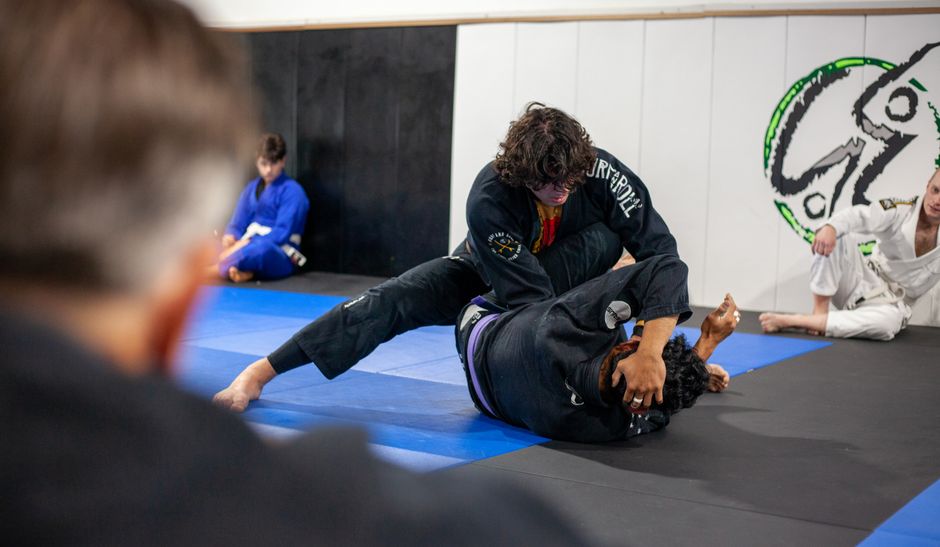
Brazilian Jiu-Jitsu weight classes exist for one reason: to make competitions fair. When you step on the mat, you want to compete against someone your own size, not someone 50 pounds heavier. That's where weight classes come in. The International Brazilian Jiu-Jitsu Federation (IBJJF) sets the standard that most BJJ gyms and competitions follow worldwide. Whether you're training for competition or just curious about how your gym structures classes, understanding these divisions matters.
What Are Brazilian Jiu-Jitsu Weight Classes?
Brazilian Jiu-Jitsu weight classes are standardized divisions that group competitors by body weight. Each division has a maximum weight limit (and sometimes a minimum). When you compete, you face opponents in your weight class to ensure physical attributes stay roughly equal. This keeps the sport fair and prevents smaller athletes from being crushed by much heavier competitors.
The IBJJF controls these standards internationally, but some smaller organizations or regional competitions may use slightly different brackets. Still, the IBJJF system is the baseline almost everyone follows. When you train at Gonzales JJ, you'll learn techniques that work across all these weight class frameworks.
Male Brazilian Jiu-Jitsu Weight Classes (IBJJF)
Here's the full breakdown of male weight divisions, from lightest to heaviest:
Related: Brazilian Jiu-Jitsu Guards: Complete Beginner's Guide
Related: Best Jiu-Jitsu Gi in Rio Rancho, NM: Complete Buyer's Guide
Related: Brazilian Jiu Jitsu No Gi: Complete Training Guide
- Rooster: 57.5kg or less (126.5 lbs)
- Lightweight (Light Feather): Up to 64kg (141 lbs)
- Featherweight: Up to 70kg (154 lbs)
- Lightweight: Up to 76kg (167.5 lbs)
- Welterweight: Up to 82.3kg (181.5 lbs)
- Middleweight: Up to 88.3kg (194.5 lbs)
- Medium-Heavy: Up to 94kg (207 lbs)
- Heavy: Up to 100.5kg (221.5 lbs)
- Super-Heavy (Open): Over 100.5kg (221.5+ lbs)
If you're competing, you can only compete in your weight class or the open (Super-Heavy) division. You can't "move up" to a heavier class just because you feel like it.
Female Brazilian Jiu-Jitsu Weight Classes (IBJJF)
Women's divisions follow a similar structure but with different weight thresholds:
- Rooster: 48kg or less (106 lbs)
- Lightweight (Light Feather): Up to 53.5kg (118 lbs)
- Featherweight: Up to 58.5kg (129 lbs)
- Lightweight: Up to 64kg (141 lbs)
- Middleweight: Up to 69kg (152 lbs)
- Medium-Heavy: Up to 75.5kg (166.5 lbs)
- Heavy: Up to 82.3kg (181.5 lbs)
- Super-Heavy (Open): Over 82.3kg (181.5+ lbs)
Women's divisions account for different average body compositions compared to men, which is why the weight limits are adjusted.
Why Weight Classes Matter in BJJ Training
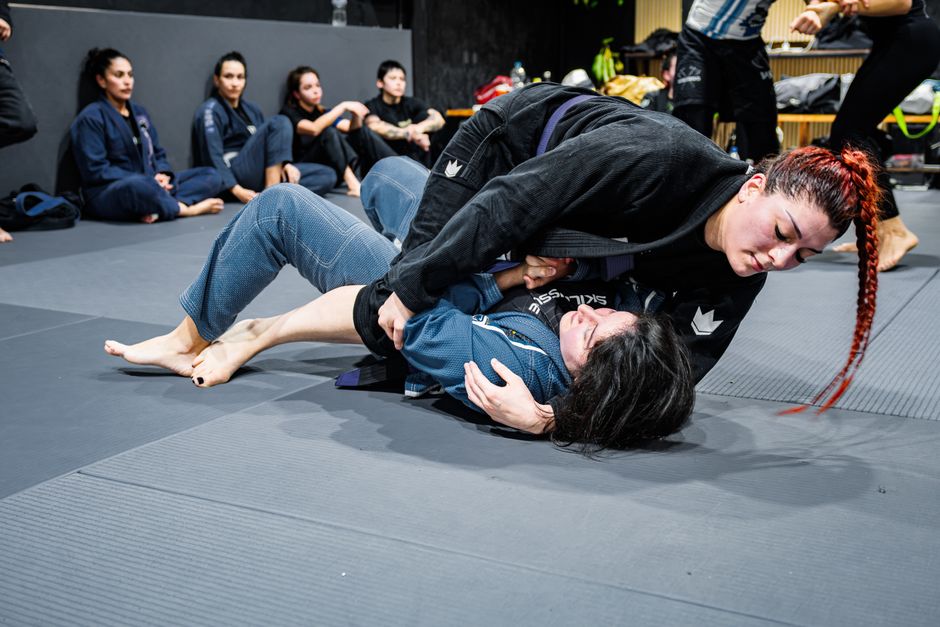
Weight classes aren't just competition rules. They shape how you train day-to-day. Most gyms organize rolling partners by weight and skill level to keep training safe and effective. You don't want a 250-pound white belt crushing a 140-pound purple belt just because they're stronger. That creates injury risk and doesn't help either person improve.
At Gonzales JJ, we group training partners thoughtfully to build technique-focused skills rather than relying on size and strength. This approach helps everyone grow, whether you're a small person learning to leverage technique or a larger athlete learning to move efficiently.
Start your BJJ journey off (Free Class)
Get Started Today →Do Different Organizations Use Different Weight Classes?
Yes. While IBJJF is the gold standard, some smaller BJJ federations, local competitions, or no-gi organizations may use slightly different brackets. The differences are usually minor—maybe a few pounds here or there. If you're competing in a specific tournament, always check the official rulebook for that organization's exact weight classes before submitting your bracket.
No-gi competitions sometimes use different divisions than gi competitions under IBJJF rules. It's worth asking your coach if you're planning to compete in either format.
Age and Belt Divisions
Here's something many new people don't realize: weight classes are just one dimension. You also have age divisions (kids, teens, adults, masters, seniors) and belt levels (white, blue, purple, brown, black). You compete in the intersection of all three. So you might be a 35-year-old blue belt in the middleweight division competing against other 35-year-old blue belts around your weight.
This multi-layered approach ensures matches are as fair as possible. You're not competing against someone with years more experience or a completely different physical profile.
What If You're Between Weight Classes?
Simple answer: you enter the heavier weight class. If you weigh 165 pounds and the Welterweight limit is 160 pounds, you compete at Middleweight (the next bracket up). The scale-in happens right before competition, so you know exactly which division you're in.
This is why some competitors watch their weight carefully before tournaments. Getting down to a lower weight class can feel like an advantage because you're stronger than most competitors in that bracket. But it's also risky—you can become dehydrated or fatigued, which hurts your performance.
How to Find Your Weight Class
First, weigh yourself. Then cross-reference your weight with the list above (male or female, depending on which you need). That's your division. If you're planning to compete soon, talk to your coach about your specific bracket and any competition-specific prep that might help.
If you're new to BJJ and curious about your weight class but haven't joined a gym yet, that's actually the perfect time to reach out. Teams like Gonzales JJ help beginners understand not just weight classes, but the whole competitive landscape so you can decide if competing is even something you want to pursue.
Training vs. Competing: Does Your Weight Class Matter If You're Not Competing?
For casual training, weight classes are less rigid. Many gyms just pair people based on experience and relative size to keep rolling safe and fun. You don't have to "stay within your weight class" during regular training. Your coach will handle that pairing naturally.
But if you ever decide to compete—even at a small local tournament—weight classes become very real. That's when knowing your exact division matters.
Key Takeaways About BJJ Weight Classes
Weight classes keep Brazilian Jiu-Jitsu fair and safe. The IBJJF sets the international standard with nine male divisions (Rooster through Super-Heavy) and eight female divisions. Your weight class depends on how much you weigh at scale-in. Different organizations might vary slightly, so always check the specific rulebook for your competition. Whether you're training for fun or eyeing tournaments, understanding weight classes helps you know what to expect on the mat.
People Also Ask
What's the heaviest BJJ weight class?
Super-Heavy (or Open) is the heaviest division. There's no upper weight limit—if you weigh over 100.5kg (221.5 lbs) for men or 82.3kg (181.5 lbs) for women, you compete here. Some gyms call it the "Open" division.
Can you compete in a heavier weight class than your own?
Yes. You can move up to a heavier weight class, and many competitors do if they want the open/super-heavy experience. But you can't compete in a lighter weight class than where your actual weight puts you. Weight classes exist to protect smaller athletes.
Do weight classes exist for kids in BJJ?
Yes. IBJJF has separate weight divisions for kids based on age (under 6, 6-7, 8-9, 10-11, 12-13, 14-15, 16-17). The exact weight brackets vary by age group. Kids at Gonzales JJ learn the fundamentals first before worrying about competition brackets.
Are IBJJF weight classes used everywhere?
IBJJF is the global standard, but some smaller tournaments or regional federations use slightly different brackets. Always check the specific competition rulebook. Most differences are minor—a few pounds either way.
Start your BJJ journey off (Free Class)
Get Started Today →