
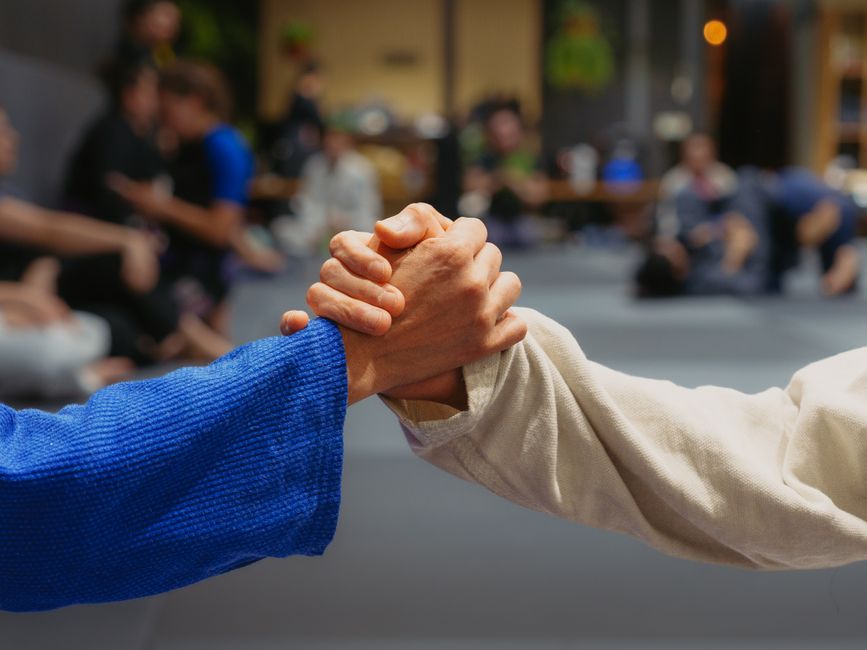
A solid Brazilian Jiu-Jitsu training program balances three things: mat technique, strength conditioning, and mental toughness. If you're serious about grappling—whether you want to compete, get fit, or learn self-defense—you need a plan that hits all three. The good news? You don't need fancy equipment or years of experience to get started. You just need consistency and smart programming.
What Makes a Good BJJ Training Program?
A real Brazilian Jiu-Jitsu training program does more than teach arm locks. It builds your body for the specific demands of grappling: explosive hip power, grip strength, cardiovascular endurance, and the ability to stay calm under pressure.
Related: Cardio Training for Jiu Jitsu: Build Your BJJ Conditioning
Related: Strength Training for Jiu Jitsu: Build Real Power
Related: Strength Training for Brazilian Jiu-Jitsu: The Complete Guide
The best programs layer three things together. First, you train technique on the mat multiple times per week. Second, you do targeted strength and conditioning work off the mat. Third, you show up consistently and embrace the grind.
Start with Twice-Weekly Strength Training
You don't need to lift heavy every single day. Two sessions per week is a solid foundation, especially if you're also training BJJ on the mat. More isn't always better when you're recovering from sparring and drilling.
Before each strength session, warm up properly. Do some breath work to calm your nervous system and prepare your body. Follow that with foam rolling to loosen tight spots and improve mobility. A good warm-up takes 5-10 minutes and preps you for hard work without leaving you tired.
Your strength sessions should focus on movements that matter in grappling. That means hip hinge patterns (like deadlifts or kettlebell swings), explosive movements, and work that keeps your shoulders and knees healthy. Gonzales JJ structures programming around these proven principles because technique alone won't take you to the next level in competition.
Add High-Intensity Conditioning to Build Cardio
Grappling is brutal on your heart and lungs. A match might last 5, 10, or even 20 minutes depending on your belt level. You need conditioning that mimics that intensity.
Sprint intervals work great for this. Push hard for 20 to 30 seconds at all-out effort, then rest for 1 to 2 minutes. Repeat for 6 to 10 total rounds. That's one session. You can do short-distance sprints (10 to 20 yards), bike sprints, or even treadmill bursts. The goal is to teach your body to recover fast and perform under fatigue.
Keep your conditioning volume low but intense. This isn't about grinding for hours. It's about quality effort in short bursts, just like a real match.
Structure Your Weekly Schedule
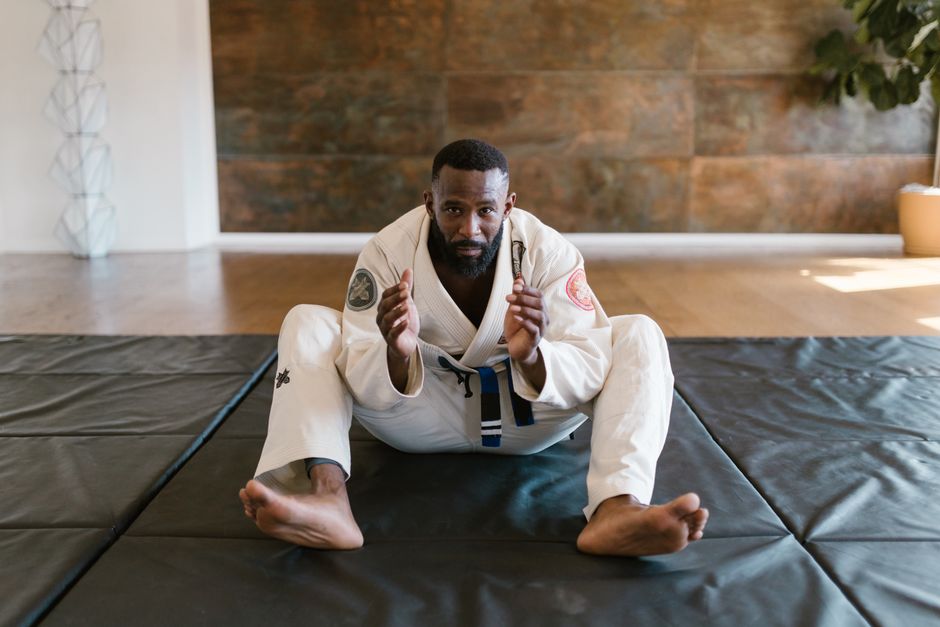
Here's what a solid week looks like for someone training BJJ seriously:
- Monday: BJJ technique class (60-90 minutes)
- Tuesday: Strength training + conditioning (45 minutes)
- Wednesday: BJJ drilling and light rolling (60 minutes)
- Thursday: Strength training + conditioning (45 minutes)
- Friday: BJJ technique and sparring (90 minutes)
- Saturday: Open mat or technique focused work (optional)
- Sunday: Rest or light mobility work
This gives you three solid mat sessions, two dedicated strength days, and built-in recovery. You can adjust based on your experience level and goals, but the principle stays the same: train smart, not just hard.
Focus on Essential Exercise Categories
Not all exercises are created equal for grapplers. You need to pick movements that transfer directly to the mat.
Hip extension and hip hinge movements are non-negotiable. Your hips drive takedowns, escapes, and position changes. Deadlifts, kettlebell swings, and step-ups should be staples.
Beyond that, include pulling movements (rows and pullups) for grip and back strength, pressing movements for stability, and loaded carries for core endurance. Keep repetitions low—usually 2 to 3 per exercise—and rest fully between efforts (30 to 60 seconds). This trains power and strength, not just muscle size.
Injury Prevention Matters More Than You Think
BJJ puts weird stress on your joints. Shoulders, elbows, knees, and your neck all take hits. A smart training program includes movement selection that keeps you healthy and prevents common injuries.
This means choosing exercises with good mechanics, warming up properly, and listening to your body. It also means training technique with control instead of always going hard. If you're training at a solid academy, your instructors will teach you how to tap early and train safely. If you're looking for that environment, Gonzales JJ emphasizes technique-focused training alongside competitive preparation.
Start your BJJ journey off (Free Class)
Get Started Today →Adjust Your Program Based on Your Goals
Someone training for competition has different needs than someone learning for self-defense or fitness. A good Brazilian Jiu-Jitsu training program adapts.
If you're competing, dial up the intensity and specificity. Train more sparring rounds. Add conditioning that mimics match length and pace. If you're training for fitness and self-defense, you can back off the intensity slightly but still maintain consistency and proper technique.
Beginners should focus on fundamentals and showing up regularly. You can't rush the learning curve in BJJ. Advanced students need to refine details and push harder in sparring. The structure stays the same, but the difficulty and volume change.
Track Progress and Stay Consistent
Write down what you do. Track your workouts—both mat time and strength sessions. Notice which drills you struggle with and which movements feel smoother. Keep a simple log of how you feel and your energy levels.
Consistency beats intensity every time. Training twice per week for a year beats training five times per week for a month then quitting. Pick a schedule you can actually stick to and honor it.
Progress in BJJ is slow. You'll feel like you're not improving, then suddenly a technique clicks. You'll roll with someone stronger and realize your base is better. These small wins add up. After six months of consistent training, you'll be a different grappler. After a year, unrecognizable.
Build Community as Part of Your Program
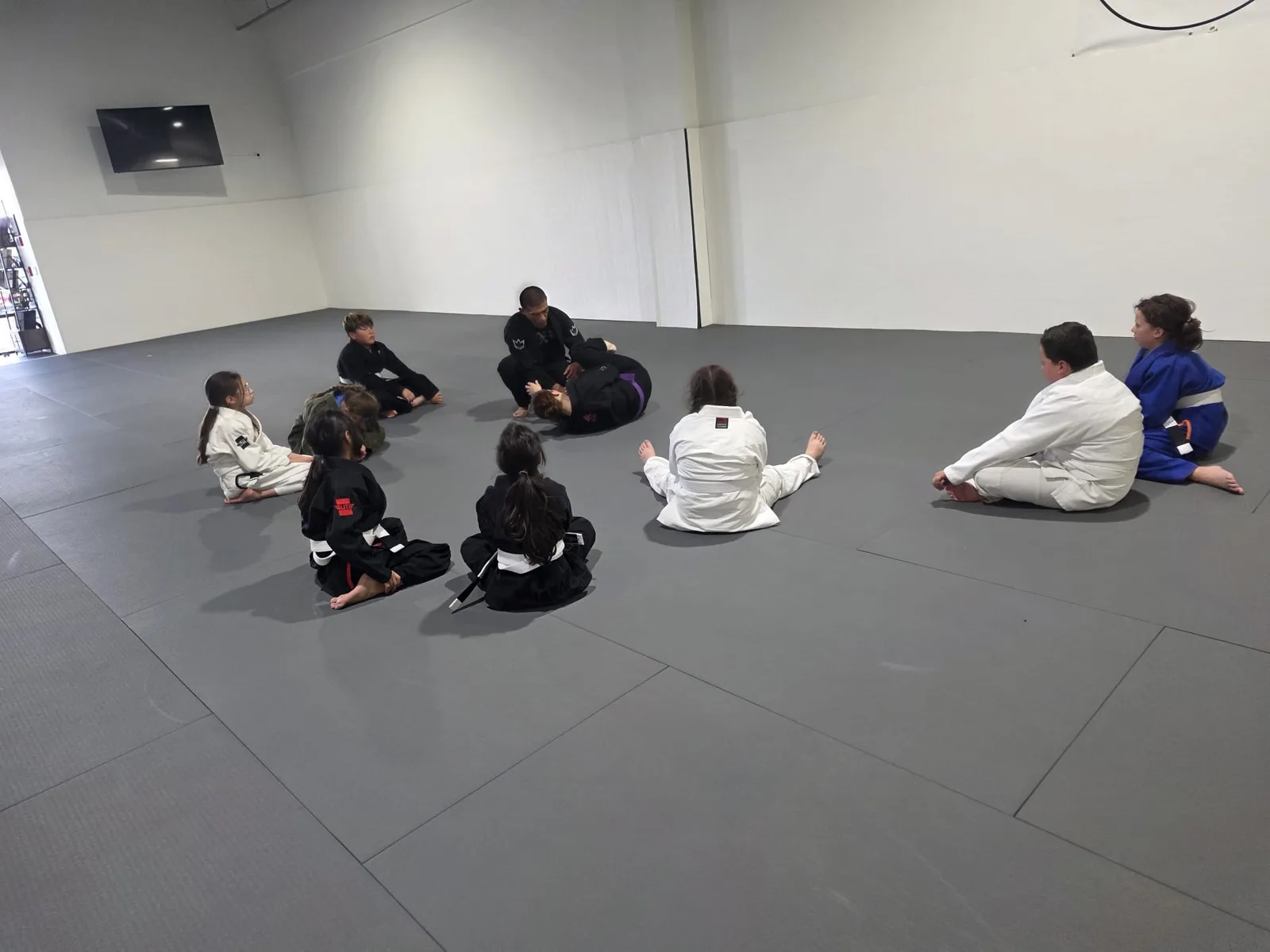
The best training programs aren't just about the exercises. They're about training alongside people who push you and support you. Find an academy where you feel comfortable, where instructors give you individual attention, and where everyone from beginners to advanced students trains together.
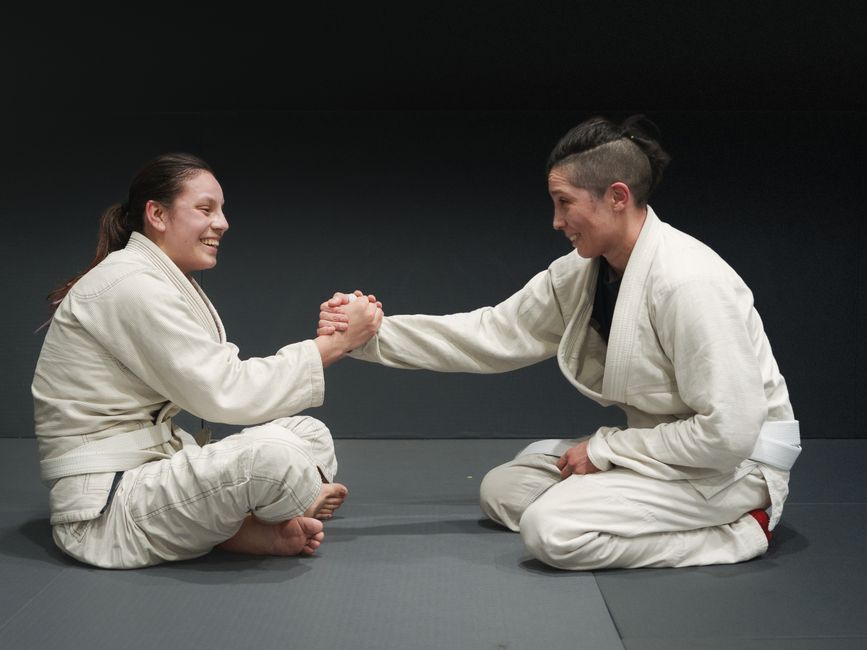
Your training partners matter. They teach you humility, timing, and how to stay calm under pressure. The friendships you build keep you coming back when motivation dips. This is why family-focused academies often produce better long-term grapplers. Everyone grows and competes together, on and off the mat.
People Also Ask
How often should I train Brazilian Jiu-Jitsu?
Beginners should aim for 2-3 times per week on the mat. This gives you enough reps to learn without overtraining your joints. As you advance, 4-5 times per week becomes normal if you're competing seriously. Rest days are important for recovery, so never train hard more than 5-6 days per week.
Do I need to lift weights for BJJ?
You don't absolutely need a gym, but strength training makes a real difference. It prevents injuries, builds explosive power, and helps you outlast opponents. Even bodyweight exercises like pushups, pullups, and squats help. Dedicated strength sessions 2-3 times per week complement your mat training perfectly.
What's the fastest way to get good at Brazilian Jiu-Jitsu?
There's no shortcut, but consistency is the closest thing. Train 3-4 times per week, focus on fundamentals before flashy techniques, and get feedback from good instructors. Expect 6-12 months before you feel competent. Fast progress comes from showing up every week without fail.
Can I do a BJJ training program at home?
You can do conditioning and strength work at home easily. For technique and sparring, you need partners and mats. Find a good academy for the mat work and supplement with home-based strength and cardio. This hybrid approach works well if you can't get to a gym every day.
Start your BJJ journey off (Free Class)
Get Started Today →