
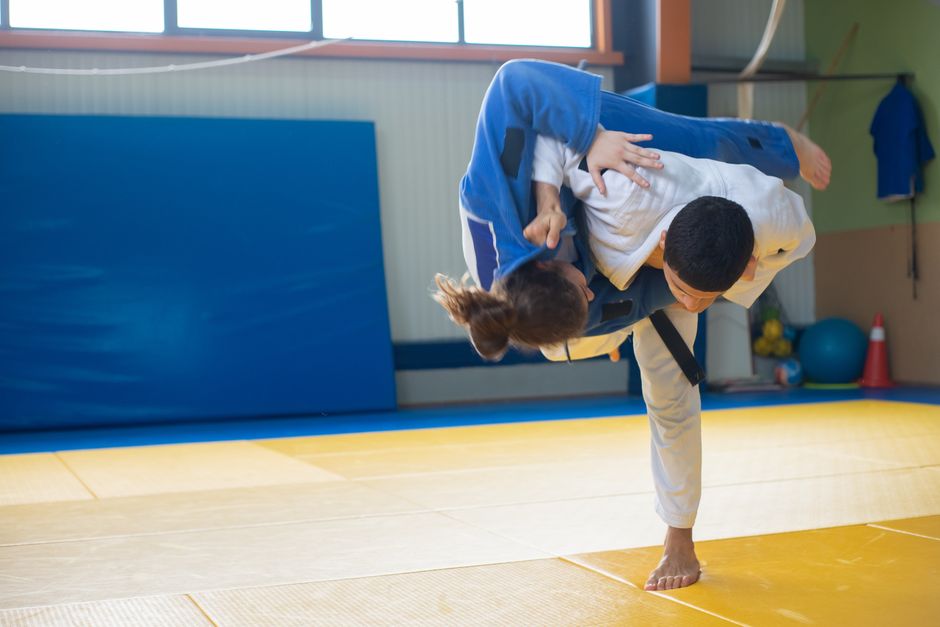
Here's the truth: strength training for jiu jitsu is not optional if you want to compete or improve faster. The right strength program will make you more explosive, harder to break down, and way more dangerous in positions that matter. But most BJJ athletes get it wrong.
They either skip the gym entirely, or they lift like powerlifters and wonder why they feel stiff and slow on the mat. The sweet spot? A program built specifically for BJJ demands, done 2-4 times per week, focused on compound movements and explosive strength. That's it.
Why Strength Training Actually Works for BJJ
Let's kill the biggest myth first: lifting makes you slow and stiff. It doesn't. Not if you program it right.
Related: Who Invented Jiu Jitsu? The Real History Behind BJJ
Related: Full Guard Jiu Jitsu: Complete Beginner's Guide
Related: How to Pass the Guard in Jiu Jitsu: Essential Techniques
Related: Taekwondo vs Jiu Jitsu: Key Differences Explained
Related: BJJ Jiu Jitsu: A Beginner's Guide to Getting Started
Related: Kids Jiu Jitsu: Benefits, Training Basics & Getting Started
Related: What Is Brazilian Jiu-Jitsu Good For? 7 Real Benefits
Related: Jiu Jitsu vs BJJ: What's the Real Difference?
Related: Leg Lock Jiu Jitsu: Complete Guide to Techniques & Defense
Research backs this up hard. Athletes who combine proper strength training with their mat time see measurable improvements in BJJ performance. You get more control, better pressure, and the ability to finish submissions that would otherwise slip away.
Related: No Gi Jiu Jitsu: Complete Beginner's Guide to Training
Related: Brazilian Jiu Jitsu No Gi: Complete Training Guide
Related: Best Brazilian Jiu-Jitsu Training Near Me 2026: Top 6 Ranked
Related: Best Jiu Jitsu Gi 2026: Top 6 Ranked for Training & Competition
Related: Best Jiu Jitsu Leg Locks Training in Rio Rancho, NM
Related: Best Half Guard Jiu Jitsu Training in Rio Rancho, NM
Related: Best Jiu Jitsu Training in Rio Rancho, NM – Family-Focused BJJ
The reason is simple. Jiu jitsu is a strength sport disguised as a technique sport. Two people with identical technique at 70kg and 80kg? The stronger person wins most of the time. Grip strength, explosive hip drive, the ability to defend a pass with your legs even when tired, holding side control against someone thrashing underneath you—all of that is built in the weight room.
When you train strength the way Gonzales JJ recommends—with an emphasis on explosive movements and proper programming—you don't get slower. You get faster, because your muscles recruit more efficiently.
Start your BJJ journey off (Free Class)
Get Started Today →
The Best Strength Training Exercises for BJJ
You don't need a fancy list of isolation exercises. Forget curls and cable machines. Focus on big compound movements that build the exact strength patterns you need on the mat.
Box Squats and Back Squats
These are your foundation. Squats build explosiveness in your legs, which translates directly to hip drive on escapes, takedowns, and leg lock defense. The posterior chain strength you develop here is what keeps you pinned in side control and what lets you explode out of bottom positions.
Start with 3-5 sets of 4-6 reps. Keep the weight heavy enough that those last reps feel hard.
Deadlifts (Sumo or Conventional)
Deadlifts are one of the most effective lifts for BJJ-specific strength. Sumo deadlifts especially build the kind of hip and glute strength that powers your takedowns and leg attacks. Conventional deadlifts build your entire posterior chain and grip strength.
Again, 3-5 sets of 4-6 reps. Heavy weight. Explosive movement on the way up.
Why These Lifts?
Both of these movements demand full-body tension and explosive power. They're not isolation movements. Every rep teaches your nervous system to generate force from the ground up, which is exactly what happens when you're grappling.
How Often You Should Train Strength
Most serious BJJ athletes train on the mat 4-6 times per week. Adding strength training on top of that sounds like a lot, but 95% of competitors do it successfully with just 2 sessions per week.
Here's the structure that works:
- Lift 2-4 times per week (2 is the minimum, 4 is the max for most people)
- Separate lifting days from intense mat sessions when possible
- If you can't separate them, do strength work in the morning and BJJ in the evening, or vice versa
- Make sure you're recovering—sleep and nutrition matter as much as the training itself
The key is consistency over volume. Two solid strength sessions per week, done every week, beats sporadic heavy lifting.
The Rep Range That Actually Works

Don't train like a bodybuilder. Forget 12-15 reps and the pump.
For BJJ athletes, train strength in the 4-8 rep range. This range builds raw strength and explosiveness without adding unnecessary muscle mass that could slow you down or hurt your endurance.
A typical workout looks like this:
- Exercise 1 (Main lift): 5 sets of 4-5 reps
- Exercise 2 (Secondary lift): 4 sets of 5-6 reps
- Accessory work (if included): 2-3 sets of 6-8 reps
Keep rest periods between 2-3 minutes on main lifts so you're fully recovered for each set. The weight should be challenging.
Program Design Matters More Than You Think
Here's where most BJJ athletes fall short: they either follow a generic strength program meant for football players, or they make up their own workout at the gym.
Neither works as well as a program designed specifically for jiu jitsu demands. A solid strength program for BJJ focuses on movements that support your grappling patterns, respects your mat training schedule, and emphasizes explosiveness to keep you fast.
This is why working with someone who understands both strength training and martial arts is valuable. They know how to program your lifts so they complement your BJJ, not compete with it.
If you're serious about improving your performance on the mat, Gonzales JJ is worth exploring. Our coaching staff understands exactly what strength development looks like for competitive BJJ athletes, because our founders are world-champion competitors themselves.
Common Mistakes in Strength Training for BJJ
Mistake 1: Too Much Volume
Adding strength training to an already demanding mat schedule is a lot. If you're lifting 4 times a week with heavy compound lifts, you're overtraining. Two solid sessions get the job done.
Mistake 2: Training Slow and Heavy
You want explosiveness, not just raw weight on the bar. Move the weight fast on every rep. This teaches your nervous system to recruit more muscle fibers and translates directly to power on the mat.
Mistake 3: Skipping Mobility Work
Strength training without mobility will make you tight. Spend 10-15 minutes before and after your sessions on dynamic stretching and mobility. Your hips, shoulders, and wrists need attention.
Related: BJJ Before and After for Men: Real Transformation Results
Mistake 4: Ignoring Recovery
Lifting and rolling are stimulus. Recovery is when you actually get stronger. Sleep 7-9 hours. Eat enough protein. Don't skip it.
Putting It All Together: Your Starting Point

If you're new to strength training for jiu jitsu, start simple. Pick two compound lifts. Train them twice per week. Use the 4-8 rep range. Do 3-5 sets per exercise.
Here's a sample week:
- Monday: Box Squats (5x5) + Sumo Deadlifts (4x6)
- Thursday: Deadlifts (5x5) + Box Squats (4x6)
That's it. Consistent, compound-focused, built for explosiveness. Do this for 4-6 weeks and you'll feel the difference on the mat. Your takedowns will be sharper. Your escapes faster. Your ability to hold positions stronger.
As you get more experience, you can add accessory work and tweak the programming. But this foundation is rock solid for anyone serious about getting stronger for jiu jitsu.
Strength Training as Part of Your BJJ Journey
The best part about adding strength training to your BJJ is this: it works fast. Most people feel noticeable improvements within 4-6 weeks of consistent lifting.
You're not just getting bigger or stronger in some abstract way. You're building a version of yourself that's harder to submit, easier to defend, and way more dangerous in the positions that matter.
Your mat training teaches you technique and position. Strength training gives you the physical foundation to make those techniques actually work against real resistance. Together, they make you a genuinely dangerous grappler.
If you're rolling regularly and want to accelerate your progress, the strength room is where it happens. And if you're part of a competitive team or serious about your development as a martial artist, training with coaches who understand both sides of this equation makes a real difference.
Does lifting make you slow in jiu jitsu?
No. That's a myth that needs to die. Properly programmed strength training—especially with an emphasis on explosive movements—makes you faster and more powerful. The issue is bad programming, not lifting itself. Train in the 4-8 rep range, emphasize explosiveness, and your speed will improve.
How much strength training do I need alongside BJJ training?
Two sessions per week is the minimum to see real benefits. Four is the realistic maximum for most people balancing mat training. Any more and you risk overtraining and killing your recovery. Consistency matters more than volume—two solid sessions every week beats random heavy lifting.
What exercises should I focus on for jiu jitsu?
Stick with compound movements. Box squats and deadlifts are the foundation because they build the exact strength patterns you need on the mat: explosive hip drive, posterior chain strength, and full-body tension. Add 1-2 accessory exercises if you want, but these two lifts do most of the work.
Can I do strength training on the same day as BJJ?
Yes, but separate them if possible. If you have to do both in one day, morning and evening works. Strength first if you're lifting heavy that day, since you need full energy and nervous system freshness for heavy compound lifts. Don't expect to destroy both training sessions on the same energy.
Start your BJJ journey off (Free Class)
Get Started Today →