
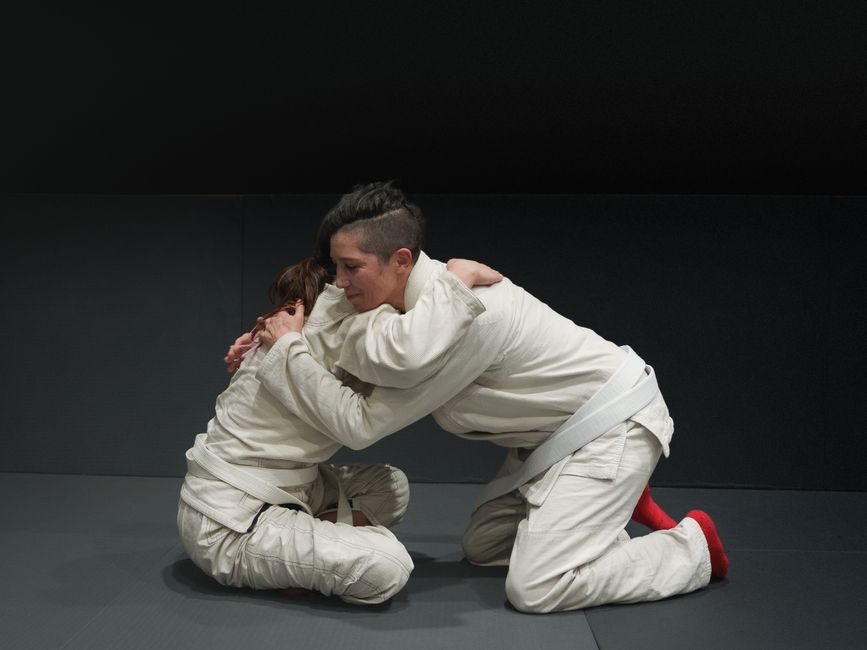
If you're gassing out during rolls, the fix might not be what you think. Cardio training for jiu jitsu is different from general fitness cardio, and understanding that difference changes everything about how you approach conditioning.
Why Regular Cardio Isn't Enough for BJJ
Running for 30 minutes feels great for your heart, but it doesn't prepare your body for the demands of grappling. When you're rolling, you're not moving at a steady pace. You're exploding, holding, scrambling, then resting for a second, then exploding again.
That stop-and-go, high-intensity pattern is totally different from jogging. Your nervous system, your muscles, and your cardiovascular system all respond to sport-specific demands. Training like a runner won't make you a better conditioned grappler.
The Truth: BJJ Itself Is Your Best Cardio
Live rolling and intense training sessions already provide serious cardiovascular benefits. When you roll hard, your heart rate spikes, you recover, and it spikes again. That's interval training built into the sport.
Many grapplers don't need extra cardio sessions at all. What they need is smarter training on the mat. If you're tired during rolls, the problem might be technique, pacing, or how much volume you're actually training. Training at a focused BJJ academy where instructors can diagnose why you're fatiguing helps you fix the real issue instead of just adding more running.
How to Build Sport-Specific Cardio Conditioning
Start by identifying where your fatigue is actually coming from. Are you tired in the first 30 seconds of a roll? After five minutes? Late in training sessions? The answer tells you what to fix.
Related: Strength Training for Jiu Jitsu: Build Real Power
Related: Weight Training for Jiu Jitsu: The Complete Guide
Related: Jiu Jitsu Cardio Workout: Build Your BJJ Conditioning
Increase Your Rolling Volume
Train more jiu jitsu with live rolling. If you're only rolling once or twice a week, your body hasn't adapted to the demands. Adding another training session or two, with an emphasis on live rolling, builds conditioning faster than any other method.
Lower Your Rest Periods
During training, shorten the time between rounds and sets. If you usually take two minutes to recover between rolls, cut it to 90 seconds. If you usually drill with long pauses between reps, speed it up slightly. Your cardiovascular system adapts to what you demand of it, so demand more.
Push Your Intensity
It's not just about volume. Rolling at 60% effort is different from rolling at 75% effort. Progressive intensity increases your conditioning over weeks and months. Start where you are, then gradually push harder as your fitness improves.
Train Consistently
Conditioning builds over time, not overnight. Regular training beats sporadic intense sessions. Three solid weeks of consistent rolling beats one week of extreme effort followed by two weeks off.
When to Add Supplemental Cardio
If you've been training BJJ consistently for weeks and you're still gassing out early, then supplemental cardio can help. But keep it sport-specific when you do add it.
High-intensity interval training, battle ropes, rowing, or sprint work mirrors the demands of grappling better than steady-state running. You're training your body to recover quickly from explosive effort, which is exactly what jiu jitsu requires.
Even then, don't treat it as your main conditioning tool. It's a supplement to your rolling, not a replacement.
Pacing and Technique Matter More Than You Think
Here's something that gets overlooked: sometimes you're not tired because you lack cardio. You're tired because you're using too much energy on every move.
Poor positioning wastes energy. Constant muscling wastes energy. Panicking wastes energy. Better technique and smarter pacing mean you stay fresh longer, even at the same fitness level.
That's why training under good instruction is so valuable. Coaches at Gonzales JJ focus on technique and efficiency, which directly impacts how fresh you stay during rounds. When you move smarter, you move longer.
Start your BJJ journey off (Free Class)
Get Started Today →
The Role of Mental Conditioning
Fatigue isn't always physical. Sometimes your mind gives up before your body does. When you roll regularly and push yourself in training, you build mental toughness alongside physical conditioning.
Getting comfortable being uncomfortable is part of the process. The more you train, the more you realize you can keep going even when it feels hard.
Building Your Conditioning Plan
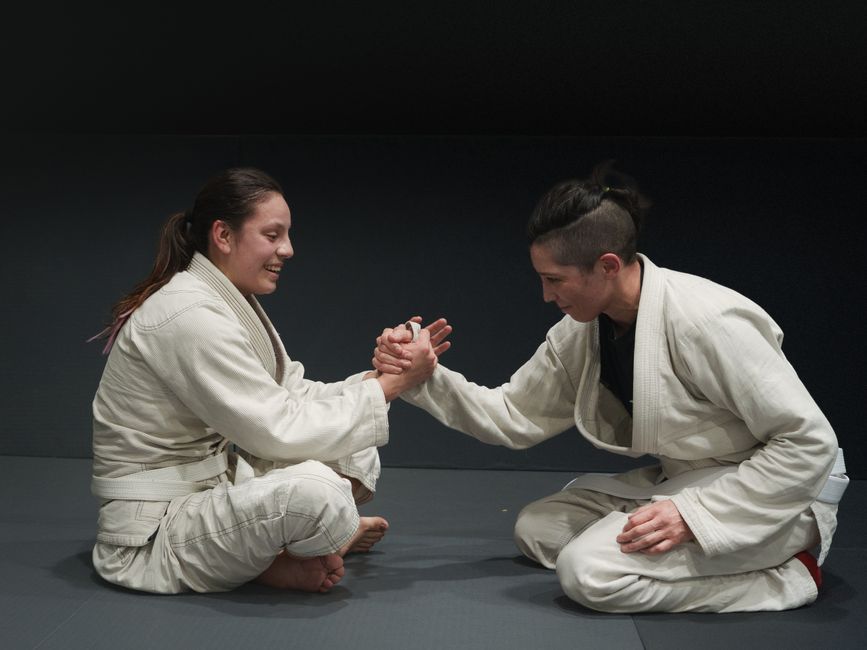
Start here: train BJJ three to four times per week with at least one session focused heavily on live rolling. Keep your rest periods short. Roll at an intensity that challenges you but lets you recover between rounds.
After four weeks, assess how you feel during rolls. Are you lasting longer? Is fatigue hitting later in your session? If yes, you're on track and can keep the same plan. If no, increase frequency or intensity slightly.
Add supplemental cardio only if you're already training consistently and still hitting a wall. When you do, make it intense and brief rather than long and steady.
Key Takeaways for Better Cardio Conditioning in BJJ
- Live rolling and consistent BJJ training is the most effective cardio for grappling
- Identify whether your fatigue comes from poor conditioning, technique, or pacing before adding extra training
- Build conditioning through increased training frequency, reduced rest periods, and progressive intensity increases
- Sport-specific conditioning beats traditional running for jiu jitsu
- Better technique and smarter energy management keep you fresh longer
- Consistency beats intensity spikes when building fitness over time
Get a Personalized Training Plan
Every grappler has different conditioning needs based on their size, training history, and goals. Working with instructors who understand jiu jitsu-specific conditioning helps you build a plan that actually works for your body.
If you're in the Rio Rancho or Albuquerque area and want hands-on coaching on conditioning and technique, come train with us. We focus on building real, lasting fitness that translates to better rolling.
What's the best cardio exercise for jiu jitsu?
Live rolling and grappling training is the single best cardio exercise for jiu jitsu. It trains your cardiovascular system the same way you'll need it during competition or casual rolling. If you need supplemental work, high-intensity interval training, rowing, or sprinting work better than steady-state running because they mimic the explosive, recovery-based demands of grappling.
How often should I do cardio for jiu jitsu?
Most grapplers benefit from three to four BJJ training sessions per week that include live rolling. That's usually enough cardio if you're rolling at good intensity. Only add extra cardio sessions if you've been training consistently for weeks and still feel like you're not improving your conditioning. Even then, one or two supplemental sessions per week is plenty.
Can you get fit just from jiu jitsu training?
Yes. Consistent jiu jitsu training provides comprehensive cardiovascular, strength, and muscular endurance benefits. You don't need extra gym work if you're training BJJ regularly and rolling live. Your conditioning improves alongside your technique as long as you're pushing yourself during training.
Why do I get tired so fast during rolling?
Early fatigue usually comes from one of three things: lack of training volume, poor technique or positioning, or attempting to muscle through movements instead of using leverage. Before you add cardio training, evaluate which one applies to you. Often, training more jiu jitsu and improving your technique fixes the problem without any supplemental conditioning work.
Start your BJJ journey off (Free Class)
Get Started Today →